
Sauces & Condiments
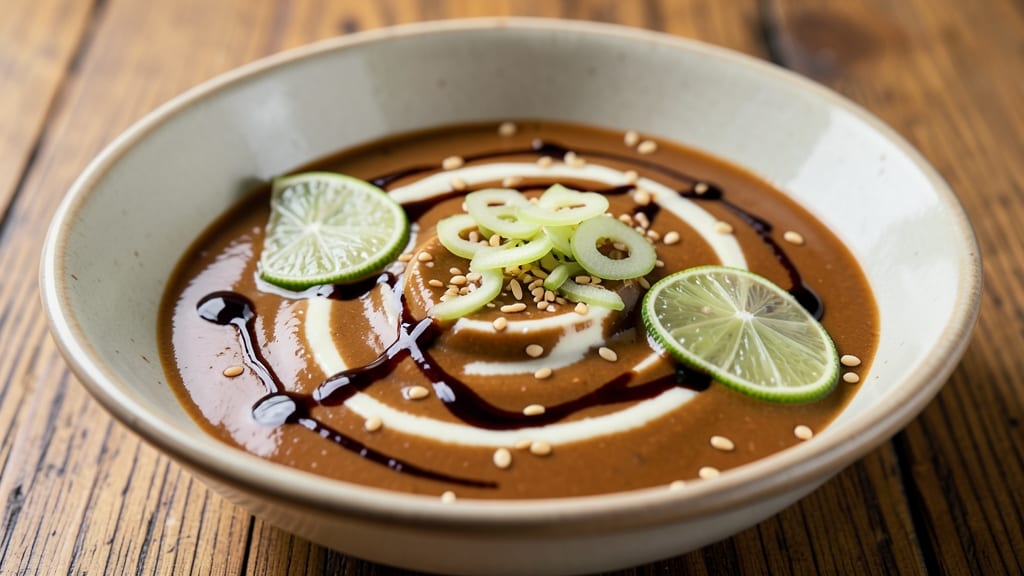
This almond butter satay sauce transforms simple grilled dishes into restaurant-worthy masterpieces with its velvety, nutty-sweet depth. The secret lies in balancing rich almond butter with tangy lime and aromatic spices, creating a sauce that clings beautifully to meats, noodles, or vegetables. I developed this vegan version after craving that perfect satay flavor without animal products—it delivers the same bold, complex taste with plant-based ingredients.
The sauce's magic comes from simmering coconut milk with almond butter until smooth, then brightening it with lime juice and tamari for that signature umami kick. Fresh ginger and garlic add warmth, while chili brings just enough heat to keep every bite exciting.
What makes this recipe special is its versatility—it works as a glaze for grilled tofu, a dipping sauce for spring rolls, or a flavorful topping for rice bowls.
What you'll end up with is a thick, glossy sauce that's perfect for drizzling or brushing, with a perfect balance of sweet, savory, and slightly spicy notes. The almond butter gives it that signature nutty richness, while the coconut milk keeps it creamy and luscious.
This sauce stays fresh in the fridge for up to a week or can be frozen for longer storage, making it perfect for meal prep.
Whether you're serving it over steamed jasmine rice, tossing it with noodles, or using it as a marinade for skewers, this almond butter satay sauce elevates any dish. The best part?
It's quick to make and requires only simple pantry staples. Let's get started on creating this flavor-packed sauce that will become a staple in your kitchen.
Ingredients for almond butter satay sauce
Nine simple ingredients transform into a velvety, restaurant-quality satay sauce that's nutty-sweet and packed with umami.
| Ingredient | Amount | Notes |
|---|---|---|
| Almond Butter 🥜 | ½ cup | Creamy, unsweetened preferred |
| Coconut Milk 🥥 | 1 can | Full-fat, 13.5 oz can |
| Lime Juice 🍋 | ¼ cup | Freshly squeezed, about 2-3 limes |
| Tamari 🍶 | ¼ cup | Or gluten-free soy sauce |
| Maple Syrup 🍯 | ⅛ cup | Pure, grade B preferred |
| Fresh Ginger 🌿 | 1 tbsp | Grated, about 1-inch piece |
| Garlic Cloves 🧄 | 3 cloves | Minced, about 1 tsp |
| Red Chili Flakes 🌶️ | 1 tbsp | Adjust for heat preference |
| Extra-Virgin Olive Oil 🫒 | 1 tbsp | For richness and balance |
| Sea Salt 🧂 | ½ tsp | Fine grain preferred |
Almond butter is the star here—creamy, unsweetened makes all the difference. Trader Joe's and Whole Foods carry great brands like 365 or Justin's. If you grab the crunchy kind, toast it briefly in the saucepan first to melt it smooth. Coconut milk? Full-fat only—the richness is non-negotiable for that authentic satay texture. I always buy the 13.5 oz cans because they're perfect for this recipe without leftovers. Fresh ginger and garlic are non-negotiable for that bright, aromatic punch—don't skip them. The red chili flakes can be adjusted based on your heat tolerance, but trust me, you'll want at least some spice to cut through the richness.
No tamari? Gluten-free soy sauce works perfectly—just use the same amount. Running short on lime juice? Lemon juice at half the amount gets you close, though it'll be slightly less tangy. The maple syrup adds that signature satay sweetness—grade B is best for its deeper flavor, but regular maple works in a pinch. Want to make this even creamier? Blend in 2 tbsp of tahini at the end. The olive oil might seem like overkill, but it rounds out all the flavors beautifully. If you're sensitive to heat, reduce the chili flakes to 1 tsp—you can always add more later.
This sauce gets better as it sits—let it thicken for 20 minutes after making. Store it in an airtight jar in the fridge for up to 1 week—it actually tastes better the next day as the flavors meld. For longer storage, freeze in ice cube trays and transfer to a bag—perfect for quick portions. I always make a double batch because it disappears fast. Drizzle it over grilled tofu, toss it with noodles, or use it as a marinade—this stuff is a game-changer for any dish.
Why You'll Love This Recipe
- Five-Ingredient Magic: I swear, this sauce comes together with just a whisk and a bowl—no blender, no fuss. The almond butter and coconut milk blend into something silky smooth with barely any effort, and the lime and tamari brighten it up instantly.
- Nutty-Sweet Balance: That first taste of rich almond butter meets tangy lime? It’s like a flavor hug. The maple syrup just takes it from "good" to "I’ll make this every time" without being overly sweet—promise.
- Weeknight to Party: Slather it on grilled chicken for a quick dinner, drizzle it over roasted veggies for a crowd, or serve it with spring rolls at your next potluck. Honestly, I’ve used it for all three, and it never lets me down.
- Leftovers That Last: This sauce keeps for weeks in the fridge—yes, weeks—and only gets better as the flavors meld. I’ve reheated a batch after a month and still got that same creamy, zesty punch. Budget-friendly? Absolutely.
Step-by-step instructions for almond butter satay sauce
This rich, nutty-sweet sauce comes together in minutes—perfect for grilled meats or noodles!
Bloom the Almond Butter and Aromatics
In a medium saucepan over medium heat, add the 0.5 cup almond butter and 1 tablespoon extra-virgin olive oil. Stir constantly for 2-3 minutes until the almond butter melts completely and becomes smooth. You'll notice the mixture will thicken slightly as it warms—this is normal and creates the sauce's velvety base.
Once fully melted, add the 1 tablespoon grated fresh ginger and 3 minced garlic cloves. Cook for another 1 minute until fragrant—you should smell that bright, zesty aroma of ginger and garlic. This step builds the sauce's aromatic foundation, so don't rush it. If the mixture starts to brown too quickly, reduce the heat to medium-low to prevent burning.
Add Liquids and Tamari
Pour in the 1 can coconut milk (do not shake the can first—let the cream separate naturally) and 0.25 cup tamari. Stir well to combine, scraping up any browned bits from the bottom of the pan. These bits are packed with flavor, so don't miss them. Bring the mixture to a gentle simmer over medium heat, then reduce heat to low to maintain a slow, steady simmer.
Let it cook for 5 minutes while you prepare the remaining ingredients. This gentle simmer allows the coconut milk to blend smoothly with the almond butter, creating that signature satay texture. The sauce should begin to thicken slightly as it reduces—this is exactly what we want for that perfect glaze consistency.
Incorporate Sweetness and Acid
Add the 0.125 cup maple syrup and 0.25 cup lime juice, stirring continuously. The maple syrup will help balance the richness of the almond butter, while the lime juice adds that essential tang that brightens the whole sauce. Taste the mixture now—you should notice a perfect harmony of sweet, nutty, and slightly tangy flavors developing.
If you prefer a spicier sauce, add the 1 tablespoon red chili flakes now. Stir in the 0.5 teaspoon sea salt and let the sauce simmer for another 3-4 minutes. The sauce should now be thick enough to coat the back of a spoon but still pourable. If it's too thick, add 1-2 tablespoons water to reach your desired consistency.
Refine and Finish
Taste the sauce again and adjust the seasoning if needed. You might want to add a touch more maple syrup for sweetness, a splash of lime juice for acidity, or a pinch more salt to balance the flavors. Remember, the sauce will thicken slightly as it cools, so don't over-thicken it now.
For the smoothest texture, strain the sauce through a fine-mesh sieve to remove any ginger or garlic bits if you prefer a completely smooth sauce. Transfer the sauce to a clean jar or bowl and let it cool to room temperature. This sauce keeps well in the refrigerator for up to 5 days, making it perfect for meal prep. Serve warm over grilled meats, noodles, or even as a dipping sauce!
Pro Tips For Making Almond Butter Satay Sauce
- WHISK THE ALMOND BUTTER: Start by mixing the almond butter with a splash of warm water or coconut milk first—this prevents it from clumping like a stubborn glue stick. I learned this the hard way after scraping gummy globs off my whisk for what felt like an hour.
- USE FULL-FAT COCONUT MILK: Skip the light version—it’ll make your sauce thin and watery. Full-fat gives that rich, velvety texture satay sauce deserves. (Yes, even if you’re watching calories, this isn’t the place to compromise.)
- STRAIN THE SAUCE: After simmering, give it a quick pass through a fine-mesh sieve to remove any grit from the almond butter or coconut milk. Trust me, you don’t want a mouthful of tiny bits ruining the smoothness—especially when you’re halfway through dipping.
- BALANCE THE LIME LAST: Add the lime juice after the sauce has cooled slightly—otherwise, it’ll curdle like a science experiment gone wrong. Taste as you go, but resist the urge to overdo it; you can always add more, but you can’t take it out.
Storing and reheating this almond butter satay sauce
Fridge Storage Tips
Store your almond butter satay sauce in an airtight glass jar—I love using Le Parfait 16-ounce jars—and keep it refrigerated for up to 1 week. The sauce actually improves as it sits, with flavors melding beautifully overnight.
Give it a good stir before using, as the almond butter may settle slightly at the bottom. For best results, let it sit at room temperature for 5-10 minutes before reheating. 🥫
Freezer Prep
For longer storage, freeze the sauce in ice cube trays—this makes portion control effortless for future use. Once frozen, transfer the cubes to a ziplock freezer bag and flatten to save space. The sauce maintains its quality for up to 3 months in the freezer.
When ready to use, thaw overnight in the fridge or quickly in a bowl of warm water. Avoid microwave thawing—it can break the sauce's silky texture. ❄️
Reheating Methods
For stovetop reheating, transfer the sauce to a small saucepan over low heat and warm gently for 3-4 minutes, stirring frequently. Add 1-2 tablespoons water if it thickens too much.
Microwave reheating works too: heat for 45 seconds on 50% power, stir, then heat in 15-second intervals until warmed through. Never boil the sauce—this can cause separation. 🔥
Texture Recovery
If your refrigerated sauce thickens significantly, simply whisk in 1 tablespoon coconut milk or water at a time until you reach your desired consistency. The sauce should be glossy but pourable—not watery.
For extra richness, stir in ½ teaspoon extra-virgin olive oil before serving. This trick works wonders if you've stored it for several days. The key is patience—don't rush the process. 💫
Sauce Thinning
Need a thinner consistency for drizzling? Blend the sauce with 2-3 tablespoons warm water or coconut milk until smooth. For a thicker version perfect for glazing, simmer uncovered on the stove for 2-3 minutes to reduce the moisture.
Remember, the sauce will thicken further as it cools, so adjust while it's still warm. This balance is what makes satay sauce so versatile! ✨
Nutrition facts
Frequently asked questions
Can I substitute peanut butter for almond butter?
Peanut butter works perfectly—it actually gives a more traditional satay flavor. Use the same amount (½ cup) and adjust the coconut milk slightly if needed. For extra richness, add 1 teaspoon of tahini to enhance the nutty depth.
How spicy should this sauce be?
The recipe includes 1 tablespoon of red chili flakes for a mild-medium heat level. For less spice, reduce to ½ teaspoon, or omit completely. If you love heat, add an extra ½ teaspoon or stir in a pinch of cayenne pepper. The sauce can always be adjusted to taste!
What's the best way to use this sauce?
This versatile sauce works as a glaze for grilled meats (especially tofu or chicken), a dipping sauce for spring rolls or veggie skewers, or a flavorful topping for rice bowls. For extra shine, simmer it for 2-3 minutes before using. It also makes an amazing marinade—just let the meat soak for 30 minutes before grilling.
Why did my sauce separate?
Separation usually happens from sudden temperature changes or overcooking. To fix it, whisk in 1 tablespoon of warm water or coconut milk until smooth. For prevention, always reheat gently over low heat and avoid boiling. The sauce should remain creamy when properly stored and handled.
Can I make this sauce without coconut milk?
Yes, but the texture will be thinner. Replace the coconut milk with 1 cup of light cream or cashew cream (blend soaked cashews with water). For a dairy-free option, use ½ cup unsweetened almond milk plus ½ cup coconut cream. The sauce will still be delicious but may require more thickening while cooking.