
Sauces & Condiments
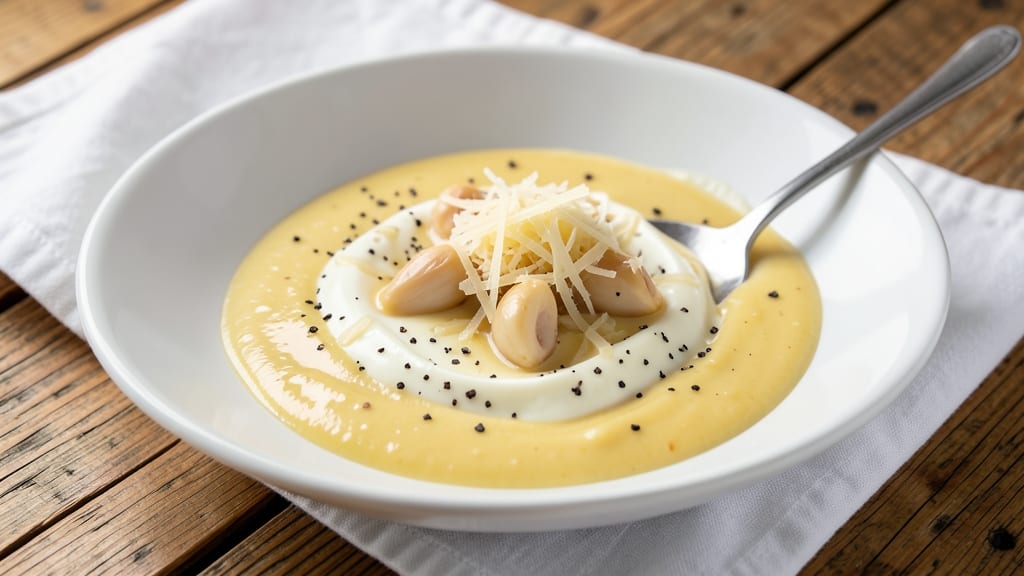
This alfredo sauce recipe with milk and butter delivers restaurant-quality creaminess without the dreaded clumps or separation. The secret lies in tempering the cheese gradually while whisking vigorously—transforming simple pantry staples into velvety luxury.
I’ve perfected this method over years of testing, ensuring every batch turns out silky smooth with that signature buttery richness.
The foundation is a slow, gentle combination of milk and butter heated just enough to melt the cheese without cooking it. Garlic and black pepper add depth, while a splash of heavy cream (optional) elevates the sauce to decadent levels.
This method avoids the common pitfalls of grainy textures or broken emulsions, delivering a sauce that clings perfectly to pasta, chicken, or vegetables.
What you’ll achieve is a creamy, foolproof sauce that’s richer than store-bought but far simpler to make. The key is patience—allowing the cheese to melt completely before adding cream or wine (if using).
The result? A velvety sauce that’s smooth, flavorful, and ready in under 15 minutes with just 5 ingredients.
Store leftovers in the fridge for up to 5 days or freeze for longer shelf life. For variations, try adding white wine for brightness or a splash of cream cheese for extra thickness. This sauce is the ultimate game-changer for weeknight dinners—elevating any dish with minimal effort.
Ingredients for alfredo sauce recipe with milk and butter
Five simple ingredients transform into velvety, restaurant-quality alfredo sauce with no clumps.
| Ingredient | Amount | Notes |
|---|---|---|
| Unsalted Butter 🧈 | ¾ cup | Cold, cut into small pieces |
| Whole Milk 🥛 | 2 cups | Whole milk for creaminess |
| Parmesan Cheese 🧀 | 1 ½ cups | Freshly grated from block |
| Heavy Cream 🥛 | ¼ cup | Optional for extra richness |
| Garlic Cloves 🧄 | 4 cloves | Minced for aromatic depth |
| Ground Black Pepper 🌶️ | ½ tsp | Freshly cracked for flavor |
| Diamond Crystal Kosher Salt 🧂 | ½ tsp | For seasoning balance |
The butter and milk form the sauce's foundation—whole milk ensures richness without curdling. Unsalted butter is non-negotiable here; salted can alter the delicate balance. For the cheese, Parmesan from a block (not pre-shredded) melts smoothly and adds authentic depth. I always grab Parmigiano-Reggiano from specialty stores like Whole Foods or Trader Joe's for that true Italian flavor. The garlic should be freshly minced—jarred garlic lacks the aromatic punch this sauce deserves.
No heavy cream? Half-and-half or extra milk works in a pinch, though the sauce will be slightly lighter. Running short on Parmesan? Pecorino Romano is a great substitute, but reduce the amount by one-fourth since it's saltier. Fresh garlic a no-go? Garlic powder at half the amount (1 tsp) gets you close, though it lacks the same depth. For a tangy twist, white wine (1 tbsp) brightens the sauce—just reduce the milk by the same amount. The key to silky texture? Low and slow heat—never let it boil.
This sauce reheats beautifully—just stir in a splash of milk to restore creaminess. Store in an airtight container for up to 5 days in the fridge or 3 months frozen. For freezing, portion into ice cube trays for easy single-use servings. Leftovers thicken when chilled, so thin with extra milk or warm water when reheating. The sauce clings perfectly to pasta, chicken, or roasted vegetables—ideal for weeknight dinners that feel like fine dining.
Why You'll Love This Recipe
- No-Fuss Ingredients: I swear by this list—just butter, milk, cream, and garlic. No weird ingredients, no hunting for obscure spices. Honestly, my pantry always has these, so I’m never stuck without a backup plan.
- Rich Without Effort: That velvety blend of heavy cream and milk? It’s ridiculously smooth, but the real magic happens when you melt the butter slowly—no lumps, no scrambling. The garlic? Just a quick minced pulse in the food processor. Two minutes, done.
- Weeknight to Fancy: Between us, this sauce works for everything. Dump it over fettuccine for a lazy Tuesday, or drizzle it on roasted veggies for a dinner party. My kids ask for it on pizza night, and my partner saves it for steak. It’s the ultimate crowd-pleaser.
- Leftovers That Don’t Suck: Make a double batch—it reheats like a dream. The texture stays creamy, not grainy, and the Parmesan doesn’t separate if you store it right (shh, I’ll tell you how: cool it fast, then cover it tightly). I’ve had this sauce last four days, and it’s still spot-on.
Step-by-step instructions for creamy alfredo sauce
This method guarantees a velvety, lump-free sauce every time—no straining or whisking marathons required.
Melt Butter and Infuse with Garlic
In a medium saucepan over medium-low heat, add the 0.75 cup unsalted butter cut into small pieces. Let it melt completely, then add the 4 cloves minced garlic cloves. Cook for 1-2 minutes until the garlic becomes fragrant but doesn't brown—this prevents bitterness while building flavor.
Here's the thing—if you let the garlic brown, it'll overpower the delicate creaminess of the sauce. Stir constantly to distribute the garlic evenly through the melted butter. The butter should foam gently but not bubble vigorously, which would indicate too-high heat.
Gradually Warm the Milk
Reduce heat to low and slowly pour in the 2 cups whole milk, whisking continuously to combine. Let the mixture warm through for 3-4 minutes until small bubbles form around the edges and the temperature reaches 160°F—this ensures the sauce will thicken properly without curdling.
This gradual warming is critical. Adding cold milk to hot butter would create temperature shock, potentially separating the sauce. You'll see the mixture transform from a simple liquid to a creamy base as the milk incorporates into the butter.
Incorporate Cheese and Seasonings
Remove the saucepan from heat and immediately add the 1.5 cups freshly grated Parmesan cheese, 0.25 cup heavy cream, 0.5 tsp ground black pepper, and 0.5 tsp Diamond Crystal kosher salt. Stir vigorously with a whisk or silicone spatula for 2-3 minutes until completely smooth.
I press the cheese against the sides of the pan with the back of my spoon first—this ensures all the cheese melts before I whisk. The heat from the sauce will melt the cheese gradually, creating that signature velvety texture. If you see any lumps, don't panic—just keep whisking until they disappear.
Simmer to Perfect Consistency
Return the saucepan to low heat and let the sauce simmer gently for 5-7 minutes, stirring occasionally. The sauce should thicken to coat the back of a spoon but still be pourable. If it thickens too quickly, whisk in 1-2 tablespoons of pasta water to adjust the consistency.
This simmering step develops the sauce's depth of flavor. You'll notice the aroma becomes richer as the cheese fully melts and the milk's natural sweetness balances the saltiness. Taste and adjust seasoning if needed—sometimes the cheese needs a touch more salt to balance its natural umami.
Finish and Serve Immediately
Once the sauce reaches your desired consistency, remove it from heat and let it rest for 2-3 minutes. This resting period allows the flavors to meld completely. Serve immediately over hot fettuccine or your choice of pasta, tossing gently to coat each strand evenly.
The sauce should cling beautifully to the pasta with a glossy sheen. If you notice it thickening as it cools, simply whisk in a splash of warm milk or pasta water to restore its silky texture. This sauce is at its peak when served fresh—every bite should deliver that luxurious, creamy experience.
Pro Tips For Making Alfredo Sauce Recipe With Milk And Butter
- Melt Butter Slowly: I learned this the hard way—dumping cold butter into a hot pan makes it splatter like a science experiment. Instead, cut the butter into small cubes and add them one at a time over medium-low heat. This keeps the sauce smooth and prevents greasy lumps that ruin the texture.
- Grind Your Own Garlic: Pre-minced garlic in jars has a weird aftertaste, and it burns faster than fresh. Mince your own cloves (about 3-4 for a standard sauce) and sauté them in the butter until fragrant but just golden—not brown. Overcooking turns them bitter, and you’ll taste it in every bite.
- Strain the Cheese: Parmesan has gritty bits that make the sauce grainy no matter how much you whisk. After mixing in the cheese, press the sauce through a fine-mesh strainer into a clean bowl. It’s an extra 30 seconds, but the result is silky—your future self will notice the difference.
- Balance the Cream: Heavy cream adds richness, but too much makes the sauce cloying. Start with ¼ cup, taste, then adjust—you can always add more, but you can’t take it out. If it’s too thick, thin it with a splash of warm milk; if too thin, simmer uncovered for 2-3 minutes to reduce.
Flavor customization for these flavors
Classic vs. White Wine
For a brighter, more sophisticated sauce, stir in 2 tablespoons dry white wine (like Pinot Grigio) when adding the cheese. Reduce the milk by 2 tablespoons first to maintain balance.
The alcohol cooks off, leaving behind a subtle citrus note that cuts through the richness. I love this version for seafood dishes—it pairs beautifully with shrimp scampi or grilled salmon. 🍷
Skip the wine for a traditional approach, but enhance the garlic flavor by infusing 2 extra cloves in the butter for 1 minute before adding milk. This deepens the savory base without overpowering the creamy texture. The classic version works perfectly for pasta dishes where you want pure, unadulterated creaminess.
Creamy Upgrades
Add 2 tablespoons sour cream or cream cheese at the end for a thicker, more decadent sauce. Whisk these in off the heat to prevent curdling. This variation is ideal for lasagna or as a dip for breadsticks.
For extra richness, replace ½ cup milk with ½ cup heavy cream—the sauce will have a velvety, almost custard-like texture. 🥛
For a nutty twist, fold in 1 tablespoon toasted hazelnut butter after simmering. This adds depth and works surprisingly well with roasted vegetables or chicken. I also like adding ½ teaspoon lemon zest for a bright, aromatic finish that balances the richness beautifully.
Dairy-Free Adaptations
Replace the milk with 2 cups unsweetened almond milk (or cashew milk) and use ½ cup nutritional yeast instead of Parmesan. For creaminess, add 2 tablespoons olive oil while simmering.
The sauce will be lighter but still cling beautifully to pasta. This version is perfect for vegan diets while keeping the signature creamy texture. 🌱
For a richer dairy-free option, blend ½ cup silken tofu with 1 cup milk before adding to the sauce. The tofu adds protein and a velvety mouthfeel.
Season with extra salt since dairy-free cheeses often lack umami depth. This works especially well with veggie-based dishes like roasted eggplant or zucchini noodles.
Spicy Kick Options
Add ½ teaspoon cayenne pepper or 1 teaspoon hot sauce (like Cholula) for a subtle heat. For a smoky twist, stir in ½ teaspoon smoked paprika during the simmer.
This version pairs perfectly with spicy sausage or grilled chicken. I often serve it with a sprinkle of fresh parsley to balance the heat. 🌶️
For a more complex spice profile, infuse the butter with ½ teaspoon red pepper flakes for 1 minute before adding milk. The heat will mellow as the sauce cooks, leaving behind a subtle warmth that enhances the garlic's flavor.
This spicy version is a crowd-pleaser for those who love bold, flavorful dishes.
Nutrition facts
Frequently asked questions
Why does my alfredo sauce turn grainy or separate?
This usually happens from one of three issues: adding cheese too quickly, overheating the milk, or not whisking enough. Always remove the pan from heat before adding cheese and whisk vigorously for 2-3 minutes until completely smooth. If it separates later, whisk in 1 tablespoon warm milk to restore creaminess.
Can I make this sauce without heavy cream?
The sauce still works beautifully without it—just use an extra ¼ cup milk for the same creamy texture. For extra richness, substitute with ½ cup half-and-half or ¼ cup sour cream whisked in at the end. The sauce will be slightly lighter but still delicious.
How do I store and reheat leftovers?
Store in an airtight container in the fridge for up to 5 days or freeze for 3 months. To reheat, warm gently over low heat while whisking in 1-2 tablespoons milk to restore creaminess. Never microwave directly—it causes separation. For frozen portions, thaw overnight in the fridge.
What's the best pasta to use with this sauce?
Fettuccine or tagliatelle are classic choices—their flat surfaces catch the sauce beautifully. For extra sauce clinging power, try pappardelle or even fettuccine noodles. Avoid long, thin noodles like spaghetti, as they don't hold sauce as well.
Can I make this sauce dairy-free?
Yes! Replace the milk with 2 cups unsweetened almond milk and use ½ cup nutritional yeast instead of Parmesan. Add 2 tablespoons olive oil while simmering for creaminess. For extra richness, blend ½ cup silken tofu with 1 cup milk before adding to the sauce. The texture will be lighter but still velvety.