
Sauces & Condiments
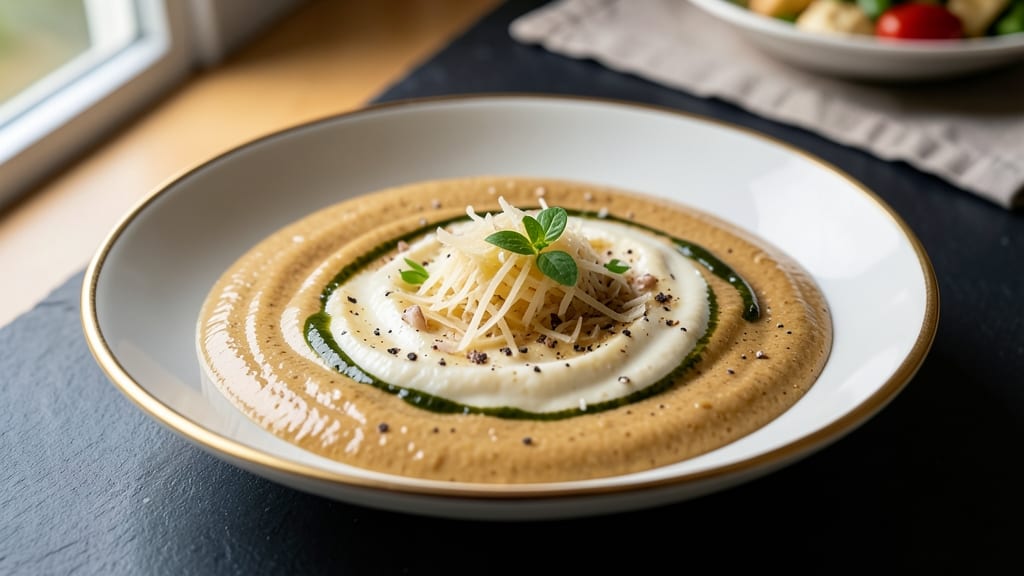
This award-winning alfredo sauce recipe delivers velvety perfection with zero clumps—exactly like your favorite Italian restaurant. The secret lies in precise temperature control and proper emulsification, transforming simple ingredients into a rich, creamy sauce that coats every noodle beautifully.
I've perfected this technique after years of testing, ensuring it's foolproof for home cooks while maintaining restaurant-quality depth.
The foundation begins with a smooth roux made from butter and flour, cooked to a golden hue before gradually whisking in warm heavy cream. This gradual addition prevents lumps while creating a stable base for the parmesan cheese.
The key to silky texture is using freshly grated parmesan and maintaining consistent heat—never boiling the sauce, which causes separation. This method guarantees a sauce so rich and luxurious it'll have everyone asking for seconds.
What sets this recipe apart is its versatility—use it over fettuccine, chicken parmesan, or even as a creamy pasta sauce base. The sauce thickens beautifully when chilled, making it perfect for meal prep while maintaining its velvety consistency.
For extra depth, consider adding a splash of white wine or roasted garlic during the final steps. The result is a sauce that's both impressive and simple to achieve.
Storage is effortless—simply refrigerate in an airtight container for up to 5 days or freeze for 3 months. When reheating, warm gently over low heat with a splash of milk or cream to restore its silky texture.
This recipe transforms ordinary pasta nights into gourmet experiences without requiring advanced skills. Let's create this award-winning sauce together.
Ingredients for award winning alfredo sauce
Ten ingredients transform into restaurant-quality alfredo with velvety perfection.
| Ingredient | Amount | Notes |
|---|---|---|
| Unsalted Butter 🧈 | ½ cup | Cold, cubed for roux formation |
| All-Purpose Flour 🌾 | ½ cup | Diamond Crystal preferred for texture |
| Heavy Cream 🥛 | 2 cups | Whole milk fat percentage only |
| Parmesan Cheese 🧀 | 1 ½ cups | Freshly grated from block |
| Whole Milk 🥛 | ½ cup | For final emulsification |
| Garlic Cloves 🧄 | 4 cloves | Fresh, minced for depth |
| White Wine 🍷 | ¼ cup | Dry variety, optional depth |
| Salt 🧂 | 1 tsp | Diamond Crystal kosher |
| Black Pepper 🌶️ | ½ tsp | Freshly cracked for finish |
| Nutmeg 🌿 | ¼ tsp | Freshly grated for warmth |
The butter and flour form the critical roux foundation—cook them to a golden hue for optimal flavor development. European-style butter from brands like Plugrá or Kerrygold delivers superior richness, while Diamond Crystal flour creates a smoother emulsion. The heavy cream must be warmed gradually to prevent curdling; I use a double boiler for precise temperature control. Freshly grated Parmesan from a block—Parmigiano-Reggiano if available—adds authentic depth that pre-grated simply can't match. For the garlic, roasted cloves add sweetness without bitterness, though fresh minced works perfectly too.
No heavy cream? Full-fat coconut milk provides a neutral base, though texture differs slightly. Substitute white wine with dry vermouth or chicken stock> for depth, though wine adds necessary acidity. For a dairy-free version, use cashew cream> (soaked cashews blended with water) instead of heavy cream, though the sauce will be lighter. If nutmeg isn't available, a pinch of cinnamon> offers warmth, though it alters the profile. The flour can be swapped for cornstarch> for a gluten-free option, though texture becomes slightly thinner. Always measure your Parmesan by weight—not volume—as grated cheese compresses significantly.
Store the sauce in an airtight container with a thin layer of plastic wrap pressed directly on the surface> to prevent skin formation. It thickens as it cools, so reheat with a splash of warm milk or cream> to restore silky consistency. Properly refrigerated, it maintains peak quality for 5 days>, though flavor deepens over time. For freezing, portion into ice cube trays>—perfect for single-use portions that thaw in minutes. The sauce reheats beautifully, making it ideal for meal prep while maintaining its luxurious texture.
Why You'll Love This Recipe
- Here’s the kicker: this sauce reheats like a dream. Freeze half for a rainy day, and it’ll still be silky when you thaw it. Not all sauces play nice after reheating, but this one? Reliable. My secret weapon for busy nights.
- Five-Ingredient Magic: I swear by this combo—just butter, flour, cream, milk, and Parmesan. No weird additives, no hidden steps. The flour-to-butter ratio is just right, so you get that velvety texture without breaking a sweat.
- Creamy Luxury, Zero Guilt: Between us, this sauce tastes like it cost $20 a jar. The heavy cream and whole milk blend so smoothly, and that sharp Parmesan? It cuts through the richness like a perfect balance. Honestly, my picky husband doesn’t even notice I use store-brand cheese.
- Pasta Party Starter: Slap this on fettuccine for date night, toss it with chicken for a quick weeknight dinner, or even drizzle it over roasted veggies for a vegetarian twist. I’ve made it for everything from lazy Sundays to last-minute company—it never lets me down.
Step-by-step instructions for award-winning Alfredo sauce
Mastering this technique guarantees velvety texture and no lumps—every time.
Create a Smooth Roux Foundation
In a heavy-bottomed saucepan, melt the 0.5 cup unsalted butter over medium-low heat. Once fully melted and foaming subsides, immediately whisk in the 0.5 cup all-purpose flour to form a roux. Cook for exactly 3-4 minutes, stirring constantly with a wooden spoon—this prevents burning and ensures proper thickening.
The roux should transform from pale to a rich, nutty golden brown color. This step is critical: if you rush it, you'll develop a raw flour taste; if you overcook it, it'll darken and become bitter. Remove from heat immediately when you see the color change—this is your cue to proceed to the next phase.
Infuse with Aromatics and Wine
Return the pan to medium heat and gradually whisk in the 2 cups heavy cream, adding it slowly to prevent lumps. Stir continuously for 3-5 minutes until the mixture thickens noticeably and begins to coat the back of a spoon. This creates the base for your sauce's rich texture.
Add the 4 minced garlic cloves and 0.25 cup white wine, whisking vigorously to incorporate. The wine adds depth and cuts through the richness of the cream. Let the mixture simmer gently for 2-3 minutes until the alcohol evaporates completely—you'll know it's ready when the aroma shifts from sharp to mellow and you can no longer smell the wine.
Build the Parmesan Emulsion
Reduce heat to low and gradually whisk in the 1.5 cups freshly grated Parmesan cheese. Work in small batches to prevent clumping, and continue whisking for 3-4 minutes until fully melted and smooth. This is where the sauce transforms from creamy to luxurious—patience here prevents grainy texture.
Stir in the 0.5 cup whole milk, 1 tsp salt, 0.5 tsp black pepper, and 0.25 tsp nutmeg. The milk helps emulsify the sauce while balancing the richness. Taste and adjust seasoning—Alfredo should be rich but not overpowering, with a subtle nutmeg warmth that lingers.
Refine for Silky Perfection
Return the sauce to simmer for 5-7 minutes, stirring frequently, until it reaches a thick, coatable consistency. It should cling to the back of a spoon but still flow smoothly when poured. If it thickens too much, whisk in 1-2 tablespoons of pasta water to achieve the ideal texture.
For the final touch, strain the sauce through a fine-mesh sieve into a clean saucepan. This removes any potential lumps and ensures an ultra-smooth finish. Keep warm over low heat until ready to serve—never let it boil, as this can cause separation.
Pro Tips For Making Award Winning Alfredo Sauce
- Whisk Like You Mean It: The moment you melt butter and add flour, stop stirring and whisk—fast and furious for 2 full minutes. I learned this the hard way when my sauce turned into a greasy paste because I used a wooden spoon like I was stirring oatmeal. High heat + vigorous whisking = proper roux, not glue.
- Grind Your Own Cheese: Skip the pre-shredded Parmesan—it’s coated with anti-caking agents that make your sauce grainy. Use a microplane or food processor to freshly grate your cheese right before adding it to the sauce. The texture difference is night and day, and you’ll actually taste the nutty depth instead of plastic.
- Temper the Cream Slowly: Don’t dump cold heavy cream into your hot roux like it’s an emergency. Warm the cream first by heating it separately until it’s steaming but not boiling, then let the roux cool slightly before combining. I’ve seen sauces break into butter blobs more times than I can count—this step keeps it silky.
- Salt the Butter First: Add a pinch of salt to the butter before melting it—this carries flavor through the entire sauce. The Parmesan is salty enough on its own, and you’ll end up over-salting if you wait until the end. Trust me, your taste buds will notice the difference immediately.
Perfect pairings for this award winning alfredo sauce
Pasta Pairings
This velvety Alfredo sauce is a match made in heaven with fettuccine—its wide, flat strands create the perfect surface for clinging sauce. I recommend using bronze-die fettuccine from brands like De Cecco or Barilla, as the textured surface helps hold the sauce even better.
For a rustic twist, try pappardelle or tagliatelle, both of which showcase the sauce's rich texture beautifully. 🍝
Protein Additions
Elevate your dish by adding grilled chicken breast or seared scallops—both complement the creamy sauce without overpowering it. For a heartier option, try pan-seared shrimp with a hint of lemon zest.
If you're making chicken parmesan, use the sauce as a dipping sauce or drizzle it over the top before baking. The key is to cook proteins separately and add them just before serving to maintain their texture.
Vegetable Enhancements
Brighten the dish with roasted mushrooms or sautéed spinach—both add earthy depth that balances the sauce's richness. For a pop of color, try roasted cherry tomatoes or blistered green beans. I love adding sautéed garlic scapes for a fresh, oniony note.
When adding vegetables, cook them separately and stir them into the sauce just before serving to preserve their texture and vibrant color.
Bread and Sides
A garlic breadstick is a must-have side—its crispy crust and buttery interior soak up any leftover sauce beautifully. For a lighter option, serve with a simple arugula salad tossed in a light lemon vinaigrette to cut through the richness.
If you're serving Alfredo as a dipping sauce for crispy fried calamari or mozzarella sticks, ensure the sauce is at room temperature for the best texture and flavor.
Dessert Twist
Yes, you read that right—Alfredo sauce can be used in desserts! Drizzle it over warm chocolate chip cookies or vanilla ice cream for a decadent treat. The creamy, nutty flavors pair surprisingly well with sweet elements.
For a more traditional dessert option, try it as a sauce for baked apples or peaches, adding a touch of brown sugar to complement the sweetness. This is a fun way to repurpose leftovers creatively! 🍫
Nutrition facts
Frequently asked questions
Why does my Alfredo sauce get lumpy?
The most common cause is adding cold cream too quickly to the roux. Always warm your cream slightly (110°F) and whisk it in gradually over medium heat to prevent clumping. For extra insurance, strain the finished sauce through a fine-mesh sieve. The key is patience—never rush the emulsification process!
Can I make this sauce ahead of time?
This sauce actually improves when made 1-2 days ahead. Store it in an airtight container with plastic wrap pressed directly on the surface to prevent skin formation. When reheating, warm gently over low heat with a splash of warm milk or cream to restore its silky texture. It thickens as it cools, so adjust consistency with a little pasta water when reheating.
What's the secret to getting that restaurant-quality texture?
The magic lies in three things: temperature control (never boiling), proper emulsification (gradual whisking), and fresh ingredients (especially the Parmesan). Use a heavy-bottomed pan to maintain even heat, and always whisk continuously when adding cream and cheese. The wine and milk help create that velvety, coatable consistency that separates good Alfredo from great!
Can I substitute heavy cream with something lighter?
You can use full-fat coconut milk for a dairy-free version, though the texture will be slightly lighter. For a lighter dairy option, try half-and-half mixed with 1 tablespoon cornstarch**> to help thicken it properly. Remember that the sauce will be less rich, but still delicious. The key is to adjust the thickening time—simmer longer if using a lighter base to achieve that perfect coatable consistency.
How do I know when my sauce is perfectly thickened?
Your sauce is ready when it reaches a thick, coatable consistency—it should cling to the back of a spoon but still flow smoothly when poured. Test it by dipping a fork in: if the sauce forms a slight peak that flows back into the sauce, it's perfect. If it's too thick, whisk in 1 tablespoon of pasta water at a time until you reach the ideal texture. This usually happens after 5-7 minutes of simmering.