
Sauces & Condiments
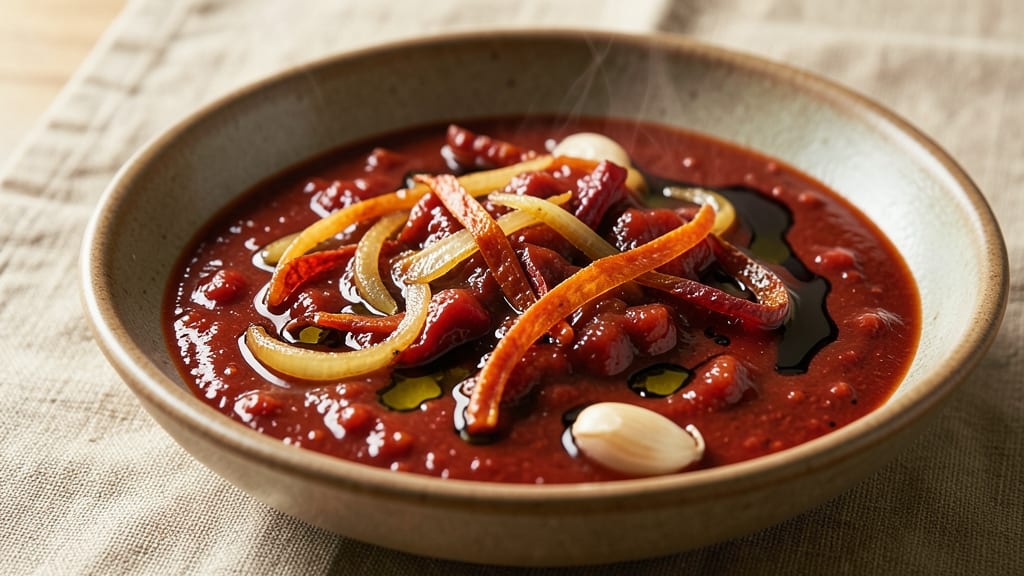
This Anthony’s spaghetti sauce recipe delivers the deep, slow-simmered flavor of classic Italian cooking—without any meat. The secret lies in caramelizing onions and garlic until they’re golden, then letting crushed tomatoes and aromatic herbs meld into a rich, velvety sauce over 90 minutes of gentle heat.
Every spoonful reveals layers of umami from sun-dried tomatoes and a touch of red wine, creating a sauce so flavorful it transforms simple pasta into a restaurant-worthy meal.
The beauty of this sauce is its versatility—use it immediately for fresh pasta or let it develop even more depth when refrigerated for 24 hours.
I’ve perfected this recipe to avoid the common pitfalls of watery sauces or overly acidic flavors, ensuring a perfect balance of sweetness, acidity, and herbal notes. The key? Low-and-slow simmering, which allows all the flavors to integrate without breaking down the tomatoes into mush.
What sets this apart is how it clings to noodles, coating each strand in a glossy, aromatic layer that’s impossible to resist. The sauce thickens naturally as it cooks, so no thickeners or starches are needed—just pure, concentrated tomato goodness.
Whether you’re serving it over spaghetti, tossing it with meatballs, or using it as a pizza topping, this sauce delivers restaurant-quality results at home.
For those who prefer a meatier version, I’ll share a simple swap in the variations section—just add ground pork or Italian sausage after the initial simmer. The base remains the same, so the flavor profile stays true to this umami-rich foundation. Let’s get simmering!
Ingredients for anthony's spaghetti sauce
Nine simple ingredients transform into restaurant-quality spaghetti sauce with just 90 minutes of patience.
| Ingredient | Amount | Notes |
|---|---|---|
| Yellow Onions 🧅 | 2 whole | Thinly sliced, about 2 cups |
| Garlic Cloves 🧄 | 6 cloves | Minced, about 2 tbsp |
| Extra-Virgin Olive Oil 🫒 | ½ cup | High quality, fruity |
| Crushed Tomatoes 🍅 | 28 oz | San Marzano preferred |
| Sun-Dried Tomatoes 🍅 | 4 oz | Oil-packed, chopped |
| Red Wine 🍷 | ½ cup | Bold, dry variety |
| Fresh Basil Leaves 🌿 | ½ cup | Chopped, stems removed |
| Fresh Oregano Leaves 🍃 | ¼ cup | Chopped, or 1 tbsp dried |
| Fresh Thyme Sprigs 🌿 | 2 whole | Leaves only, about 1 tbsp |
| Salt 🧂 | 1 ½ tsp | Diamond Crystal preferred |
| Black Pepper 🌶️ | ½ tsp | Freshly ground |
The onions and garlic are where the magic starts—caramelizing them until golden gives that deep, sweet base. Yellow onions work best here (red get too bitter), and I always grab the big ones from the grocery store's produce section—they slice thinner. The garlic should be fresh, not that pre-minced stuff in jars. For the tomatoes, San Marzano is worth the splurge—less acidic, sweeter flavor. If you can't find them, any high-quality crushed tomatoes will do, just add an extra pinch of sugar to balance the acidity. The red wine adds depth, so don't skimp on quality—whatever's open in your fridge works, but a bold Cabernet or Merlot really shines.
No sun-dried tomatoes? Dried tomatoes from a jar chopped into small pieces work in a pinch, but they won't have that same intense flavor. Fresh herbs are ideal, but dried oregano at one-third the amount gets you close if that's all you've got. The olive oil matters too—don't use the cheap stuff. California extra-virgin or Italian varieties add that fruity richness that makes this sauce sing. Want more umami? Add 1 tbsp of tomato paste with the crushed tomatoes. And if you're worried about the wine taste being too strong, just reduce it to 1/4 cup—it'll still work.
This sauce gets better as it sits. Let it cool completely, then refrigerate for at least 24 hours before using—trust me, the flavors meld into something extraordinary. It keeps for 5 days in the fridge or 3 months frozen. For freezing, portion into airtight containers and leave a little headspace since it thickens as it cools. When reheating, warm gently on the stove with a splash of water or pasta water to loosen it up. The sauce thickens naturally as it cooks, so no thickeners needed—just pure, concentrated tomato goodness.
Why You'll Love This Recipe
- No-Chop Needed: I swear by this sauce because it only asks for one knife—just dice those onions while the garlic sizzles in the olive oil. The sun-dried tomatoes? I tear them by hand (no fancy tools), and boom—rich, chewy texture without the fuss.
- Umami Bomb: That combo of crushed tomatoes and sun-dried tomatoes? It’s like a flavor explosion—sweet, tangy, and deep all at once. The olive oil finish makes it silky, but the garlic? Oh, it hits in the best way.
- Meals for Days: Make a big batch, and you’ve got Sunday dinner, Tuesday leftovers, or Friday takeout—all from the same pot. I freeze half in jars, and it tastes just as good reheated as it does fresh. (Yes, even on a Tuesday night.)
- Pantry Magic: Five ingredients, zero specialty items. If you’ve got tomatoes, garlic, and olive oil, you’re golden. Honestly, it’s my go-to when I’m broke or lazy—because sometimes, that’s when you need it most.
Step-by-step instructions for slow-simmered umami spaghetti sauce
This sauce builds flavor layer by layer—patience pays off with deep, complex taste.
Sauté Onions and Garlic Until Translucent
Heat the 0.5 cup Extra-Virgin Olive Oil in a large Dutch oven over medium-low heat. Add the 2 whole Yellow Onions (thinly sliced) and cook for 8-10 minutes, stirring occasionally, until they become soft and translucent at the edges. This slow cook prevents burning while drawing out their natural sweetness.
Push the onions to the sides of the pot and add the 6 cloves Garlic Cloves (minced). Cook for 30 seconds until fragrant—don't let the garlic brown or it'll turn bitter. Stir to combine with the onions, creating a flavorful base for the sauce. This aromatic foundation is what makes the sauce sing later.
Deglaze with Red Wine and Add Tomatoes
Pour in the 0.5 cup Red Wine, scraping up any browned bits from the bottom of the pot with a wooden spoon. This deglazing step captures all the caramelized onion and garlic flavors that would otherwise go to waste. Let the wine simmer for 3-4 minutes until it reduces by half and the alcohol cooks off.
Add the 28 oz Crushed Tomatoes and 4 oz Sun-Dried Tomatoes (chopped), stirring well to combine. Bring the mixture to a gentle simmer, then reduce heat to low. Partially cover the pot and let it cook for 20 minutes, stirring occasionally. This initial simmer helps break down the tomatoes' texture and meld their flavors with the wine and aromatics.
Build Depth with Herbs and Seasonings
Add the 2 whole Fresh Thyme Sprigs (leaves only), 0.25 cup Fresh Oregano Leaves (chopped), and 1.5 tsp Salt. Stir gently to distribute the herbs evenly. The thyme and oregano will infuse the sauce with their earthy, slightly peppery notes, while the salt enhances all the flavors as they develop.
Simmer uncovered for 30-40 minutes, stirring occasionally, until the sauce thickens slightly. You'll notice the liquid reduces and the colors deepen to a rich, rustic red. This is where the magic happens—the herbs release their oils and the tomatoes concentrate their umami. Taste and adjust seasoning with 0.5 tsp Black Pepper if needed.
Finish with Fresh Basil and Rest
Remove the pot from heat and stir in the 0.5 cup Fresh Basil Leaves (chopped). The basil adds a bright, sweet contrast to the deep, earthy flavors of the other ingredients. Let the sauce sit off the heat for 10 minutes to allow the flavors to fully meld and the basil to soften slightly.
For the best results, let the sauce rest at room temperature for at least 1 hour before serving. This resting period allows the flavors to develop even further, creating a sauce that's rich, complex, and perfectly balanced. Serve over your favorite pasta and enjoy the depth of flavor this slow-simmered sauce delivers.
Pro Tips For Making Anthony'S Spaghetti Sauce
- SWEAT THE ONIONS FIRST: I learned this the hard way—skipping the sweat step means you’ll end up with raw onion flavor lurking in your sauce. Cook the yellow onions in olive oil over medium-low heat for 8-10 minutes until they’re translucent and just starting to caramelize (yes, even if you’re impatient like me). This builds the base flavor without burning, and it’s the thing that matters most when you’re working with sun-dried tomatoes later.
- CRUSH GARLIC LIKE A PRO: Don’t just mince those cloves—give them a proper smash first. Place the peeled garlic in a small bowl, cover with the flat side of your knife, and press down firmly. This releases more flavor and prevents bitter allicin buildup. Add them to the pot when the onions are soft, and let them cook for 30 seconds before adding the tomatoes—just enough to wake up the aroma without burning.
- DON’T DUMP THE TOMATO JUICES: That liquid from crushed tomatoes isn’t just filler—it’s where the depth lives. After adding the crushed tomatoes, stir in the juices too (usually about ½ cup). Skipping this step means your sauce will be thicker but less rich. If you’re using sun-dried tomatoes, tear them by hand (not chop) and add them in the last 10 minutes—this keeps their texture plump and their flavor concentrated.
- SIMMER LOW AND SLOW: This isn’t a race. After everything’s combined, reduce the heat to the lowest setting that keeps a gentle bubble going. Let it cook uncovered for at least 45 minutes—this isn’t the prettiest method, but it’s the tastiest. The longer it simmers, the more the flavors meld, and the sun-dried tomatoes will infuse the sauce instead of just sitting as afterthoughts. (Your future self will thank you.)
Wine and beer pairings for this recipe
Red Wine Pairings
This sauce’s deep umami and bright acidity calls for a bold, dry red wine with enough body to stand up to its richness. I always reach for a Chianti Classico—its cherry notes and subtle earthiness mirror the sauce’s herbal complexity.
For something smoother, a California Zinfandel brings jammy fruit that complements the sun-dried tomatoes beautifully. 🍷
Avoid heavy, oaky wines like Chardonnay—they’ll overpower the delicate tomato and herb flavors. Instead, opt for wines with moderate tannins and acidity, like a Montepulciano d’Abruzzo or Sangiovese. Serve slightly chilled (around 60°F) to enhance the wine’s freshness against the warm sauce.
Beer Pairings
For beer lovers, a Belgian-style witbier is my go-to—its citrusy coriander and peppery notes cut through the sauce’s richness like a knife. Try Hoegaarden or Stella Artois for a lighter option, or go bold with a German Dunkelweizen for a malty contrast. 🍺
If you prefer darker beers, a Belgian Dubbel (like Westmalle Trappist) works wonders—its caramel and dark fruit notes echo the sauce’s depth. Just avoid heavy stouts or IPAs, which can clash with the tomato’s acidity. Serve beer at 45-50°F to balance the sauce’s warmth.
White Wine Surprise
Here’s a secret: a dry, crisp Vermentino from Sardinia pairs surprisingly well with this sauce. Its bright citrus and mineral notes refresh your palate between bites, especially if you’ve added extra sun-dried tomatoes. 🥂
For a lighter option, a Pinot Grigio from Alto Adige offers a clean, crisp finish that highlights the basil’s freshness. Skip the oaky whites—they’ll muddle the sauce’s vibrant flavors. Serve white wine slightly cooler than red, around 50°F, to keep it refreshing.
Non-Alcoholic Options
Don’t drink? No problem! A sparkling blood orange soda (like San Pellegrino Aranciata Rossa) mimics wine’s acidity and effervescence. For something richer, try ginger beer—its spicy kick balances the sauce’s sweetness. 🍹
Herbal iced teas, especially hibiscus or mint, also work beautifully. Brew a strong batch, chill it, and serve over ice. The tea’s tannins and floral notes complement the sauce’s herbal depth without competing for attention.
Nutrition facts
Frequently asked questions
Why does this sauce need such a long cooking time?
The 90-minute simmer is what creates that restaurant-quality depth. Slow cooking allows the onions and garlic to fully caramelize, the tomatoes to develop sweetness, and the herbs to infuse their oils without turning bitter. This method also lets the wine's alcohol cook off completely, leaving just its rich fruit flavors behind.
Can I make this sauce without red wine?
Replace the 0.5 cup red wine with 0.5 cup tomato juice or apple cider vinegar (start with 2 tbsp and adjust to taste). For extra depth, add 1 tsp balsamic vinegar. The wine adds complexity, but these alternatives work well for non-alcoholic versions or if you don't have wine on hand.
How do I prevent the sauce from getting too acidic?
If your tomatoes taste particularly tart, add 1 tsp sugar or 1 tbsp tomato paste when you combine the tomatoes. The sun-dried tomatoes also help balance acidity while adding umami. Taste as you go—if it's too acidic, a pinch of sugar or a splash of pasta water can help rebalance it.
What's the best way to thicken this sauce if it's too thin?
This sauce thickens naturally as it cools, but if you need it thicker immediately, simmer uncovered for 10-15 extra minutes to reduce the liquid. For a quick fix, stir in 1 tbsp cornstarch mixed with 2 tbsp water and simmer for 2 minutes. Never use flour—it can make the sauce taste bitter.
Can I make this sauce in a slow cooker?
Yes! Follow the same steps until adding the tomatoes, then transfer everything to a 6-quart slow cooker. Cook on low for 6-8 hours or high for 3-4 hours. The low-and-slow method actually enhances the flavors even more. Just