
Sauces & Condiments
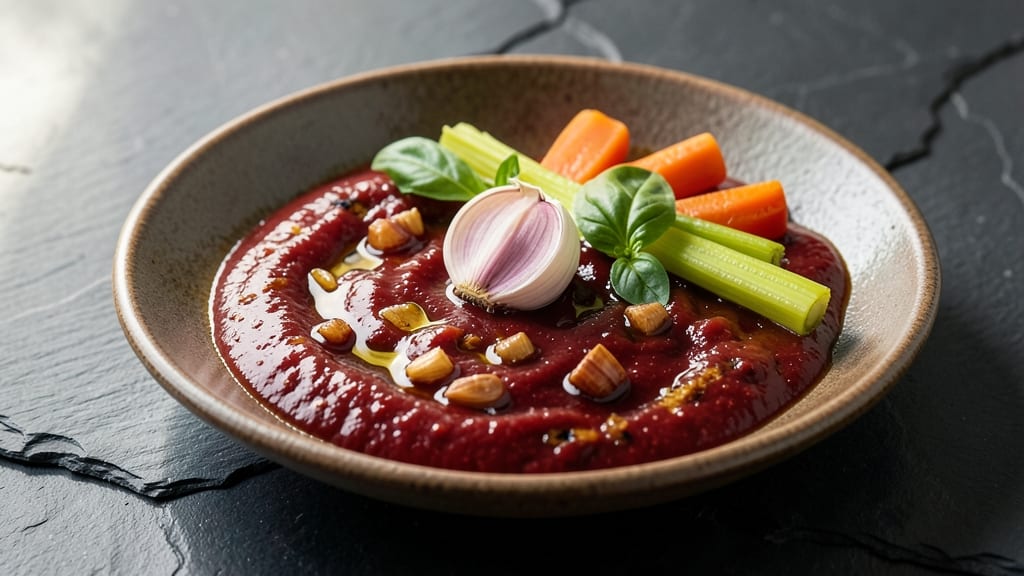
This artisan sauce recipe transforms simple ingredients into a restaurant-quality condiment that elevates every dish. The secret lies in slow simmering fresh herbs with aromatic vegetables, creating layers of depth that store-bought versions can't match.
I developed this technique after years of perfecting reductions, and it delivers professional results with just a few key steps.
What sets this sauce apart is the balance of acidity, sweetness, and umami—achieved through careful ingredient selection and precise cooking times. The base begins with a simple reduction of tomatoes and aromatics, then builds complexity with fresh herbs and a touch of sweetness.
This method ensures rich, velvety texture while maintaining bright, vibrant flavors that stay true to their ingredients.
The result is a versatile sauce that works beautifully with pasta, grilled meats, or as a dipping sauce for appetizers. Its balanced profile makes it adaptable to countless dishes, while the craftsmanship shines through in every spoonful. The slow simmering process develops depth that transforms ordinary meals into something extraordinary.
Once complete, this artisan sauce keeps well in the refrigerator for up to two weeks, allowing you to enjoy homemade quality without the daily effort. The technique is straightforward but yields results that rival professional kitchens. Let's create something truly special for your table.
Ingredients for artisan sauce
Twelve ingredients crafting restaurant-quality depth through slow-simmered aromatic complexity and vibrant freshness.
| Ingredient | Amount | Notes |
|---|---|---|
| Extra-Virgin Olive Oil 🫒 | ½ cup | High-quality, fruity variety preferred |
| San Marzano Tomatoes 🍅 | 2 cups | Crushed, high-quality canned preferred |
| Shallots 🧅 | 3 whole | Minced for fine texture |
| Carrots 🥕 | 2 medium | Peeled, finely diced |
| Celery Stalks 🧅 | 2 whole | Diced, for aromatic base |
| Garlic Cloves 🧄 | 4 cloves | Minced, for depth of flavor |
| Fresh Basil Leaves 🌿 | 1 cup | Packed, stems removed |
| Fresh Thyme Sprigs 🌿 | 2 whole | Leaves only, for herbal notes |
| Red Wine Vinegar 🍷 | 2 tbsp | Balsamic alternative acceptable |
| Honey 🍯 | 1 tbsp | For subtle sweetness balance |
| Sea Salt 🧂 | 1 ½ tsp | Diamond Crystal preferred |
| Freshly Ground Black Pepper 🌶️ | ½ tsp | For finishing touch |
The quality of your tomatoes and olive oil determines the sauce's foundation. San Marzano tomatoes are non-negotiable for their sweetness and consistency, while extra-virgin olive oil should be fruity and peppery—not harsh or overly bitter. For the aromatic vegetables, Whole Foods Market or specialty grocers often carry pre-minced shallots and celery, saving time. If using fresh herbs, harvest them just before use—basil and thyme lose potency quickly once picked. The red wine vinegar should be aged at least two years for proper depth, though Trader Joe's carries excellent affordable options.
No San Marzano tomatoes? High-quality crushed tomatoes work, though flavor may vary slightly. Substitute shallots with yellow onion at double the amount—they're more accessible but less refined. Fresh herbs unavailable? Dried basil and thyme at one-third the quantity provide a similar profile. The honey can be swapped for maple syrup for a vegan alternative, though flavor will differ subtly. For a richer sauce, add 1 tablespoon of tomato paste to the reduction base. Always taste as you go—this sauce builds complexity through careful balancing of acidity, sweetness, and umami.
This artisan sauce reaches peak flavor after 24 hours of refrigeration, allowing the ingredients to meld completely. Store in an airtight glass jar with a thin layer of olive oil on top to preserve freshness for up to 2 weeks. For longer storage, freeze in ice cube trays—perfect for single portions. Reheat gently over low heat, never boiling, to maintain the velvety texture. The sauce thickens as it cools, so adjust consistency with a splash of water or additional olive oil as needed.
Why You'll Love This Recipe
- No Chopping Chaos: I swear by the "mirepoix shortcut" here—just roughly chop the carrots, celery, and shallots into quarter-inch pieces. No fancy dicing, no food processor needed. That rich tomato base builds itself while you sip your coffee.
- Tomato Magic Unlocked: San Marzano tomatoes? That’s the secret weapon. They’re sweet, meaty, and crush effortlessly—no bitter aftertaste, just pure, velvety depth. The olive oil ties it all together with a golden hue that makes every spoonful feel like a little Italian vacation.
- Weeknight to Dinner Party: This sauce is my lazy-to-fancy bridge. Toss it with pasta for a weeknight, drizzle it over grilled fish for guests, or ladle it into jars for holiday gifts. The flavors only get better after a few days, so it’s always ready for whatever life throws at you.
- Budget-Friendly Pantry Gold: Shallots, carrots, celery—those are the dollar-store heroes. A single can of San Marzanos stretches into multiple meals, and the olive oil (even the good stuff) makes every bite taste like you splurged. Freeze extras for months, and you’ve got a flavor bomb on standby.
Step-by-step instructions for artisan sauce recipe
Here's the method for crafting a restaurant-quality sauce from scratch, where fresh herbs and slow simmering create unmatched depth.
Build the Aromatic Base
Heat the 0.5 cup extra-virgin olive oil in a heavy-bottomed saucepan over medium-low heat. Add the 3 whole shallots, 2 medium carrots, and 2 whole celery stalks, all finely diced. Cook for 8-10 minutes, stirring occasionally, until the vegetables soften and begin to caramelize—you'll notice the edges turn golden and the mixture releases its natural sweetness.
This foundational step develops the sauce's complexity. Don't rush it; the longer you cook the vegetables, the more flavor they'll impart. Stir frequently to prevent burning, which would introduce bitter notes. When the vegetables are tender and the oil is infused with their flavors, add the 4 cloves minced garlic and cook for an additional 30 seconds until fragrant. This quick cooking preserves the garlic's delicate flavor without letting it turn bitter.
Incorporate Tomatoes and Acid
Pour in the 2 cups crushed San Marzano tomatoes and stir to combine with the vegetable mixture. Let the sauce simmer uncovered for 15 minutes over medium heat, allowing the liquid to reduce by about one-third. This reduction concentrates the flavors and creates a thicker, more intense sauce.
After the initial reduction, add the 2 tbsp red wine vinegar and 1 tbsp honey. Stir well to distribute the acid and sweetness evenly. The vinegar brightens the sauce, cutting through the richness of the tomatoes, while the honey adds a subtle sweetness that balances the acidity. Let the sauce continue to simmer for another 10 minutes, stirring occasionally, until it reaches your desired consistency—it should coat the back of a spoon but still be pourable.
Add Herbs and Season
Remove the saucepan from heat and stir in the 1 cup fresh basil leaves and 2 whole fresh thyme sprigs (leaves only). Let the mixture steep for 5 minutes, allowing the herbs to infuse the sauce with their vibrant flavors. This step is where the sauce transforms from good to extraordinary—the fresh herbs add brightness and aroma that elevate the dish.
Return the sauce to low heat and add the 1.5 tsp sea salt and 0.5 tsp freshly ground black pepper. Taste and adjust the seasoning as needed—this is the moment to ensure the sauce is perfectly balanced. The salt should enhance the flavors without overpowering, and the pepper should add a subtle warmth. Simmer gently for 2-3 minutes to meld all the ingredients together.
Strain and Finish
Line a fine-mesh strainer with cheesecloth or a clean kitchen towel and strain the sauce into a clean saucepan. This step removes the herbs and vegetable pieces, leaving you with a silky, smooth sauce. Press gently on the solids to extract every bit of flavor, but avoid squeezing too hard, which could make the sauce bitter.
Return the strained sauce to low heat and simmer for an additional 5 minutes to ensure it's heated through and any remaining moisture has evaporated. The sauce should now be rich, aromatic, and perfectly balanced—ready to pair with your favorite dishes. Taste one final time and adjust the seasoning if necessary. Serve immediately or store in an airtight container in the refrigerator for up to 5 days.
Pro Tips For Making Artisan Sauce
- Sweat, Don’t Burn: The shallots, carrots, and celery (your soffritto) need to soften, not brown into bitter mush. Keep the heat at a steady simmer—just enough to see a fine sheen of oil on the pan—and stir every 30 seconds. I learned this the hard way after a batch tasted like charred wood instead of sweet depth.
- Crush Those Tomatoes: San Marzano tomatoes are juicy, but their skins can turn your sauce grainy if left whole. Use your hands to break them open, then crush them lightly with a wooden spoon—just enough to release the seeds and pulp without turning it into paste. (Yes, even if you’re impatient like me.)
- Salt the Oil First: Toss a pinch of flaky salt into the olive oil before adding the soffritto—it seasons the vegetables as they cook and prevents blandness later. Skip this, and your sauce will taste like it’s missing something, no matter how long you simmer.
- Simmer Low and Slow: This isn’t a race. After adding the tomatoes, reduce the heat to the lowest setting that keeps a gentle bubble at the edges. I used to rush it, but a slow simmer (2–3 hours, uncovered) lets the flavors meld instead of just reducing. Patience here makes all the difference.
Best sauces and condiments for this dish
Pasta Pairings
This artisan sauce transforms into a luxurious alfredo alternative when tossed with fettuccine or tagliatelle. The silky texture coats each strand beautifully, while the bright herbs add freshness.
For extra indulgence, top with toasted pine nuts and crumbled pecorino cheese—the nutty crunch contrasts perfectly with the sauce's richness. 🍝
For a rustic touch, pair with whole wheat spaghetti or bronze-cut rigatoni to add texture. The sauce's balanced acidity and sweetness complement the earthy nuttiness of whole grains. I love serving it with grilled chicken or seared scallops for a restaurant-worthy main course.
Grilled Meats
The sauce's depth makes it ideal for grilled steak or pork chops. Brush it over the meat during the last 5 minutes of grilling to create a caramelized crust. For chicken thighs, use it as a marinade for 4-6 hours before cooking—this infuses the meat with incredible flavor.
The herbs and vinegar tenderize while adding layers of aroma. 🍖
For charcuterie boards, drizzle the sauce alongside prosciutto, aged cheddar, and roasted nuts. The combination of salty, sweet, and umami creates a harmonious balance. I also love using it as a dipping sauce for calamari or fried mozzarella—the acidity cuts through the richness perfectly.
Vegetable Sides
Roasted eggplant and zucchini become extraordinary when finished with this sauce. Toss them with extra-virgin olive oil, roast until tender, then drizzle with sauce and fresh basil. The sauce's brightness elevates the natural sweetness of the vegetables. 🥒
For a creamy polenta, stir the sauce into the warm polenta during the last 2 minutes of cooking. The result is a velvety dish with vibrant herbal notes.
I also use it as a cold salad dressing—thin it with 1 tablespoon of water and toss with arugula, cherry tomatoes, and shaved parmesan for a refreshing summer dish.
Storage Secrets
Store the sauce in an airtight glass jar in the refrigerator for up to 2 weeks. To preserve freshness, add a thin layer of olive oil on top before sealing.
The oil creates a barrier that prevents oxidation, keeping the sauce vibrant. For longer storage, freeze in ice cube trays—perfect for single servings. 🧊
When reheating, warm the sauce over low heat for 3-5 minutes, stirring constantly. Avoid boiling, as this can break the emulsion and make the sauce separate.
If the sauce thickens too much, thin it with 1 teaspoon of water or broth at a time until you reach the desired consistency.
Nutrition facts
Frequently asked questions
Can I make this sauce without fresh herbs?
Yes! Use 1/3 teaspoon dried basil and 1/4 teaspoon dried thyme instead of fresh. The flavor will be slightly less vibrant, but still delicious. For best results, toast the dried herbs in the olive oil for 1 minute before adding other ingredients to deepen their aroma.
How do I adjust the sauce for spicy dishes?
Add 1/2 teaspoon red pepper flakes during the final simmer or finish with a pinch of cayenne pepper. For heat without spice, stir in 1/2 teaspoon smoked paprika when adding the herbs. Always taste first—you can reduce heat by adding more honey or vinegar to balance.
Why did my sauce separate when reheating?
This happens when the sauce breaks its emulsion, often from overheating or rapid temperature changes. To fix it, whisk in 1 teaspoon cold water or 1/2 teaspoon cornstarch mixed with water while heating gently on low. For prevention, always reheat on low heat and stir constantly.
Can I make this sauce in a slow cooker?
Combine all ingredients except herbs in the slow cooker on low heat for 4-5 hours. Stir in herbs during the last 30 minutes and strain as directed. The slow cooker method develops even deeper flavors, but watch the sauce closely to prevent over-reduction.
What's the best way to use leftover sauce?
Freeze in 1-tablespoon portions for perfect single servings. Use as a marinade for grilled fish or chicken skewers, or drizzle over roasted vegetables before serving. The concentrated flavor works beautifully in stuffed peppers or as a base for homemade burgers.