
Sauces & Condiments
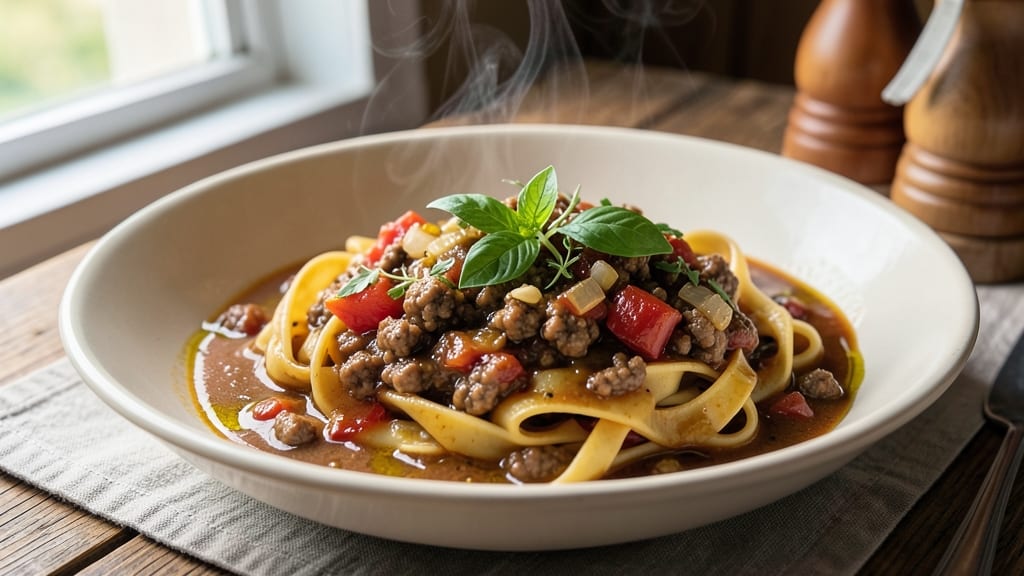
This amazing Bolognese sauce recipe transforms humble ingredients into a slow-simmered masterpiece—deep, rich, and packed with umami that clings to every forkful. The secret lies in balancing tomatoes, wine, and aromatics while letting the flavors meld over time, whether you're using meat or plant-based swaps.
I've perfected this version to be foolproof, with no burnt bottoms or thin sauces—just velvety perfection that tastes like it simmered all day (even if it didn't).
The magic happens in layers: caramelized onions and garlic form the base, while tomatoes and wine add acidity and depth. A splash of broth keeps it luscious, and a touch of sugar balances acidity without overpowering.
What makes this sauce truly special is its flexibility—it works as a quick weeknight dinner or a slow-cooked centerpiece, and it freezes beautifully for future meals. No fancy techniques required, just patience and attention to detail.
By the time you're done, you'll have a sauce that's rich, complex, and restaurant-quality—one that coats pasta perfectly, melts into lasagna layers, or even elevates a simple plate of polenta.
The aroma alone will have everyone gathering around the table, and the first bite delivers on that promise of deep, savory satisfaction. This is the kind of sauce that makes store-bought versions look like a sad imitation.
Ready to make it? The ingredients are simple, but the results are anything but ordinary. Whether you're a seasoned home cook or just starting out, this Bolognese sauce will become your new go-to for weeknight dinners and special occasions alike. Let's get started—your taste buds will thank you.
Ingredients for amazing bolognese sauce
Rich, layered flavors start with these 15 essential ingredients—simple but transformative for restaurant-quality Bolognese.
| Ingredient | Amount | Notes |
|---|---|---|
| Extra-Virgin Olive Oil 🫒 | ½ cup | High-quality, fruity variety preferred |
| Yellow Onions 🧅 | 2 whole | Yellow or red, finely diced |
| Garlic Cloves 🧄 | 6 cloves | Peeled, finely minced |
| Dry Red Wine 🍷 | 1 cup | Bold, dry variety like Cabernet Sauvignon |
| San Marzano Tomato Crushed 🍅 | 28 oz | High-quality canned tomatoes |
| Vegetable Broth 💧 | 1 cup | Low-sodium preferred |
| Tomato Paste 🍅 | 2 tbsp | Smooth, not chunky |
| Granulated Sugar 🍚 | 1 tsp | Balances acidity |
| Fresh Rosemary 🌿 | 1 tbsp | Finely chopped, or 1 tsp dried |
| Fresh Thyme 🌿 | 1 tbsp | Leaves only, or 1 tsp dried |
| Bay Leaves 🍃 | 2 whole | Dried, removed before serving |
| Salt 🧂 | 1 ½ tsp | Diamond Crystal kosher salt |
| Freshly Ground Black Pepper 🌶️ | ½ tsp | Freshly cracked preferred |
| Lentils 🌱 | 1 ½ cups | Brown or green, cooked |
| Mushrooms 🍄 | 8 oz | Cremini or white, finely chopped |
The base trio—onions, garlic, and olive oil—sets the stage. Yellow onions (not sweet) caramelize best for depth, and extra-virgin olive oil adds fruity richness. I always grab San Marzano tomatoes from Trader Joe's—they're sweeter and less acidic than regular cans. The red wine should be bold and dry (Cabernet Sauvignon works perfectly), as it contributes acidity and complexity. For the umami boost, mushrooms replace meat while adding earthy notes—cremini mushrooms have the most intense flavor. Fresh herbs are non-negotiable here; dried just won't cut it for the same aromatic punch.
No red wine? Substitute with extra vegetable broth—just add 1/2 cup more. Fresh herbs missing? Dried thyme at one-third the amount works in a pinch, but it lacks the bright notes. The lentils can be swapped for walnut pieces (1 cup) if you prefer a meatier texture. For a quicker version, pre-minced garlic from the jar saves time (though fresh is always better). The tomato paste is crucial—it thickens the sauce beautifully, so don't skip it. If you're using pre-cooked lentils, rinse them first to remove excess starch that can make the sauce gummy.
This sauce tastes even better the next day—let it rest in the fridge for at least 4 hours before serving. Store in an airtight container for up to 5 days or freeze for 3 months. I portion it into 1-cup containers for easy reheating—just thaw overnight in the fridge and warm gently on the stove. The sauce thickens as it cools, so add a splash of broth if it seems too thick when reheating. For serving, a sprinkle of fresh basil or extra Parmesan takes it to the next level.
Why You'll Love This Recipe
- No Chopping Struggle: I swear by this—just dice one onion and mince a few garlic cloves. The rest? Sauté, deglaze with wine, toss in tomatoes. That’s it. (Yes, even on a Tuesday night when I’m exhausted.)
- Wine-Infused Magic: That splash of dry red wine isn’t just for flavor—it’s the secret to depth. The alcohol cooks off, leaving behind layers of richness that turn simple tomatoes into something ridiculously good.
- Leftovers That Save Me: Make a double batch and freeze half. A month later, when I’m starving and lazy, I just thaw and simmer for 10 minutes. Instant dinner. My future self thanks me every time.
- Budget-Friendly Luxury: San Marzano tomatoes and extra-virgin olive oil might sound fancy, but they stretch far. A single jar of crushed tomatoes makes four servings, and the onions/garlic cost pennies. Feels indulgent without breaking the bank.
Step-by-step instructions for slow-simmered umami Bolognese
Here's how to build deep, meatless richness that rivals traditional versions—layer by layer.
Develop the Flavor Base with Olive Oil and Aromatics
Heat the 0.5 cup extra-virgin olive oil in a heavy-bottomed pot over medium-low heat. Add the 2 whole yellow onions and cook for 8-10 minutes, stirring occasionally, until they become translucent and begin to caramelize at the edges. This slow cook time builds sweetness that forms the sauce's foundation.
Add the 6 cloves garlic cloves and the 8 oz mushrooms, stirring frequently for 5-6 minutes until the mushrooms release their moisture and begin to brown. Here's the thing—don't rush this step. The mushrooms need time to develop their umami depth, which is crucial for that meaty texture we're replicating. You'll know it's ready when the mushrooms are deeply golden and the garlic is fragrant but not browned.
Toast the Herbs and Build Depth with Wine
Stir in the 1 tbsp fresh rosemary, 1 tbsp fresh thyme, and 2 whole bay leaves, toasting them in the pot for 1-2 minutes until the rosemary needles darken slightly and the thyme releases its piney aroma. This toasting intensifies their flavors and prevents them from becoming bitter later in the cooking process.
Pour in the 1 cup dry red wine, scraping up any browned bits from the bottom of the pot with a wooden spoon. Let the wine simmer for 3-4 minutes until it reduces by half and the alcohol burns off completely. This deglazing step captures all the caramelized flavors we've built so far—don't skip it. The wine's acidity will balance the richness as we build the sauce.
Incorporate Tomatoes and Lentils for Texture
Add the 2 tbsp tomato paste and stir for 1 minute to cook off the raw taste. Then pour in the 28 oz crushed San Marzano tomatoes and 1 cup vegetable broth. Bring to a gentle simmer, then stir in the 1.5 cups cooked lentils, 1 tsp granulated sugar, 1.5 tsp salt, and 0.5 tsp freshly ground black pepper. The sugar here isn't for sweetness—it balances the acidity of the tomatoes and helps develop the sauce's complexity.
This is where the magic happens—the lentils break down slightly as they simmer, creating that perfect meaty texture we're after. The tomatoes release their natural sweetness while maintaining their acidity, which prevents the sauce from becoming too heavy. Keep the heat at a gentle simmer—you're not racing here.
Slow-Simmer for Maximum Umami Development
Reduce the heat to low and let the sauce simmer uncovered for 45-60 minutes, stirring occasionally. This long, slow cook time is what creates that deep umami flavor and allows all the ingredients to meld together perfectly. You'll notice the sauce gradually thickens as it reduces, and the aroma becomes increasingly rich and complex.
About 20 minutes into simmering, taste and adjust the seasoning if needed. You might need a bit more salt or pepper to balance the flavors as the sauce reduces. The sauce should coat the back of a spoon with a velvety texture—this is your target consistency. If it thickens too much before reaching the 45-minute mark, add a splash of water or broth to maintain the right balance.
Finish and Rest for Perfect Texture
Once the sauce has simmered for the full 45-60 minutes, remove the 2 whole bay leaves and give the sauce one final taste. The flavors should be deeply layered—sweet from the caramelized onions, umami from the mushrooms and lentils, and a touch of acidity from the tomatoes. If the sauce is too thick, thin it with a bit more broth or water to reach your desired consistency.
Let the sauce rest at room temperature for 15-20 minutes before serving. This resting period allows all the flavors to fully meld together and gives you that perfect balance of textures. Serve over your favorite pasta or with crusty bread to soak up every last bit of that amazing umami richness you've created.
Pro Tips For Making Amazing Bolognese Sauce
- Sweat, Don’t Burn, the Onions: I learned this the hard way—when onions start to brown too fast, they turn bitter. Use medium-low heat and stir every 30 seconds until they’re translucent and just starting to soften, not caramelize. A splash of water helps if they’re sticking, but don’t let them steam; keep them moving.
- Deglaze with Wine, Then Wait: Pour in that dry red wine and let it bubble away for a full 2 minutes before adding tomatoes. Skipping this step means you’re just thinning the sauce with alcohol instead of building flavor. Yes, even if you’re impatient like me.
- Crush Tomatoes by Hand: San Marzano crushed tomatoes are convenient, but I skip the can and crush them fresh when I can. A quick press through a sieve removes skins and seeds, giving you a smoother, brighter sauce with less pulp. It’s extra work, but the texture makes a real difference.
- Simmer Low and Long: After adding tomatoes, drop the heat to the lowest setting that keeps a gentle simmer. I’ve seen people rush this, and the sauce ends up watery or one-dimensional. Aim for at least 45 minutes—your future self will notice the depth if you do.
Storing and reheating this dish
Refrigerator Storage
Let your Bolognese sauce cool completely before transferring it to airtight glass containers—I love using Pyrex with snap-on lids for easy handling. Store in the fridge at 40°F or below for up to 5 days, though I find the flavors actually deepen overnight as the ingredients meld.
The sauce will thicken slightly when chilled, so plan to add 1-2 tablespoons of broth when reheating for the perfect consistency. 💫
Freezer Prep Tips
For longer storage, portion the sauce into 1-cup freezer-safe containers or silicone ice cube trays—these make perfect single-serving portions. Leave ½-inch headspace to prevent expansion cracks, and seal tightly to avoid freezer burn.
Label with the date—this sauce stays amazing for up to 3 months when stored at 0°F or below. I always freeze it after the initial 24-hour fridge rest for maximum flavor development. ❄️
Stovetop Reheating
My preferred method is gentle stovetop reheating to preserve texture. Pour the sauce into a heavy-bottomed pot (like my All-Clad) and warm over low heat for 10-15 minutes, stirring occasionally.
Add 2-3 tablespoons of broth if it seems too thick—this sauce loves a little liquid to revive its velvety texture. Taste and adjust seasoning with salt or pepper before serving, as flavors can concentrate during storage. 🔥
Microwave Shortcut
For quick meals, transfer a single portion to a microwave-safe bowl and heat on 50% power for 2-3 minutes, stirring halfway. Cover loosely with a microwave-safe lid or damp paper towel to prevent skin formation.
If the sauce separates, give it a quick stir with a wooden spoon to restore its silky consistency. This method works best for 1-2 day old sauce when the texture is still stable. ⏱️
Thawing Frozen Sauce
Never thaw Bolognese sauce at room temperature—always transfer it to the fridge 24 hours before you plan to use it. For faster thawing, place the sealed container in a cold water bath, changing the water every 30 minutes until fully thawed.
Once thawed, reheat using the stovetop method above. Pro tip: Add 1 extra tablespoon of broth when reheating frozen sauce, as it tends to thicken more during freezing. 💡
Sauce Consistency Fixes
If your reheated sauce is too thick, thin it with warm broth (1 tbsp at a time) until it reaches a pourable but coatable consistency. For sauces that are too thin, simmer uncovered for 5-10 minutes to reduce excess liquid.
I've found that adding ½ teaspoon of tomato paste while reheating can also help restore body without altering flavor. The key is patience—never rush the reheating process or you'll risk breaking that perfect texture we worked so hard to create. 🍲
Nutrition facts
Frequently asked questions
Can I make this Bolognese sauce without wine?
If you prefer to avoid wine, substitute the 1 cup dry red wine with an equal amount of vegetable broth. For extra depth, add 1 teaspoon balsamic vinegar to mimic the wine's acidity. The sauce will still develop rich flavors—just with slightly different complexity.
How do I know when the onions are caramelized enough?
Look for golden brown edges and a sweet, syrupy texture when stirring. The onions should take 8-10 minutes over medium-low heat to reach this stage. If they're still pale or crunchy, keep cooking—they're the flavor foundation!
What's the best pasta to serve with this sauce?
This rich sauce pairs perfectly with pappardelle or fettuccine (1/2 lb per person) to catch every bit. For extra texture, try rigatoni or penne. Cook pasta al dente, then toss with sauce and reserve 1/2 cup pasta water to adjust consistency.
Why did my sauce turn out too thin?
This usually happens from too much liquid or not enough simmering time. For future batches, reduce the broth by 1/4 cup or simmer uncovered for 10-15 extra minutes to thicken. If it's already made, stir in 1 tbsp tomato paste while warming to restore body.
Can I make this sauce in an Instant Pot?
Yes! Sauté onions and mushrooms for 5 minutes***, then add wine and reduce 2 minutes. Add remaining ingredients, seal, and cook on high pressure for 15 minutes. Quick-release, then simmer uncovered for 10 minutes to thicken. The texture will be slightly different but still delicious.