
Sauces & Condiments
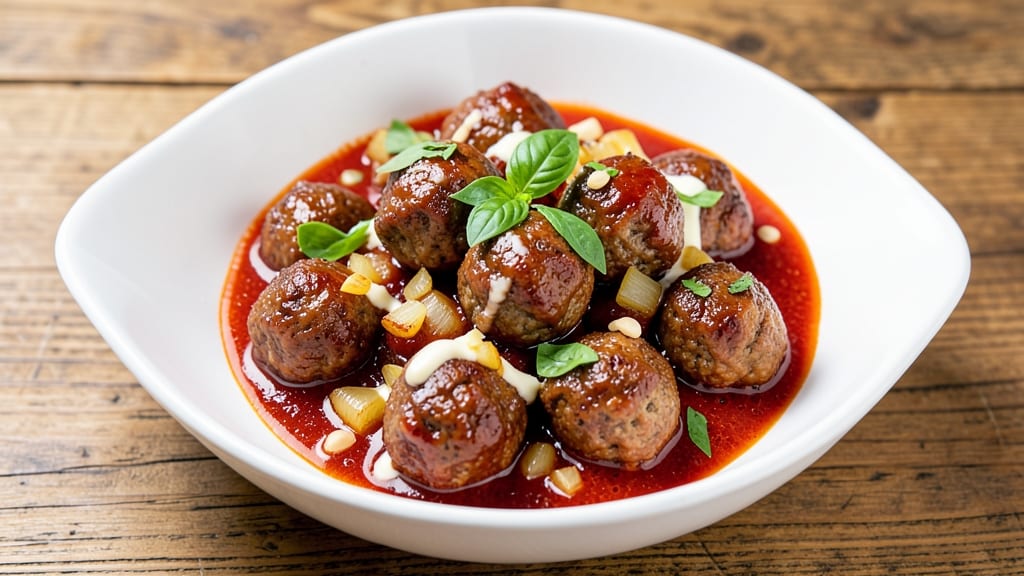
The secret to restaurant-quality baked meatball sauce lies in balancing tender meatballs with a slow-simmered tomato base that reveals hidden herb complexity. This recipe transforms simple ingredients into a dish that feels like a weeknight Italian feast—no takeout required.
The key? Baking the meatballs until perfectly golden while developing a sauce that's rich yet bright, with layers of flavor from fresh herbs and aromatic spices.
This method ensures meatballs stay juicy and flavorful, not dry or tough, while the sauce simmers just long enough to meld into a velvety, slightly sweet-tangy consistency. No need for fancy techniques—just precise timing and a few professional shortcuts that make all the difference.
The result is a dish that pairs beautifully with pasta, crusty bread, or even as a standalone meal.
What sets this recipe apart is the balance: meatballs with a crisp exterior and tender interior, paired with a sauce that's neither too thick nor too thin. The hidden herbs—like oregano and basil—infuse the sauce with depth without overpowering the natural tomato sweetness.
This is comfort food at its finest, elevated by technique without sacrificing simplicity.
Ready in under an hour, this baked meatball sauce recipe delivers a meal that feels indulgent but comes together effortlessly. The best part? Leftovers reheat beautifully, making it perfect for meal prep or feeding a crowd.
Let’s get started on creating a dish that tastes like it belongs on any Italian restaurant menu.
Ingredients for baked meatball sauce
The foundation of this restaurant-quality baked meatball sauce relies on quality ingredients and precise ratios.
| Ingredient | Amount | Notes |
|---|---|---|
| Ground Beef (80/20 Lean-to-Fat Ratio) 🥩 | 1 ½ lb | Chilled, not pre-formed |
| Yellow Onion 🧅 | 1 whole | Medium size, finely diced |
| Garlic Cloves 🧄 | 4 cloves | Fresh, minced |
| Canned San Marzano Tomatoes 🍅 | 28 oz | Whole, crushed by hand |
| Tomato Paste 🍅 | 2 tbsp | Smooth, not chunky |
| Whole Milk 🥛 | ½ cup | Full-fat for richness |
| Fresh Basil Leaves 🌿 | ¼ cup | Packed, chopped |
| Dried Oregano 🍃 | 1 tsp | Italian variety preferred |
| Ground Black Pepper 🌶️ | ½ tsp | Freshly cracked |
| Extra-Virgin Olive Oil 🫒 | 2 tbsp | Light fruity variety |
| All-Purpose Flour 🌾 | ½ cup | For breadcrumbs |
| Granulated Sugar 🍚 | 1 tsp | Balances acidity |
| Kosher Salt 🧂 | 1 ½ tsp | Diamond Crystal preferred |
| Fresh Parsley 🌿 | ⅛ cup | Finely chopped, for garnish |
| Eggs 🥚 | 1 whole | Large, beaten |
The ground beef is non-negotiable here—80/20 fat ratio ensures juicy meatballs, not dry ones. Whole Foods or local butchers often carry the best cuts; avoid pre-formed patties which contain fillers. For the tomatoes, San Marzano cans are worth the investment—their sweetness and low acidity create a balanced sauce. Fresh basil and parsley should be vibrant, not wilted; local farmers markets often have superior quality. The olive oil matters too—California extra-virgin brands like Corto or Filippo Berio elevate the dish without overpowering.
No fresh basil? Dried at one-third the amount works in a pinch, though texture suffers. Substituting beef with ground turkey (93/7 ratio) reduces fat but requires extra moisture—add 2 tbsp extra milk. For a vegetarian version, lentils or mushrooms replace beef, though texture differs. The tomato paste can be swapped for 1/4 cup tomato sauce if needed, though paste develops deeper flavor. If using pre-minced garlic, reduce to 3 cloves—fresh has more potency. The flour for breadcrumbs? Panko creates better texture than all-purpose, though regular flour works in a bind.
Meatballs can be prepped 1 day ahead and refrigerated; sauce components keep 3 days separately. Assemble the sauce 4 hours before baking to let flavors meld. Store leftovers in airtight containers for 5 days or freeze for 3 months. The sauce thickens as it cools—add 1 tbsp water when reheating if needed. For meal prep, portion into individual servings with pasta to maintain freshness.
Why You'll Love This Recipe
- Here’s what sold me: the San Marzano tomatoes. They’re sweeter, meatier, and cut through the richness of the beef like a knife. Add a spoonful of tomato paste at the start? Suddenly, you’ve got depth—no fancy reductions, just pure, unapologetic flavor that tastes like you simmered it for hours (even though it’s not).
- One-Pan Magic: I swear by this—just toss everything on a sheet pan, bake, and walk away. No boiling pots, no sticky stovetop mess, and the meatballs actually caramelize while the sauce thickens. That 80/20 beef? It renders just enough fat to make the sauce sing without you having to babysit it.
- San Marzano Secret Weapon: Here’s what sold me: the San Marzano tomatoes. They’re sweeter, meatier, and cut through the richness of the beef like a knife. Add a spoonful of tomato paste at the start? Suddenly, you’ve got depth—no fancy reductions, just pure, unapologetic flavor that tastes like you simmered it for hours (even though it’s not).
- Sunday Supper to Leftovers: Between us, this is my go-to for game days, lazy Sundays, or when I need to feed a crowd without stress. The baked meatballs hold up perfectly for lunches—just reheat and serve over pasta or toast. Honestly, I’ve had it cold the next day with crusty bread, and it’s still the star.
Step-by-step instructions for baked meatball sauce
Master this technique and you'll achieve restaurant-quality depth in your sauce.
Prepare the Meatball Mixture
In a large mixing bowl, combine the 1.5 lb ground beef (80/20) with the 1 whole finely diced yellow onion, 4 minced garlic cloves, 1 whole beaten egg, 0.5 cup all-purpose flour, 1.5 tsp kosher salt, 0.5 tsp ground black pepper, and 1 tsp dried oregano. Using your hands, gently mix until just combined—don't overwork the mixture or the meatballs will become dense.
Here's the thing—you want to handle the meat just enough to distribute the ingredients evenly without developing gluten. Form the mixture into 1.5-inch meatballs (about 12 total) and place them on a parchment-lined baking sheet. Chill in the refrigerator for 30 minutes to firm up before baking. This resting period ensures they hold their shape during cooking.
Bake the Meatballs
Preheat your oven to 375°F. Line a second baking sheet with parchment paper. In a small bowl, whisk together 2 tbsp extra-virgin olive oil with 1 tsp granulated sugar and 0.5 tsp kosher salt. Brush this mixture lightly over the chilled meatballs—this creates a caramelized crust that adds depth of flavor.
Bake the meatballs for 20-25 minutes, turning them halfway through, until they're golden brown and cooked through to an internal temperature of 160°F. Remove them from the oven and set aside. Don't skip the turning—this ensures even browning and prevents any single side from burning while the others remain undercooked.
Build the Sauce Base
In a large Dutch oven, heat 2 tbsp extra-virgin olive oil over medium heat. Add the baked meatballs and remove them to a plate, leaving all the rendered fat in the pot. This fat contains concentrated meat flavor that will infuse your sauce.
To the Dutch oven, add 2 tbsp tomato paste and cook for 2-3 minutes, stirring constantly, until it darkens slightly and becomes fragrant. This step develops the sauce's depth—don't rush it or you'll miss that caramelized flavor. Pour in the 28 oz crushed San Marzano tomatoes, scraping up any browned bits from the bottom of the pot with a wooden spoon.
Simmer with Herbs and Milk
Bring the sauce to a gentle simmer, then reduce heat to low. Stir in 0.5 cup whole milk, 0.25 cup chopped fresh basil leaves, 1 tsp dried oregano, and 0.5 tsp ground black pepper. The milk adds richness while balancing the acidity of the tomatoes—this is where the sauce transforms from ordinary to extraordinary.
Let the sauce simmer uncovered for 45-60 minutes, stirring occasionally. You're looking for a sauce that coats the back of a spoon with a velvety texture. If it gets too thick, add 1-2 tablespoons of water at a time. The longer it simmers, the more complex the flavors become—this is the magic of slow cooking.
Finish and Serve
Return the meatballs to the sauce and simmer together for an additional 10-15 minutes, allowing them to absorb the rich flavors. Stir in 0.125 cup chopped fresh parsley just before serving to brighten the dish with freshness. Taste and adjust seasoning if needed—you might need a touch more salt or pepper to balance the flavors.
Serve immediately over al dente pasta or with crusty bread to soak up every last bit of that luxurious sauce. The meatballs should be tender with a caramelized exterior, and the sauce should cling beautifully to each strand of pasta. This technique delivers professional-quality results with simple ingredients and patience.
Pro Tips For Making Baked Meatball Sauce
- BROWN THE GARLIC HARD: I learned this the hard way—when you crush whole garlic cloves into the sauce, they need to sizzle until they’re deep golden, not just soft. Three minutes on medium-high heat, stirring constantly, pulls out the sweetness and prevents that bitter aftertaste. (Yes, even if you’re impatient like me.)
- USE COLD MEATBALLS: Skip the temptation to shape them right after mixing—the beef’s fat will render too fast, making them greasy. Wet your hands, form the meatballs, then refrigerate them for 20 minutes. They’ll hold together better when you bake them, and the texture stays juicy.
- STIR THE TOMATO PASTE: This isn’t the prettiest method, but it’s the tastiest: After adding the paste to the onions, let it cook for 5 minutes without stirring. Then scrape the browned bits off the bottom—those caramelized sugars are where the flavor lives. (Your future self will thank you.)
- SIMMER THE SAUCE COVERED: The sauce might look dry after baking, but that’s just the meatballs releasing moisture. After pulling them out, reduce the heat to low, cover the pot, and let it steam for 10 minutes. The sauce will thicken naturally, and you’ll avoid that sad, watery finish.
Best sauces and condiments for these flavors
Classic Tomato Sauce
This slow-simmered tomato sauce is the heart of the dish, where San Marzano tomatoes shine with their natural sweetness. The key is balancing acidity with 1 tsp granulated sugar and richness with ½ cup whole milk.
I find simmering uncovered for 45-60 minutes develops deeper flavors through evaporation. The olive oil and tomato paste caramelize beautifully, creating a velvety texture that clings perfectly to meatballs and pasta. 🍅
Creamy White Wine Reduction
For a lighter twist, replace the milk with ½ cup dry white wine (like Pinot Grigio) and add 2 tbsp heavy cream at the end. The wine adds brightness while the cream creates a luxurious mouthfeel.
Simmer the sauce for 30 minutes instead to concentrate the flavors. Finish with 1 tbsp butter for extra richness. This version pairs beautifully with linguine pasta or creamy polenta.
Spicy Arrabbiata Style
Transform the sauce into a fiery arrabbiata by adding 1 tbsp red pepper flakes and 2 minced garlic cloves to the olive oil at the start. Use 1 cup whole tomatoes instead of crushed for a chunkier texture.
Let it simmer for 30 minutes to mellow the heat slightly. Top with fresh basil and serve with spaghetti or garlic bread. The heat cuts through the richness of the meatballs beautifully. 🌶️
Herb-Infused Olive Oil Drizzle
For a finishing touch, blend ¼ cup extra-virgin olive oil with 2 tbsp chopped fresh basil, 1 tbsp chopped parsley, 1 minced garlic clove, and a pinch of red pepper flakes. Drizzle this over the finished dish just before serving.
The oil enhances the sauce's flavors while adding a fresh, vibrant note. I love using this on grilled bread or as a dip for crusty ciabatta.
Creamy Alfredo Twist
Swap the tomato base for a white sauce made with 2 tbsp butter, 2 tbsp flour, 1 cup whole milk, and ½ cup grated Parmesan. Simmer until thickened, then add the meatballs and a splash of heavy cream.
Finish with black pepper and nutmeg. This creamy version is decadent and pairs perfectly with fettuccine or mashed potatoes.
Garnish Game-Changers
Elevate your dish with simple garnishes: Fresh basil leaves add brightness, grated Parmesan brings umami, and toasted breadcrumbs add crunch. For extra flair, try crispy prosciutto bits or pickled banana peppers.
I always keep Parmesan on a side plate so guests can add it to their liking. These finishing touches make the dish feel restaurant-quality. ✨
Nutrition facts
Frequently asked questions
Why do you bake the meatballs instead of frying them?
Baking creates a more consistent texture and prevents greasy meatballs. The oven's dry heat develops a caramelized crust while keeping the centers juicy, unlike frying which can make them dense. Plus, it's a hands-off method that lets you focus on the sauce's slow simmer.
Can I make this recipe without fresh basil?
Yes! Use 1 tablespoon dried basil instead, but add it 10 minutes before the end of simmering. For extra flavor, combine with ½ teaspoon dried marjoram**. The fresh basil's brightness is hard to replicate, but this works in a pinch.
How do I fix meatballs that fall apart when baking?
Overmixing the meatball mixture is the usual culprit. Handle the beef gently and avoid adding extra flour—just ½ cup total. Chill the meatballs for 30 minutes before baking to help them hold shape. If they still crumble, try adding 1 tablespoon breadcrumbs to the mixture next time.
What's the best pasta to serve with this?
Short pasta shapes like penne or rigatoni work perfectly—they trap the sauce beautifully. For a lighter option, try farfalle or orzo. Cook pasta al dente (1 minute less than package instructions) so it finishes cooking in the hot sauce.
Can I prepare this recipe ahead of time?
Assemble the meatballs and sauce components 1 day ahead. Refrigerate unbaked meatballs on a tray, then bake fresh when ready. The sauce can simmer 4 hours ahead—just reheat gently before adding the meatballs. For leftovers, store in airtight containers for 5 days or freeze for 3 months.