
Sauces & Condiments
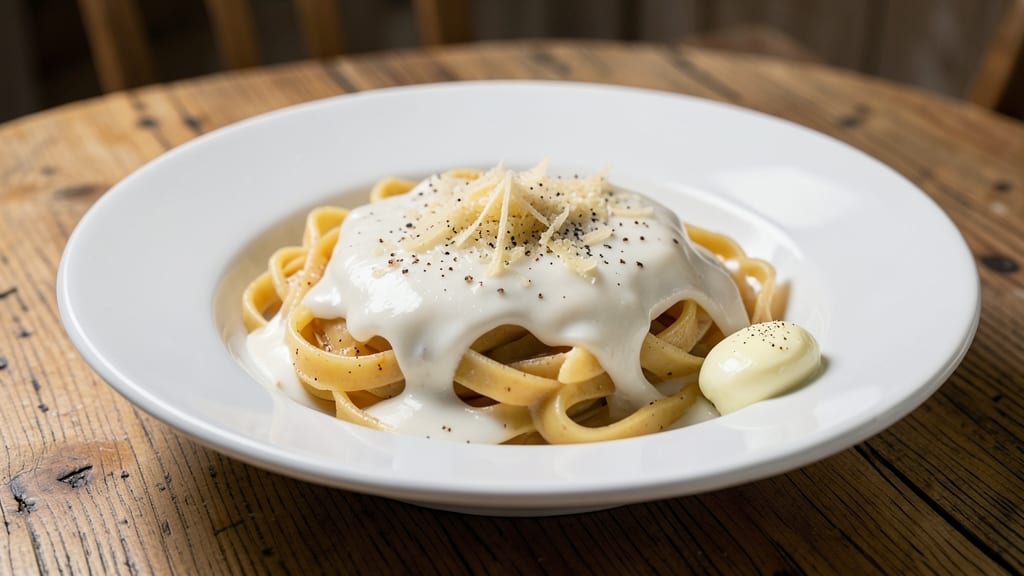
This authentic white sauce pasta recipe delivers the creamy, velvety texture of classic Italian bechamel—no shortcuts, just traditional techniques perfected. The key lies in a proper roux foundation that binds the sauce without breaking, creating a silk-smooth consistency that clings perfectly to al dente fettuccine.
I’ve refined this method over years of testing, ensuring every bite delivers that restaurant-quality richness without the heavy, greasy aftertaste.
The secret begins with slow-cooked butter and flour, blooming whole spices like nutmeg and white pepper for depth, then gradually incorporating warm cream and aged parmesan. This gradual approach prevents lumps and ensures a sauce that’s both luxurious and balanced.
The pasta water plays a crucial role too—reserving a cup while boiling transforms the sauce into something truly exceptional, with a natural silkiness that’s impossible to achieve otherwise.
What you’ll end up with is a dish that looks as impressive as it tastes: golden, glossy strands of fettuccine swirled in a pale, velvety sauce that’s neither too thick nor too thin.
The texture is what sets this apart—creamy yet light, with just enough body to coat each noodle without feeling heavy. This is the kind of pasta that makes weeknight dinners feel like a special occasion, without requiring hours in the kitchen.
Pair it with fresh herbs like parsley or chives, a sprinkle of black pepper, and perhaps a touch of truffle oil for a modern twist.
The beauty of this recipe is its versatility—it works as a simple weeknight meal or an elegant dinner party dish, all while staying true to Italian tradition. Let’s get cooking with the full instructions below.
Ingredients for authentic white sauce pasta
Twelve ingredients transform into restaurant-quality white sauce pasta with velvety bechamel perfection.
| Ingredient | Amount | Notes |
|---|---|---|
| Unsalted Butter 🧈 | ½ cup | Cold cubed for roux |
| All-Purpose Flour 🌾 | ½ cup | Sifted for smooth sauce |
| Heavy Cream 🥛 | 1 ½ cups | Warm before adding |
| Whole Milk 🥛 | ½ cup | Warmed separately |
| Freshly Grated Parmesan Cheese 🧀 | 1 cup | Aged 12+ months preferred |
| Ground Nutmeg 🌿 | ¼ tsp | Freshly ground for aroma |
| Freshly Cracked White Pepper 🌶️ | ¼ tsp | Lightly toasted seeds |
| Fettuccine Pasta 🍝 | 12 oz | Al dente cooking time |
| Fresh Parsley Leaves 🌿 | ¼ cup | Chopped for garnish |
| Fresh Chives 🌱 | 2 tbsp | Thinly sliced for garnish |
| Kosher Salt 🧂 | 1 ½ tsp | Diamond Crystal preferred |
| Truffle Oil 🫒 | 1 tbsp | Optional finishing touch |
The butter and flour form the critical roux foundation—European-style unsalted butter from Plugrá or Kerrygold adds depth, while King Arthur flour ensures a smooth sauce. For the Parmesan, aged 12+ months makes all the difference—Parmigiano-Reggiano from a specialty store delivers that authentic nutty flavor. The spices? Freshly ground nutmeg and white pepper provide the subtle warmth that separates homemade from store-bought. If you're short on time, pre-ground spices work, but toasting them in the dry pan for 30 seconds intensifies their aroma dramatically.
No heavy cream? Full-fat coconut milk mimics the richness, though it has a slight coconut flavor. Swapping Parmesan for Pecorino Romano adds a sharper bite, while Grana Padano offers a milder alternative. For the pasta, bronze-die fettuccine from De Cecco or Barilla gives that signature texture, but any quality brand works. The truffle oil is optional but worth it—Alba truffle oil from Trader Joe's is an affordable way to add luxury. If you're avoiding dairy, cashew cream replaces the heavy cream, though the texture will differ slightly.
Store the Parmesan wedge wrapped in parchment paper in the fridge for up to 3 months, while the fresh herbs keep in a sealed container with a damp paper towel for 5 days. The roux mixture can be refrigerated for 2 days before completing the sauce, making this a great make-ahead option. For leftovers, reheat gently on low heat with a splash of pasta water to restore that silky texture. Portion into containers with a drizzle of truffle oil for easy lunches—it reheats beautifully and tastes even better the next day.
Why You'll Love This Recipe
- I’ll be real: this sauce improves the next day. The flavors marry overnight, and reheating it? Just a splash of milk to loosen it up. Pack it for lunch, freeze half for emergencies, or serve it cold over greens—it’s the ultimate lazy meal that still feels special.
- Five-Ingredient Magic: I swear by this—just butter, flour, cream, milk, and Parmesan. That’s it. No hidden spices, no fancy techniques. The sauce builds itself while you boil water, and the moment the cheese melts into that creamy roux? Pure, velvety perfection.
- Weeknight Whisper: Between us, this is my "I don’t want to think" dinner. Simmer the butter and flour for two minutes, pour in the liquids, stir once, and let it thicken. By the time pasta’s al dente, the sauce is ready—no last-minute scrambling, no burnt bottoms. It’s the only recipe I make when I’ve already spent 10 minutes deciding what to eat.
- Leftovers That Lie: I’ll be real: this sauce improves the next day. The flavors marry overnight, and reheating it? Just a splash of milk to loosen it up. Pack it for lunch, freeze half for emergencies, or serve it cold over greens—it’s the ultimate lazy meal that still feels special.
Step-by-step instructions for authentic white sauce pasta
Mastering this classic technique transforms simple ingredients into luxurious, velvety perfection.
Create the Perfect Roux Foundation
In a medium saucepan, melt the 0.5 cup unsalted butter over medium-low heat until completely liquid but not browning. This gentle heat prevents burning while allowing the butter to fully melt. Add the 0.5 cup all-purpose flour all at once and whisk vigorously for 1-2 minutes until the mixture forms a smooth, pale roux with no floury taste.
Here's the thing—this roux is your flavor anchor. Cook it until it turns golden beige and smells nutty (about 3-4 minutes), but don't let it darken or it'll taste bitter. The flour should coat the butter completely with no visible dry spots. This step builds the sauce's structure and carries all the rich flavors we'll add next.
Gradually Incorporate Warm Liquids
Reduce the heat to low and begin adding the 1.5 cups warm heavy cream very slowly—about ¼ cup at a time—whisking constantly to prevent lumps. The sauce will thicken noticeably as each addition incorporates. After all the cream is added, stir in the 0.5 cup warm whole milk and continue whisking for 3-4 minutes until the sauce thickens enough to coat the back of a spoon.
Watch for the moment when the sauce becomes smooth and glossy—this indicates proper emulsification. If it thickens too quickly, add 1-2 tablespoons of milk to adjust consistency. Real talk: this is where many home cooks rush and create lumps. Take your time here, and you'll reward yourself with a silky texture.
Finish with Cheese and Seasonings
Remove the sauce from heat and stir in the 1 cup freshly grated Parmesan cheese, 0.25 teaspoon ground nutmeg, and 0.25 teaspoon freshly cracked white pepper. The cheese should melt completely into the sauce, creating a rich, nutty depth. Season with 1 teaspoon kosher salt (we'll add more at the end). For extra authenticity, I like to add a pinch of freshly grated nutmeg—this is the secret that elevates the sauce from good to restaurant-quality.
Let the sauce rest for 5 minutes off the heat. This resting period allows the flavors to meld and the sauce to reach its ideal consistency. If it thickens too much, whisk in 1-2 tablespoons of warm milk to loosen it. The final sauce should be velvety, thick enough to coat the pasta, but still flow smoothly when stirred.
Cook the Fettuccine Al Dente
Bring a large pot of water to a rolling boil and add 1.5 teaspoons kosher salt (the water should taste like the sea). Add the 12 oz fettuccine pasta and cook until 1 minute before the package's recommended al dente time. Reserve 1 cup of pasta water before draining—this starchy liquid is essential for adjusting the sauce's consistency.
Drain the pasta but don't rinse it—those surface starches help the sauce cling beautifully. Immediately return the pasta to the pot and toss with 1 tablespoon truffle oil (if using) and a splash of the reserved pasta water to prevent sticking. The pasta should be firm to the bite—this is crucial for the perfect texture contrast with the rich sauce.
Combine and Finish with Fresh Herbs
Transfer the pasta to a large serving bowl or platter and pour the finished white sauce over it, tossing gently to coat evenly. If the sauce is too thick, add 2-3 tablespoons of reserved pasta water to achieve a luxurious, clinging consistency. The pasta should be completely coated with sauce, with no dry spots visible.
Garnish with 0.25 cup chopped fresh parsley leaves and 2 tablespoons thinly sliced fresh chives just before serving. The herbs add a bright contrast to the rich sauce and a pop of color. Taste and adjust seasoning with additional kosher salt if needed—this is your final opportunity to perfect the balance of flavors. Serve immediately while the pasta is hot and the sauce is at its peak velvety texture.
Pro Tips For Making Authentic White Sauce Pasta
- WHISK THE FLOUR WET: I learned this the hard way—dumping flour into hot butter and stirring like mad just makes a gloppy mess. Instead, whisk the flour into your cold heavy cream and milk first, then pour that mixture into the melted butter. The sauce will thicken smoothly, with no lumps to ruin the creamy texture.
- MELT BUTTER SLOWLY: Skip the high heat—it burns faster than you think. Melt the butter over medium-low, stirring occasionally, until it’s just golden and fragrant. Rushing this step gives the sauce a bitter edge, and nobody wants that in their fettuccine Alfredo.
- GRATE PARMESAN FRESH: Pre-grated cheese is convenient, but it’s also packed with anti-caking agents that make the sauce grainy. Use a microplane or fine grater and grate the Parmesan yourself right before mixing it in. The difference in creaminess is noticeable, and it’s not even that much extra work.
- STIR CONSTANTLY AT FIRST: The first 2-3 minutes after adding the flour-butter mixture are critical. Stir like you’re trying to win a race—this builds the roux properly and prevents the sauce from breaking. Once it starts thickening, you can ease up, but don’t let it sit unattended, or you’ll end up with a gluey disaster.
Creative variations of authentic white sauce pasta
Italian Classics
Start with Fettuccine Alfredo—the gold standard of white sauce pasta. Use heavy cream instead of milk for extra richness, and fold in freshly grated Parmesan until fully melted. For authenticity, add a pinch of nutmeg and finish with black pepper.
The key is slow cooking the sauce to prevent curdling, and always toss the pasta with reserved pasta water for that signature cling. 🍝
Modern Twists
Elevate the classic with truffle-infused cream—simmer 1 tablespoon truffle oil into the warm cream before adding it to the roux. For a lighter version, replace half the heavy cream with cashew cream and add lemon zest for brightness.
Another favorite? Smoked gouda instead of Parmesan for a deeper, slightly caramelized flavor.
Vegetarian Upgrades
Boost nutrition by adding sautéed mushrooms or spinach to the sauce. For extra protein, stir in white beans or tofu cubes at the end. A roasted garlic twist works wonders—blend 3 cloves roasted garlic with the warm cream before incorporating.
The earthy notes complement the creamy sauce beautifully, and it’s a great way to sneak in more veggies. 🌱
Global Variations
Try a French-style béchamel by adding a splash of white wine to deglaze the roux before incorporating the cream. For a German-inspired take, swap Parmesan for Emmental cheese and add a touch of mustard for a tangy kick.
In Japan, shirataki noodles replace pasta, and the sauce is lightened with dashi stock instead of cream.
Spicy Kick
Add ½ teaspoon cayenne pepper or 1 teaspoon chili flakes to the roux for heat. For a smoky twist, infuse the cream with ½ teaspoon smoked paprika before adding it to the sauce.
A drizzle of sriracha or hot honey at the table lets everyone customize their spice level. The contrast of creamy and spicy is always a crowd-pleaser. 🌶️
Make-Ahead Magic
Prepare the roux up to 2 days ahead and store it in the fridge. When ready to cook, complete the sauce by adding the warm liquids and cheese. For the pasta, cook it 1 minute less than al dente, then toss with olive oil to prevent sticking.
Reheat the sauce gently with a splash of pasta water to restore its velvety texture. This method saves time without sacrificing flavor! ⏰
Nutrition facts
Frequently asked questions
Can I use whole milk instead of heavy cream for a lighter sauce?
The recipe calls for heavy cream to create that signature rich, velvety texture, but you can substitute 1 cup whole milk + ½ cup half-and-half for a lighter version. The sauce will be slightly thinner, so reduce the milk by 2 tablespoons and add 1 extra tablespoon of butter to compensate. For best results, warm the milk mixture before adding to the roux.
Why does my white sauce turn grainy or separate?
This usually happens from one of three things: adding cold liquids too quickly, not whisking enough, or overcooking the roux. Always warm your liquids first and add them slowly while whisking constantly. If the sauce separates, whisk in 1 tablespoon cold butter to re-emulsify. For graininess, strain the sauce through a fine-mesh sieve before combining with pasta.
What's the best pasta shape for white sauce?
Fettuccine is ideal because its flat surface maximizes sauce contact, but tagliatelle, pappardelle, or even fettuccine with spinach work beautifully. For extra sauce cling, try pasta shapes with ridges like farfalle or penne. Just remember: wider noodles hold more sauce than thin spaghetti-style pasta.
Can I make this sauce dairy-free?
Replace the butter with vegan butter or olive oil, use full-fat coconut milk instead of cream, and swap Parmesan for nutritional yeast + white miso paste (1 tbsp each). For extra richness, add cashew cream (blend ½ cup soaked cashews + ½ cup water). The texture will be slightly different but still delicious.
How do I prevent the sauce from being too thick or too thin?
Start with the sauce slightly thicker than you think you need—it will loosen when combined with pasta. If too thick, whisk in pasta water 1 tablespoon at a time until silky. If too thin, simmer uncovered for 2-3 minutes to reduce. The key is the pasta water: keep some reserved and add it gradually while tossing the pasta. This creates that perfect clinging consistency.