
Sauces & Condiments
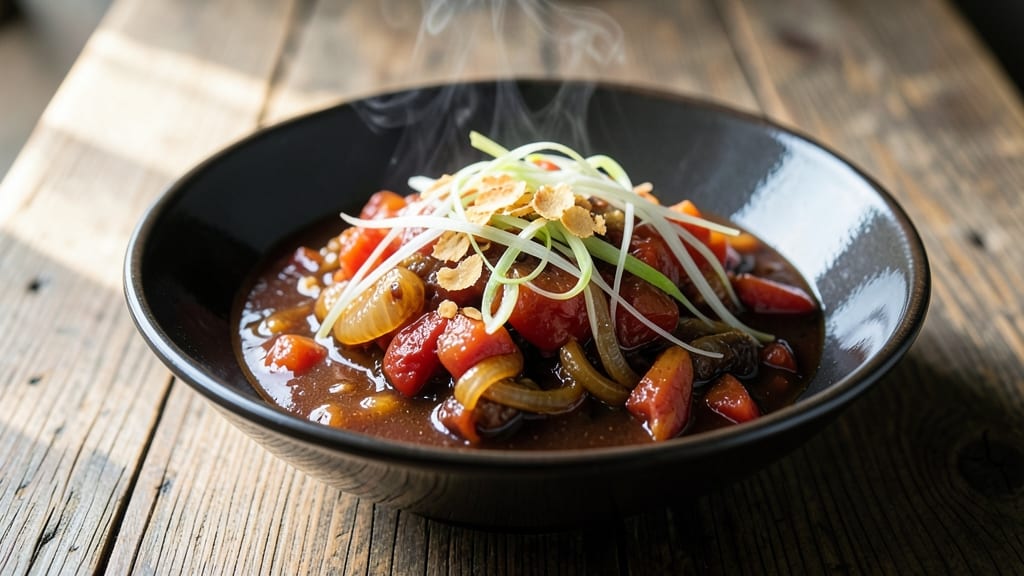
This American chop suey sauce recipe delivers the perfect balance of savory depth and bright tang that elevates any stir-fry or noodle dish. The secret lies in celery's natural umami infusion combined with a precise blend of tomatoes, soy sauce, and vinegar that creates that signature tangy-sweet profile.
Unlike store-bought versions, this homemade sauce builds flavor layer by layer through simmering, resulting in a rich, velvety consistency that clings beautifully to noodles and vegetables.
The sauce's foundation comes from a simple yet powerful combination of canned tomatoes, soy sauce, and white vinegar—each ingredient playing a crucial role in developing that classic chop suey flavor. What sets this recipe apart is the celery infusion, which adds subtle earthiness without overpowering the dish.
The sauce thickens naturally as it simmers, creating a perfect balance between clingy and pourable textures that work equally well as a stir-fry sauce or dipping sauce.
What makes this sauce truly versatile is its ability to enhance a variety of dishes while remaining true to its American chop suey roots. The subtle vinegar zing brightens the rich umami flavors, ensuring every bite is well-rounded and satisfying.
Whether you're serving it over noodles, tossing it with vegetables, or using it as a dipping sauce, this recipe delivers consistent, restaurant-quality results every time.
Best of all, the sauce keeps beautifully in the refrigerator for up to 2 weeks, making it perfect for meal prep or batch cooking. For those looking for variations, a simple swap of soy sauce for tamari makes this recipe vegetarian-friendly while maintaining its signature flavor profile.
Let's create this sauce that brings back nostalgic flavors with a modern twist.
Ingredients for american chop suey sauce
Celery, tomatoes, and soy sauce—where the magic happens for that nostalgic chop suey tang.
| Ingredient | Amount | Notes |
|---|---|---|
| Canned Celery (14 oz can) 🧅 | 1 can | Fresh celery works too, chopped |
| Canned Tomatoes (28 oz can) 🍅 | 1 can | San Marzano preferred for sweetness |
| Light Soy Sauce 🥢 | ½ cup | Kikkoman or La Choy brand |
| White Vinegar 🍶 | ¼ cup | Distilled or apple cider |
| Granulated Sugar 🍚 | 2 tbsp | Light brown sugar works too |
| Onion (Yellow or White) 🧅 | 1 whole | Medium size, chopped fine |
| Garlic Cloves 🧄 | 3 cloves | Peeled, minced fine |
| Cornstarch 🌾 | 1 tbsp | For thickening consistency |
| Cold Water 💧 | 1 tbsp | Mix with cornstarch first |
| Salt 🧂 | 1 tsp | Diamond Crystal preferred |
The celery is the unsung hero here—that canned version from the Asian aisle has the most concentrated flavor. Trader Joe's carries it, but any brand with minimal water works. If you're using fresh, chop it super fine and cook it down with the onions. The tomatoes? San Marzano is ideal, but any good-quality canned tomatoes will do. I always grab a 28-ounce can because the extra volume helps develop more depth during simmering. For the soy sauce, light Kikkoman is the classic choice, but tamari works perfectly for vegetarian versions.
No light soy sauce? Dark soy sauce at half the amount gives a deeper color, though the flavor will be slightly different. Short on vinegar? A splash of lemon juice works in a pinch, but it won't have the same tangy punch. The cornstarch slurry is key for that perfect clingy texture—mix it with cold water first to avoid lumps. If you're making this vegetarian, just swap the soy sauce for tamari. Want extra umami? Add 1 teaspoon of fish sauce (for non-vegetarian) or 1/2 teaspoon of mushroom powder for a plant-based boost.
This sauce tastes even better the next day as the flavors meld. Store it in an airtight container in the fridge for up to 2 weeks. I always make a double batch—it disappears fast on noodles, stir-fries, or even as a dipping sauce for spring rolls. Freezes beautifully too, just thaw in the fridge overnight. Pro tip: Add a splash of water when reheating to loosen it up if it thickens too much.
Why You'll Love This Recipe
- Pantry Magic Ready: I swear by this sauce because it turns my fridge into a restaurant. Open three cans, add a splash of vinegar and soy, and boom—you’ve got a jar of umami gold that tastes like someone spent hours simmering it. (Between us, it’s the canned celery that makes it sing.)
- Sweet-Savory Balance: That sugar-vinegar combo cuts through the richness of the tomatoes, giving it this addictive tang-sweet punch. It’s not too heavy, not too sharp—just the kind of sauce that makes you pour it on everything without guilt.
- Leftover Hero: This sauce doesn’t just survive reheating—it improves. Stored in the fridge, it thickens up overnight into something even richer. I’ve served it cold on sandwiches, reheated over noodles, and even drizzled it on eggs. It’s the ultimate lazy-day upgrade.
- Budget-Friendly Workhorse: For under $5, you get enough sauce to feed a family of four twice—or one very hungry college student for a week. No fancy ingredients, no waste, and it’s the kind of recipe that makes you feel like you’re cooking a gourmet meal without the grocery bill.
Step-by-step instructions for American chop suey sauce
This celery-infused sauce delivers bold umami flavor with a perfect balance of tangy brightness.
Sauté Aromatics Until Fragrant
Heat a large saucepan over medium heat and add the 1 whole onion (yellow or white), chopped fine. Cook for 5-6 minutes until the onion becomes translucent and begins to soften. You'll notice the edges start to caramelize slightly—that's your signal to add the 3 cloves garlic cloves, minced fine.
Cook the garlic for another 30-60 seconds until fragrant but not browned. The garlic should smell pungent and inviting, not burnt. This foundational step builds the sauce's flavor base, so don't rush it. If you see the garlic starting to darken too quickly, reduce the heat slightly to medium-low.
Build the Sauce Base with Celery and Tomatoes
Add the contents of the 1 can canned celery (14 oz) and the 1 can canned tomatoes (28 oz) to the saucepan. Stir well to combine all ingredients. Bring the mixture to a gentle boil over medium-high heat, then reduce the heat to medium-low and let it simmer for 15 minutes.
During this time, you'll see the celery and tomatoes break down and meld together. The sauce should thicken slightly and develop a rich, deep color. Stir occasionally to prevent sticking at the bottom of the pan. This simmering process allows all the flavors to marry and develop that classic chop suey taste.
Add Seasonings and Sweeteners
Increase the heat to medium-high and add the 0.5 cup light soy sauce, 0.25 cup white vinegar, 2 tbsp granulated sugar, and 1 tsp salt. Stir well to incorporate all the seasonings. The vinegar will provide a bright, tangy note that balances the rich umami flavors.
Let the mixture simmer for another 10 minutes until it thickens to your desired consistency. You'll notice the sauce becomes glossy and coats the back of a spoon. Taste and adjust seasonings if needed—you might want to add a bit more sugar for sweetness or soy sauce for saltiness. The sauce should be well-balanced with a perfect harmony of sweet, salty, and tangy flavors.
Thicken the Sauce Perfectly
In a small bowl, whisk together the 1 tbsp cornstarch and 1 tbsp cold water until smooth. This slurry is your thickening agent. Return the sauce to a gentle simmer over medium heat and slowly pour in the cornstarch mixture while stirring constantly.
Continue stirring for 2-3 minutes until the sauce thickens to a glossy, spoonable consistency. It should coat the back of a spoon and hold its shape when drizzled. Be patient during this step—over-stirring can create lumps, so stir gently but consistently. The sauce should be thick enough to cling to noodles or vegetables but still have a smooth, velvety texture.
Simmer and Serve
Reduce the heat to low and let the sauce simmer for another 5 minutes to allow all the flavors to meld together. The sauce should be hot and ready to serve. If you're not using it immediately, you can transfer it to a clean jar and refrigerate for up to 5 days or freeze for up to 3 months.
This versatile sauce pairs perfectly with stir-fried vegetables, noodles, or even as a dipping sauce. The celery adds a subtle earthiness, while the vinegar provides a refreshing tang that cuts through the richness. Serve warm and enjoy the rich, umami-packed flavor that makes this American classic so beloved!
Pro Tips For Making American Chop Suey Sauce
- Simmer Slow and Steady: This sauce isn’t a race—after dumping everything in, let it bubble gently for at least 15 minutes. I used to rush it and end up with a thin, vinegary mess. Low heat keeps the celery and tomatoes from breaking down into mush while letting the flavors meld properly.
- Drain and Rinse Celery: Open that can of celery, drain it thoroughly, then rinse it under cold water. The brine in canned celery adds unnecessary salt and water to your sauce. Trust me, your taste buds will notice the difference.
- Balance the Vinegar: Start with half the white vinegar called for, taste, then add the rest. Too much and your sauce turns harsh; too little and it lacks that classic tang. I learned this after making a batch so sour my roommate walked out.
- Sweeten Gradually: Add sugar in two batches—first after 10 minutes, then again at the end. This lets you adjust for the tomatoes’ natural sweetness. Skip this, and you might end up with a cloyingly sweet glaze instead of a balanced sauce.
Make-ahead tips for american chop suey sauce
Batch Prep Strategy
Make a double batch—this sauce keeps beautifully for 2 weeks in the fridge. I always prepare 2 cans of tomatoes and 2 cans of celery at once, then divide into two 16-ounce glass jars.
The extra sauce is perfect for meal prep: toss it with pre-cooked noodles or store it for quick stir-fry nights. 💛
Freezer-Friendly Tips
For long-term storage, freeze in 1-cup portions using silicone ice cube trays. Once frozen, transfer cubes to a ziplock freezer bag and flatten to save space. Thaw overnight in the fridge—just add 1-2 tablespoons water when reheating to restore that perfect consistency.
I've kept this sauce frozen for 3 months without flavor loss.
Sauce Consistency Hacks
If your sauce thickens too much after refrigeration, simply add 1-2 tablespoons water and reheat gently. For extra clinginess, add ½ teaspoon xanthan gum to the original recipe—it creates a silky texture without altering flavor.
I've found this works especially well when using the sauce for dipping spring rolls or coating egg rolls.
Vegetarian Adaptation
Swap light soy sauce for tamari to make this vegetarian-friendly while keeping the same rich umami. For extra depth, add 1 teaspoon mushroom powder or ½ teaspoon nutritional yeast to the simmering sauce. The flavor develops just as beautifully, making it perfect for plant-based stir-fries or noodle dishes.
Flavor Boost Shortcuts
Need quick umami? Add 1 teaspoon fish sauce (non-vegetarian) or ½ teaspoon soy sauce concentrate during the final simmer. For a smoky twist, stir in ¼ teaspoon smoked paprika with the vinegar. These small additions elevate the sauce without changing the core recipe—just adjust to taste after simmering.
Reheating Perfection
Use a microwave-safe bowl and heat for 1-2 minutes on medium power, stirring halfway. For stovetop reheating, warm over low heat with 1 tablespoon water to prevent scorching.
I always give it a taste after reheating—sometimes it needs a pinch of salt or a splash of vinegar to refresh the tang. 🔥
Nutrition facts
Frequently asked questions
Why does this sauce use canned celery instead of fresh?
The canned celery delivers a more concentrated flavor that builds the sauce's signature umami depth. Fresh celery works too, but you'd need to chop it extremely fine and cook it down longer to match the intensity. The canned version also eliminates prep time while keeping that essential earthy note.
Can I make this sauce without vinegar?
You can substitute with lemon juice or rice vinegar, but the tang will be milder. The vinegar's acidity is key to balancing the rich soy and tomato flavors. For a smoother version, try 1/4 cup apple cider vinegar instead—it adds subtle sweetness while maintaining the tang.
How do I adjust the thickness for different uses?
For stir-fries, use the sauce as-is for clinginess. For dipping, thin with 1-2 tablespoons water until pourable. If too thick after refrigeration, reheat with 1 tablespoon water and stir until smooth. For extra silkiness, add 1/4 teaspoon xanthan gum to the original recipe.
What's the best way to store leftovers?
Transfer to an airtight container and refrigerate for up to 2 weeks. For longer storage, freeze in 1-cup portions using ice cube trays. Thaw overnight in the fridge—never microwave directly from frozen. Add 1 tablespoon water when reheating to restore consistency.
Can I use this sauce in other dishes besides stir-fry?
It works beautifully as a dipping sauce for egg rolls or spring rolls, a glaze for baked chicken, or even a marinade for tofu. Try it in ramen or pho for an American twist. The celery-tomato base adds depth to any dish where you need that classic umami-sweet balance.