
Sauces & Condiments
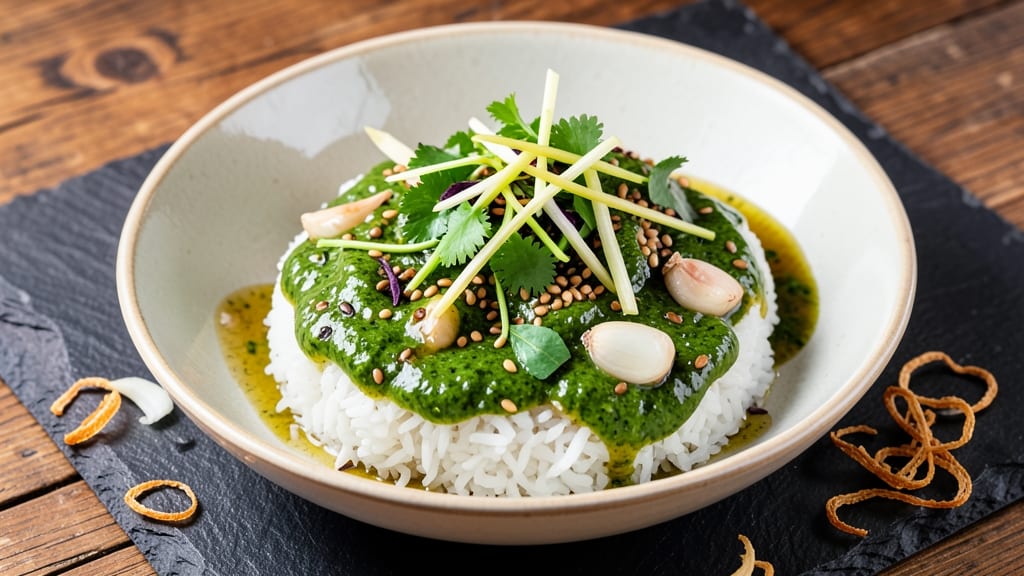
This Asian chimichurri sauce transforms ordinary dishes into vibrant, herb-forward masterpieces with just a few simple ingredients. The secret lies in balancing fresh cilantro and Thai basil with a tangy rice vinegar base, elevated by toasted sesame oil and a touch of ginger for depth.
Unlike traditional chimichurri, this version embraces Asian flavors while maintaining that signature bright, herby punch.
What sets this sauce apart is its versatility—use it as a marinade for grilled meats, a dipping sauce for spring rolls, or a finishing drizzle over noodle bowls. The herb-infused oil base ensures every drop delivers maximum flavor, while the vinegar adds that essential tang that cuts through richness.
It's the kind of sauce that turns a simple meal into something extraordinary with minimal effort.
Preparation is straightforward: finely chop the herbs, combine with vinegar, oil, and aromatics, then let it sit for 15 minutes to allow flavors to meld. The result is a bright, aromatic sauce that's fresh enough for summer salads but bold enough for hearty winter dishes.
Whether you're cooking for two or feeding a crowd, this sauce delivers restaurant-quality flavor at home.
The beauty of this recipe is its adaptability—swap in different herbs like mint or lemongrass, or adjust the vinegar-to-oil ratio to suit your taste. It keeps well in the fridge for up to 5 days, making it perfect for meal prep. Let's bring that Asian-inspired zing to your table.
Ingredients for asian chimichurri sauce
Bright herbs, aromatic oils, and tangy vinegar create this vibrant Asian chimichurri sauce.
| Ingredient | Amount | Notes |
|---|---|---|
| Fresh Cilantro Leaves 🌿 | 1 cup | Packed, stems removed |
| Thai Basil Leaves 🌿 | ½ cup | Packed, stems removed |
| Rice Vinegar 🍶 | ¼ cup | Unseasoned, mild acidity |
| Toasted Sesame Oil 🫒 | ½ cup | High-quality, nutty aroma |
| Fresh Ginger 🧄 | 1 tbsp | Finely grated, aromatic |
| Garlic Cloves 🧄 | 4 cloves | Minced, fresh for potency |
| Sesame Seeds 🌾 | 1 tbsp | Toasted for crunch and flavor |
| Red Chili Flakes 🌶️ | ½ tsp | Adjust for heat preference |
| Sea Salt 🧂 | ½ tsp | Diamond Crystal preferred |
| Honey 🍯 | 1 tsp | For subtle sweetness balance |
The fresh herbs are non-negotiable for authentic flavor. Thai basil adds that signature anise note, while cilantro brings bright citrusy freshness—both should be packed and vibrant, not wilted. For Thai basil, Asian markets often carry the freshest varieties, but regular grocery stores usually stock it too. If you can't find Thai basil, regular basil with a pinch of cinnamon works in a pinch. Toast your sesame seeds in a dry pan for 1-2 minutes until golden—this amplifies their nutty aroma significantly. The ginger should be freshly grated, not pre-minced from a jar, as it loses potency quickly.
No toasted sesame oil? Light olive oil with a teaspoon of sesame seeds mimics the flavor profile, though it won't have the same depth. Substituting rice vinegar for apple cider vinegar changes the flavor profile slightly but still delivers tang. For a sweeter touch, maple syrup can replace honey in a 1:1 ratio. The chili flakes are optional but recommended—they add just enough heat to complement the herbs without overpowering. If you're sensitive to spice, reduce to a pinch or omit entirely. The garlic can be pre-minced from a jar if needed, though fresh is always preferred for maximum flavor.
This sauce keeps beautifully in an airtight container in the fridge for 5 days, with flavors actually deepening over time. For longer storage, transfer to a sterilized glass jar and freeze for up to 3 months. The oil base separates slightly when refrigerated—just give it a good stir before using. It's perfect for meal prep: make a double batch and use it as a marinade for grilled proteins, a dipping sauce for spring rolls, or a finishing drizzle over noodle bowls. The sauce also makes an excellent gift—just package it in small jars with a ribbon.
Why You'll Love This Recipe
- No-Chop Necessary: Honestly, I just pile in the cilantro and Thai basil stems-and-all—no fancy knife work. The blender does all the heavy lifting while I sip my tea, and the sauce comes out vibrant and bright anyway.
- Bright, Tangy Magic: That zing from rice vinegar and fresh ginger? It’s the kind of flavor that makes you pause mid-bite. The toasted sesame oil adds this nutty warmth that ties everything together—like a little umami hug.
- Meal Prep MVP: I make a big batch on Sundays and keep it in the fridge for stir-fries, grilled fish, or even drizzled over cold noodles. It stays fresh for days, and honestly? That’s my secret to effortless weeknight dinners.
- Budget-Friendly Flex: Fresh herbs and ginger might sound fancy, but they stretch so far—this sauce costs pennies per serving. Plus, the leftovers? I freeze them in ice cube trays for quick flavor boosts later. Smart, simple, and satisfying.
Step-by-step instructions for Asian chimichurri sauce
Here's how to craft this vibrant, herb-forward sauce with perfect balance.
Toast the Sesame Seeds for Depth of Flavor
In a dry skillet over medium heat, toast the 1 tablespoon sesame seeds for 2-3 minutes until they turn a rich golden brown and release their nutty aroma. Stir constantly to prevent burning—you're looking for a toasted, almost popcorn-like fragrance that signals they're ready. Let them cool completely before using, as their warmth will help infuse the oil later.
This step is crucial for developing the sauce's complex flavor profile. The toasted seeds add both texture and aromatic depth that raw seeds simply can't match. I like to work in batches if needed, but 1 tablespoon toasts quickly when stirred frequently. Once cooled, set them aside—they'll become the crunchy backbone of your chimichurri.
Pulse the Herb and Aromatic Base
In a food processor fitted with the metal blade, combine the 1 cup fresh cilantro leaves and 0.5 cup Thai basil leaves. Pulse 5-6 times until you achieve a finely chopped consistency—think somewhere between a rough chop and a paste, with no large stems remaining. The herbs should look like confetti rather than whole leaves.
Next, add the 4 cloves garlic cloves and 1 tablespoon fresh ginger. Pulse again 3-4 times until the garlic and ginger are completely minced but the herbs remain in that fine, confetti-like texture. The goal is to break down the aromatics enough to release their oils while preserving the herbs' vibrant color and texture. If using a mortar and pestle instead, this would take 5-7 minutes of vigorous pounding.
Build the Sauce Foundation with Vinegar and Honey
With the food processor running, slowly drizzle in the 0.25 cup rice vinegar through the feed tube. This gradual addition prevents the mixture from becoming too wet immediately. Continue processing while adding the 1 teaspoon honey and 0.5 teaspoon sea salt, processing just until fully combined—about 10-15 seconds total.
The vinegar and honey create the perfect balance: the acidity brightens the herbs while the honey rounds out the sharpness. At this stage, your mixture should look like a thick, vibrant green paste with a glossy sheen from the vinegar. Taste it now—it should be tangy, slightly sweet, and herbaceous, but still need the oil to come together. If it tastes too acidic, add a pinch more honey; if it needs more brightness, add a splash more vinegar.
Emulsify with Toasted Sesame Oil
With the processor running on low speed, very slowly drizzle in the 0.5 cup toasted sesame oil through the feed tube. This gradual addition is key—adding it all at once will create a greasy paste rather than a silky emulsion. Process for another 30-45 seconds until the sauce is completely smooth and glossy, with no visible streaks of oil.
Scrape down the sides of the bowl with a rubber spatula to ensure even distribution. The sauce should now coat the back of a spoon and have a velvety texture. If it's still too thick, add 1-2 teaspoons water at a time until it reaches a pourable consistency that still clings to the back of a spoon. The final texture should be somewhere between a thick sauce and a loose dressing—just right for drizzling.
Finish with Chili Flakes and Rest
Transfer the sauce to a bowl and stir in the 0.5 teaspoon red chili flakes and the toasted sesame seeds. The chili flakes add subtle heat that lingers on the palate, while the seeds contribute both texture and aromatic depth. Let the sauce rest at room temperature for 15-20 minutes—this allows all the flavors to meld together beautifully.
After resting, give it one final taste and adjust seasoning if needed. The sauce should be vibrant green with flecks of red from the chili and tiny black specks from the sesame seeds. It should have a perfect balance of tangy, sweet, herby, and slightly spicy flavors with a luxurious mouthfeel from the sesame oil. Store any leftovers in an airtight container in the refrigerator for up to 5 days, though it's best used within 3 days for maximum freshness.
Pro Tips For Making Asian Chimichurri Sauce
- STACK THE HERBS: Use a mortar and pestle for the cilantro and Thai basil—it releases more oils and aromas than chopping. I learned this the hard way after blending everything and getting a flat, watery sauce instead of something vibrant.
- TOAST THE GINGER: Lightly char the fresh ginger slices in a dry pan for 30 seconds per side before grating—it deepens the flavor and cuts the sharpness. Sounds weird, but it works: the caramelized bits add a smoky note that blends perfectly with the sesame oil.
- DILUTE THE VINEGAR: Add the rice vinegar gradually, tasting as you go—start with 1 tablespoon, then adjust. I used to dump it all in at once and ended up with something too sour to balance the herbs.
- SALT THE SESAME OIL: Toss in a pinch of salt (about ¼ teaspoon) with the toasted sesame oil before mixing—it rounds out the heat and makes the sauce taste more cohesive. Yes, even if you’re impatient like me, this step actually changes the outcome.
Make-ahead tips for leftovers
Prep Ahead for Freshness
Chop all your herbs—cilantro and Thai basil—and store them in a sealed container with a damp paper towel in the fridge for up to 2 days.
This keeps them vibrant and prevents wilting, which is crucial for that bright, fresh flavor. I like to prep these first since they're the most perishable components. 🌿
Double Batch for Meal Prep
Make a double batch (using 2 cups cilantro and 1 cup Thai basil) and store it in glass jars with tight lids. The sauce actually improves when flavors meld over 24 hours, making it perfect for prepping ahead.
I use this as a marinade for grilled chicken or a drizzle for rice bowls all week. The sesame oil keeps it from separating too much, even after refrigeration.
Freezing for Long-Term Use
For storage beyond 5 days, freeze the sauce in ice cube trays—each cube makes a perfect single serving. Once frozen, transfer cubes to a ziplock bag and flatten to save space.
Thaw overnight in the fridge before using. The texture remains smooth, though the herbs may soften slightly. I find this works best for sauces I won’t use within a week. ❄️
Reviving Stored Sauce
If your refrigerated sauce thickens or separates, simply whisk in 1-2 teaspoons water or rice vinegar to restore consistency. The flavors stay vibrant, but the texture becomes slightly thinner.
For extra freshness, stir in 1 teaspoon fresh ginger or garlic before using. This trick works especially well if you’ve prepped it a few days ahead.
Portion Control for Convenience
Divide the sauce into small jars (like 4-ounce mason jars) for easy grab-and-go use. These portions are perfect for dipping spring rolls, tossing with noodles, or drizzling over grilled proteins.
Label each jar with the date—this helps track freshness and prevents waste. I keep one jar in my fridge at all times for quick flavor boosts. 💡
Nutrition facts
Frequently asked questions
Can I make this sauce without a food processor?
You can achieve the same texture by finely chopping 1 cup cilantro and 0.5 cup Thai basil with a sharp knife, then mincing the 4 garlic cloves and 1 tbsp ginger separately. Combine everything in a bowl, then use a mortar and pestle to grind the herbs and aromatics into a paste. Add the vinegar, honey, and salt first, then slowly drizzle in the sesame oil while stirring vigorously. The texture will be slightly chunkier but still delicious.
What are the best dishes to use this sauce with?
This versatile sauce works beautifully with grilled or pan-seared meats like chicken thighs, salmon, or tofu. It's also perfect for noodle bowls, spring rolls, or as a dipping sauce for fresh veggies. Try it as a finishing drizzle over ramen or pho, or mix it into peanut sauce for extra depth. The bright herbs cut through rich flavors beautifully.
Why does my sauce separate after refrigerating?
This is normal—the sesame oil naturally rises to the top when chilled. Simply give it a good stir before using, or whisk in 1 tsp rice vinegar or water to restore the emulsion. For extra insurance, store it in a tightly sealed jar and stir before each use. The flavors remain vibrant, even if the texture temporarily separates.
Can I adjust the heat level?
Yes! For milder heat, reduce the 0.5 tsp chili flakes to just a pinch, or omit them entirely. For extra spice, add 1-2 tsp gochujang or 1 tsp sriracha when stirring in the final ingredients. The sauce's bright flavors will complement either approach. Always taste before serving to achieve your preferred balance.
What if I can't find Thai basil?
No problem! Substitute with regular basil plus 1/4 tsp ground cinnamon for similar anise notes, or use mint for a different but still fresh flavor profile. If you prefer a more traditional chimichurri, swap the Thai basil for flat-leaf parsley while keeping the cilantro. The sauce will still taste amazing with these adjustments.