
Sauces & Condiments
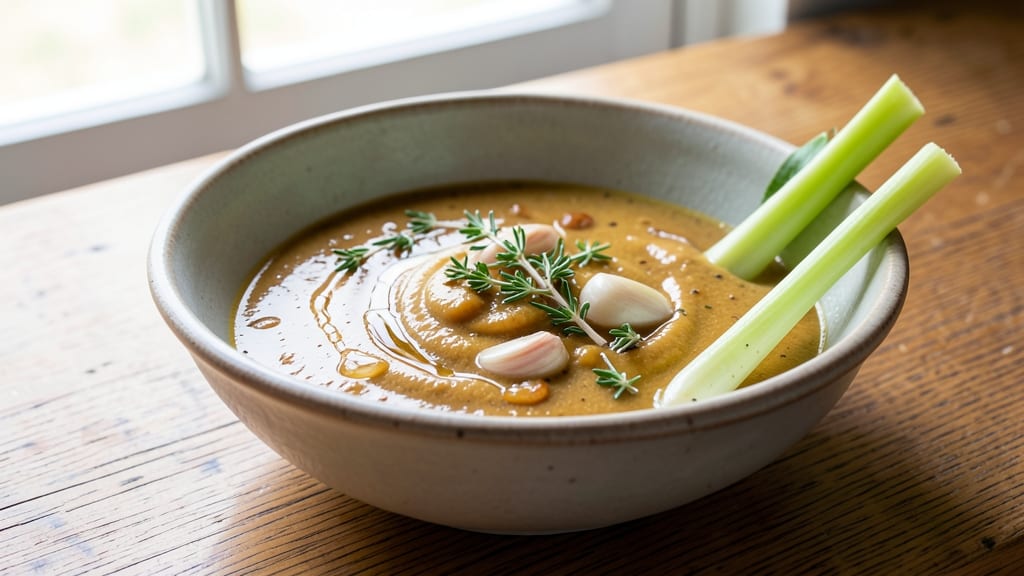
This Ballymaloe sauce recipe transforms simple ingredients into a velvety, aromatic masterpiece that elevates any dish. Born in Ireland’s legendary Ballymaloe House, its secret lies in balancing rich cream with bright vinegar and fresh herbs—a harmony that turns ordinary meals into something extraordinary.
The sauce’s creamy texture and subtle tang make it a must-have for seafood, roasted vegetables, or grilled meats, delivering restaurant-quality flavor at home.
The foundation of this sauce is a delicate balance: celery, garlic, and shallots form the aromatic base, while heavy cream and vinegar create its signature richness and zing. Simmering gently ensures the flavors meld without breaking the sauce, and a final touch of fresh herbs adds brightness.
What sets this recipe apart is its versatility—use it as a drizzle, a dip, or a base for soups, proving that a few pantry staples can deliver restaurant-worthy results.
What makes this sauce truly special is how it transforms ordinary dishes into something refined. The hidden vinegar adds depth without overpowering, while the cream creates a luxurious mouthfeel.
Whether you’re serving it over buttery scallops, drizzling it on roasted potatoes, or using it as a dip for crudités, this sauce delivers consistent, professional-quality flavor. The best part? It keeps beautifully in the refrigerator, ready to enhance your next meal with minimal effort.
For those seeking adaptability, a dairy-free version is possible by substituting coconut cream, though the texture will differ slightly. The key to success lies in patience—allowing the sauce to simmer gently ensures a smooth, velvety finish.
Once mastered, this recipe will become a staple in your culinary repertoire, offering a taste of Irish elegance with every use.
Ingredients for ballymaloe sauce
Ten ingredients blend to create this legendary Irish sauce's velvety elegance and subtle tang.
| Ingredient | Amount | Notes |
|---|---|---|
| Heavy Cream 🥛 | 1 cup | Full-fat for optimal richness |
| White Wine Vinegar 🍷 | ½ cup | High-quality for balanced acidity |
| Celery Stalk 🧅 | 1 whole | Finely chopped, fresh preferred |
| Shallots 🧅 | 2 whole | Mince finely for aromatic depth |
| Garlic Cloves 🧄 | 2 cloves | Minced, fresh preferred |
| Fresh Thyme Leaves 🌿 | ¼ cup | Finely chopped, stems removed |
| Fresh Parsley Leaves 🌿 | 0.15 cup | Chopped, for vibrant finish |
| Unsalted Butter 🧈 | 2 tbsp | European-style preferred |
| Diamond Crystal Kosher Salt 🧂 | ½ tsp | Adjust to taste |
| Ground Black Pepper 🌶️ | ¼ tsp | Freshly ground for best flavor |
The heavy cream and white wine vinegar form the sauce's signature harmony—look for full-fat cream at specialty stores like Whole Foods or Williams Sonoma for optimal richness. For vinegar, Bragg or Heinz are reliable choices, but a fancy French vinegar from Costco elevates the sauce further. Fresh herbs are non-negotiable here; Trader Joe's often carries vibrant thyme and parsley at reasonable prices. The celery and shallots should be bright and crisp—avoid wilted produce, which dulls the aromatic base. For the butter, European-style (like Plugrá) melts more smoothly than American brands, creating a silkier sauce texture.
No heavy cream? Full-fat coconut cream works in a pinch, though the texture will be slightly lighter. Substitute apple cider vinegar for white wine vinegar if needed, though the flavor profile will differ subtly. Fresh herbs unavailable? Dried thyme and parsley can be used at one-third the amount, but fresh is ideal. The butter can be omitted entirely if avoiding dairy, though the sauce will lack its signature velvety mouthfeel. For a vegetable-based alternative, olive oil can replace half the butter, though the sauce will be less rich. Always taste as you go—the vinegar adds depth without overpowering, but adjust to your preference.
This sauce keeps beautifully in an airtight container in the refrigerator for up to 5 days, though it often disappears faster. For longer storage, freeze in ice cube trays—thaw and whisk back to original consistency. The sauce thickens as it cools, so rewarm gently before use. A splash of warm water can restore its original texture if it becomes too thick. Portion into small containers for easy use on seafood, roasted vegetables, or grilled meats, ensuring restaurant-quality flavor with minimal effort.
Why You'll Love This Recipe
- Five-Ingredient Magic: I swear by this sauce—literally just cream, vinegar, celery, shallots, and garlic. No fancy gadgets, no stress, just a quick simmer that transforms into something restaurant-worthy. Honestly, I keep the ingredients prepped in my fridge for those "what’s for dinner?" moments.
- Tangy Creamy Balance: That white wine vinegar cuts through the richness of the heavy cream like a dream, while the shallots and garlic add this deep, savory punch. It’s not sweet, not heavy—just perfectly balanced, with a finish that makes every bite feel like a little victory.
- Weeknight to Dinner Party: Slather it on grilled fish or toss it with pasta, but it’s also my secret weapon for turning a simple salad into a showstopper. Between us, I’ve used it to dress up takeout chicken or drizzle over roasted veggies—no one ever questions where it came from.
- Make-Ahead Miracle: I double the batch and stash it in the fridge for up to a week. The flavors actually deepened after a few days, which means less work for me and more flavor for you. Plus, the ingredients are cheap—this sauce costs pennies compared to store-bought dressings.
Step-by-step instructions for celery-creamed sauce
Mastering this sauce reveals why Ballymaloe's celery-cream fusion remains iconic—balance is everything.
Build the Aromatic Base
Melt the 2 tbsp unsalted butter in a medium saucepan over medium heat. Add the 2 finely minced whole shallots and 2 minced garlic cloves, cooking for 3-4 minutes until soft and translucent. The shallots should turn golden without browning—this prevents bitterness that would overpower the delicate cream.
Add the 1 finely chopped whole celery stalk and cook for another 5 minutes, stirring occasionally. You'll notice the celery softens and releases its bright, earthy flavors. This foundational step creates the sauce's signature depth before any cream is introduced.
Incorporate Herbs and Vinegar
Reduce heat to medium-low and stir in the 0.25 cup finely chopped fresh thyme leaves and 0.15 cup chopped fresh parsley leaves. Cook for 1 minute until the herbs release their aromatic oils. This brief cooking preserves their bright flavors rather than cooking them into oblivion.
Next, carefully pour in the 0.5 cup white wine vinegar while stirring constantly. The vinegar will bubble vigorously—this is normal. Let it simmer for 2-3 minutes until reduced by half. This reduction concentrates the acidity, which will later balance the richness of the cream without overpowering it.
Create the Creamy Emulsion
Gradually whisk in the 1 cup heavy cream while maintaining medium-low heat. The sauce will thicken slightly as it comes to a gentle simmer. This is where technique matters most—whisk continuously to prevent curdling. If you see any skin forming on the surface, gently scrape it down with a spatula.
Simmer for 5-7 minutes until the sauce thickens enough to coat the back of a spoon. The texture should be velvety rather than clumpy. Here's the thing—if it thickens too quickly, reduce heat immediately. The goal is a sauce that clings beautifully to proteins or vegetables without being gluey.
Season and Finish
Remove the sauce from heat and stir in the 0.5 tsp Diamond Crystal kosher salt and 0.25 tsp freshly ground black pepper. Taste immediately—this sauce should balance sweet, acidic, and savory notes. The vinegar's tang should be present but not dominant, while the cream provides luxurious richness.
For optimal results, strain the sauce through a fine-mesh sieve to remove any herb stems or celery fibers. This final step ensures a silky texture. The sauce is best served immediately, though it can be gently reheated over low heat if needed. This celery-cream marriage transforms simple dishes into something extraordinary.
Pro Tips For Making Ballymaloe Sauce
- Sweat the Shallots: I learned this the hard way—raw shallots in this sauce taste bitter and sharp. Cook them in the cream until soft (about 5 minutes) so they melt into the sauce instead of leaving crunchy bits. The cream will turn golden, and that’s when you know you’re on track.
- Strain Like a Pro: Skip the cheesecloth if you’re in a hurry, but don’t skip straining at all. A fine-mesh sieve catches those tiny celery fibers that turn the sauce gritty. Press the pulp with a spoon—yes, it’s tedious, but it’s the thing that matters most for a silky texture.
- Balance the Vinegar: Add the white wine vinegar slowly, tasting as you go. Too much and the sauce turns sharp; too little and it’s bland. I usually start with half the called-for amount, then adjust. If it’s still too tangy, a splash of warm cream brings it back.
- Save the Garlic Water: After mincing the garlic, rinse the cloves under cold water to remove any dirt or papery skins. Save that water—it’s got flavor, and adding it to the sauce (just a tablespoon) rounds out the garlic’s punch without overpowering the cream. (Your future self will thank you.)
Perfect pairings for this ballymaloe sauce
Seafood Showstoppers
This sauce is a game-changer for seafood dishes like pan-seared scallops or grilled salmon. Drizzle 2-3 tablespoons over perfectly cooked scallops just before serving—the creamy texture contrasts beautifully with their caramelized crust.
For salmon, mix 1 tablespoon sauce with 1 teaspoon lemon juice and brush it on during the last 2 minutes of grilling. 🍽️
Roasted Vegetable Elevator
Transform simple roasted vegetables into a restaurant-worthy side by tossing them with 1-2 tablespoons of warmed Ballymaloe sauce. I love using it on baby potatoes or asparagus—the creaminess balances their natural sweetness.
For extra richness, sprinkle with crumbled feta before serving. The sauce also works wonders on brussels sprouts, especially when roasted with bacon.
Grilled Meat Glaze
Use this sauce as a finishing glaze for grilled chicken or steak. Brush 1 tablespoon onto the meat during the last 3-4 minutes of cooking—it creates a beautiful sheen while adding depth.
For pork chops, mix 1 tablespoon sauce with 1 teaspoon Dijon mustard for a tangy kick. The sauce's creamy texture makes it ideal for herb-crusted lamb chops as well.
Crudités Dip Extraordinaire
Serve this sauce chilled as a dip for carrot sticks, celery, or endive leaves. The vinegar's brightness cuts through the cream, creating a perfect balance.
For a fancy touch, garnish with chopped chives or toasted breadcrumbs. I often make a double batch for parties—it disappears faster than you'd expect! 💫
Soup & Stew Enhancer
Stir 2-3 tablespoons of this sauce into creamy soups like potato leek or butternut squash to add depth. It also elevates seafood chowders by balancing richness. For stews, ladle the sauce over the top just before serving—it creates a luxurious finish without overpowering the main ingredients.
The sauce's versatility makes it a pantry essential.
Breakfast Star
Don't overlook this sauce for breakfast! Drizzle it over poached eggs or avocado toast for a gourmet touch. The vinegar's tang cuts through the richness, while the herbs add freshness.
For a decadent treat, spoon it over warm pancakes or French toast—it's a flavor profile you won't find in typical breakfast syrups. 🍳
Nutrition facts
Frequently asked questions
Why does the Ballymaloe sauce recipe use vinegar?
The white wine vinegar is key to balancing the sauce's richness. It adds a subtle tang that cuts through the cream, preventing the sauce from tasting too heavy. The acidity also helps preserve the fresh herbs' brightness while cooking. Without it, the sauce would lack its signature depth and complexity.
Can I make this sauce without dairy?
Yes! For a dairy-free version, replace the 1 cup heavy cream with 1 cup full-fat coconut cream and omit the butter. The texture will be slightly lighter, but the flavor remains rich. Use the same cooking method, but reduce heat to prevent curdling. For extra creaminess, add 1 tablespoon olive oil at the end.
How do I fix a sauce that's too thick?
If your sauce thickens too much, whisk in 1-2 tablespoons warm water or broth to restore its original consistency. For a smoother texture, strain it again through a fine-mesh sieve. The sauce should coat the back of a spoon but remain silky, not gluey. If it separates, whisk vigorously over low heat until fully re-emulsified.
What's the best way to store leftover sauce?
Store in an airtight container in the fridge for up to 5 days. For longer storage, freeze in ice cube trays—thaw and whisk to restore texture. The sauce thickens as it cools, so reheat gently over low heat or at 30-second intervals in the microwave, stirring between each. Always taste and adjust seasoning after reheating.
Can I use dried herbs instead of fresh?
Yes, but use one-third the amount of dried thyme and parsley. For example, replace 0.25 cup fresh thyme with 1 teaspoon dried. Fresh herbs add vibrant flavor, but dried works in a pinch. If using dried, add them to the saucepan after the vinegar reduction and simmer for 2-3 minutes to fully infuse their flavor.