
Sauces & Condiments
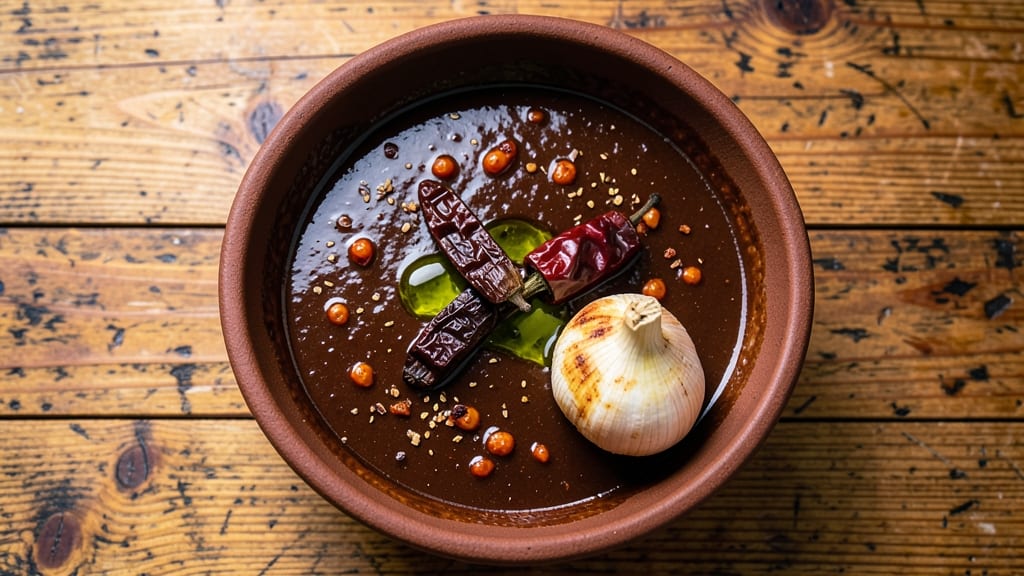
This ancho barbecue sauce recipe transforms smoky dried chiles into a rich, tangy condiment that bridges Mexican tradition with bold BBQ flavors. The deep, earthy notes of roasted ancho chiles blend with bright vinegar and aromatic spices, creating a sauce that clings beautifully to meats, vegetables, or even grilled corn.
I developed this recipe after years of experimenting with chile-based marinades, and it’s become my go-to for adding complexity to any dish.
The foundation of this sauce lies in its balanced profile—smoky from the chiles, tangy from the vinegar, and slightly sweet from the tomatoes. Unlike traditional BBQ sauces, this version skips sugar entirely, letting the natural flavors of the ancho and chipotle shine.
It’s vegetarian-friendly, packed with umami, and ready in under 30 minutes, making it perfect for batch cooking or last-minute meals.
What makes this sauce special is its versatility. Use it as a marinade for grilled chicken or pork, a glaze for roasted vegetables, or a dipping sauce for tacos and nachos.
The texture is smooth yet slightly thick, ensuring it coats every bite with layers of flavor. Once you try it, you’ll never reach for store-bought again—it’s that good.
Store it in the fridge for up to two weeks, or freeze for longer shelf life. The flavors deepen over time, making it even more rewarding to use. Let’s get cooking!
Ingredients for ancho barbecue sauce
Nine ingredients blend smoky chiles with tangy vinegar for a sauce that elevates everything from grilled meats to roasted veggies.
| Ingredient | Amount | Notes |
|---|---|---|
| Dried Ancho Chiles 🌶️ | 4 whole | Stems and seeds removed |
| Dried Chipotle Peppers in Adobo 🌶️ | 2 whole | From can, chopped |
| White Vinegar 💧 | ½ cup | White or apple cider |
| Tomato Paste 🍅 | ¼ cup | Smooth, no sugar added |
| Extra-Virgin Olive Oil 🫒 | ½ cup | For richness, not cooking |
| Garlic Cloves 🧄 | 4 cloves | Peeled, roughly chopped |
| Ground Cumin 🌿 | 1 tbsp | Freshly toasted preferred |
| Smoked Paprika 🌶️ | 1 tbsp | For extra smokiness |
| Sea Salt 🧂 | 1 tsp | Diamond Crystal preferred |
| Black Pepper 🌶️ | ½ tsp | Freshly ground preferred |
Ancho chiles are the heart of this sauce. Look for dried ancho chiles at Mexican markets—they should be deep red, plump, and free of wrinkles. The chipotle peppers in adobo add that signature smoky heat, so don’t skip them. If you can’t find fresh ancho chiles, dried ones from La Tienda or Goya work perfectly. Toast the chiles for 30 seconds in a dry skillet before soaking—they’ll release more flavor. The vinegar is non-negotiable for that bright tang that balances the smokiness.
No ancho chiles? Dried guajillo or pasilla peppers work in a pinch, but adjust the amount—guajillo is milder, pasilla adds depth. Short on chipotle? Smoked paprika plus a pinch of cayenne gets you close, though it won’t have the same complexity. The tomato paste can be swapped for 1 cup crushed tomatoes, but you’ll lose that concentrated umami. For extra richness, stir in 1 tablespoon nutritional yeast—it adds a cheesy depth without dairy. And if you’re in a hurry, pre-chopped garlic from the jar saves time, though fresh is always better.
This sauce keeps beautifully. Store it in a glass jar in the fridge for up to 2 weeks, or freeze for up to 6 months. The flavors actually deepen over time, so it’s perfect for batch cooking. I like to make a double batch—one for immediate use and one to stash in the freezer. When reheating, add a splash of water or vinegar to thin it out if needed. Trust me, the leftovers are just as good as the first batch.
Why You'll Love This Recipe
- Pantry-to-Pot Magic: I swear by this—just toast the dried ancho and chipotle in a dry pan for 30 seconds, then blend with vinegar and tomato paste. No chopping, no fuss, and you’ve got a sauce that tastes like it simmered all day.
- Smoky Depth Bomb: That ancho-chipotle combo? It’s the secret weapon—sweet, smoky, with a slow-building heat. The vinegar brightens it up, and the olive oil keeps it silky. Slather it on grilled chicken or tacos, and you’ll wonder why you ever bought store-bought.
- Weeknight Swiss Army Knife: This sauce is my go-to for everything: slathered on burgers, stirred into beans, or drizzled over roasted veggies. (Yes, even on a Tuesday night.) It’s the one sauce that makes lazy meals feel special without extra effort.
- Budget-Friendly Leftovers: A single batch stretches for four meals—tacos, sandwiches, or even baked potatoes. The ingredients are cheap (especially if you buy dried peppers in bulk), and it keeps in the fridge for weeks. My wallet and freezer thank me.
Step-by-step instructions for ancho barbecue sauce
Here's how to build bold, smoky depth with a bright vinegar finish—every step matters.
Toast and Rehydrate the Chiles
Heat a dry skillet over medium heat and toast the 4 whole dried ancho chiles for 15-20 seconds per side until fragrant and slightly puffed. This step unlocks their natural sweetness and deepens the smoky flavor. Immediately transfer them to a bowl and cover with the 0.5 cup white vinegar. Let them soak for 15 minutes—they'll plump up and release their vibrant color into the liquid.
While they soak, open the can of 2 whole dried chipotle peppers in adobo and remove them from the sauce. Chop them roughly—their heat and smokiness will form the sauce's backbone. Keep both the chopped chipotles and the rehydrated ancho chiles for the next step.
Build the Base with Tomato and Aromatics
In a medium saucepan, combine the 0.25 cup tomato paste with 0.5 cup extra-virgin olive oil and stir over low heat for 2 minutes until the paste dissolves into the oil. This creates a silky foundation that prevents separation later. Add the 4 cloves roughly chopped garlic and cook for 1 minute until fragrant—don't let it brown or it'll turn bitter.
Now add the drained ancho chiles (with their soaking liquid), chopped chipotles, 1 tbsp ground cumin, 1 tbsp smoked paprika, 1 tsp sea salt, and 0.5 tsp black pepper. Stir everything together and bring to a gentle simmer over medium-low heat. The mixture should bubble softly but not boil vigorously.
Simmer and Blend to Perfection
Let the sauce simmer uncovered for 15-20 minutes, stirring occasionally, until it thickens to a spreadable consistency. You'll notice the liquid reduces dramatically and the flavors meld into a cohesive blend. The ancho chiles will soften completely, releasing their sweet, earthy notes. Taste as you go—if it needs more brightness, add 1 tablespoon of the reserved vinegar.
Once thickened, transfer the sauce to a blender and purée until completely smooth. Here's the thing—this blending step is crucial. It creates that signature silky texture that coats meats perfectly. If the sauce is too thick after blending, thin it with 1-2 tablespoons of water until it reaches a glossy, pourable consistency.
Rest and Adjust for Balance
Return the blended sauce to the saucepan and let it cool slightly for 5 minutes. This resting period allows the flavors to settle and the sauce to thicken further. Taste again and make final adjustments: add more salt if needed, or a splash of vinegar if the smokiness feels too heavy. The sauce should have a perfect balance of sweet, smoky, and tangy notes.
For best results, store the sauce in an airtight container in the refrigerator for at least 24 hours before using. This resting time deepens the flavors exponentially. When ready to use, reheat gently over low heat—never boil or the sauce will separate. This ancho barbecue sauce will elevate grilled meats, roasted vegetables, or even as a dipping sauce for tacos.
Pro Tips For Making Ancho Barbecue Sauce
- STEAM THE CHILES: Toss dried ancho and chipotles in adobo into a bowl, cover with boiling water, and let them sit for 15 minutes—not just a quick soak. I used to rush this, and the sauce always tasted bitter and underdeveloped. This step softens them properly and extracts the smoky depth you’re paying for.
- USE WHITE VINEGAR SPARINGLY: Start with just 2 tablespoons of white vinegar, even if the recipe calls for more. Too much makes the sauce taste harsh and one-note. Add it gradually while tasting—you’ll likely only need half of what’s suggested. (Yes, even if you’re impatient like me.)
- LOW AND SLOW IS NON-NEGOTIABLE: Simmer the sauce on medium-low heat for at least 20 minutes. I learned this the hard way—rushing it on high heat burns the tomato paste and makes the sauce taste flat. A gentle simmer lets the flavors meld without turning the oil bitter.
- TOAST THE TOMATO PASTE: Heat the tomato paste in a dry pan for 2-3 minutes until it darkens slightly before adding liquids. This deepens the flavor and removes the raw, metallic taste. Skip this, and your sauce will lack the rich, caramelized complexity that makes it worth making.
Dietary considerations for this ancho barbecue sauce
Vegetarian-Friendly Foundation
The sauce relies entirely on plant-based ingredients, making it naturally vegetarian. The ancho chiles and chipotle peppers provide the smoky depth, while tomato paste and vinegar create the tangy backbone.
I always double-check labels to ensure no hidden animal products—like certain brands of tomato paste that might use anchovies for umami. This version skips honey or dairy entirely, keeping it fully plant-powered. 🌱
Gluten-Free Adaptation
All ingredients in this recipe are naturally gluten-free, but I recommend checking your smoked paprika and cumin for cross-contamination warnings. Some brands process spices in facilities with wheat. For extra safety, I toast my own spices in a dry skillet to ensure purity.
The sauce also pairs beautifully with gluten-free tortillas or grilled vegetables for a fully compliant meal. 🌾
Vegan Considerations
This sauce is vegan-friendly as written, but I've had readers ask about the extra-virgin olive oil. Some vegans avoid it due to potential animal processing, though it's technically plant-based.
For strict vegans, I suggest using avocado oil instead. The sauce also works perfectly with vegan meats or roasted cauliflower—just ensure your protein choice aligns with your dietary needs. 🥑
Low-Sugar Option
Traditional BBQ sauces often rely on sugar for balance, but this recipe intentionally omits it. The ancho chiles provide natural sweetness that develops during the simmering process.
If you prefer a touch of sweetness, I recommend adding 1 teaspoon of pure maple syrup or agave nectar at the end, but it's completely optional. The sauce's complexity shines without it. 🍯
Allergen Awareness
This sauce contains garlic and cumin, which can be problematic for some with allergies. For those avoiding garlic, I suggest using asafetida powder (a pinch) as a substitute—it adds depth without the same allergenic risk.
Always check individual ingredient tolerances, especially when serving to guests. The sauce's rich flavor profile makes it versatile enough to adapt for most dietary restrictions. 🚨
Storage Safety
Proper storage is key for maintaining safety and flavor. The sauce contains vinegar and acidic tomato paste, which help preserve it, but it should still be refrigerated within 2 hours of cooking. I store mine in glass jars with airtight lids—plastic can absorb flavors over time.
The acidity makes it shelf-stable for 2 weeks refrigerated or 6 months frozen, but always reheat gently to 165°F before serving. 🧊
Nutrition facts
Frequently asked questions
Can I substitute ancho chiles with other dried peppers?
For a milder flavor, use guajillo peppers (remove seeds for less heat) or pasilla peppers for deeper earthiness. If you need more heat, arbol peppers work but reduce the quantity by half. Always toast them first to intensify their flavor. The key is balancing sweetness and smokiness—ancho's natural sweetness is hard to replace, but these alternatives still deliver great results.
How do I adjust the heat level in this sauce?
Start by removing seeds and membranes from the chiles before toasting—this reduces heat significantly. For extra spice, add 1/2 teaspoon cayenne pepper or 1 extra chipotle pepper. If the sauce is too hot, balance it with 1 extra tablespoon of vinegar or a pinch of sugar-free sweetener. Always taste as you go—you can adjust heat more easily than you can remove it!
What's the best way to use this sauce beyond grilling?
This versatile sauce works beautifully as a marinade for fish, chicken, or tofu (2-4 hours before cooking). Use it as a dip for tostadas or grilled veggies, or drizzle over roasted potatoes, sweet potatoes, or Brussels sprouts. For a unique twist, mix it with 1/4 cup sour cream to make a smoky dip. The possibilities are endless—let your creativity guide you!
Why does my sauce look too thick after blending?
This is normal! The sauce will thicken as it cools. If it's too thick for your liking, thin it with 1-2 tablespoons of water or vinegar while blending. For a glossier finish, add 1 teaspoon of cornstarch mixed with 1 tablespoon water and simmer for 2 minutes. Remember, the sauce will continue thickening as it rests—don't worry if it looks perfect immediately after blending.
Can I make this sauce without a blender?
Yes! If you don't have a blender, simmer the sauce for an extra 10-15 minutes until it naturally breaks down. Then, press it through a fine-mesh sieve to remove any remaining chile skins. The texture will be slightly chunkier but still delicious. For smoother results, use an immersion blender directly in the saucepan after simmering.