
Sauces & Condiments
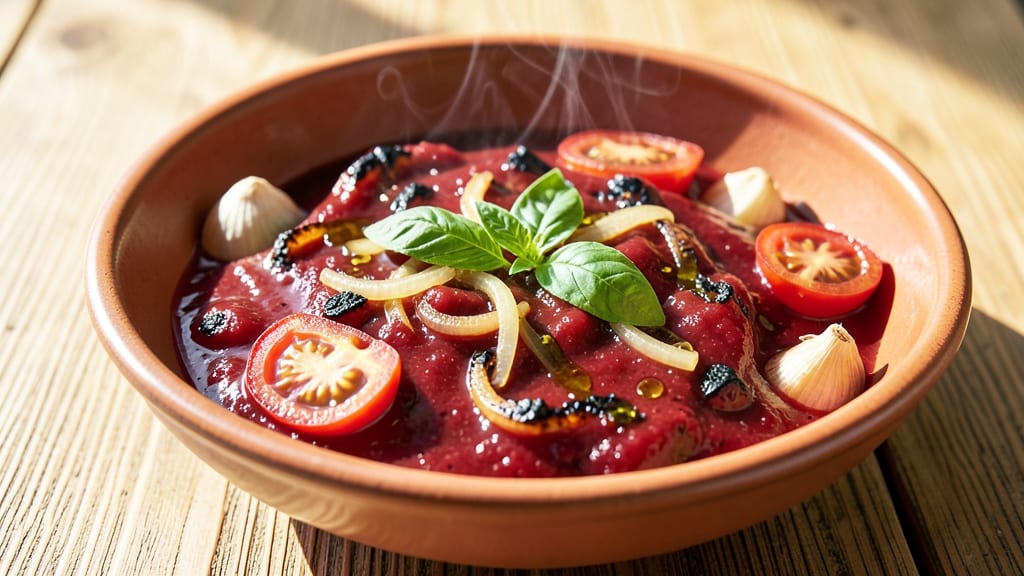
This all-natural marinara sauce transforms simple tomatoes into a vibrant, herb-infused masterpiece that elevates every dish. The secret lies in slow-simmered fresh tomatoes, aromatic garlic, and a blend of fresh basil that infuses the sauce with bright, summery flavor—no artificial ingredients or thickeners required.
What sets this recipe apart is the balance of acidity and sweetness, achieved through a touch of sugar and a splash of vinegar, creating depth without overpowering the natural tomato taste.
With just 10 basic ingredients and 30 minutes of hands-on time, you'll create a sauce that's rich enough for pasta but versatile enough for dipping, drizzling, or layering.
The key technique is simmering the sauce uncovered to allow excess moisture to evaporate naturally, resulting in a glossy, velvety consistency that clings beautifully to noodles or meats. This method also concentrates the flavors, making every spoonful burst with fresh tomato goodness.
Once complete, you'll have a bright red, aromatic marinara that's restaurant-quality without the preservatives. The sauce keeps its vibrant color and flavor for up to 5 days in the refrigerator or 3 months in the freezer, making it perfect for meal prep.
Whether you're cooking for a family dinner or stocking your pantry for busy weeks, this sauce delivers consistent, professional results every time.
For added versatility, consider blending in a handful of sun-dried tomatoes for extra depth or stirring in a pinch of red pepper flakes for a subtle kick.
The sauce also works beautifully as a vegan-friendly base—simply omit any meat-based ingredients if needed. Let's get started on creating your homemade marinara masterpiece.
Ingredients for all natural marinara sauce
Ten ingredients transform fresh tomatoes into vibrant, restaurant-quality marinara without artificial additives.
| Ingredient | Amount | Notes |
|---|---|---|
| Fresh Roma Tomatoes 🍅 | 2 lb | Ripe, firm, halved lengthwise |
| Extra-Virgin Olive Oil 🫒 | ¼ cup | High-quality, fruity variety |
| Yellow Onion 🧅 | 1 whole | Medium size, finely chopped |
| Garlic Cloves 🧄 | 4 cloves | Fresh, peeled, minced finely |
| Fresh Basil Leaves 🌿 | ½ cup | Packed, stems removed |
| White Wine Vinegar 💧 | 1 tbsp | For acidity balance |
| Granulated Sugar 🍚 | 1 tbsp | White sugar preferred |
| Salt 🧂 | 1 ½ tsp | Diamond Crystal preferred |
| Ground Black Pepper 🌶️ | ½ tsp | Freshly ground preferred |
| Dried Oregano 🌿 | ½ tsp | Mediterranean variety |
The tomatoes are the foundation—Roma tomatoes have fewer seeds and more flesh, making them ideal for sauces. Whole Foods or local farmers markets often carry them in season, but any ripe, firm tomatoes work in a pinch. For the olive oil, California Extra Virgin brands like Corto or Pompeian elevate the flavor with their fruity notes. The garlic and onion should be fresh, as their sweetness mellows beautifully during simmering. If you're using dried basil instead of fresh, reduce to one-third the amount—it's more concentrated but lacks the same brightness. The vinegar and sugar work together to balance the acidity and sweetness, creating that perfect depth without overpowering the tomato flavor.
No fresh basil? Dried oregano at half the amount provides a similar earthy backbone, though fresh basil's bright aroma is unmatched. Running low on white wine vinegar? Apple cider vinegar works equally well, though it adds a subtle fruity note. For a smokier sauce, swap half the olive oil for smoked paprika-infused oil. The sugar can be adjusted—reduce to 0.5 tbsp if your tomatoes are particularly sweet. If you prefer a chunkier texture, leave the tomatoes in larger pieces during simmering. For a smoother sauce, blend briefly at the end with an immersion blender—just don't overdo it, or you'll lose that beautiful, rustic texture.
This sauce develops deeper flavor the longer it simmers, so don't rush it. For best results, let it reduce uncovered on low heat for at least 30 minutes. Store in an airtight container in the fridge for up to 5 days, or freeze for 3 months in portion-sized containers. The sauce thickens as it cools, so you can always thin it with a splash of water or broth when reheating. For meal prep, double the recipe—it's perfect for batch cooking and freezes beautifully. Always taste before serving, as the flavors concentrate during storage, and adjust seasoning as needed.
Why You'll Love This Recipe
- No Chopping Chaos: I swear by this sauce because it only needs one knife—just halve those Roma tomatoes and peel back the skins. The onions and garlic get a quick sauté while you’re at it, and suddenly you’ve got a head start on dinner without the mess.
- Garlic-Basil Magic: Between us, this is where the sauce actually shines. The olive oil caramelizes the garlic until it’s sweet and fragrant, then the fresh basil hits like a bright, herby hug. It’s the kind of flavor that makes you pause mid-bite and go, “Wait, how did this get so good?”
- Pasta Party Ready: This sauce doubles as my go-to for weeknight dinners and Sunday family feasts. Toss it with spaghetti for a quick meal, or let it simmer longer and freeze it for lazy nights. Honestly, I’ve even used it as a pizza sauce—no judgment here.
- Budget-Friendly Staple: Fresh tomatoes and basil might sound fancy, but they stretch further than jarred sauce and taste like you actually cooked. A single batch feeds four, freezes beautifully, and costs me half what store-bought would. That’s money saved for extra garlic cloves—because more garlic is always better.
Step-by-step instructions for all-natural marinara sauce
Transform fresh tomatoes into a vibrant, herb-infused marinara with this precise technique.
Prepare and Char the Tomatoes
Preheat your oven's broiler to high. Line a baking sheet with parchment paper and arrange the halved 2 lb fresh Roma tomatoes, cut-side up. Place them on the middle rack about 4 inches from the heat source. Broil for 8-10 minutes until the edges are deeply charred and blistered—this develops intense tomato flavor through caramelization.
Watch closely after 5 minutes to prevent burning. The skin should blacken in spots while the flesh remains intact. Remove from the oven and transfer the tomatoes to a large bowl. This charring step is non-negotiable for authentic depth of flavor in natural marinara.
Sauté Aromatics in Olive Oil
Heat 0.25 cup extra-virgin olive oil in a large, heavy-bottomed pot over medium heat. Add the finely chopped yellow onion and cook for 5-6 minutes until softened and translucent. Add the minced garlic cloves and cook for an additional 30 seconds until fragrant—never let the garlic brown, as it will turn bitter.
This foundational step builds the sauce's aromatic complexity. The olive oil should shimmer but not smoke. If it darkens, reduce the heat immediately. The onions should release their sweetness while maintaining structure for the sauce's body.
Combine and Simmer the Sauce
Add the charred tomatoes to the pot along with the white wine vinegar, granulated sugar, salt, ground black pepper, and dried oregano. Stir gently to combine, then increase heat to medium-high and bring to a boil. Once boiling, reduce heat to low and let the sauce simmer uncovered for 25-30 minutes.
During simmering, stir occasionally to prevent sticking. The sauce should reduce by about one-third and develop a glossy consistency. You're looking for a balance between chunky tomato pieces and smooth texture—this creates the signature rustic quality of natural marinara.
Finish with Fresh Basil and Adjust Seasoning
Remove the pot from heat and stir in the packed fresh basil leaves. Let the sauce sit for 5 minutes to allow the basil's essential oils to infuse fully. Taste and adjust seasoning: add more salt if needed for brightness, or a touch more sugar if the acidity dominates.
The basil should brighten the sauce with its fresh, sweet notes. If you prefer a smoother texture, use an immersion blender to lightly purée about half of the sauce while leaving some chunky tomato pieces for texture. This hybrid approach maintains both depth and visual appeal.
Rest and Serve
Transfer the sauce to a clean bowl and let it rest at room temperature for 10 minutes before serving. This resting period allows flavors to meld and the sauce to thicken slightly. The marinara should coat the back of a spoon with a velvety consistency while retaining vibrant color.
Serve immediately over pasta, with crusty bread, or alongside your favorite Italian dishes. For best results, use within 3-4 days when stored properly in the refrigerator. The sauce will develop even more complexity as it sits overnight, making it ideal for meal prep.
Pro Tips For Making All Natural Marinara Sauce
- Sear the Onion First: I learned this the hard way—sautéing raw onion in olive oil at medium heat until it’s translucent and just starting to caramelize (about 5-6 minutes) builds deeper flavor than just dicing and adding it. Skip this, and your sauce will taste flat, even if everything else is perfect.
- Crush Garlic, Don’t Mince: Sounds weird, but it works: smash the garlic cloves with the flat side of your knife before adding them to the pot. This releases more aroma without burning—just a 30-second extra step that makes the difference between "meh" and "wow." (Yes, even if you're impatient like me.)
- Simmer Low and Slow: After adding tomatoes, turn the heat down to a bare simmer and let it cook uncovered for at least 45 minutes. I know, I know, but trust the process—this lets the flavors meld and the sauce thicken naturally without sticking or burning. (Your future self will thank you.)
- Add Basil Late: Tossing in fresh basil at the very end keeps it vibrant and bright, not bitter. If you’re using dried, add it with the tomatoes—but if you’re splurging on fresh, wait until the last 5 minutes. (This isn’t the prettiest method, but it’s the tastiest.)
Common mistakes when making this recipe
Over-Simmering Ruins Texture
I’ve seen this happen more times than I can count—simmering marinara too long turns it into a thick paste with no tomato character left. The goal is to reduce the sauce by about one-third, not evaporate all moisture.
After 30 minutes of simmering, check the consistency: it should coat the back of a spoon but still have visible tomato pieces. If it’s too thick, add 1-2 tablespoons water and let it simmer another 5 minutes. 🌡️
Skipping the Char
Skipping the broiling step is the fastest way to make your marinara taste bland. The charring on the tomatoes creates a deep, smoky flavor that’s essential for authentic marinara.
If you’re short on time, use a gas flame to quickly char the tomato halves—just 30 seconds per side—instead of the broiler. Never skip this step, even if you’re using canned tomatoes. 🔥
Adding Basil Too Early
Fresh basil is delicate and loses its bright flavor when cooked. Adding it to the simmering sauce will turn it bitter and muddy. Always stir in the basil off the heat and let it infuse for just 5 minutes before serving.
If you’re prepping ahead, add the basil right before reheating to preserve its freshness. 🌿
Using Low-Quality Tomatoes
Not all tomatoes are created equal. Roma tomatoes are ideal for marinara because of their high flesh-to-seed ratio, but vine-ripened grocery store tomatoes often lack flavor. When in doubt, opt for heirloom or vine-ripened varieties from a local market.
If you must use canned tomatoes, choose San Marzano or whole peeled tomatoes with no added salt or preservatives. 🍅
Ignoring the Vinegar-Sugar Balance
The vinegar and sugar work together to brighten the sauce, but many cooks skip one or the other. If your tomatoes are particularly tart, reduce the vinegar to ½ tablespoon.
If they’re bland, add an extra ½ teaspoon sugar and simmer for an extra 5 minutes. Taste as you go—this balance is what makes homemade marinara shine. 💡
Stirring Too Aggressively
Constant stirring can break down the tomato pieces and make the sauce too smooth. Instead, give it a gentle stir every 5-10 minutes to prevent sticking. If you’re worried about burning, use a heavy-bottomed pot and keep the heat at low-medium.
The sauce will thicken naturally as it reduces—no need to force it. ⚡
Nutrition facts
Frequently asked questions about all-natural marinara sauce
Can I make this marinara sauce without fresh tomatoes?
Yes! Use 28 oz canned San Marzano tomatoes instead of fresh. Crush them by hand before adding to the pot, and skip the broiling step. For extra depth, add 1 teaspoon tomato paste with the aromatics. The sauce will be slightly smoother but still vibrant and flavorful.
How do I adjust this recipe for a vegan-friendly version?
This recipe is already vegan! All ingredients are plant-based, but if you want to enhance the umami flavor, add 1 teaspoon nutritional yeast or ½ teaspoon smoked paprika with the aromatics. For a richer texture, stir in 1 tablespoon white miso paste during the final 5 minutes of simmering.
Why does my marinara sauce turn out too acidic?
The acidity comes from the tomatoes and vinegar, but you can balance it by adding ½ teaspoon sugar or 1 extra tablespoon tomato paste during simmering. If the sauce is already made, stir in 1 teaspoon honey or maple syrup while reheating. Taste as you go—small adjustments make a big difference!
Can I freeze this marinara sauce?
Portion the sauce into airtight containers or freezer bags, leaving ½-inch headspace for expansion. Freeze for up to 3 months. Thaw overnight in the fridge—never microwave directly from frozen. The texture may thicken slightly after freezing; thin with 1-2 tablespoons water if needed.
What’s the best way to use leftover marinara?
Leftover marinara is incredibly versatile! Use it as a pizza sauce, dip for garlic bread, or base for soups. For extra flavor, stir in ½ cup chicken or vegetable broth and simmer for 5 minutes. You can also blend it lightly for a smoother texture, or add chopped sun-dried tomatoes for depth. It’s perfect for meal prep!