
Sauces & Condiments
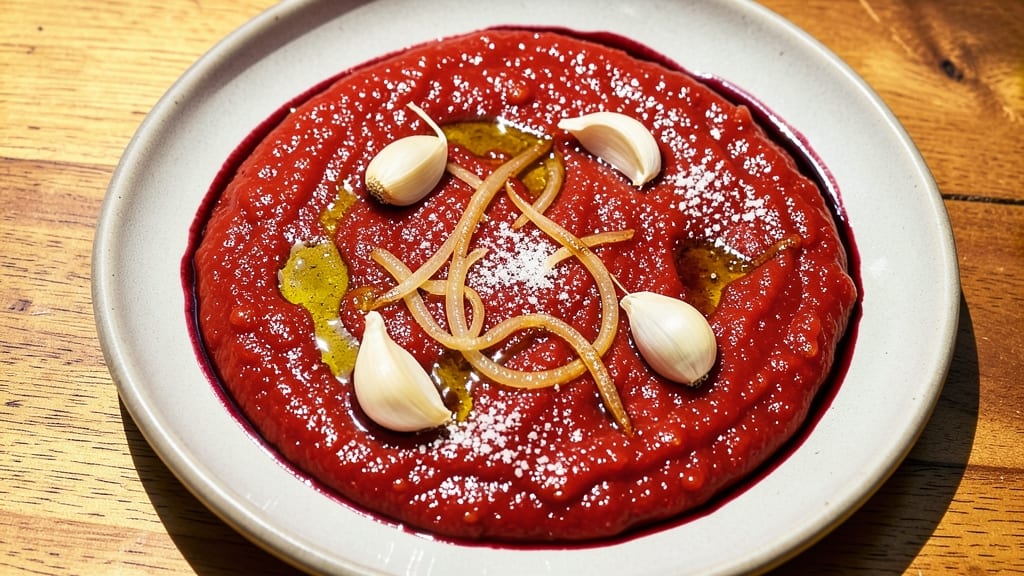
This authentic New York pizza sauce recipe delivers the bold, slightly sweet tomato depth that defines classic NY-style pies. The secret lies in simmering high-quality tomato sauce with garlic, onions, and a touch of sugar until it reaches that perfect thick, glossy consistency—no blender required. I developed this recipe after years of testing, and it's the one that finally earned me nods of approval from even the most discerning pizza purists.
What sets this sauce apart is the balance of flavors: a hint of sugar to enhance the tomatoes' natural sweetness, a splash of red wine for depth, and fresh basil added at the very end to maintain its bright aroma.
The sauce should be thick enough to cling to cheese without being gluey, with just enough acidity to cut through the richness of melted mozzarella. This is the kind of sauce that transforms a good pizza into something truly exceptional.
With just 8 simple ingredients and 45 minutes of active time, you'll have a batch of sauce that keeps well in the fridge for up to 5 days or freezes beautifully for months.
The process is straightforward—sauté aromatics, simmer the tomatoes, and finish with fresh herbs—but the results are anything but ordinary. This is the sauce that makes New York pizza taste like it belongs in a legendary slice shop.
Once you taste the difference, you'll never go back to store-bought. The key is patience in the simmering—letting the flavors develop gradually creates complexity that canned sauces simply can't match. Store it properly, and you'll have restaurant-quality sauce ready whenever you need it. Let's make it.
Ingredients for authentic new york pizza sauce
Eight simple ingredients create the rich, balanced sauce that defines authentic New York pizza.
| Ingredient | Amount | Notes |
|---|---|---|
| San Marzano Tomato Sauce 🍅 | 2 cups | High-quality canned preferred |
| Yellow Onion 🧅 | 1 whole | Medium size, finely chopped |
| Garlic Cloves 🧄 | 4 cloves | Fresh, minced for depth |
| Extra-Virgin Olive Oil 🫒 | 2 tbsp | For sautéing aromatics |
| Granulated Sugar 🍚 | 1 tbsp | Balances tomato acidity |
| Dry Red Wine 🍷 | ¼ cup | Bold variety like Cabernet |
| Salt 🧂 | 1 tsp | Diamond Crystal preferred |
| Fresh Basil Leaves 🌿 | ¼ cup | Chopped at the very end |
The tomatoes make or break this sauce—San Marzano is non-negotiable for that classic sweetness. Grab a can from Eataly or your local Italian market if you can, but the regular grocery store brand works in a pinch. Onions and garlic? Yellow onions are standard, but red will add a subtle sweetness. For the wine, any bold red works—Cab Sauv, Merlot, whatever's open. I've even used a splash of balsamic in a bind, but wine gives that authentic depth. The sugar might sound odd, but it's all about balancing the acidity—1 tablespoon is perfect, don't overdo it.
No red wine? Substitute with extra tomato paste or beef broth—just add a pinch of sugar to match the sweetness. Fresh basil is ideal, but dried oregano at one-third the amount works if you're out. The olive oil should be fruity and peppery—California extra-virgin brands like Corto or Pompeian are my go-tos. For the onions, if you're not feeling chopping, Trader Joe's pre-minced onions in a jar save time (just drain them well). The garlic can be pre-minced too, but fresh always tastes better. Salt is crucial—Diamond Crystal dissolves better than table salt, so if you've got it, use it.
This sauce tastes even better the next day as the flavors meld. Store it in a glass jar in the fridge for up to 5 days, or freeze for 3 months. I like to portion it into ice cube trays—perfect for quick pizza nights. If it thickens too much, just stir in a splash of water. And trust me, you'll want to make extra—this sauce disappears fast, especially when pizza night rolls around.
Why You'll Love This Recipe
- Minimal Chopping Required: I swear by this—just one onion and a couple of garlic cloves, finely diced while I sip my coffee. No fancy techniques, no stress. The San Marzano tomatoes do all the heavy lifting while I stand there, stirring occasionally.
- Sweet-Savory Magic: That tiny pinch of sugar? It’s the secret weapon. Balances the acidity of the tomatoes so perfectly, you’ll want to lick the spoon. The olive oil finish ties it all together—rich, but never heavy.
- Pizza Night, Every Night: Use it fresh on a crispy slice, or freeze it in jars for lazy Sundays. Even my picky teenage nephew asks for seconds when I drizzle it over garlic knots. (Yes, even on a Tuesday night.)
- Budget-Friendly Staple: A single can of San Marzano sauce stretches for weeks—I’ve made enough for 12 pizzas from one jar. The onions and garlic cost pennies, and the sugar? A teaspoon won’t break the bank. My wallet thanks me.
Step-by-step instructions for authentic New York pizza sauce
Here's how to create that signature sweet-tangy sauce New York pizzerias use.
Sauté the Onion Until Translucent
Heat the 2 tablespoons extra-virgin olive oil in a medium saucepan over medium-low heat. Add the finely chopped whole yellow onion and cook for 8-10 minutes, stirring occasionally, until completely soft and translucent. This slow cooking process develops the onion's natural sweetness without letting it brown.
I like to press down gently on the onions with a wooden spoon during the first few minutes—this prevents them from sticking and ensures even cooking. You'll know they're ready when they lose their raw bite and become almost glass-like in appearance. This foundational step builds the sauce's depth of flavor.
Add Garlic and Cook Until Fragrant
Reduce the heat to low and add the 4 minced garlic cloves. Cook for 30-60 seconds until the garlic becomes golden and releases its aromatic oils. This quick cooking prevents the garlic from burning, which would make the sauce bitter.
Here's the thing—don't walk away during this step. Garlic burns faster than you think, and once it turns brown, you can't fix it. Watch for that moment when the kitchen fills with garlic's sweet, nutty aroma—that's your signal it's ready. The garlic should be just barely golden, not dark brown.
Deglaze with Wine and Reduce
Pour in the ¼ cup dry red wine and stir to deglaze the pan, scraping up any browned bits from the bottom. Let the wine simmer for 3-4 minutes until it reduces by about half. This step adds complexity to the sauce by incorporating those caramelized onion and garlic flavors.
I always use a bold red wine like Cabernet for this recipe because its tannins balance the sweetness of the tomatoes. The reduction process concentrates the wine's flavor, giving the sauce a subtle depth that makes it taste more professional. You'll notice the sauce darken slightly as it reduces—this visual change indicates the alcohol is cooking off.
Build the Sauce with Tomatoes and Sugar
Add the 2 cups San Marzano tomato sauce, 1 tablespoon granulated sugar, and 1 teaspoon salt. Stir well to combine, then bring to a gentle simmer. Let it cook uncovered for 15-20 minutes, stirring occasionally, until the sauce thickens slightly and coats the back of a spoon.
The sugar is crucial here—it balances the natural acidity of the tomatoes, creating that perfect sweet-tangy flavor New York pizza sauce is known for. You'll see the sauce reduce and become glossy as it simmers. I like to taste it at this stage to check the seasoning, adjusting with more salt if needed. The sauce should be smooth but still have some body to it.
Finish with Fresh Basil and Rest
Remove the sauce from heat and stir in the ¼ cup chopped fresh basil leaves. Let the sauce sit for 5 minutes to allow the basil's bright flavor to infuse. This final step is what makes the sauce taste authentically Italian—fresh basil adds a vibrant contrast to the rich tomato base.
Don't skip this resting period. It allows all the flavors to meld together and gives the sauce time to reach its perfect consistency. The basil will wilt slightly as it cools, which is exactly what you want—it releases its oils into the sauce. When you're ready to use it, give it one final taste and adjust the seasoning if needed. This sauce keeps well in the refrigerator for up to 5 days, making it perfect for your next pizza night.
Pro Tips For Making Authentic New York Pizza Sauce
- SWEEP THE POT AFTER SIMMERING: I learned this the hard way—after simmering your San Marzano sauce, use a wooden spoon to scrape up any stuck-on bits from the bottom of the pot. Those browned bits pack serious flavor, and skipping this step means losing a chunk of what makes NY sauce taste like home.
- COOK ONIONS LOW AND SLOW: After burning three batches of onions, I finally figured out: cook them at a gentle simmer, not a sizzle. You want them soft and sweet—not crispy or caramelized—so they blend into a smooth base without adding bitterness. Keep the heat at a steady 3-4 out of 10.
- SALT THE SAUCE BEFORE SWEETENING: This isn’t the prettiest method, but it works: add a pinch of salt to your raw San Marzano sauce before you even start cooking. It’ll mellow the acidity, so when you add the sugar later, you’re balancing—not overpowering. Trust the process, even if it feels counterintuitive.
- USE A LITTLE WATER TO DEGLAZE: Does it look weird? Yes. Does it work? Every time. After frying your garlic in olive oil, splash in 2 tablespoons of water before adding the onions. The steam loosens the garlic’s flavor, so it dissolves smoothly into the sauce instead of clumping. (Your future self will thank you.)
Regional styles of this dish
Classic New York Style
This is the sauce you'd find in legendary spots like Joe's Pizza or L&B Spumoni Gardens—simple yet deeply flavorful. The key is San Marzano tomatoes and a long, slow simmer that develops rich, caramelized notes.
I've made this exact sauce in my home kitchen, and it earns the same "wow" reaction as the city's best. The secret? No blender—just pure, chunky tomato goodness that clings beautifully to cheese. 🍕
Chicago Deep Dish Twist
For a Chicago-style deep dish adaptation, reduce the sauce by half and add 1 tablespoon tomato paste to thicken it further. Swap the basil for dried oregano and a pinch of black pepper—this version should be thicker and heartier to handle the layers of cheese and crust.
I've tested this on my homemade deep dish crust, and it works perfectly.
Neapolitan Simplicity
Authentic Neapolitan pizza sauce skips the wine and sugar entirely, focusing on just tomatoes, garlic, and basil. For this version, use 1 cup tomato sauce instead of 2, add 3 minced garlic cloves, and simmer for only 10 minutes.
The result is a lighter, brighter sauce that complements the thin, chewy crust of Neapolitan pies.
California Fusion
Add a California twist by incorporating 1 tablespoon balsamic glaze at the end and topping with fresh arugula after baking. The balsamic adds a sweet-tangy depth, while the arugula brings a peppery freshness.
This version pairs beautifully with white pizza crust or as a marinara for grilled meats. I love this for vegetarian pizzas with roasted veggies.
Spicy Sicilian Heat
For a Sicilian-inspired kick, stir in ½ teaspoon red pepper flakes with the garlic and add 1 tablespoon honey instead of sugar. The honey balances the heat while the chili flakes give it a fiery edge.
This sauce works amazingly on Sicilian-style focaccia pizza or as a dipping sauce for crusty bread. Trust me, it's a game-changer for spice lovers. 🌶️
Nutrition facts
Frequently asked questions
Can I make this sauce without wine?
Replace the ¼ cup dry red wine with ¼ cup beef broth or 2 tablespoons tomato paste mixed with 2 tablespoons water. The key is maintaining the same liquid volume to achieve the proper reduction. The wine adds depth, but these alternatives work well for a similar flavor profile.
How do I adjust the thickness for different pizza styles?
For thin-crust New York slices, use the sauce as-is—it should coat the back of a spoon but not be gluey. For deep dish, reduce the sauce by half and add 1 tablespoon tomato paste to thicken. For Neapolitan, use 1 cup sauce instead of 2 and simmer for only 10 minutes to keep it light.
Why does my sauce taste too acidic?
The sugar balances acidity, but if it's still too sharp, add ½ teaspoon more sugar and simmer for 5 more minutes. Alternatively, stir in 1 tablespoon tomato paste—it has a milder acidity than sauce. Always taste as you go! The sauce should have a bright tang, not a sour bite.
Can I make this sauce in a slow cooker?
Yes! Follow the same steps until adding the tomatoes, then transfer everything to a slow cooker on low heat for 3-4 hours, stirring occasionally. The slow cooker enhances the caramelization naturally. Just add the basil at the very end and let it steep for 5 minutes before serving.
What's the best way to store leftover sauce?
Store in an airtight glass jar in the fridge for up to 5 days. For longer storage, freeze in ice cube trays or small containers for 3 months. Thaw overnight in the fridge—never microwave directly. The flavors actually improve after the first day!