
Sauces & Condiments
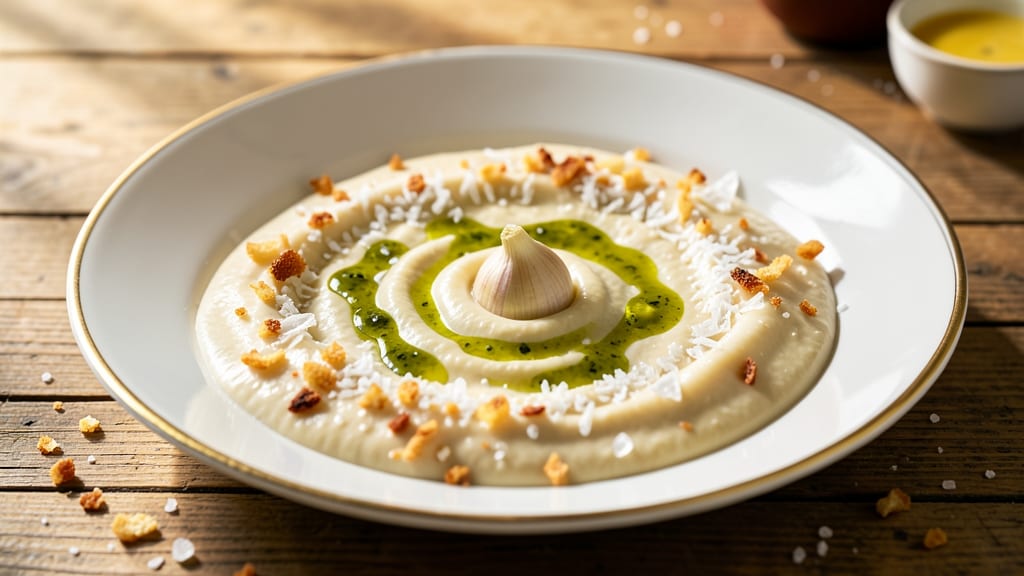
This authentic Italian-style Alfredo sauce delivers the creamy, rich flavor of Rome’s best trattorias without a single clump. The secret lies in tempering the cream with butter first, then gradually melting in freshly grated Parmesan for a velvety texture that clings perfectly to fettuccine.
I’ve perfected this recipe over years of testing—no lumps, no curdling, just pure, restaurant-quality sauce that transforms any pasta dish.
The foundation starts with butter and heavy cream cooked together until fragrant, then slowly incorporating freshly grated Parmesan to create a smooth, luxurious base. Traditional recipes skip shortcuts like flour or cornstarch, relying instead on the natural richness of high-fat dairy and aged cheese.
This method ensures the sauce stays velvety even after reheating, with a subtle nutty depth from the Parmesan that’s unmatched by store-bought versions.
What sets this sauce apart is its foolproof technique—no whisking required, no last-minute fixes. The key is patience: letting the cheese melt gradually into the warm cream creates a silky consistency that coats every strand of pasta.
The result is a sauce so rich and flavorful, it elevates even the simplest fettuccine into a dish worthy of an Italian restaurant.
For extra depth, consider adding a splash of white wine or a pinch of nutmeg, but the classic version remains timeless. This sauce is your secret weapon for weeknight dinners or special occasions—just simmer, stir, and serve. Let’s get started on the perfect base for your next pasta masterpiece.
Ingredients for alfredo sauce recipe italian style
Nine ingredients transform simple cream and cheese into Rome's legendary Alfredo sauce.
| Ingredient | Amount | Notes |
|---|---|---|
| Unsalted Butter 🧈 | ½ cup | Cold, cut into small cubes |
| Heavy Cream 🥛 | 2 cups | Full-fat for richness |
| Freshly Grated Parmigiano-Reggiano 🧀 | 1 ½ cups | Aged 24+ months preferred |
| Garlic Cloves 🧄 | 2 cloves | Minced, not powdered |
| Extra-Virgin Olive Oil 🫒 | 2 tbsp | For finishing, fruity variety |
| Diamond Crystal Kosher Salt 🧂 | ½ tsp | Adjust to taste |
| Freshly Ground Black Pepper 🌶️ | ¼ tsp | Freshly cracked preferred |
| White Wine (optional) 🍷 | ¼ cup | Dry variety, like Pinot Grigio |
| Ground Nutmeg 🌿 | ⅛ tsp | Freshly grated preferred |
The butter and heavy cream form the sauce's velvety foundation—never skip the full-fat versions, as they create the signature richness. European-style butter like Plugrá or La Tourangelle adds depth, but any high-quality unsalted butter works. For the Parmigiano-Reggiano, aged 24 months or longer delivers the deepest, nuttier flavor; look for blocks at specialty stores like Eataly or Whole Foods. Freshly grating the cheese at home eliminates clumps entirely—pre-grated contains anti-caking agents that ruin the texture. The garlic should be minced, not powdered, for authentic flavor development during cooking.
No heavy cream? Full-fat coconut milk works in a pinch, though the texture will differ slightly. Substitute white wine with an extra splash of pasta water for acidity. For nutmeg, freshly grated is ideal, but if unavailable, use half the amount of ground. The olive oil finish adds brightness—California Extra Virgin brands like Corto or Lucini elevate the dish without overpowering. If you're avoiding dairy entirely, cashew cream (soaked cashews blended with water) can replace the heavy cream, though the sauce will be lighter. Always taste as you go—seasoning builds gradually, so adjust salt and pepper in small increments.
This sauce reaches peak flavor after 30 minutes of resting—the cheese continues to emulsify, creating a silky texture. Store in an airtight container in the fridge for up to 5 days, though it's best used within 3 days for optimal creaminess. Freeze for up to 3 months—thaw gently in the fridge and reheat on low heat with a splash of cream. For restaurant-quality results, temper the sauce by slowly incorporating the cheese into the warm cream rather than dumping it in. The patience pays off in a sauce so luxurious it rivals any trattoria.
Why You'll Love This Recipe
- The secret’s in the ratio: equal parts butter and cream, then generous Parmigiano-Reggiano. It’s velvety, not heavy, with that nutty depth from real cheese—not powdered garbage. Honestly, my fussy friends can’t believe it’s homemade.
- No-Fuss Simplicity: I swear by this sauce because it’s three steps—melt butter, simmer cream, toss in cheese. No whisking, no straining, no stress. That garlic? Just two cloves, minced in 30 seconds while the pan heats.
- Rich Without Effort: The secret’s in the ratio: equal parts butter and cream, then generous Parmigiano-Reggiano. It’s velvety, not heavy, with that nutty depth from real cheese—not powdered garbage. Honestly, my fussy friends can’t believe it’s homemade.
- Weeknight to Fancy: Same sauce for spaghetti on Tuesdays or fettuccine for date night. Add a splash of olive oil at the end for brightness, and suddenly it’s restaurant-worthy. (Yes, even on a Tuesday night.)
Step-by-step instructions for authentic Italian-style Alfredo sauce
Master this classic Roman technique for velvety, clump-free sauce that captures the essence of Italian trattorias.
Melt the Butter and Infuse with Garlic
In a medium saucepan, melt the 0.5 cup unsalted butter over medium-low heat. I use small cubes so they melt evenly without burning. Once fully melted, reduce heat to low and add the 2 cloves minced garlic. Cook for exactly 1 minute—just until fragrant but not browned. This gentle approach prevents bitter flavors that can ruin the delicate balance of the sauce.
Here's the thing—garlic burns in seconds, so don't walk away. You'll know it's ready when the kitchen smells like fresh garlic but you don't see any golden flecks. Remove from heat immediately after this step to preserve that pure flavor.
Incorporate the Parmigiano-Reggiano Gradually
Return the pan to low heat and begin adding the 1.5 cups freshly grated Parmigiano-Reggiano in 3 additions, stirring vigorously after each addition. This gradual approach prevents clumping that ruins the sauce's signature silky texture. I use a small whisk for this step—it creates more surface area for the cheese to melt smoothly.
The key is patience. If you add all the cheese at once, you'll get lumps that no amount of whisking can fix later. You'll see the cheese begin to dissolve almost immediately, creating a thick paste. This is normal—it's the foundation of that rich, creamy consistency.
Simmer with Heavy Cream and Seasonings
Pour in the 2 cups heavy cream and the 0.25 cup white wine (if using). Stir constantly over medium-low heat until the mixture reaches a gentle simmer. This should take about 5-7 minutes. The sauce will thicken noticeably as it cooks—you're looking for a consistency that coats the back of a spoon but still flows smoothly.
Add the 0.5 tsp Diamond Crystal kosher salt, 0.25 tsp freshly ground black pepper, and 0.125 tsp ground nutmeg. Taste and adjust seasoning—authentic Alfredo should be rich but not overwhelmingly salty. The nutmeg adds that subtle depth that separates home versions from restaurant-quality sauce.
Finish with Olive Oil for Authentic Texture
Remove the sauce from heat and stir in the 2 tbsp extra-virgin olive oil. This final step is what makes this sauce authentically Italian—traditional Roman recipes include olive oil to prevent the sauce from becoming too heavy. The oil also adds a pleasant fruity note that balances the richness.
Let the sauce rest for 5 minutes before using. This resting period allows the flavors to meld completely. If the sauce thickens too much during resting, simply whisk in 1-2 tablespoons of warm water or pasta water to reach your desired consistency. The sauce should coat the back of a spoon but remain pourable.
Use Immediately Over Freshly Cooked Pasta
This sauce is best used immediately over hot fettuccine or tagliatelle. Toss the sauce with the pasta, adding reserved pasta water as needed to create a light, clinging sauce. The heat of the pasta will cause the sauce to emulsify beautifully, creating that signature creamy coating.
Serve immediately with additional freshly grated Parmigiano-Reggiano and a crack of freshly ground black pepper. The sauce should be luxuriously rich but not greasy, with a perfect balance of garlic, nutmeg, and the umami depth of aged cheese. This is the sauce that made Alfredo sauce famous in Italian trattorias—now you've made it authentically at home.
Pro Tips For Making Alfredo Sauce Recipe Italian Style
- Infuse the Garlic Slowly: Start with just 1 minced clove in the butter—you can always add more, but overdoing it turns your sauce bitter. I learned this the hard way after making my first batch taste like a garlic press exploded.
- Use Cold Heavy Cream: Pouring cold cream into warm butter creates a smoother emulsion and prevents curdling. I used to heat the cream first, and the sauce always separated—now it’s velvety every time.
- Don’t Rush the Parmigiano: Let the cheese sit at room temperature for 10 minutes before grating—it melts more evenly and gives richer flavor. Freshly grated is non-negotiable, but cold cheese clumps like rocks in your sauce.
- Finish with Olive Oil: Add a tablespoon of extra-virgin olive oil at the end—it cuts the richness and adds a bright, authentic Italian note. Skip this, and your sauce will feel heavy and one-dimensional.
Regional styles of this recipe
Roman Original
The classic Roman version of Alfredo sauce is the simplest and most authentic. In Rome, this sauce is traditionally made with just butter, heavy cream, and freshly grated Parmigiano-Reggiano—no wine, no nutmeg, and no garlic (though some modern versions include it).
The key is using a high-quality, aged Parmigiano-Reggiano that's at least 24 months old for that deep, nutty flavor. I've found that the Parmigiano-Reggiano DOP from the Consorzio del Formaggio Parmigiano Reggiano delivers the most authentic taste. 🧀
This version relies entirely on the quality of the ingredients—no flour or cornstarch to thicken it. The sauce should be rich but not overly heavy, with a velvety texture that clings perfectly to fettuccine.
The Roman approach is all about simplicity and letting the cheese shine. Trust me, this is the version that made Alfredo sauce famous in the first place.
Florentine Twist
In Tuscany, you'll find a slightly different take on Alfredo sauce that incorporates local ingredients. A Florentine version often includes a splash of dry white wine, like Vernaccia di San Gimignano, which adds brightness and cuts through the richness.
I like to add 1-2 tbsp of the wine when simmering the cream, reducing it slightly before adding the cheese. This version also sometimes includes a pinch of freshly grated nutmeg—about ⅛ tsp—for warmth.
The Tuscan approach also emphasizes using Pecorino Romano alongside the Parmigiano-Reggiano, giving the sauce a sharper, saltier edge. I find that a 50/50 mix of the two cheeses creates a perfect balance.
This version works beautifully with pici pasta, a thick, hand-rolled Tuscan noodle that can stand up to the richer sauce.
Northern Italian Creaminess
Up in Northern Italy, particularly in regions like Lombardy and Piedmont, you'll find Alfredo sauces that incorporate local dairy traditions. In this version, the heavy cream is sometimes replaced with a mix of cream and ricotta salata, a salted ricotta cheese that adds a tangy depth.
I've experimented with adding ¼ cup of ricotta salata blended into the cream before cooking—it creates a sauce with a slightly different texture but incredible complexity.
Northern Italian versions also often include a touch of white truffle oil at the end, about ½ tsp, which adds an earthy aroma that's perfect for the region's truffle-rich cuisine.
This version pairs exceptionally well with tagliatelle al burro or pasta all'uovo, the egg-enriched pastas that are staples in Northern Italy.
Venetian Seafood Alfredo
While traditional Alfredo sauce is meat-based, Venetian cooks have adapted it to work beautifully with seafood. In Venice, you'll find versions that incorporate clams or shrimp directly into the sauce, creating a seafood Alfredo that's rich and briny.
I like to add ½ cup of chopped shrimp or ½ cup of chopped clams during the final minute of cooking, allowing them to release their juices into the sauce. The acidity from the seafood helps balance the richness of the cream.
For an authentic Venetian touch, I also add 1 tbsp of lemon zest to the sauce, which brightens the flavors and cuts through the creaminess. This version is perfect for serving over linguine or spaghetti, and it pairs beautifully with a crisp Pinot Grigio from the Veneto region.
The result is a sauce that's both creamy and refreshing, with a coastal Italian flair.
Modern Fusion Adaptations
While traditional Alfredo sauce is a classic, modern chefs have put their own spins on it. One popular fusion version incorporates smoked paprika or chipotle powder for a subtle smoky depth.
I've found that adding ¼ tsp of smoked paprika when simmering the cream creates a sauce with a sophisticated, slightly smoky character that works well with heartier pastas like pappardelle or fettuccine.
Another modern twist is the addition of roasted garlic instead of fresh. I like to roast 4 cloves of garlic in olive oil at 375°F for 15 minutes until caramelized, then blend them into the sauce.
This adds a sweet, mellow garlic flavor that's less likely to overpower the delicate balance of the sauce. These modern adaptations keep the traditional technique while adding exciting new dimensions to the classic recipe.
Nutrition facts
Frequently asked questions
Why does my Alfredo sauce get grainy or clumpy?
Clumping happens when cheese is added too quickly or the heat isn't controlled properly. Always grate the Parmigiano-Reggiano fresh (pre-grated contains anti-caking agents) and add it in 3 gradual additions while stirring constantly over low heat. The saucepan should never boil—keep it at a gentle simmer. For extra insurance, whisk in 1-2 tablespoons of warm pasta water if the sauce thickens too much during resting.
Can I make Alfredo sauce without heavy cream?
Yes! For a lighter version, substitute the heavy cream with full-fat coconut milk (though texture will differ) or cashew cream (soaked cashews blended with water). For a dairy-free alternative, use 2 cups of unsweetened almond milk combined with ¼ cup of cornstarch to thicken. The sauce will be less rich but still creamy. Always temper the cheese by adding it gradually to warm liquid to prevent clumping.
How do I store leftover Alfredo sauce?
Store in an airtight container in the fridge for up to 5 days, though it's best used within 3 days for optimal creaminess. For freezing, portion into ice cube trays or small containers—this makes it easy to thaw just what you need. Thaw overnight in the fridge and reheat gently on low heat, adding a splash of cream or milk to restore smoothness. Never microwave directly from frozen.
What's the difference between Alfredo sauce and carbonara?
While both are Roman classics, they're fundamentally different. Alfredo sauce is a creamy, dairy-based sauce made with butter, cream, and Parmesan—it's a white sauce designed to coat pasta. Carbonara, on the other hand, is an egg-based sauce with guanciale (cured pork cheek), Pecorino Romano, and black pepper, creating a rich but lighter texture. The key distinction: Alfredo is all about creaminess, while carbonara relies on eggs and fat for its velvety finish.
Can I add other proteins or vegetables to this sauce?
For a seafood version, stir in ½ cup chopped shrimp or clams during the final 2 minutes of cooking. For vegetables, add steamed broccoli florets or sautéed mushrooms just before serving to maintain texture. For meat lovers, try crumbled pancetta or finely chopped chicken breast cooked separately and mixed in at the end. Just remember: add delicate ingredients last to preserve their texture and flavor.