
Sauces & Condiments
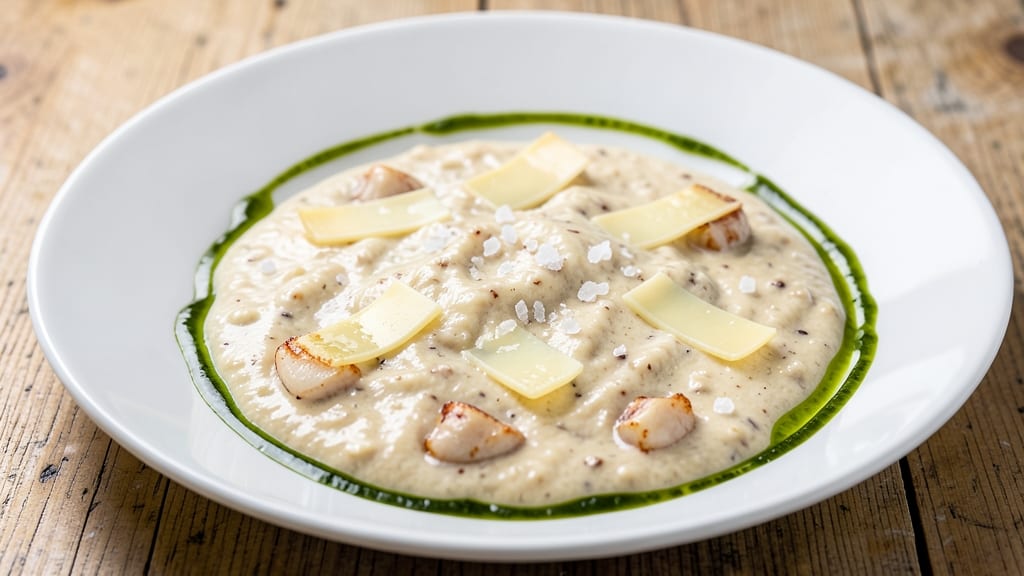
This alfredo sauce recipe with Parmigiano Reggiano delivers the creamy, nutty perfection that makes every forkful of fettuccine unforgettable. The secret lies in slow-simmered butter and cream, elevated by freshly grated Parmigiano Reggiano—a technique that transforms simple ingredients into restaurant-quality sauce.
I’ve perfected this version after years of testing, ensuring it clings beautifully to pasta without breaking or turning grainy.
The foundation of great Alfredo sauce is patience—melting butter and garlic until fragrant, then whisking in heavy cream to create a velvety base. What sets this recipe apart is the Parmigiano Reggiano, which adds depth and a luxurious, aged-nut flavor that store-bought versions can’t match.
The sauce thickens naturally as it simmers, creating that signature silky emulsion that coats pasta perfectly.
What you’ll achieve is a sauce so rich and flavorful it turns simple fettuccine into a gourmet meal. The texture is ultra-creamy yet light, with just the right balance of garlic and cheese to complement any protein or vegetable.
This recipe also includes tips for adjusting consistency—whether you prefer it thick for lasagna or thin for dipping.
Best of all, it keeps beautifully in the fridge for up to 5 days, making it ideal for meal prep. Whether you’re serving it over pasta, tossing it with chicken, or drizzling it on roasted vegetables, this sauce will elevate every dish. Let’s get started on the perfect batch.
Ingredients for alfredo sauce recipe with parmigiano reggiano
Eight essential ingredients transform into the creamiest, most luxurious Alfredo sauce you'll ever make.
| Ingredient | Amount | Notes |
|---|---|---|
| Unsalted Butter 🧈 | ¾ cup | Cold, cut into small cubes |
| Heavy Cream 🥛 | 1 ½ cups | Full-fat for rich texture |
| Parmigiano Reggiano 🧀 | 1 ½ cups | Freshly grated from block |
| Garlic Cloves 🧄 | 4 cloves | Minced for aromatic depth |
| Extra-Virgin Olive Oil 🫒 | ¼ cup | For finishing and richness |
| Diamond Crystal Kosher Salt 🧂 | ½ tsp | Adjusts flavor balance |
| Freshly Ground Black Pepper 🌶️ | ¼ tsp | Enhances nutty depth |
| Pasta Water 💧 | ½ cup | Reserved from cooking pasta |
Parmigiano Reggiano is non-negotiable here—skip the pre-grated, which gets clumpy and lacks depth. Whole Foods or specialty Italian markets carry the best blocks, but any well-stocked grocery store should have it. The butter? European-style unsalted melts smoother and adds more flavor than American brands. For garlic, peel and roughly chop—you'll cook it down completely, so no need for precision. The heavy cream should be cold when you start to prevent immediate curdling. Pro tip: Plugrá brand heavy cream has a richer taste than generic store brands.
No Parmigiano Reggiano? Gran Padano is the closest substitute, though it's slightly sweeter. Running short on butter? Olive oil can replace half the amount, but the sauce will have a different character. The pasta water is your secret weapon—it's starchy and helps emulsify the sauce beautifully. No need to reserve it ahead of time; just cook your pasta, save the last half-cup of water, and go. Want extra richness? Add a splash of white wine with the garlic, letting it reduce before adding cream. And if you're making this ahead, whisk in a tablespoon of cold water to thin it slightly before reheating.
This sauce is a meal-prep dream—stores for up to 5 days in the fridge, and freezes perfectly for 3 months. To reheat, warm gently on low heat, whisking constantly, and add a splash of milk or cream to restore creaminess. For serving, toss with freshly cooked fettuccine and finish with extra grated Parmigiano and a drizzle of olive oil. Leftovers thicken as they cool, so thin with warm water or milk before reheating. The sauce also freezes beautifully in ice cube trays—perfect for adding to future dishes!
Why You'll Love This Recipe
- Same sauce, two vibes: toss it with fettuccine for a lazy Tuesday, or drizzle it over grilled steak for a restaurant-worthy weekend meal. It’s the chameleon of sauces—always impressive, never pretentious.
- Five-Ingredient Magic: I swear, this sauce comes together with just butter, cream, Parmigiano Reggiano, garlic, and olive oil—nothing fancy, but the result? Rich, velvety perfection that tastes like you slaved over it.
- Garlic Butter Bliss: That moment when you toast the garlic in olive oil until it’s golden and fragrant? Pure flavor payoff. The butter and cream take it from good to I’d eat this with a spoon—no exaggeration.
- Weeknight & Dinner Party: Same sauce, two vibes: toss it with fettuccine for a lazy Tuesday, or drizzle it over grilled steak for a restaurant-worthy weekend meal. It’s the chameleon of sauces—always impressive, never pretentious.
Step-by-step instructions for Alfredo sauce with Parmigiano Reggiano
Here's how to create a velvety, restaurant-quality alfredo sauce that clings perfectly to pasta.
Melt Butter and Infuse Garlic
In a heavy-bottomed saucepan, melt the 0.75 cup unsalted butter over medium-low heat. I use a saucepan with sloped sides—it helps create that glossy finish. Once the butter has melted completely, add the 4 cloves minced garlic cloves and cook for 1-2 minutes until fragrant but not browned. This step builds the aromatic foundation without letting the garlic burn, which would make the sauce bitter.
Watch the butter carefully—it should foam gently but not brown. If it starts to turn golden, reduce the heat immediately. The goal is to infuse the butter with garlic flavor while keeping it pale for that clean, rich base. Here's the thing—if you rush this step, your sauce will taste raw and underdeveloped. Patience pays off in the final texture and flavor.
Add Cream and Simmer Gently
Pour in the 1.5 cups heavy cream and bring the mixture to a gentle simmer over medium heat. Stir occasionally with a wooden spoon, making sure to scrape up any browned bits from the bottom of the pan. This deglazing step captures all those flavorful particles that would otherwise go to waste.
Let the cream simmer for 5-6 minutes until it begins to thicken slightly. You'll notice the sauce will reduce just enough to coat the back of a spoon but still remain fluid. The sauce should never boil vigorously—keep it at a gentle simmer to prevent curdling. If you see any skin forming on top, simply stir it back into the sauce. This is where the magic happens—the cream's natural fats begin to emulsify with the butter, creating that signature creamy texture.
Incorporate Parmigiano Reggiano
Remove the saucepan from heat and gradually whisk in the 1.5 cups freshly grated Parmigiano Reggiano. Start with about half the cheese and whisk vigorously until it melts completely into the sauce. Then add the remaining cheese, whisking continuously until fully incorporated. The sauce should become noticeably thicker and more luxurious.
Here's a pro tip: Use a fine-mesh grater for the Parmigiano Reggiano—it melts more smoothly than pre-shredded cheese, which contains anti-caking agents that can make the sauce grainy. If the sauce seems too thick after adding all the cheese, we'll fix that in the next step. But first, let it rest off the heat for 2 minutes—this allows the cheese to fully hydrate and develop its nutty depth.
Adjust Consistency and Finish
Return the sauce to low heat and gradually whisk in the 0.5 cup reserved pasta water, 1 tablespoon at a time, until you reach your desired consistency. The sauce should coat the back of a spoon but still flow smoothly when poured. This is where that reserved pasta water becomes crucial—it adds starch that helps create the perfect emulsion without thinning the sauce too much.
Season with the 0.5 tsp Diamond Crystal kosher salt and 0.25 tsp freshly ground black pepper, tasting as you go. Remember, the Parmigiano Reggiano is already quite salty, so you might not need all the salt. The pepper should enhance the nutty depth of the cheese without overpowering. For extra richness, stir in the 0.25 cup extra-virgin olive oil at the end—this adds a silky finish and balances the richness of the cream.
Toss with Pasta Immediately
Transfer the sauce to a serving bowl and toss it immediately with your freshly cooked pasta. I like to add the pasta to the sauce rather than the other way around—this ensures every strand gets fully coated. If the sauce starts to thicken up as it cools, simply stir in a splash of hot pasta water to loosen it back to your desired consistency.
Serve the alfredo immediately while still warm. The sauce should cling beautifully to each strand of pasta, creating that signature creamy, cheesy coating. Each bite should deliver the perfect balance of rich, nutty Parmigiano Reggiano, velvety cream, and aromatic garlic. This sauce is all about that luxurious mouthfeel—don't let it sit too long before serving, or it might thicken up too much to enjoy at its best.
Pro Tips For Making Alfredo Sauce Recipe With Parmigiano Reggiano
- Melt Butter Slowly: I learned this the hard way—dumping butter into a hot pan and watching it burn before the garlic even gets a chance. Use medium-low heat and let the butter melt completely before adding garlic or cream. If it browns, you’ve lost that nutty depth Parmigiano Reggiano deserves to shine through.
- Grated Cheese Only: Skip the pre-shredded stuff—it’s coated in anti-caking agents that make your sauce grainy and clump like regret. Use a fine grater or microplane for Parmigiano Reggiano, and add it last while the sauce simmers. Yes, even if you’re impatient like me.
- Strain for Smoothness: After simmering, the sauce will thicken into a glorious, velvety texture—but if you’re serving it over fettuccine, strain it through a fine-mesh sieve. This catches any stray garlic bits or stray cream lumps that’ll otherwise make your dish look like it was made in a hurry.
- Finish with Olive Oil: The last step isn’t just about the Parmigiano Reggiano—add a splash of extra-virgin olive oil (about 1 tablespoon) at the very end. It cuts through the richness of the cream and butter, brightening the sauce without overpowering it. Trust me, your pasta will taste like it came from a Roman trattoria.
Dietary considerations for alfredo sauce recipe with parmigiano reggiano
Dairy-Free Adaptation
For a dairy-free version, replace the 1.5 cups heavy cream with 1.5 cups full-fat coconut milk (canned, not cartoned) and use 1.5 cups nutritional yeast instead of Parmigiano Reggiano. The coconut milk adds richness while keeping the sauce creamy, and nutritional yeast provides that nutty, cheesy depth.
I find Thai Kitchen brand coconut milk works best—it's less watery than some store brands. 🌱
Gluten-Free Considerations
This recipe is naturally gluten-free, but always double-check your Parmigiano Reggiano for cross-contamination warnings. Some brands process cheese in facilities that also handle gluten-containing products. For extra safety, use a dedicated grater for cheese only.
The heavy cream and butter are typically gluten-free, but verify labels if you have celiac disease or severe gluten sensitivity. 🌾
Lactose Sensitivity
If you're lactose intolerant but still want to enjoy Alfredo sauce, try using lactose-free heavy cream and Parmigiano Reggiano (which is naturally lower in lactose than other cheeses). The aged nature of Parmigiano actually reduces lactose content.
I've had success with Organic Valley lactose-free cream—it behaves just like regular cream in this recipe. Test with small batches first to gauge your tolerance. 🥛
Vegan Option
For a fully vegan Alfredo, swap the butter for 0.75 cup olive oil or vegan butter, the cream for 1.5 cups unsweetened soy or oat milk (blended with 2 tbsp cornstarch to thicken), and use 1.5 cups vegan Parmesan (like Follow Your Heart brand).
Add 1 tsp white miso paste to the garlic butter for umami depth. The texture will be lighter but still creamy. 🌱
Lower-Fat Version
To reduce fat while keeping richness, use 0.5 cup light butter and 1 cup low-fat milk instead of heavy cream. Boost flavor with 1 tbsp lemon juice (brightens the cheese) and 1 tsp Dijon mustard (adds tang).
The sauce will be lighter but still cling beautifully to pasta. I find this works well with whole wheat fettuccine for added fiber. 💪
Nut-Free Safety
This recipe is naturally nut-free, but always verify your Parmigiano Reggiano packaging for allergen warnings. Some specialty cheeses may be processed in facilities handling nuts. For extra caution, choose a brand with clear "nut-free facility" labeling.
The heavy cream and butter are typically safe for nut allergies, but check labels if you have multiple food sensitivities. 🚫🌰
Nutrition facts
Frequently asked questions
Why does my Alfredo sauce turn grainy when I add Parmigiano Reggiano?
Pre-shredded cheese contains anti-caking agents that prevent smooth melting. Always use freshly grated Parmigiano Reggiano from a block—it melts into a velvety texture without lumps. For extra silkiness, whisk the cheese into the warm sauce off the heat, then return to low heat just until combined.
Can I make this sauce ahead of time?
Yes! Store it in an airtight container in the fridge for up to 5 days. Before reheating, whisk in a splash of warm water or milk to restore creaminess. For longer storage, freeze in ice cube trays—perfect for adding to future dishes. Just thaw overnight in the fridge before using.
What's the best pasta to use with this sauce?
Fettuccine is classic, but ribbons like pappardelle or tagliatelle work beautifully too. For extra texture, try gluten-free pasta (like brown rice or chickpea). Avoid thick noodles—the sauce needs room to cling! Pro tip: Toss the sauce with pasta immediately after cooking while both are hot for perfect adhesion.
How do I fix a sauce that's too thick or too thin?
For thick sauce: Whisk in 1 tablespoon reserved pasta water at a time until smooth. For thin sauce: Simmer uncovered for 2-3 minutes to reduce, or stir in 1 tablespoon cold butter to thicken. The key is patience—adjust gradually while tasting.
Can I make this sauce without heavy cream?
Yes! For a lighter version, replace half the cream with whole milk or half-and-half. For richness without dairy, use full-fat coconut milk (canned). The sauce will be slightly less velvety but still delicious. Always simmer gently to prevent curdling.