
Sauces & Condiments
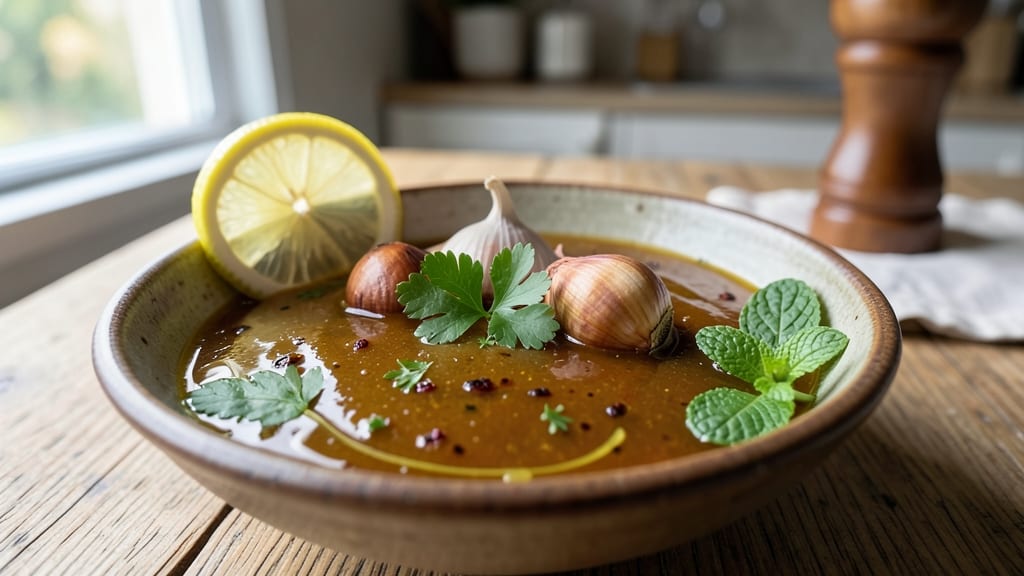
This Aleppo pepper sauce recipe delivers the perfect balance of smoky heat and bright freshness in every drop. The secret lies in blending finely ground Aleppo peppers with high-quality olive oil, creating a sauce that's versatile enough for drizzling, marinating, or finishing dishes.
I developed this recipe after years of experimenting with Middle Eastern flavors, and it's become my go-to for adding depth to everything from grilled meats to roasted vegetables.
The beauty of this sauce is its simplicity—just five core ingredients transform into a complex, aromatic condiment with layers of flavor. Aleppo peppers provide that signature smoky heat, while garlic and lemon juice add brightness, and fresh herbs elevate it to restaurant-quality.
What makes it truly special is how it enhances other dishes without overpowering them, making it perfect for both home cooks and professional chefs.
By the time you're done, you'll have a smooth, velvety sauce that's ready to drizzle over grilled chicken, toss with roasted potatoes, or mix into marinades.
The sauce keeps beautifully in the refrigerator for up to two weeks, allowing you to enjoy this flavorful addition to your cooking repertoire without rushing through the process. It's the kind of condiment that transforms simple meals into something extraordinary.
Whether you're looking to elevate your weeknight dinners or impress guests at a dinner party, this Aleppo pepper sauce is the perfect solution. The recipe is designed to be foolproof, ensuring you achieve consistent results every time.
Let's get started on creating this flavorful condiment that will become a staple in your kitchen.
Ingredients for aleppo pepper sauce
Five ingredients, endless flavor—this sauce transforms simple dishes into restaurant-quality masterpieces.
| Ingredient | Amount | Notes |
|---|---|---|
| Aleppo Peppers 🌶️ | 2 tbsp | Finely ground, not powdered |
| Extra-Virgin Olive Oil 🫒 | ¾ cup | High quality, fruity flavor |
| Garlic Cloves 🧄 | 4 cloves | Peeled, roughly chopped |
| Fresh Lemon Juice 🍋 | 2 tbsp | Freshly squeezed preferred |
| Fresh Flat-Leaf Parsley 🌿 | ¼ cup | Stems removed, loosely packed |
| Fresh Mint Leaves 🌿 | 0.1 cup | Optional for extra brightness |
| Sea Salt 🧂 | ½ tsp | Fine grain preferred |
| Black Peppercorns 🌶️ | ¼ tsp | Freshly ground preferred |
Aleppo peppers are the star here. Look for whole dried peppers at Middle Eastern markets or specialty stores—they're more flavorful than pre-ground. Trader Joe's and Whole Foods usually carry them if you're in a pinch. Grind them fresh in a spice grinder for the best flavor—pre-ground loses its smoky depth fast. The olive oil should be extra-virgin with a fruity aroma; cheap oil makes cheap sauce. I always grab a small bottle of California extra-virgin from the bulk section at Costco—it's worth the splurge for this recipe.
No Aleppo peppers? Smoked paprika with a pinch of cayenne gets you close, though it won't have that same signature warmth. Fresh garlic is ideal, but garlic powder at half the amount works in a bind. Short on parsley? Fresh cilantro or basil adds a different but equally bright note. The mint is optional but adds that extra layer of freshness—skip it if you're not a fan. For extra richness, add 1 tbsp tahini to the final blend. And if you're feeling fancy, strain the sauce for a silky texture or leave it slightly chunky for more rustic appeal.
This sauce keeps beautifully—2 weeks in the fridge, 6 months frozen. Store it in a clean glass jar with a tight seal, and pour a thin layer of olive oil on top before closing to preserve freshness. I like to portion it into small jars so I always have some ready to grab. The flavor actually improves over time as everything mellows together. If it thickens, just stir in a splash of water or olive oil to loosen it up.
Why You'll Love This Recipe
- Five-Ingredient Magic: I swear by this—just peppers, oil, garlic, lemon, and parsley. That’s it. No standing over a stove for hours, no complicated techniques. Honestly, it’s the kind of recipe I make when I’ve got a head full of other stuff and still want dinner to taste like I planned.
- Bright Heat Balance: The Aleppo peppers bring that warm, fruity kick without burning your mouth off. Between us, the lemon and parsley cut through the richness so it’s fresh, not heavy. I’ll be real: I’ve tried store-bought sauces, and this one actually tastes better—like someone seasoned it with intention.
- Weeknight to Dinner Party: This sauce works just as well drizzled over grilled chicken as it does on a charcuterie board. I keep a jar in the fridge for lazy nights, but it’s also the star of my Sunday brunch when I’m hosting. (Yes, even on a Tuesday night.)
- Lasts a Week: Make a big batch—it keeps for days in the fridge, and the flavors only get deeper. I’ve had it on toast, in pasta, and even mixed into yogurt for a dip. Between us, it’s my budget-friendly secret for making simple meals feel special without breaking the bank.
Step-by-step instructions for Aleppo pepper sauce
This vibrant sauce delivers the perfect balance of smoky heat and fresh herb brightness—simple steps for big flavor.
Toast the Aleppo Peppers
Heat a small dry skillet over medium-low heat. Add the 2 tbsp Aleppo peppers and toast them for 1-2 minutes, stirring constantly until they become fragrant and slightly darker in color. This step deepens their flavor without burning them—you'll know it's ready when you smell that warm, earthy aroma. Let them cool completely before proceeding, as hot peppers can scorch your olive oil.
Here's the thing—Aleppo peppers are milder than cayenne but still pack heat. Toasting them brings out their natural sweetness and complexity, making the sauce more nuanced. If you're unsure about the heat level, taste a tiny pinch first. The sauce can always be adjusted later, but you can't un-toast peppers once they've cooled.
Infuse the Olive Oil
In a medium saucepan, combine the 0.75 cup extra-virgin olive oil with the toasted Aleppo peppers and 4 cloves roughly chopped garlic. Warm the mixture over low heat for 5-7 minutes, stirring occasionally. You're looking for the oil to develop a subtle golden hue and carry the aroma of garlic and peppers throughout your kitchen—that's when you'll know it's properly infused.
Don't rush this step. The low heat ensures the oil absorbs the flavors without breaking down. If you see any bubbles forming, reduce the heat immediately—you want gentle simmering, not frying. This infusion process is what transforms simple ingredients into something extraordinary. Once infused, remove the pan from heat and let the mixture cool completely before proceeding.
Blend the Fresh Herbs
While the oil cools, combine the 0.25 cup fresh flat-leaf parsley, 0.1 cup fresh mint leaves, 2 tbsp fresh lemon juice, 0.5 tsp sea salt, and 0.25 tsp black peppercorns in a blender or food processor. Pulse until the herbs are finely chopped but not completely pureed—you want to retain some texture. This herb blend will provide the bright, fresh contrast to the smoky pepper base.
I like to add the lemon juice at this stage because it helps balance the heat from the Aleppo peppers while keeping the herbs vibrant. The mint adds a lovely freshness that cuts through the richness of the olive oil. If you're using stems, make sure they're removed—they can make the sauce bitter. Taste the herb mixture before proceeding; you can adjust the salt or lemon to your preference now, but it's easier to fix than later.
Combine and Simmer
Once the oil mixture has cooled to room temperature, transfer it to a clean saucepan. Add the herb blend and stir gently over low heat for 3-5 minutes, just until everything is fully incorporated and heated through. The sauce should be smooth with a vibrant red hue from the Aleppo peppers. If it looks too thick, add 1-2 tablespoons of water to reach your desired consistency—it should coat the back of a spoon but still be pourable.
This is where all the flavors come together. The heat helps meld the smoky, spicy notes with the bright herbs and citrus. Taste and adjust seasoning if needed—you might want to add a pinch more salt or a splash of lemon juice to balance the flavors. The sauce should be tangy, slightly spicy, and herbaceous, with a smooth finish. Let it cool completely before serving, as the flavors will continue to develop.
Rest and Serve
Transfer the sauce to a clean jar or bowl and let it rest at room temperature for at least 30 minutes—this allows the flavors to fully meld and the heat to mellow slightly. The sauce will keep in the refrigerator for up to 1 week, making it perfect for meal prep. When ready to serve, give it a final stir and taste. It should be vibrant, aromatic, and perfectly balanced between smoky heat and fresh brightness.
This sauce is incredibly versatile—drizzle it over grilled meats, use it as a marinade, or serve it with crusty bread for dipping. The Aleppo peppers provide a gentle warmth that won't overpower, while the herbs and lemon keep it bright and refreshing. Store any leftovers in an airtight container in the fridge, and bring to room temperature before using again. Enjoy the fruits of your labor!
Pro Tips For Making Aleppo Pepper Sauce
- Toast the Peppers: I learned this the hard way—raw Aleppo peppers taste like nothing but bitterness. Heat a dry skillet over medium-low and toast the whole peppers for 3-4 minutes, turning often, until they darken slightly and smell floral. The flavor deepens instantly, and you’ll taste the difference.
- Pulse Garlic Lightly: A food processor is your friend here, but resist the urge to go full purée. Pulse the garlic cloves with the peppers until they’re finely chopped but still have texture—think rough sand, not paste. Too fine, and the sauce turns slimy; too coarse, and you’ll taste raw garlic.
- Strain Twice: After blending, strain the sauce through a fine-mesh sieve, then press it with a spoon. I know, it’s tedious, but the first pass won’t catch all the seeds and skins. Those little gritty bits ruin the silky finish—your future self will notice the difference.
- Finish with Cold Oil: Sounds weird, but it works: let the sauce cool slightly, then drizzle in the extra-virgin olive oil while stirring. The heat shock makes the oil emulsify better, giving you a glossy, stable sauce instead of a split one. (Yes, even if you’re impatient like me.)
Perfect pairings for these flavors
Grilled Meats
This sauce transforms grilled chicken, lamb, or beef into a flavor sensation. I love drizzling it over grilled ribeye steaks just before serving—it adds a smoky depth that pairs perfectly with the charred crust.
For extra richness, brush the sauce onto grilled lamb chops during the last 2 minutes of cooking so the heat infuses the meat. The Aleppo peppers complement the natural fat in meats beautifully. 🔥
Roasted Vegetables
Roasted vegetables become irresistible with this sauce. Toss eggplant, zucchini, or cauliflower with 1 tbsp olive oil, roast at 400°F for 25 minutes, then finish with 1 tsp sauce and fresh parsley.
The smoky heat contrasts perfectly with the caramelized edges. For a complete meal, serve over roasted sweet potatoes with a sprinkle of feta cheese.
Dips and Spreads
Use this sauce as a dip for warm pita bread or crudités like cucumbers and bell peppers. Mix 2 tbsp sauce with ¼ cup Greek yogurt for a creamy, spicy dip that’s perfect with naan or falafel.
For extra texture, add chopped toasted pine nuts or crumbled feta. It’s a game-changer for appetizers! 🌿
Salad Dressings
Turn this sauce into a vibrant salad dressing by thinning it with 2 tbsp water or apple cider vinegar. Toss with arugula, cherry tomatoes, and red onion for a bright, spicy contrast.
I also love drizzling it over Mediterranean bowls with quinoa, chickpeas, and olives. The herbs keep it fresh, while the Aleppo peppers add warmth without overpowering.
Marinades
Marinate chicken thighs or shrimp in ¼ cup sauce for 30-60 minutes before grilling or pan-searing. The sauce tenderizes the meat while infusing it with smoky flavor.
For extra depth, add 1 tsp honey to the marinade. The lemon in the sauce helps break down proteins, ensuring juicy results every time. 🍋
Bread and Flatbreads
Spread this sauce on warm lavash or flatbread with crumbled halloumi cheese and sliced cucumbers for a quick, flavorful appetizer. The Aleppo peppers add a gentle kick that pairs perfectly with the creamy cheese.
For a sweet-savory twist, drizzle it over grilled peaches with a sprinkle of flaky sea salt. It’s a surprising but delicious dessert topping! ✨
Nutrition facts
Frequently asked questions
Can I make this sauce without fresh herbs?
If you don't have fresh parsley or mint, use 1 tbsp dried parsley and ½ tsp dried mint instead. For extra flavor, add ½ tsp dried oregano or thyme. The sauce will still be delicious—just slightly less vibrant. Dried herbs work best when toasted lightly in the oil with the Aleppo peppers for maximum aroma.
How do I adjust the heat level?
Aleppo peppers have mild heat, but you can control the spice by adjusting the amount. For a milder sauce, reduce to 1 tbsp peppers or add 1 tsp honey to balance. For extra heat, increase to 3 tbsp peppers or add ¼ tsp cayenne pepper. Always taste as you go—you can't remove heat once added!
Can I use this sauce on pasta or risotto?
Yes! Drizzle 1-2 teaspoons over finished pasta or risotto for a bright, smoky finish. For extra richness, stir 1 tbsp sauce into the cooking liquid during the last 2 minutes of simmering. It pairs beautifully with creamy dishes like mac and cheese or butternut squash risotto.
Why did my sauce separate?
Separation usually happens if the ingredients didn't blend properly or the sauce cooled too quickly. Stir in 1-2 tbsp warm water or olive oil and reheat gently until smooth. For prevention, let the sauce cool to room temperature before refrigerating, and stir well before storing. The herbs and oil need time to fully emulsify!
What's the best way to store leftovers?
Transfer to a clean glass jar with a tight seal and store in the fridge for up to 2 weeks. For longer storage, freeze in 1-tbsp portions for easy use. Always bring the sauce to room temperature before using again—cold sauce can make dishes taste dull. A thin layer of olive oil on top helps preserve freshness!