
Sauces & Condiments
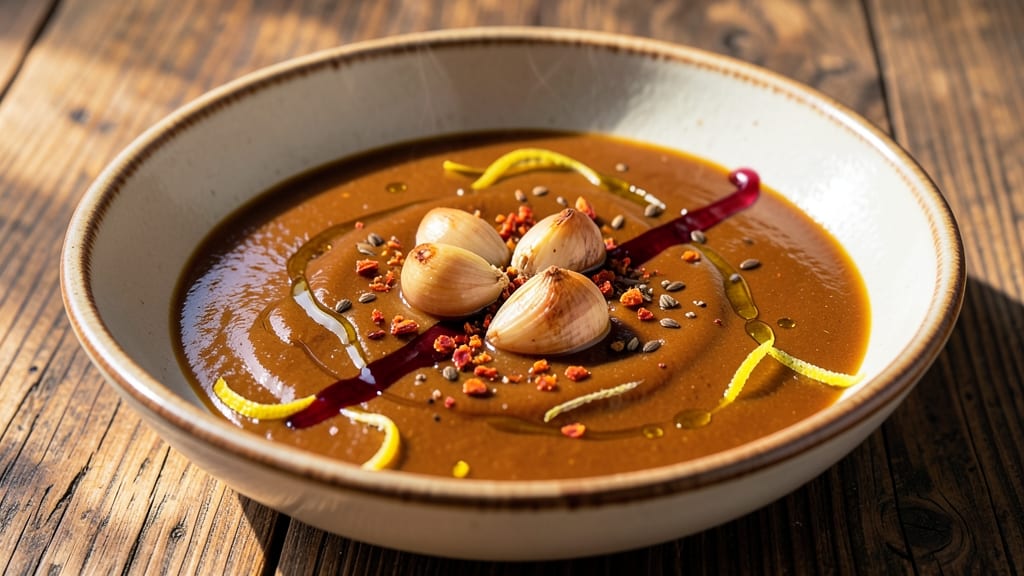
This Aleppo sauce recipe transforms simple ingredients into a smoky, vibrant condiment that elevates everything from grilled meats to roasted vegetables. The secret lies in balancing Aleppo pepper’s fruity heat with bright lemon and rich olive oil, creating a sauce with depth that lingers on your palate.
What starts as a humble blend becomes a versatile staple in Mediterranean and Middle Eastern cooking—drizzled, dipped, or stirred into dishes for instant complexity.
The beauty of this sauce is its simplicity: just a handful of ingredients—Aleppo pepper, olive oil, garlic, and lemon—but the technique makes all the difference. Toasting the garlic gently enhances its sweetness, while simmering the mixture reduces it to a concentrated, glossy finish.
No special equipment is needed, just patience to let the flavors meld. This isn’t just a condiment; it’s a flavor multiplier that turns ordinary meals into something extraordinary.
Once complete, you’ll have a smooth, velvety sauce with a subtle smokiness and bright acidity that cuts through rich dishes. It’s perfect for drizzling over hummus, dolloping on grilled lamb, or mixing into yogurt for a tangy dip.
The versatility is endless—use it as a marinade, a finishing touch, or even a base for dressings. Every spoonful delivers layers of flavor that make it worth making from scratch.
Best of all, this sauce keeps well in the fridge for up to two weeks, so you can make a batch and enjoy it throughout the week.
Whether you’re serving it at a gathering or keeping it for weeknight dinners, this Aleppo sauce recipe is a game-changer for home cooks looking to add professional-level flavor to their meals.
Ingredients for aleppo sauce
This smoky, vibrant sauce transforms simple pantry staples into a professional-grade condiment perfect for Mediterranean dishes.
| Ingredient | Amount | Notes |
|---|---|---|
| Aleppo Pepper 🌶️ | ½ cup | Freshly ground for optimal flavor |
| Extra-Virgin Olive Oil 🫒 | 1 cup | High-quality, fruity variety |
| Garlic Cloves 🧄 | 4 cloves | Lightly toasted for sweetness |
| Fresh Lemon Juice 🍋 | ¼ cup | Freshly squeezed for brightness |
| Red Wine Vinegar 🍷 | 1 tbsp | For balanced acidity |
| Granulated Garlic 🧄 | 1 tsp | For depth of flavor |
| Sea Salt 🧂 | ½ tsp | Diamond Crystal preferred |
| Fresh Cumin Seeds 🌿 | ½ tsp | Toasted for aromatic richness |
| Ground Cumin 🌿 | ½ tsp | For earthy undertones |
| Honey 🍯 | 1 tbsp | Local preferred for flavor |
The heart of this sauce lies in the Aleppo pepper, which should be freshly ground for maximum flavor intensity. Middle Eastern specialty stores often carry high-quality Aleppo pepper in bulk, but Whole Foods or Trader Joe's typically stock it as well. Look for vibrant red color and a fruity aroma—this indicates freshness. The extra-virgin olive oil must be high-quality; California olive oils or Italian varieties like Frantoio deliver the best fruity notes. Toasting the garlic cloves in olive oil before blending enhances their sweetness, creating a deeper flavor profile that elevates the sauce.
No Aleppo pepper? Smoked paprika at half the amount provides a similar smokiness, though it lacks the fruity complexity. Short on lemon juice? Substitute with lime juice, though the flavor profile will shift slightly. The honey adds a subtle sweetness that balances the heat—if you prefer vegan, maple syrup works equally well. For extra depth, toast the cumin seeds in a dry pan until fragrant before grinding. The red wine vinegar is essential for acidity; balsamic vinegar can substitute but will darken the sauce slightly. Always taste as you go—this sauce rewards small adjustments for perfect balance.
Store the sauce in an airtight glass jar in the refrigerator for up to two weeks, where its flavors will continue to meld and deepen. For longer storage, transfer to a sterile jar and freeze for up to three months. The sauce thickens as it chills, so let it sit at room temperature for 10-15 minutes before serving to achieve that perfect velvety texture. Portion into small containers for easy use—this sauce is too good to keep hidden in the back of the fridge.
Why You'll Love This Recipe
- No-Fuss Ingredients: I keep a jar of Aleppo pepper and olive oil in my pantry year-round—this sauce is just those two plus whatever’s already in my fridge. Honestly, the hardest part is waiting for the garlic to toast just right.
- Sunshine in a Jar: That bright, citrusy kick from the lemon and vinegar cuts through the pepper’s warmth like a summer breeze. It’s the kind of flavor that makes you reach for seconds without even thinking.
- Weeknight Magic: Drizzle it on roasted veggies, toss it with pasta, or slather it on grilled chicken—it’s my go-to when I’m too tired to plan. Between us, it’s also the only sauce my picky teenage son won’t complain about.
- Long Shelf Life: Make a big batch and store it for weeks. The flavors deepen over time, and it’s cheaper than buying specialty sauces. I’ll be real: I’ve had this same jar for three months, and it’s still the star of every meal.
Step-by-step instructions for Aleppo sauce
This smoky red pepper blend comes together with precise technique and layered flavors.
Toast the Aromatics for Depth
Heat a small dry skillet over medium heat. Add the 4 cloves garlic cloves and 0.5 tsp fresh cumin seeds, stirring constantly for 1-2 minutes until the garlic turns golden and the cumin seeds release their aroma. You'll notice the kitchen fills with a warm, earthy scent—this is your signal they're ready.
Remove from heat immediately and transfer the toasted mixture to a small bowl. Let it cool for 5 minutes before processing. This brief cooling prevents the garlic from turning bitter when combined with the oil later. The toasted aromatics form the flavor foundation of your sauce.
Blend the Base Components
In a high-speed blender, combine the toasted garlic and cumin with the 0.5 cup Aleppo Pepper, 1 tsp granulated garlic, 0.5 tsp ground cumin, and 0.5 tsp sea salt. Blend on high speed for 30 seconds until you achieve a fine, powdery consistency. This ensures even distribution of all spices throughout the sauce.
With the blender still running, slowly pour in the 1 cup Extra-Virgin Olive Oil through the feed tube. This gradual addition prevents oil splatter and creates a smooth emulsion. Blend for an additional 1-2 minutes until completely smooth, scraping down the sides as needed. The mixture should have a thick, paste-like consistency.
Emulsify with Acidic Components
Transfer the blended mixture to a medium bowl. Add the 0.25 cup fresh lemon juice, 1 tbsp red wine vinegar, and 1 tbsp honey. Using a silicone spatula, gently fold these ingredients into the oil mixture until fully incorporated. The acidity from the lemon and vinegar helps balance the richness of the olive oil and the heat from the Aleppo pepper.
This is where the sauce begins to come together. The mixture should thicken slightly as the acid begins to emulsify with the oil. If it appears too thick, add 1-2 teaspoons of water at a time until you reach a smooth, pourable consistency. The final texture should be like a thick, vibrant sauce—neither too runny nor too stiff.
Rest and Refine the Flavor
Cover the bowl with plastic wrap and let the sauce rest at room temperature for at least 30 minutes. This resting period allows all the flavors to meld together and the spices to fully infuse into the oil. The sauce will continue to develop complexity over the next 24 hours if stored properly, but it's ready to use immediately.
Before using, give the sauce a final taste and adjust seasoning if needed. You might find the balance between sweet, smoky, and acidic needs a slight tweak. Add more honey for sweetness, a touch of vinegar for acidity, or a pinch of salt to enhance the flavors. The sauce should be vibrant red with a smooth, velvety texture and a perfect balance of heat, tang, and depth.
Pro Tips For Making Aleppo Sauce
- Toast the garlic low: Low and slow is the way—crispy garlic turns bitter fast. Sauté those cloves in olive oil over the lowest heat you can stand, stirring every 30 seconds, until they’re golden but not brown. (Yes, it’ll take 8-10 minutes. Trust me, your sauce won’t taste like a charred crime scene.)
- Strain the peppers twice: Aleppo pepper dust clumps like a stubborn snowdrift. First, whisk it into the oil before adding anything else—this breaks up the powder. Then, strain the finished sauce through a fine-mesh sieve and a coffee filter for that silky texture. (Your lazy strainer won’t cut it.)
- Balance the heat last: Add lemon juice and vinegar after tasting the raw sauce. Aleppo pepper’s heat builds slowly, so you’ll need to adjust—start with half the acid, then tweak. (I learned this after making a batch so sour it could’ve pickled a cactus.)
- Use aged vinegar: Cheap red wine vinegar tastes like vinegar. For depth, grab a bottle that’s been aged 2+ years (like Balsamic-style vinegar). It mellows the sharpness and adds a caramel note that makes the sauce taste like it simmered for hours. (No, you don’t need to age it yourself—just buy the good stuff.)
Troubleshooting this dish
Grainy Texture Fix
If your sauce ends up grainy after blending, it’s likely because the Aleppo pepper wasn’t finely ground or the oil wasn’t fully emulsified. Pulse the pepper in a spice grinder for an extra 10-15 seconds before blending to ensure a smooth consistency.
For stubborn grains, strain the sauce through a fine-mesh sieve into a clean bowl, pressing gently with a silicone spatula. This step works wonders for achieving that silky, restaurant-quality finish. 💫
Too Thin or Runny
Sauce that’s too thin usually means the acid (lemon juice or vinegar) overpowered the oil or the mixture wasn’t emulsified properly. To thicken it, simmer the sauce in a small saucepan over low heat for 5-7 minutes, stirring constantly.
Alternatively, blend in 1-2 tablespoons of toasted cumin seeds or granulated garlic to add body without altering flavor. Let it cool before using—it’ll thicken further as it sits.
Overpowering Heat
If the Aleppo pepper’s heat feels too intense, balance it with more honey or olive oil. Add ½ tablespoon of honey at a time, tasting after each addition, until the heat mellows. For a smoother finish, whisk in 1-2 teaspoons of plain yogurt to cool the spice.
If the sauce still burns, dilute it with 1 tablespoon of water and let it rest for 10 minutes—the flavors will mellow naturally. 🌶️
Separation Issues
Separation happens when oil and water-based ingredients don’t emulsify properly. To fix it, whisk the sauce vigorously with a fork or small whisk for 2-3 minutes until it recombines. For stubborn separation, blend in 1 teaspoon of Dijon mustard or 1 tablespoon of lemon juice—both act as natural emulsifiers.
Gently reheat the sauce over low heat while stirring constantly to help the ingredients reintegrate smoothly.
Flat or Bland Flavor
Bland sauce often means the aromatics weren’t toasted enough or the spices weren’t fresh. Boost flavor by adding ½ teaspoon of toasted coriander seeds or a pinch of smoked paprika to deepen the smokiness.
For brightness, squeeze in an extra 1 tablespoon of fresh lemon juice or a dash of red wine vinegar. If the sauce tastes dull, let it rest for an extra 30 minutes—sometimes flavors need more time to develop fully.
Storage-Related Thickening
If your sauce thickens excessively after refrigeration, it’s completely normal—oil-based sauces behave this way. To restore the ideal consistency, let it sit at room temperature for 10-15 minutes before using. If it’s still too thick, thin it with 1 teaspoon of warm water or lemon juice while whisking gently.
For future batches, reduce the honey slightly (½ tablespoon) to prevent over-thickening during storage. ❄️
Nutrition facts
Frequently asked questions
What’s the difference between Aleppo pepper and regular red pepper flakes?
Aleppo pepper has a unique fruity, slightly sweet heat with smoky undertones, while regular red pepper flakes are more one-dimensional and bitter. The color is also lighter—Aleppo is a pale orange-red versus the deep red of cayenne or crushed red pepper. For substitution, use half the amount of smoked paprika plus a pinch of sweet paprika to mimic the flavor profile.
Can I make this sauce without a blender?
Yes! If you don’t have a blender, grind the Aleppo pepper and spices into a fine powder using a mortar and pestle, then whisk vigorously with the olive oil. For the acidic components, whisk them in gradually while stirring constantly. The texture will be slightly less smooth but still delicious—just stir well before using.
How can I use Aleppo sauce beyond drizzling?
This versatile sauce works as a marinade (great for grilled chicken or lamb), a dip for pita or crudités, or a base for dressings. Stir it into yogurt for a tangy sauce, mix with tahini for a creamy dip, or whisk into olive oil for a quick salad dressing. It even adds depth to soups and stews when stirred in at the end.
Why does my sauce taste bitter?
Bitter flavors usually come from over-toasted garlic or using stale spices. To fix it, add ½ teaspoon of honey or 1 tablespoon of lemon juice to balance the bitterness. For future batches, toast garlic just until golden (about 1-2 minutes) and use freshly ground Aleppo pepper. If the bitterness persists, strain the sauce through a fine-mesh sieve to remove any burnt particles.
How long can I keep this sauce in the fridge?
Properly stored in an airtight glass jar, this sauce stays fresh for up to 2 weeks in the fridge. The flavors actually improve over time! For longer storage, freeze in small portions for up to 3 months. Thaw overnight in the fridge—never at room temperature—and give it a good stir before using, as it may thicken during freezing.