
Sauces & Condiments
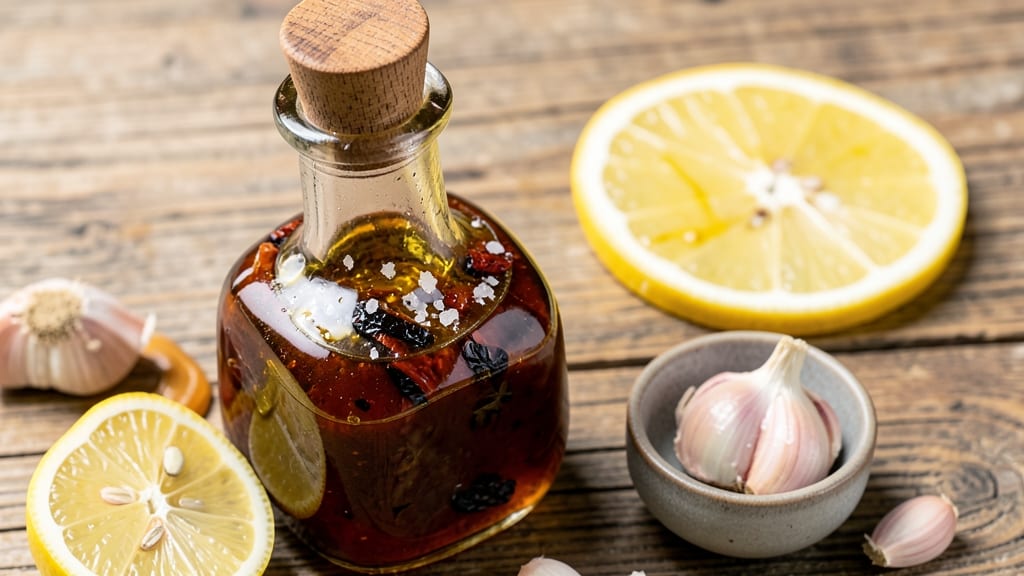
This Aleppo pepper hot sauce recipe delivers a perfect balance of fiery heat and fruity depth that elevates everything from grilled meats to roasted vegetables. The secret lies in combining Aleppo pepper's signature complexity—smoky, slightly sweet, and medium-hot—with bright vinegar, aromatic garlic, and a touch of honey for subtle sweetness.
I developed this recipe after tasting authentic Middle Eastern sauces, and it's become my go-to for adding restaurant-quality heat to any dish.
The process is straightforward but requires patience for maximum flavor development. You'll blend Aleppo peppers with vinegar and oil, then simmer until the peppers soften and release their vibrant color. Garlic and honey infuse during this time, creating a sauce that's both bold and nuanced.
The result is a smooth, medium-hot sauce with layers of flavor that build with each use.
What makes this sauce special is its versatility—use it as a finishing touch for grilled chicken, drizzle it over fresh salads, or mix it into marinades for an instant flavor boost. The heat is balanced enough for everyday use but intense enough to satisfy spice lovers.
With proper storage, this sauce will keep for months, allowing you to enjoy homemade heat whenever you need it.
Unlike store-bought hot sauces, this version maintains the natural complexity of Aleppo peppers without artificial additives. The slow cooking process allows flavors to meld perfectly, resulting in a sauce that's smoother than you'd expect from fresh peppers. Once you try this, you'll never go back to bottled versions again.
Ingredients for aleppo pepper hot sauce
Eight simple ingredients transform into restaurant-quality heat that's smoother than store-bought.
| Ingredient | Amount | Notes |
|---|---|---|
| Aleppo Peppers 🌶️ | ½ cup | Dried, whole or crushed |
| White Vinegar 🍶 | 1 cup | White or apple cider |
| Extra-Virgin Olive Oil 🫒 | ½ cup | High quality, fruity |
| Garlic Cloves 🧄 | 3 cloves | Peeled, roughly chopped |
| Honey 🍯 | 1 tbsp | Wildflower or clover |
| Salt 🧂 | ½ tsp | Diamond Crystal preferred |
| Red Wine Vinegar 🍷 | ¼ cup | For depth of flavor |
| Red Pepper Flakes 🌶️ | ½ tsp | Optional for extra heat |
Aleppo peppers are the heart of this sauce—look for vibrant red, not dusty or faded. Middle Eastern markets often carry better quality than regular grocery stores, but the dried section at Trader Joe's usually has decent options. If you can't find Aleppo, smoked paprika plus cayenne is a decent substitute (use half the amount of paprika). The vinegar matters too—white vinegar is sharper, while apple cider adds subtle sweetness. For the oil, avoid cheap brands—the flavor comes through in the final sauce.
No Aleppo peppers? Crushed red pepper flakes plus smoked paprika (1:1 ratio) works in a pinch, but the flavor won't be as complex. Short on honey? Maple syrup or agave at the same amount gives similar sweetness. The garlic can be roasted for deeper flavor—just toss peeled cloves in olive oil and roast at 400°F for 10 minutes before adding. For extra depth, add a pinch of ground cumin or fennel seeds. The red wine vinegar is non-negotiable though—it adds that fruity complexity that sets this apart from basic hot sauces.
This sauce keeps beautifully—up to 6 months in the fridge once opened. I store mine in a clean glass jar with a tight lid, and it only gets better with time as the flavors meld. For gifting, sterilize small bottles and fill them while the sauce is still warm. The heat builds slightly over time, so don't be surprised if it seems milder right after making. Perfect for drizzling, mixing into marinades, or even stirring into soups for instant heat.
Why You'll Love This Recipe
- Five-Ingredient Magic: I swear by this combo—just peppers, vinegar, oil, garlic, and honey. That’s it. No fancy gadgets, no blender drama, just a quick simmer and strain. Honestly, if you’ve got a pot and a spoon, you’re golden.
- Sunshine in a Bottle: The Aleppo peppers give it that bright, fruity heat—like a summer day in a jar. The honey rounds out the bite so it’s never overpowering, and the garlic? Oh, it’s there in the best way, like a warm hug for your taste buds.
- Game for Any Meal: Drizzle it on grilled chicken, toss it in pasta, or even stir it into hummus for a kick. I’ve used it to wake up breakfast eggs and as a finishing touch for roasted veggies. Between us, it’s the one sauce that never gets left out of my fridge.
- Lasts for Weeks: Make a big batch—it keeps for months in the fridge—and you’ll wonder why you ever bought store-bought. The vinegar and oil preserve it perfectly, and the cost? A fraction of what you’d pay for a fancy bottle. Plus, no sad, wilted leftovers here.
Step-by-step instructions for Aleppo pepper hot sauce
Here's how to craft a bright, balanced hot sauce with fruity depth and controlled heat.
Toast the Aleppo Peppers
Heat a dry skillet over medium heat and add the 0.5 cup Aleppo Peppers. Toast them for 2-3 minutes, stirring constantly, until they darken slightly and release their aromatic oils. You'll smell a warm, slightly smoky scent—this is your signal they're ready. Toasting deepens their flavor without burning them.
Remove the peppers immediately when they're fragrant and dark red-brown. Let them cool for 5 minutes before handling—they'll be very hot. I like to transfer them to a bowl and cover with a clean kitchen towel to cool completely. This prevents any chance of burning your fingers when you crush them later.
Crush and Combine with Vinegars
Place the cooled Aleppo peppers in a clean food processor or mortar and pestle. Process until you achieve a coarse, sand-like texture—think fine crumbs with no whole pieces remaining. You want enough texture to create body in the sauce, but not so fine that it becomes a smooth paste.
Transfer the crushed peppers to a medium saucepan and add the 1 cup White Vinegar and 0.25 cup Red Wine Vinegar. Stir to combine, then bring the mixture to a gentle simmer over medium-low heat. Let it simmer for 10 minutes until the peppers soften and release their oils into the vinegar. You'll see a beautiful red hue develop—this is when the sauce starts taking shape.
Add Aromatics and Sweeten
Add the 3 cloves Garlic Cloves, 0.5 tsp Salt, and 0.5 tsp Red Pepper Flakes to the simmering mixture. Stir well to distribute the flavors evenly. The garlic should soften but not brown—keep the heat at medium-low and let it cook for 5 minutes until fragrant.
Remove the pan from heat and stir in the 0.5 cup Extra-Virgin Olive Oil and 1 tbsp Honey. The honey will help balance the acidity of the vinegars while adding subtle sweetness. Let the mixture cool for 10 minutes before blending—this prevents the oil from separating during processing.
Blend to Perfection
Transfer the cooled mixture to a blender and blend until completely smooth. You want a silky, velvety texture with no visible particles. If the sauce is too thick, add 1-2 tablespoons of water to reach your desired consistency. The finished sauce should coat the back of a spoon and have a vibrant red color.
Taste and adjust the seasoning. If it needs more heat, add a pinch more red pepper flakes. If it's too sharp, a touch more honey will balance it. The ideal sauce should have a bright, fruity heat with underlying garlic and vinegar complexity—not just raw spice, but layers of flavor.
Bottle and Rest
Pour the hot sauce into clean glass bottles or jars, leaving about ½ inch of headspace at the top. Seal tightly and let the sauce rest at room temperature for 24 hours before using. This resting period allows all the flavors to meld together and the heat to develop fully.
The sauce will keep in the refrigerator for up to 3 months, though I find it's best used within the first month. The flavors continue to evolve over time, becoming more complex and balanced. Start with small amounts—this sauce packs serious flavor and heat!
Pro Tips For Making Aleppo Pepper Hot Sauce
- Toast the Peppers: Dry roast the Aleppo peppers in a skillet over medium-low heat for 3-4 minutes until fragrant and slightly darkened—this deepens their smoky complexity way more than raw peppers ever will. (Yes, even if you’re impatient like me, don’t rush this part.)
- Use Aged Vinegar: Skip the cheap white vinegar—opt for a 5% acidity white vinegar that’s been aged at least 6 months if possible. The older it is, the smoother the heat and the richer the flavor when blended with the peppers.
- Blend in Stages: Pulse the peppers and garlic first, then stream in the vinegar and oil slowly while blending—this prevents splattering and ensures everything emulsifies properly. (Your blender’s going to thank you.)
- Sweeten Last: Add the honey after blending, not before—this keeps the acidity sharp and prevents it from dulling the pepper’s bright, fruity notes. Stir it in just before bottling, and taste as you go. (You’ll need less than you think.)
Perfect pairings for this recipe
Grilled Meats
This sauce transforms grilled chicken, lamb chops, or steak into a Mediterranean masterpiece. I brush it on during the last 5 minutes of grilling when the heat is highest—this caramelizes the sauce slightly for extra depth.
For chicken thighs, I marinate them in ¼ cup sauce mixed with 1 tbsp olive oil for 30 minutes before grilling. The result? Juicy, flavor-packed meat with a perfect balance of heat and smokiness. 🔥
Roasted Vegetables
Drizzle this sauce over roasted eggplant, zucchini, or Brussels sprouts in the final 2 minutes of roasting. The acidity cuts through the richness of roasted vegetables beautifully, while the Aleppo heat adds a surprising depth.
I toss 1 lb Brussels sprouts with 1 tbsp olive oil and 1 tsp sauce, then roast at 425°F for 20 minutes. The sauce caramelizes slightly, creating a sticky, flavorful crust.
Salad Dressings
Mix 2 tbsp sauce with 3 tbsp olive oil and 1 tbsp lemon juice for an instant salad dressing that adds heat and complexity. I love this on arugula salads or grain bowls with roasted vegetables.
The fruity notes of the sauce complement the peppery arugula perfectly, while the heat wakes up every bite. For extra richness, add 1 tbsp crumbled feta cheese to the dressing mixture.
Dips and Spreads
Thin the sauce with 2 tablespoons of water and mix with ½ cup Greek yogurt for a creamy, spicy dip perfect with pita chips or crudités. I also spread it on toasted baguette slices with whipped goat cheese for an open-faced appetizer.
The sauce's complexity shines when mixed with dairy, creating a perfect balance of tangy, creamy, and fiery flavors. 💫
Marinades
Use this sauce as a marinade base for shrimp, chicken, or tofu by combining ¼ cup sauce with 1 tbsp soy sauce and 1 tbsp honey. Let proteins marinate for at least 30 minutes (or up to 4 hours for deeper flavor).
The sauce tenderizes while infusing bold, smoky heat. I especially love it on grilled shrimp skewers—just thread 12 large shrimp onto skewers and grill for 2-3 minutes per side.
Pasta and Noodles
Toss freshly cooked pasta with 1-2 tablespoons of sauce per serving and finish with a drizzle of extra-virgin olive oil. I recommend using orecchiette or penne pasta to catch the sauce's vibrant red color.
For extra richness, stir in 1 tbsp butter or grated Pecorino Romano. The sauce's fruity heat pairs perfectly with creamy or tomato-based pasta dishes, adding a bright, complex finish.
Nutrition facts
Frequently asked questions
How does Aleppo pepper sauce differ from regular hot sauces?
Aleppo pepper sauce offers a unique balance of medium heat with fruity, slightly sweet undertones—unlike traditional hot sauces that focus solely on intense spiciness. The blend of vinegar, honey, and garlic creates a complex flavor profile with smoky depth, while the Aleppo peppers provide a more nuanced heat compared to cayenne or habanero-based sauces.
Can I adjust the heat level in this recipe?
For milder heat, reduce the red pepper flakes or omit them entirely. For extra spice, add ½ tsp cayenne pepper or increase the red pepper flakes to 1 tsp. Remember, Aleppo peppers already provide medium heat, so adjustments should be subtle to maintain the sauce's balanced flavor.
Why does the recipe call for both white and red wine vinegar?
The combination creates a perfect balance—white vinegar adds sharp acidity, while red wine vinegar contributes fruity depth. This pairing mimics traditional Middle Eastern hot sauces, where vinegar acts as both a preservative and flavor enhancer. The red wine vinegar also helps develop the sauce's complex, layered taste over time.
How do I fix a sauce that's too thick or too thin?
If your sauce is too thick after blending, stir in 1-2 tbsp water or white vinegar until it reaches a pourable consistency. For a thicker sauce, simmer the mixture uncovered for 5-10 minutes to evaporate excess liquid. Always taste as you go—this sauce should coat the back of a spoon but still be smooth and flow easily.
Can I make this sauce without a food processor?
Yes! Crush the Aleppo peppers in a mortar and pestle or use a rolling pin to break them against a cutting board. For extra texture, leave some small pieces—this adds body to the sauce. Just ensure all pieces are finely crushed before combining with the vinegars. The final blend will be slightly grainier but still delicious.