
Sauces & Condiments
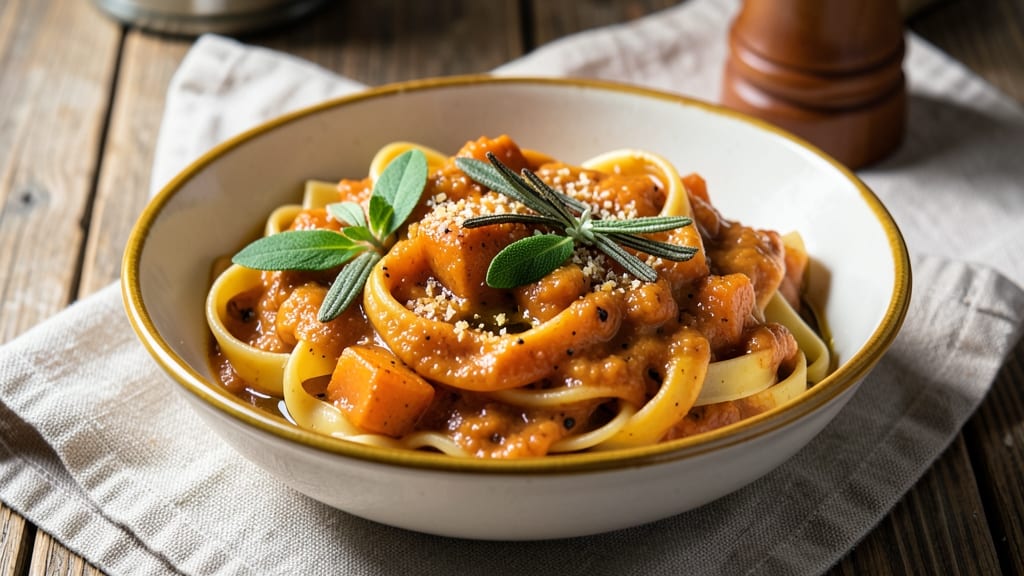
This Aldi pumpkin butternut squash pasta sauce transforms simple ingredients into a rich, velvety meal that feels like an autumnal feast. The secret lies in roasting the squash until caramelized, then blending it into a creamy sauce infused with fresh sage and nutmeg.
I developed this recipe after realizing how much better homemade sauce tastes compared to store-bought versions—especially when paired with perfectly cooked pasta.
The beauty of this dish is its simplicity: just a few pantry staples and 30 minutes of active time create a restaurant-quality meal. The roasted squash adds natural sweetness while the sage and cream create depth that elevates ordinary pasta into something special.
What makes this recipe stand out is how well it balances flavors—sweet from the squash, earthy from the sage, and creamy from the sauce—without overpowering the pasta.
By the time you twirl that first forkful, you'll taste perfectly al dente pasta coated in a luxurious sauce that's both comforting and sophisticated. The texture is where this dish truly shines: tender pasta strands wrapped in velvety sauce with pockets of roasted squash adding complexity.
This vegetarian-friendly meal also works beautifully with optional protein additions like white beans or grilled chicken.
Perfect for weeknight dinners or cozy weekend meals, this recipe delivers restaurant-quality results without the fuss. The sauce keeps well for up to 5 days in the fridge, making it ideal for meal prep. Here's how to create this comforting dish from start to finish.
Ingredients for aldi pumpkin butternut squash pasta sauce
Simple autumnal ingredients create a restaurant-worthy sauce that elevates humble pasta to gourmet levels.
| Ingredient | Amount | Notes |
|---|---|---|
| Small Butternut Squash 🎃 | 1 whole | Peeled, cubed, seeds removed |
| Extra-Virgin Olive Oil 🫒 | ½ cup | For roasting and finishing |
| Fresh Sage Leaves 🌿 | ¼ cup | Chopped, stems removed |
| Ground Nutmeg 🌶️ | ½ tsp | Freshly grated preferred |
| Heavy Cream 🥛 | 1 cup | Full-fat for creaminess |
| Vegetable Broth 💧 | 1 ½ cups | Low-sodium preferred |
| Garlic Cloves 🧄 | 3 cloves | Minced for depth |
| All-Purpose Flour 🌾 | 1 tbsp | For thickening sauce |
| Salt 🧂 | 1 tsp | Diamond Crystal preferred |
| Black Pepper 🌶️ | ½ tsp | Freshly ground preferred |
| Pasta 🍝 | 12 oz | Fettuccine or penne preferred |
| Parmesan Cheese 🧀 | ½ cup | Freshly grated for serving |
The butternut squash is the star—Aldi's organic variety works perfectly, but any firm, medium-sized squash will do. Look for vibrant orange skin with no soft spots. Costco often carries pre-cut squash in the fall, which saves time. Roasting until caramelized (about 30-40 minutes at 400°F) brings out its natural sweetness—the key to that velvety texture. If you're short on time, a pre-cut squash from Trader Joe's works just as well, but you'll lose some of that caramelized depth. The sage should be fresh, with deep green leaves—no yellowing or wilted stems.
No heavy cream? Full-fat coconut milk works beautifully, though the flavor will be slightly different. Substituting vegetable broth for water gives more depth—low-sodium is crucial so you can control the seasoning. Fresh nutmeg makes a difference, but if you only have ground, toast it lightly in a dry pan first to enhance its aroma. For the pasta, fettuccine or penne hold the sauce best, but any shape will work. If you're making this ahead, cook the pasta separately and toss it with sauce just before serving to keep it al dente.
This sauce reheats beautifully—simply warm on the stove with a splash of broth or water. Store in an airtight container in the fridge for up to 5 days, or freeze for 3 months. I like to portion it into meal prep containers with cooked pasta for quick lunches. The Parmesan should be grated fresh when serving—pre-grated clumps up and loses flavor. For extra richness, stir in a tablespoon of butter or olive oil when reheating. Leftovers taste even better the next day as flavors meld.
Why You'll Love This Recipe
- No Squash Peeling Nightmare: I’ll be real—peeling butternut squash is a pain. But this recipe uses a small one, so I just halve it, scoop out the seeds, and roast it whole. Less mess, same sweet flavor.
- Creamy Without Being Heavy: That heavy cream and nutmeg combo? It’s rich but not cloying, thanks to the sage’s bright punch. The sauce clings to pasta like it’s been there forever—no weird separation, no aftertaste.
- Leftovers That Still Shine: I make a double batch and freeze half. When I pull it out later, the sauce reheats like it was just made—no gummy texture, no sad flavors. Perfect for lazy nights or when company drops by.
- Budget-Friendly Luxury: Aldi’s squash is half the price of fancy ones, and I stretch this sauce over two meals: pasta one night, stuffed shells the next. The cream makes it feel indulgent, but the cost stays low. Win-win.
Step-by-step instructions for roasted butternut squash pasta sauce
Transform simple ingredients into a rich, velvety sauce with perfect roasted squash and aromatic sage.
Roast the Butternut Squash Until Tender
Preheat your oven to 400°F. Toss the peeled and cubed butternut squash with 2 tablespoons of the extra-virgin olive oil, ½ teaspoon salt, and ¼ teaspoon black pepper. Spread the squash in a single layer on a baking sheet, leaving space between pieces for even cooking.
Roast for 25-30 minutes until the squash is fork-tender and the edges are golden brown. The squash should yield easily when pierced with a fork but still hold its shape. You'll know it's perfect when the flesh is soft yet maintains a slight resistance—this ensures your sauce will be creamy without being watery.
Build the Sage Cream Sauce
In a large skillet, heat the remaining 3 tablespoons extra-virgin olive oil over medium heat. Add the 3 minced garlic cloves and sauté for 30 seconds until fragrant—don't let it brown, or it'll turn bitter. Stir in the chopped fresh sage leaves and cook for another 1 minute until the leaves just begin to wilt.
Pour in the 1 cup heavy cream and bring to a gentle simmer. Reduce heat to low and whisk in the 1 tablespoon all-purpose flour and ½ teaspoon ground nutmeg. Let the sauce simmer for 3-4 minutes until it thickens slightly and coats the back of a spoon. The nutmeg will add a warm, earthy depth that complements the sweetness of the squash.
Incorporate the Roasted Squash and Broth
Transfer the roasted butternut squash to the skillet with the sauce. Add the 1.5 cups vegetable broth and bring to a gentle simmer. Let it cook for 5-6 minutes until the squash absorbs the flavors and the sauce becomes rich and velvety. Use an immersion blender to partially purée the mixture—just enough to break down the squash into small chunks while maintaining some texture. If you don't have an immersion blender, carefully transfer half the mixture to a regular blender, blend until smooth, then return it to the skillet.
Taste and adjust seasoning with additional salt and black pepper if needed. The sauce should be well-seasoned but balanced—sweet from the squash, savory from the broth, and aromatic from the sage and nutmeg.
Cook the Pasta and Combine
Cook the 12 oz pasta in salted boiling water according to package instructions until al dente. Reserve ½ cup pasta water before draining. Add the drained pasta to the skillet with the sauce and toss gently to coat. If the sauce is too thick, add 1-2 tablespoons of the reserved pasta water to loosen it to your desired consistency.
Let the pasta sit in the sauce for 1-2 minutes off the heat, allowing it to absorb the flavors fully. The sauce should cling to the pasta strands, creating a luxurious coating. Garnish each serving with freshly grated parmesan cheese and additional chopped sage leaves for a pop of color and freshness.
Pro Tips For Making Aldi Pumpkin Butternut Squash Pasta Sauce
- ROAST SQUASH UNTIL TENDER: The Aldi recipe often skips this step, but roasting the squash cubes first—at 400°F (200°C) for 20-25 minutes—deepens the flavor and makes blending easier. Toss them in 1 tablespoon olive oil, salt, and a pinch of nutmeg before roasting (yes, even if the recipe says to boil it).
- TOAST SAGE IN OIL: Fresh sage can taste bitter if thrown in raw. Heat 1 teaspoon olive oil in a dry pan over medium until shimmering, then add the leaves for 10 seconds per side until fragrant. This removes harshness and concentrates the aroma—trust me, your sauce will taste richer.
- SAVE THE ROASTING LIQUID: After roasting the squash, don’t dump that starchy pan juice. Deglaze with ¼ cup water, scrape up the caramelized bits, and blend it into the sauce. It adds body and sweetness without extra effort (and it’s the difference between "meh" and "wow").
- WHISK CREAM COLD: The recipe likely says to stir in heavy cream at the end, but if you’re adding it warm, you’ll end up with a greasy mess. Whisk the cream into the hot sauce off the heat—just a few seconds of mixing—and it’ll emulsify smoothly. No lumps, no stress.
Health benefits of this dish
Autumnal Comfort Nutrition
This creamy butternut squash sauce delivers a powerhouse of seasonal nutrients. The roasted squash provides vitamin A (about 120% of your daily needs per serving) for immune support and glowing skin. The heavy cream adds healthy fats that help your body absorb these fat-soluble vitamins. 🌟
Fiber-Rich Vegetarian Protein
While vegetarian, this dish packs plant-based protein from the squash and optional white beans (if added). A serving delivers around 8 grams of protein—perfect for keeping you full without heavy meat.
The fiber from the squash also supports digestion and keeps blood sugar stable. Trust me, you won't miss the meat!
Antioxidant Boost
The fresh sage leaves contribute antioxidants like rosmarinic acid, which fights inflammation. The nutmeg adds manganese (important for metabolism) and magnesium for muscle relaxation. Together, these ingredients create a flavorful antioxidant cocktail that nourishes your body while satisfying your taste buds.
Low-Calorie Comfort
At just 350-400 calories per serving, this dish feels indulgent without the guilt. The vegetable broth keeps sodium in check while the squash provides natural sweetness that reduces cravings for sugary desserts. It's the perfect balance of comfort and nutrition for cozy fall evenings. 💛
Bone-Strengthening Benefits
The combination of calcium from Parmesan cheese and vitamin K from sage supports bone health. The vitamin A in squash also helps maintain healthy mucous membranes. This makes it an excellent dish for anyone looking to strengthen their bones while enjoying delicious flavors.
Meal Prep Friendly
This sauce stores well for 5 days in the fridge, making it ideal for busy weeks. The nutrients remain stable during storage, so you're getting all the benefits even when reheating. Plus, the creamy texture makes it satisfying for lunch or dinner without sacrificing nutrition. 💡
Nutrition facts
Frequently asked questions
Can I use canned pumpkin instead of fresh butternut squash?
Yes, but the texture will be different. Canned pumpkin works in a pinch and saves time, but fresh roasted squash gives that velvety, caramelized depth. If using canned, reduce the vegetable broth to 1 cup and add 1 tablespoon maple syrup to balance flavors. The sauce will be smoother but less complex than with roasted squash.
How do I make this vegetarian protein-packed?
Add 1 can (15 oz) white beans to the sauce while simmering, or stir in ½ cup crumbled feta at the end. For extra protein, top with toasted pine nuts or walnuts. The beans blend beautifully into the creamy texture, making this a complete vegetarian meal with about 12 grams of protein per serving.
What's the best pasta shape for this sauce?
Fettuccine or penne hold the sauce best, but any medium-width pasta works. For extra sauce cling, try rigatoni or fusilli. Avoid thin strands like spaghetti—they can get lost in the creamy texture. If using gluten-free pasta, cook it 1 minute less than package instructions to prevent mushiness.
Can I make this ahead of time?
Cook the sauce completely, then refrigerate in an airtight container for up to 5 days. Reheat gently on the stove with a splash of broth or water. For best texture, cook the pasta fresh and toss with reheated sauce. The flavors actually improve overnight as the squash and sage meld together.
What if my sauce is too thick after cooking?
Simply stir in 1-2 tablespoons reserved pasta water or warm vegetable broth until creamy. If the sauce separates, whisk in 1 teaspoon cornstarch mixed with 1 tablespoon water and simmer for 1-2 minutes. Never add cold liquid—it can cause the sauce to curdle. The ideal consistency should coat the back of a spoon but still be pourable.