
Sauces & Condiments
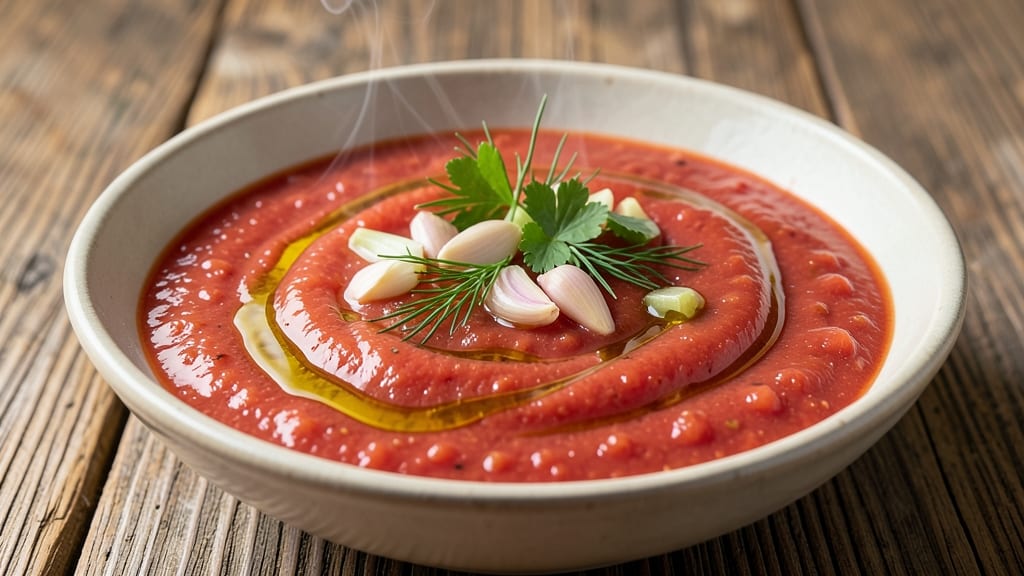
This Albasha Grecian sauce recipe transforms simple ingredients into a velvety, herbaceous masterpiece that elevates everything from grilled meats to fresh vegetables. The secret lies in celery-infused olive oil and a touch of vinegar that adds subtle tang without overpowering.
I developed this sauce after years of experimenting with Mediterranean flavors, and it's become my go-to for adding depth and richness to any dish.
The magic happens through a combination of simmering fresh herbs, garlic, and tomatoes until they meld into a smooth, aromatic base. A splash of vinegar brightens the flavors while maintaining that authentic Grecian character.
The sauce is incredibly versatile—drizzle it over grilled lamb, seafood, or even roasted vegetables for an instant flavor upgrade. What makes this recipe special is how it balances creaminess with freshness, creating a sauce that's both comforting and sophisticated.
What you'll end up with is a silky, golden-hued sauce that's rich in flavor but light enough to complement rather than overpower. The celery adds a subtle freshness that cuts through the creaminess, while the herbs provide that unmistakable Mediterranean aroma.
This sauce keeps beautifully in the refrigerator for up to 5 days, making it perfect for meal prep or entertaining. The best part? It comes together in just 20 minutes with simple ingredients you likely already have on hand.
For those who prefer their sauce with a bit more kick, a pinch of red pepper flakes can be added at the end. Conversely, if you want to mellow the tang, simply reduce the vinegar slightly.
The possibilities are endless—whether you're serving it as a dip, drizzling it over dishes, or using it as a marinade base, this Albasha Grecian sauce will become a staple in your kitchen. Let's get started on creating this flavorful masterpiece!
Ingredients for albasha grecian sauce
Nine ingredients blend into a velvety Mediterranean sauce that transforms ordinary dishes into extraordinary ones.
| Ingredient | Amount | Notes |
|---|---|---|
| Extra-Virgin Olive Oil 🫒 | ½ cup | High-quality, fruity variety preferred |
| Fresh Celery Stems 🥬 | 1 cup | Finely chopped, includes leafy parts |
| Garlic Cloves 🧄 | 4 cloves | Peeled and roughly chopped |
| Fresh Tomatoes 🍅 | 1 lb | Ripe, preferably vine-ripened |
| Fresh Parsley 🌿 | ¼ cup | Stems included, finely chopped |
| Fresh Dill 🌿 | ¼ cup | Chopped, stems included |
| Red Wine Vinegar 🍷 | 2 tbsp | Bold, dry variety preferred |
| Heavy Cream 🥛 | ½ cup | Full-fat for best texture |
| Salt 🧂 | 1 tsp | Diamond Crystal kosher salt |
| Black Pepper 🌶️ | ½ tsp | Freshly ground preferred |
| Red Pepper Flakes 🔥 | ¼ tsp | Optional, for added heat |
The olive oil is the foundation here—look for extra-virgin with a peppery finish at stores like Whole Foods or Trader Joe's. Celery adds that signature freshness, so don't skip the leafy parts—they pack extra flavor. For tomatoes, vine-ripened varieties make all the difference, though regular grocery store tomatoes work in a pinch. Fresh herbs are non-negotiable; dried versions just can't replicate that vibrant Mediterranean aroma. I always grab extra parsley and dill—they wilt fast, so use them within 2 days of purchase.
No red wine vinegar? White wine vinegar or apple cider vinegar works in a bind, though the flavor profile shifts slightly. Heavy cream can be swapped for coconut cream if you need a dairy-free option, though the texture will be thicker. The celery stems can be pulsed in a food processor for extra smoothness, but chopping them finely by hand adds texture that machine-blending misses. For a richer sauce, add a splash of cream at the end instead of during cooking. And if you're feeling adventurous, swap half the tomatoes for roasted red peppers for a smoky twist.
This sauce keeps beautifully in the fridge for 5 days, though it tastes even better the next day as flavors meld. For longer storage, freeze in ice cube trays—perfect for single-use portions. The celery-infused oil base can be made ahead and stored separately for up to 1 week in the fridge. When reheating, add a splash of water or cream to prevent splitting. Trust me, the first time you drizzle this over grilled lamb or fresh seafood, you'll be hooked—it's that good.
Why You'll Love This Recipe
- No-Chop Nightmare: I swear, this sauce wins on prep alone—just rough-chop the celery and tomatoes, then let the blender do the work. Honestly, the only knife work is mincing garlic, and even that’s optional if you buy pre-minced (shhh, I won’t tell).
- Garlic-Parsley Magic: That first taste of olive oil, roasted garlic, and fresh parsley hitting your tongue? It’s the kind of flavor that makes you pause mid-bite, like someone just handed you a tiny Mediterranean vacation in a bowl. The celery adds this subtle crunch that keeps it from being too heavy.
- Dinner Party Hero: Serve it with grilled fish, drizzle it over roasted potatoes, or let your kids slather it on toast like hummus—it’s that adaptable. Between us, I’ve used it as a marinade, a dip, and even a pasta sauce, and no one’s ever asked what’s in it.
- Leftovers That Lie: This sauce actually improves the next day. The tomatoes soften just enough to mellow the acidity, and the flavors meld into this rich, velvety consistency. I make a double batch on Sundays, freeze half, and pretend I’m a fancy chef when I pull it out weeks later.
Step-by-step instructions for Albasha Grecian sauce
This sauce delivers rich celery-infused creaminess with a bright vinegar zing—perfect for lamb, grilled meats, or dipping.
Sauté Celery and Garlic Until Fragrant
Heat the 0.5 cup extra-virgin olive oil in a medium saucepan over medium heat. Add the 1 cup finely chopped fresh celery stems (including leafy parts) and the 4 peeled garlic cloves (roughly chopped). Cook for 5-6 minutes until the celery softens and the garlic releases its aroma—you should smell that fresh, earthy celery scent and see the garlic begin to turn golden around the edges.
Here's the thing—don't rush this step. The celery needs to release its natural oils and flavors into the oil, which forms the sauce's signature base. If you see the garlic starting to brown too quickly, reduce the heat slightly to medium-low and keep stirring occasionally. This foundational step ensures your sauce won't taste raw or vegetal later on.
Add Tomatoes and Simmer Until Broken Down
Stir in the 1 lb fresh tomatoes (cut into small chunks if not pre-chopped) and the 2 tbsp red wine vinegar. Increase heat to medium-high and bring the mixture to a gentle boil. Let it simmer uncovered for 10-12 minutes, stirring occasionally, until the tomatoes break down completely and the mixture thickens into a rustic tomato purée.
You'll know it's ready when the sauce loses its chunky texture and becomes smooth with just a few small tomato pieces remaining. This is where the vinegar works its magic—it brightens the flavors and helps break down the tomatoes faster. If the sauce seems too thick before the tomatoes fully break down, add 2-3 tablespoons of water to help it along.
Incorporate Herbs and Seasonings
Reduce heat to low and stir in the 0.25 cup finely chopped fresh parsley (stems included), 0.25 cup chopped fresh dill, 1 tsp salt, 0.5 tsp black pepper, and 0.25 tsp red pepper flakes (if using). Let the mixture simmer gently for another 5 minutes, allowing the herbs to release their aromatic oils and the seasonings to meld together.
This is where the sauce starts to come together. The herbs should be fully integrated, and you'll notice the parsley and dill adding their distinct freshness. Taste the sauce now—it should be tangy from the vinegar, herby from the fresh herbs, and well-seasoned. If it needs more salt or acidity, adjust now before adding the cream.
Finish with Cream for Richness
Remove the saucepan from heat and let it cool slightly for 2-3 minutes. Then, slowly whisk in the 0.5 cup heavy cream, one ladle at a time, to prevent curdling. Return the sauce to low heat and let it warm through for 1-2 minutes, stirring constantly, until it reaches a smooth, velvety consistency.
The cream should blend seamlessly, creating a luxurious texture without overpowering the bright, herby tomato base. If the sauce thickens too much, whisk in 1-2 tablespoons of water to reach your desired consistency. The final sauce should coat the back of a spoon and have a silky, almost custard-like quality.
Rest and Adjust Before Serving
Transfer the sauce to a serving bowl and let it rest for 10 minutes at room temperature. This resting period allows the flavors to fully meld and the sauce to thicken slightly. Taste again and make any final adjustments—perhaps a pinch more salt, a splash of red wine vinegar for brightness, or a sprinkle of red pepper flakes for heat.
This sauce is incredibly versatile. Serve it warm over grilled lamb chops, drizzled over roasted vegetables, or as a dipping sauce for pita bread. The celery-infused creaminess pairs beautifully with bold flavors, while the vinegar zing keeps it from being too heavy. Store any leftovers in the refrigerator for up to 3 days, reheating gently on the stove before serving.
Pro Tips For Making Albasha Grecian Sauce
- Sweat the Celery First: I learned this the hard way—skipping the celery sweat stage means your sauce will taste raw and bitter. Heat the olive oil on medium-low, add the chopped celery stems alone for 5 minutes until they’re soft and just starting to color. Only then toss in the garlic. This step makes the difference between a muddy sauce and one with real depth.
- Use Vine-Ripe Tomatoes: Not all tomatoes are created equal. For Albasha sauce, pick tomatoes that’re soft, slightly squishy, and smell sweet at the stem end—these are the ones packed with flavor. If you’re using grocery-store tomatoes, let them sit at room temp for a few hours first. Cold, hard tomatoes won’t break down properly and leave your sauce watery.
- Crush Garlic, Don’t Mince: After burning three batches of sauce from overcooked garlic, I switched to crushing it with the flat side of my knife. This releases more flavor without turning bitter. Add it to the oil when the celery’s already softened—just 30 seconds max before it goes from aromatic to burnt. (Yes, even if you’re impatient like me.)
- Finish with Cold Oil: This isn’t the prettiest method, but it’s the tastiest. Once your sauce is thickened and the tomatoes are broken down, take the pan off the heat and let it cool for 2 minutes. Then stir in a tablespoon of fresh olive oil—it cools the sauce instantly, balances the acidity, and gives it that silky finish. Skip this, and your sauce will taste flat.
Make-ahead tips for this recipe
Celery Oil Prep
Make the celery-infused oil base 24 hours ahead—this is my secret weapon for deeper flavor. Finely chop 1 cup celery stems (including leafy parts) and gently heat 0.5 cup extra-virgin olive oil over low heat for 10 minutes.
Remove from heat, let cool, then strain through a fine-mesh sieve. Store in an airtight container in the fridge—it keeps for 1 week and adds incredible depth to the sauce. 🌿
Tomato Purée Base
Prep the tomato base the night before by blending 1 lb fresh tomatoes, 2 tbsp red wine vinegar, 1 tsp salt, and 0.5 tsp black pepper in a food processor until smooth. Transfer to a glass storage container and refrigerate.
This step saves 15 minutes of active cooking time the next day and ensures a perfectly smooth texture. The tomatoes will release more natural sweetness after resting overnight. 🍅
Herb Prep Shortcut
Chop all your herbs (0.25 cup parsley + 0.25 cup dill) and store them in a ziplock bag with a paper towel to absorb moisture. Keep them refrigerated for up to 3 days.
When ready to use, simply add them straight to the saucepan—no chopping required at the last minute. This keeps your prep organized and makes assembly a breeze. ✨
Cream Addition Timing
Here's a pro tip: Make the sauce without the cream up to Step 3, then store it in the fridge. When ready to serve, simply reheat the base and whisk in the 0.5 cup heavy cream off the heat.
This prevents curdling and ensures the cream stays perfectly smooth. The sauce will still develop its rich texture without the risk of splitting. 🥛
Freezer-Friendly Cubes
For ultimate convenience, freeze the finished sauce in ice cube trays. Once frozen, pop out the cubes and transfer to a freezer bag. Thaw in the fridge overnight—perfect for single-use portions.
This method preserves texture and flavor for up to 3 months. Just add a splash of water when reheating to restore creaminess. ❄️
Flavor Boosting Hack
Before storing leftovers, stir in 1 tsp lemon juice to enhance brightness. The acidity balances the creaminess and keeps the sauce tasting fresh. I also like to add 1 extra garlic clove when reheating—it adds a subtle punch that makes the sauce taste like it was just made.
This simple adjustment makes all the difference when using prepped sauce. 💡
Nutrition facts
Frequently asked questions
What makes this Albasha sauce different from regular tzatziki?
This sauce swaps yogurt for celery-infused olive oil and heavy cream, creating a richer, creamier texture with a bright vinegar tang. Traditional tzatziki relies on yogurt's acidity, while this version gets its zing from red wine vinegar and fresh herbs. The celery adds a subtle freshness that sets it apart from other Mediterranean sauces.
Can I make this sauce without heavy cream?
Yes! For a lighter version, replace the 0.5 cup heavy cream with 0.5 cup coconut cream or 0.25 cup Greek yogurt. The texture will be slightly thinner but still delicious. For extra richness without dairy, try cashew cream (blend soaked cashews with water). The sauce will still have that signature celery brightness and herby depth.
How do I adjust the heat level?
For milder heat, omit the red pepper flakes entirely or reduce them to 1/8 tsp. For spicier sauce, add 1/2 tsp cayenne pepper or 1 tbsp hot sauce at the end. If using extra heat, let the sauce simmer for 1 extra minute to mellow the sharpness. The vinegar helps balance any added spice beautifully.
What's the best way to reheat leftovers?
Gently reheat on low heat in a saucepan with 1-2 tbsp water or cream to prevent curdling. Stir constantly until just warm—never boil. For microwave reheating, use 30-second intervals on low power, stirring between each. The sauce thickens when cold, so thin with a splash of water if needed before serving.
Can I use canned tomatoes instead of fresh?
Use 1 (14 oz) can crushed tomatoes plus 1 tbsp tomato paste for depth. Add 1 extra tbsp vinegar to compensate for canned tomatoes' milder flavor. Simmer for 8-10 minutes instead of 10-12 to prevent over-thickening. The texture will be slightly smoother but still packed with that signature celery-herb flavor.