
Sauces & Condiments
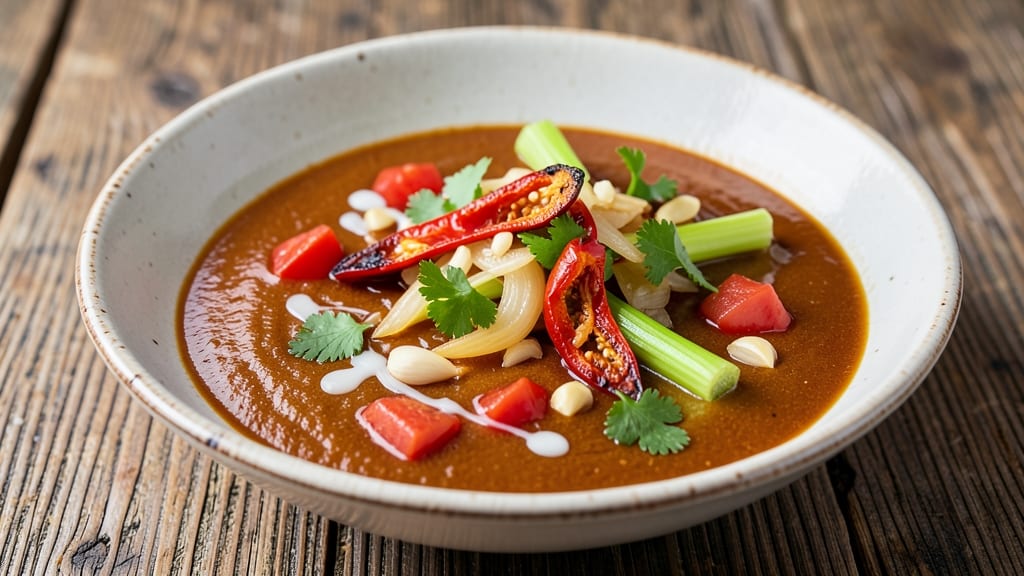
This vadouvan sauce recipe transforms bold Caribbean flavors into a versatile condiment that bridges heat, acidity, and freshness in every spoonful. The secret lies in balancing Scotch bonnet peppers with tangy vinegar and sweet tomatoes, creating a sauce that's both complex and effortlessly adaptable.
I first discovered this recipe while exploring Creole cooking techniques, and it quickly became my go-to for adding depth to grilled meats, seafood, or even as a vibrant table sauce.
The preparation is straightforward but precise: sautéing garlic and celery until fragrant, then blending them with roasted tomatoes, vinegar, and peppers until smooth.
The key to achieving that signature hidden vinegar zing is letting the sauce rest for at least 30 minutes before using—this allows the flavors to meld and develop their signature brightness.
What you'll end up with is a sauce that's spicy yet balanced, tangy yet rich, with a texture that's perfect for drizzling or marinating.
This vadouvan sauce elevates dishes with its ability to cut through richness while adding layers of flavor. It works as a marinade for chicken or fish, a dipping sauce for fried plantains, or even a finishing touch for roasted vegetables.
The versatility makes it a staple in my kitchen, and the simple ingredients ensure it's always within reach. Once you try it, you'll understand why it's a cornerstone of Caribbean cuisine.
Store it in an airtight container in the refrigerator for up to a week, where the flavors continue to deepen. For best results, let it come to room temperature before using, as the chill can mute the vibrant acidity.
This sauce is more than a condiment—it's a flavor multiplier that transforms ordinary meals into something extraordinary. Let's get started!
Ingredients for vadouvan sauce
Simple ingredients that pack Caribbean heat, tang, and freshness in every spoonful.
| Ingredient | Amount | Notes |
|---|---|---|
| Scotch Bonnet Peppers 🌶️ | 2 whole | Seeds removed for mild heat |
| Fresh Tomatoes 🍅 | 2 lbs | Roma or vine tomatoes preferred |
| Yellow Onion 🧅 | 1 whole | Medium size, chopped |
| Celery Stalks 🥬 | 4 whole | Fresh, trimmed |
| Garlic Cloves 🧄 | 6 cloves | Fresh, peeled |
| White Vinegar 💧 | ½ cup | Distilled preferred |
| Olive Oil 🫒 | ¼ cup | Extra-virgin for richness |
| Salt 🧂 | 1 ½ tsp | Diamond Crystal preferred |
| Black Peppercorns 🌶️ | ½ tsp | Freshly cracked |
| Thyme Leaves 🌿 | 1 tbsp | Fresh, chopped |
The Scotch bonnet peppers are non-negotiable—they bring that signature heat and fruity depth. Caribbean markets or specialty stores like Whole Foods usually carry them fresh, but if you can't find them, habanero peppers work in a pinch (use half the amount). The tomatoes should be ripe but firm—Roma or vine tomatoes roast best, but beefsteak works too. Celery and onion are your aromatic base, so don't skimp on freshness. I usually grab a big bunch of celery and chop extra for soups or stocks while I'm at it.
No Scotch bonnet? Habanero or Thai bird's eye peppers bring similar heat, but reduce to 1 pepper for milder sauce. Vinegar is the secret weapon here—apple cider vinegar adds subtle sweetness if you prefer. The thyme? Fresh is ideal, but dried works at half the amount. If you're making this ahead, roast the tomatoes and peppers first—they develop deeper flavor. For extra richness, add 1 tablespoon of tomato paste to the blend. And trust me, extra-virgin olive oil makes all the difference in the final texture.
This sauce keeps beautifully—1 week in the fridge with flavors deepening over time. For best results, let it sit at room temperature for 10 minutes before using, as the chill can mute that signature vinegar zing. I always make a double batch and freeze half in ice cube trays—perfect for quick marinades or finishing touches. The sauce thickens as it cools, so thin with a splash of water if needed. And if you're feeling fancy, strain it for a silky texture or leave it rustic with visible bits.
Why You'll Love This Recipe
- No Chopping Nightmare: I swear by this sauce because the prep is ridiculously simple—just dice the onion, chop the celery, and let the Scotch bonnet do its magic. No fancy techniques, no stress.
- Heat That Stays Balanced: That first bite of Scotch bonnet fire fades into a deep, smoky sweetness from the tomatoes—it’s the kind of sauce where the heat lingers just enough to make you crave seconds.
- Weeknight to Party Hero: Slap it on rice and beans for a quick dinner or drizzle it over grilled fish for a fancy-feeling meal. Same sauce, totally different vibes—no rules, just flavor.
- Leftovers That Don’t Suck: This sauce actually improves the next day—flavors meld, and the acidity mellows out. Store it in jars, freeze portions, and thank me later when you’re not scrambling for dinner ideas.
Step-by-step instructions for vadouvan sauce
Here's how to make this bold, flavor-packed sauce that balances heat, acidity, and aromatic depth.
Prep and Sauté the Aromatics
Heat the 0.25 cup olive oil in a large, heavy-bottomed pot over medium heat. Add the 1 whole yellow onion and 4 whole celery stalks, both chopped into ¼-inch dice. Cook for 8-10 minutes, stirring occasionally, until the vegetables soften and the onion becomes translucent. You'll smell the sweetness develop—that's your cue they're ready.
Add the 6 cloves garlic cloves, minced, and the 1 tbsp thyme leaves. Stir for 30 seconds until fragrant—this is where the foundation of your sauce's complexity builds. Don't let the garlic brown, or it'll turn bitter. Keep the heat at medium for even cooking.
Incorporate the Tomatoes and Scotch Bonnets
Add the 2 lbs fresh tomatoes, chopped into ½-inch pieces (Roma or vine tomatoes work best). Stir well to combine with the aromatics. Increase heat to medium-high and let the mixture simmer for 10 minutes, stirring occasionally, until the tomatoes begin to break down and release their juices. You'll see the sauce thicken slightly and develop a rich tomato color.
Carefully add the 2 whole Scotch Bonnet peppers, seeds removed and chopped (wear gloves if you're sensitive to heat). Stir gently to distribute them evenly. Let the mixture cook for another 5 minutes, allowing the peppers to infuse their heat without overpowering the other flavors. The sauce should smell vibrant and slightly spicy—this is where the magic happens.
Balance with Vinegar and Season
Pour in the 0.5 cup white vinegar and the 1.5 tsp salt. Stir well to combine, then reduce the heat to low. Let the sauce simmer uncovered for 20-25 minutes, stirring occasionally. This slow cook allows the flavors to meld and the sauce to thicken naturally. You're looking for a consistency where the sauce coats the back of a spoon but isn't gluey.
Taste and adjust seasoning. If needed, add more salt or a splash of vinegar to balance the flavors. The acidity from the vinegar should brighten the tomatoes and cut through the richness of the olive oil. The sauce should be vibrant, slightly tangy, and deeply aromatic—this is the hallmark of a well-made vadouvan.
Finish and Strain (Optional)
Once the sauce reaches your desired consistency, remove it from heat. For a smoother texture, strain the sauce through a fine-mesh sieve into a clean pot, pressing gently on the solids with a spoon to extract all the flavor. If you prefer a rustic texture, skip the straining and leave the vegetables in the sauce.
Return the sauce to low heat and stir in the 0.5 tsp freshly cracked black peppercorns. Let it simmer for another 2-3 minutes to incorporate the pepper. The sauce should now be rich, balanced, and ready to elevate any dish. Let it cool slightly before serving—this allows the flavors to fully develop and the heat to mellow slightly. Store any leftovers in an airtight container in the refrigerator for up to 5 days.
Pro Tips For Making Vadouvan Sauce
- CHAR THE PEPPERS FIRST: I learned this the hard way—blistering the Scotch bonnet whole in a dry pan for 3-4 minutes (until skin blackens) concentrates the heat and makes peeling easier. No need to seed it afterward; just scrape out the stem and membranes. (Yes, even if you’re impatient like me, the flavor pays off.)
- SWIM THE ONIONS: Don’t just chop the yellow onion—soak the slices in cold water for 10 minutes first. This mellows the sharpness and keeps the vadouvan from tasting like a punch to the face. Drain well before cooking, or you’ll end up with a watery sauce.
- LOW AND SLOW TOMATOES: After adding tomatoes, drop the heat to medium-low and let them break down for at least 15 minutes. Rushing this step means you’ll end up with a chunky, unbalanced sauce instead of a smooth, jammy base. (Your future self will thank you.)
- TOAST THE GARLIC RAW: Skip mincing the garlic first—peel and smash the cloves flat with the side of your knife, then toss them whole into the hot oil. Let them sizzle for 30 seconds until fragrant before crushing them with a wooden spoon. This builds depth without burning, and you avoid that bitter aftertaste. (Does it look weird? Yes. Does it work? Every single time.)
Serving suggestions for this dish
Table Sauce Perfection
This sauce shines as a bold table condiment—think of it as the Caribbean answer to salsa or chimichurri. Serve it chilled in a small ceramic bowl with a wooden spoon for dipping fried plantains, grilled shrimp skewers, or crispy fried fish.
The heat from the Scotch bonnet peppers pairs beautifully with the cool, crisp texture of fried foods. I love drizzling it over congee or rice dishes right before eating to add a bright, spicy kick. 🌶️
Marinade Magic
Use vadouvan sauce as a flavor-packed marinade for chicken, pork, or seafood. Toss 2 lbs of chicken thighs or salmon fillets in ½ cup vadouvan sauce and let them marinate for at least 2 hours (or overnight for deeper flavor).
The acidity in the vinegar tenderizes the meat while the peppers infuse it with heat. Grill or pan-sear the meat, then brush with extra sauce during the last 2 minutes of cooking to create a caramelized crust.
Dipping Sauce
This sauce elevates fried appetizers like mochi, beignets, or even French fries. Warm the sauce slightly before serving to enhance its aromatic qualities.
For a creamy twist, mix ¼ cup vadouvan sauce with 2 tbsp Greek yogurt and a pinch of salt for a dip that’s both spicy and cooling. It’s a crowd-pleaser at parties and a great way to use up leftovers. 💫
Garnish Game-Changer
Finish dishes with a drizzle of vadouvan sauce to add depth and heat. Try it on grilled steaks, roasted vegetables, or even tacos. For extra flair, sprinkle with fresh cilantro or a pinch of smoked paprika before serving.
The sauce’s tangy-sweet balance makes it perfect for balancing rich, fatty foods. A few drops over avocado slices or blackened fish take the dish to the next level.
Soup and Stew Boost
Stir 2-3 tablespoons of vadouvan sauce into soups, stews, or even ramen broths for an instant Caribbean-inspired kick. It pairs especially well with coconut milk-based curries or black bean soups.
The heat and acidity cut through the creaminess, creating a well-rounded flavor. Add it at the end of cooking to preserve its vibrant color and freshness. ✨
Storage and Reuse
Store leftovers in an airtight glass container in the fridge for up to 1 week. The flavors actually improve over time! For longer storage, freeze the sauce in ice cube trays—perfect for adding a quick burst of flavor to future meals.
Thaw overnight in the fridge before using. If the sauce thickens too much, thin it with a splash of water or vinegar before serving.
Nutrition facts
Frequently asked questions
Can I substitute Scotch bonnet peppers with other hot peppers?
Yes! If you can't find Scotch bonnet peppers, use 1 habanero pepper (seeds removed) or 2 Thai bird's eye peppers for similar heat. For milder sauce, reduce to ½ habanero. The key is balancing the fruitiness and heat—Scotch bonnet has a unique sweetness that's hard to replicate. Always wear gloves when handling hot peppers!
How can I make this sauce less spicy?
Reduce the heat by removing all seeds and membranes from the peppers before chopping. For extra mildness, use only the white parts of the pepper. Alternatively, add 1 extra tablespoon of vinegar or ½ cup tomato juice to dilute the spice naturally. Taste as you go—you can always add more vinegar later.
What's the best way to store vadouvan sauce?
Store in an airtight glass container in the fridge for up to 1 week. The flavors actually deepen over time! For longer storage, freeze in ice cube trays—thaw overnight in the fridge before using. If the sauce thickens, stir in 1 teaspoon of water or vinegar to restore consistency. Always let it come to room temperature before serving to preserve its vibrant zing.
Can I use dried herbs instead of fresh thyme?
Yes, but adjust the amount! Use ½ teaspoon dried thyme instead of 1 tablespoon fresh. Dried herbs are more concentrated, so measure carefully. For best results, toast the dried thyme in a dry pan for 30 seconds before adding to release its aromatic oils. Fresh herbs always provide better flavor, but dried works in a pinch.
Why does my vadouvan sauce taste flat after refrigerating?
Cold temperatures mute the sauce's vibrant acidity and heat. Always let it sit at room temperature for 10-15 minutes before using. The vinegar's tang and pepper's heat will return once warmed. For extra brightness, add ½ teaspoon of lemon juice or a pinch of salt before serving. The sauce should be lively and aromatic—this is normal as flavors develop over time.