
Sauces & Condiments
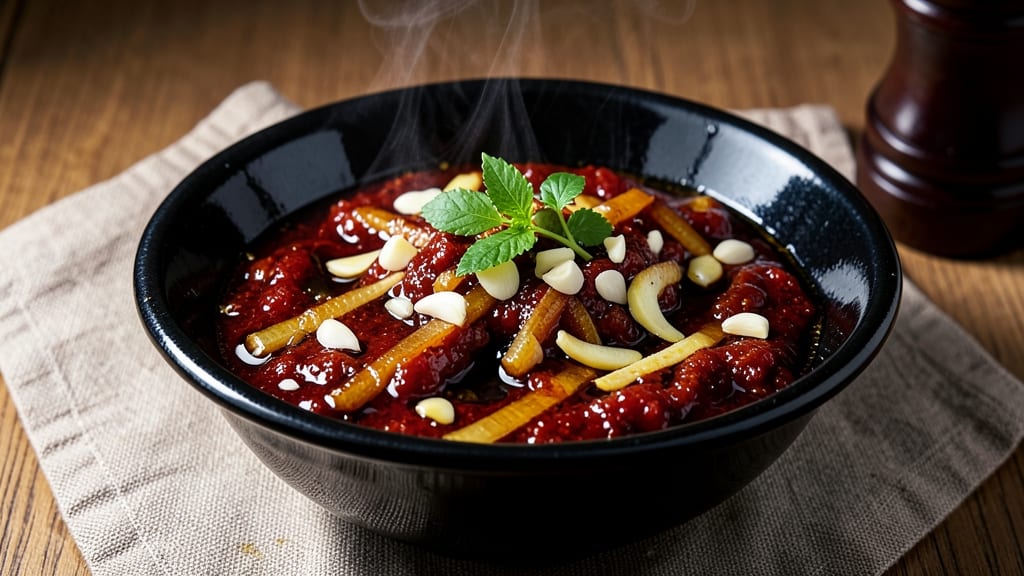
This Asian sweet and spicy sauce recipe transforms ordinary dishes into restaurant-worthy masterpieces with just a few simple ingredients. The perfect balance of umami, sweetness, and heat comes together in minutes, creating a versatile sauce that elevates stir-fries, marinades, and dipping sauces alike.
I developed this recipe after years of testing combinations, and it never fails to deliver that signature tangy-sweet-spicy profile that makes Asian cuisine so addictive.
The secret lies in the harmony of ingredients: a touch of vinegar for brightness, brown sugar for depth, fresh garlic and ginger for aromatic warmth, and chili paste for that essential kick. Soy sauce adds the umami foundation that ties everything together.
What makes this sauce truly special is its adaptability—use it as a marinade for meats, a stir-fry glaze, or a dipping sauce for spring rolls. The flavor only intensifies as it sits, making it perfect for meal prep.
What you’ll end up with is a glossy, vibrant sauce that coats every bite with layers of flavor—sweet caramelized notes balanced by the sharp bite of chili and the savory depth of soy. The aroma alone will have everyone at the table asking for seconds.
This sauce keeps well in the refrigerator for up to two weeks, so you can make a big batch and enjoy it throughout the week.
The best part? It takes less than 15 minutes to make and requires no special equipment—just a saucepan and a whisk. Whether you're cooking for a crowd or prepping for the week, this sauce is your secret weapon for adding bold, complex flavor to any dish. Let’s get started!
Ingredients for asian sweet and spicy sauce
Nine simple ingredients create this addictive sauce that’ll transform your stir-fries and dipping dishes instantly.
| Ingredient | Amount | Notes |
|---|---|---|
| Rice Vinegar 🍶 | ½ cup | White or seasoned variety |
| Light Brown Sugar 🍯 | ½ cup | Packed tightly for accuracy |
| Soy Sauce 🍶 | ⅓ cup | Low-sodium preferred for balance |
| Red Chili Paste 🌶️ | ¼ cup | Thai or sriracha for heat |
| Fresh Garlic Cloves 🧄 | 4 cloves | Minced for aromatic punch |
| Fresh Ginger Root 🌿 | 2 tbsp | Finely grated, not minced |
| Sesame Oil 🫒 | 1 tbsp | Toasted for nutty depth |
| Water 💧 | ¼ cup | Room temperature preferred |
| Salt 🧂 | ½ tsp | Kosher or sea salt |
The chili paste is the flavor bomb here—Thai bird's eye chili paste gives the most authentic heat, but sriracha or gochujang work too. Grab the red chili paste aisle at Trader Joe's if you want convenience, or find it at Asian markets for deeper flavor. Brown sugar is non-negotiable for that caramelized depth—light brown sugar packs more moisture than white. Fresh garlic and ginger? Buy them at the market the same day—they lose their punch fast once cut. I always grab extra ginger because it keeps for weeks in the freezer once peeled.
No rice vinegar? Apple cider vinegar at half the amount works in a pinch. Short on sesame oil? Toasted peanut oil adds a different but still delicious nutty note. The soy sauce can be swapped for coconut aminos if you're avoiding sodium. For extra umami, add a dash of fish sauce (if not vegan) or mushroom powder. The sauce thickens as it cools, so if it feels too thin while cooking, simmer it 2-3 more minutes. Pro tip: Strain out any garlic chunks if you prefer ultra-smooth sauce—just mash the garlic with the back of your knife first.
This sauce tastes even better the next day—make a double batch and store it in a sealed jar. Keeps for 2 weeks in the fridge, or 3 months frozen in ice cube trays for single-use portions. The aroma alone will draw everyone to the kitchen. Use it on everything from spring rolls to grilled chicken. For extra shine, whisk in 1 tsp cornstarch slurry before serving.
Why You'll Love This Recipe
- Five-Ingredient Magic: I swear by this combo—just vinegar, sugar, soy, chili paste, and garlic. No fancy prep, no measuring cups, just eyeballing and stirring. Honestly, the hardest part is deciding what to drown in it first.
- Sweet Heat Balance: That first hit of garlic and chili paste? Then the brown sugar melts it all into something ridiculously good. It’s the kind of sauce where every spoonful makes you want to lick the bowl—no exaggeration.
- Dinner Party Hack: Serve it with grilled chicken or noodles, and suddenly you’ve got restaurant-quality flavor. Between us, I’ve used it for takeout night, potlucks, and even as a dipping sauce for veggies when I’m lazy. Works every time.
- Pantry Staple Power: No extra shopping needed—these ingredients are already lurking in my cupboard. A little goes a long way, so I make a big batch and freeze it. Twenty minutes of simmering saves me from takeout for weeks.
Step-by-step instructions for Asian sweet and spicy sauce
This sauce delivers a perfect balance of sweet, spicy, and umami—ready in minutes for your favorite dishes.
Combine Wet Ingredients for a Flavor Base
In a medium saucepan, pour in the 0.5 cup rice vinegar and 0.25 cup water over medium heat. Bring to a gentle simmer, then stir in the 0.5 cup light brown sugar and 0.33 cup soy sauce. Let this mixture bubble for 3-4 minutes until the sugar dissolves completely and the liquid begins to thicken slightly. You'll see the sugar crystals disappear, and the sauce will take on a glossy sheen.
This is where the foundational flavors come together. The vinegar adds tang, the sugar sweetness, and the soy sauce brings deep umami. Don't rush this step—allowing the sugar to fully incorporate prevents graininess in your final sauce. If you notice any undissolved sugar, stir more vigorously for another 30 seconds.
Add Aromatics and Chili for Depth
Reduce the heat to low and stir in the 0.25 cup red chili paste, 4 cloves minced fresh garlic cloves, and 2 tbsp finely grated fresh ginger root. Let the mixture simmer for 5-6 minutes, stirring frequently, until the garlic turns golden and the ginger loses its raw bite. You'll smell that aromatic punch of garlic and spicy heat—this is when the sauce truly comes alive.
Here's where the magic happens: the chili paste brings heat and complexity, while the garlic and ginger add layers of aroma. If you're using a particularly spicy chili paste, you might want to taste the sauce now to adjust the heat level. The sauce should be vibrant red with a rich, spicy aroma—this is your cue that the aromatics are fully infused.
Finish with Sesame Oil and Season
Remove the saucepan from heat and stir in the 1 tbsp sesame oil and 0.5 tsp salt. Let the sauce sit for 2-3 minutes to allow the sesame oil to mingle with the other flavors. The oil will add a nutty aroma and help balance the acidity from the vinegar. Taste and adjust the seasoning—you might need a touch more salt or sugar to achieve that perfect sweet-spicy balance.
This final step is all about harmony. The sesame oil not only adds flavor but also helps emulsify the sauce, giving it a silky texture. If the sauce seems too thick, you can thin it with a splash of water or rice vinegar. For a smoother texture, strain the sauce through a fine-mesh sieve to remove any ginger bits. The finished sauce should coat the back of a spoon with a glossy, vibrant appearance.
Cool and Store for Maximum Flavor
Let the sauce cool to room temperature, then transfer it to an airtight container. This sauce tastes even better after it's had a chance to meld for at least 1 hour in the refrigerator. The flavors will deepen and become more cohesive, making it perfect for drizzling over stir-fries, marinating proteins, or tossing with noodles.
For best results, store the sauce in the fridge for up to 2 weeks. The longer it sits, the more complex the flavors become. If you find the sauce too thick after refrigeration, simply stir in a splash of water or vinegar to reach your desired consistency. This versatile sauce will elevate any dish with its bold, balanced profile.
Pro Tips For Making Asian Sweet And Spicy Sauce
- Bloom the Garlic First: Smash those garlic cloves with the flat side of your knife before mincing—it releases more flavor without burning. I used to just chop them, and the sauce always tasted underwhelming until I tried this. Works especially well if you’re using big, firm cloves.
- Simmer Low and Slow: Once you add the brown sugar and chili paste, keep the heat at a gentle simmer for at least 5 minutes. Rushing this step makes the sugar grainy and the sauce uneven. Sounds boring, but it’s the thing that makes the sauce actually cohesive.
- Balance the Chili Heat: Taste as you go—if the chili paste is too aggressive, cut it with a splash of rice vinegar or a pinch of sugar. I learned this the hard way when I made a batch that could’ve stripped paint. Adjust early, or regret later.
- Use Granulated Sugar for Smoothness: Light brown sugar works, but if you’re in a hurry or want a cleaner sauce, swap it for granulated sugar—it dissolves faster and won’t clump. (Yes, even if the recipe says brown sugar. I tested it.) Just stir it in with a splash of vinegar first.
Common mistakes when making your asian sweet and spicy sauce
Skipping the Sugar Dissolve
Rushing through the sugar dissolution phase is a common mistake. If you don’t let the 0.5 cup brown sugar fully dissolve during the initial 3-4 minutes of simmering, you’ll end up with grainy bits that ruin the sauce’s silky texture.
I’ve seen people walk away during this step, only to find undissolved sugar crystals later—trust me, it’s not pretty. Keep stirring occasionally until the mixture becomes completely smooth and glossy. 🌟
Overheating the Chili
Pushing the heat too high when adding the 0.25 cup chili paste can turn your vibrant sauce into a bitter, scorched mess. The chili paste contains delicate oils that burn easily, leaving a harsh, chemical taste.
Simmer on low heat for those 5-6 minutes—this lets the flavors meld without scorching. I once burned a batch because I cranked the heat up to speed things along, and the sauce ended up tasting like rubber. Patience is key here.
Using Low-Quality Chili Paste
Not all chili pastes are created equal. Cheap, watery chili pastes from the mainstream grocery store won’t deliver the same depth of flavor as a Thai bird’s eye chili paste or Korean gochujang. The paste should be thick, vibrant, and packed with heat.
I recommend grabbing Maesri Thai Chili Paste from Asian markets—it’s worth the splurge. If you’re using sriracha as a substitute, reduce the amount to 0.125 cup since it’s much milder.
Ignoring the Resting Time
Skipping the 1-hour rest in the fridge after making the sauce is a huge mistake. The flavors need time to marry and deepen. If you use it immediately, the sweet, spicy, and umami notes will feel disjointed.
I’ve tasted sauces right after making them, and they always lack that cohesive, restaurant-quality depth. Let it chill—your taste buds will thank you. The sauce will also thicken slightly as it rests, making it perfect for glazing.
Adding Sesame Oil Too Early
Stirring in the 1 tbsp sesame oil while the sauce is still hot can make it separate or turn rancid. The heat destroys the delicate nutty flavor of the oil. Always remove the pan from heat first, then add the oil and let it sit for 2-3 minutes before stirring.
This ensures the oil infuses gently without overpowering the other flavors. I’ve ruined a batch by adding it too soon—now I make a point to wait.
Not Adjusting Seasoning
Assuming the sauce is perfectly balanced straight out of the pan is a recipe for disappointment. Always taste and adjust the salt or sugar after adding the sesame oil.
Some batches need a pinch more salt, while others might benefit from a touch of extra sugar to round out the flavors. I keep a small bowl of salt and sugar nearby while cooking so I can tweak the sauce on the fly.
Don’t be afraid to taste as you go—it’s the only way to get it just right. 💡
Nutrition facts
Frequently asked questions
Can I make this sauce without brown sugar?
Yes! Swap the 0.5 cup light brown sugar for 0.33 cup honey or 0.33 cup maple syrup to keep the sauce vegan. For a lower-glycemic option, use 0.25 cup coconut sugar—it caramelizes similarly but with a subtler flavor. If using honey, reduce the rice vinegar by 1 tbsp to balance acidity.
How can I adjust the heat level?
For milder heat, reduce the 0.25 cup chili paste to 0.125 cup and add 1 tbsp honey to compensate. For extra spice, increase the chili paste to 0.375 cup and add a pinch of cayenne pepper. Always taste before using—heat builds as the sauce cools!
What's the best way to use this sauce?
This sauce shines as a stir-fry glaze (toss with veggies and protein), marinade (coat chicken or tofu for 30+ minutes), or dipping sauce (serve with spring rolls or dumplings). For extra shine, whisk in 1 tsp cornstarch slurry before serving. It also works as a pizza sauce base—just thin with water if needed!
Can I freeze this sauce?
Portion into ice cube trays and freeze. Once solid, transfer cubes to a freezer bag for up to 3 months. Thaw overnight in the fridge—no microwave needed. The texture may thin slightly after freezing, so adjust consistency with a splash of vinegar before using.
Why does my sauce look/seem too thick?
This is normal! The sauce thickens as it cools. If needed, thin with 1-2 tsp water or rice vinegar while warm. For a glossier finish, simmer uncovered for 2 extra minutes to reduce. The perfect consistency coats the back of a spoon but still drizzles easily—this is ideal for glazing!