
Sauces & Condiments
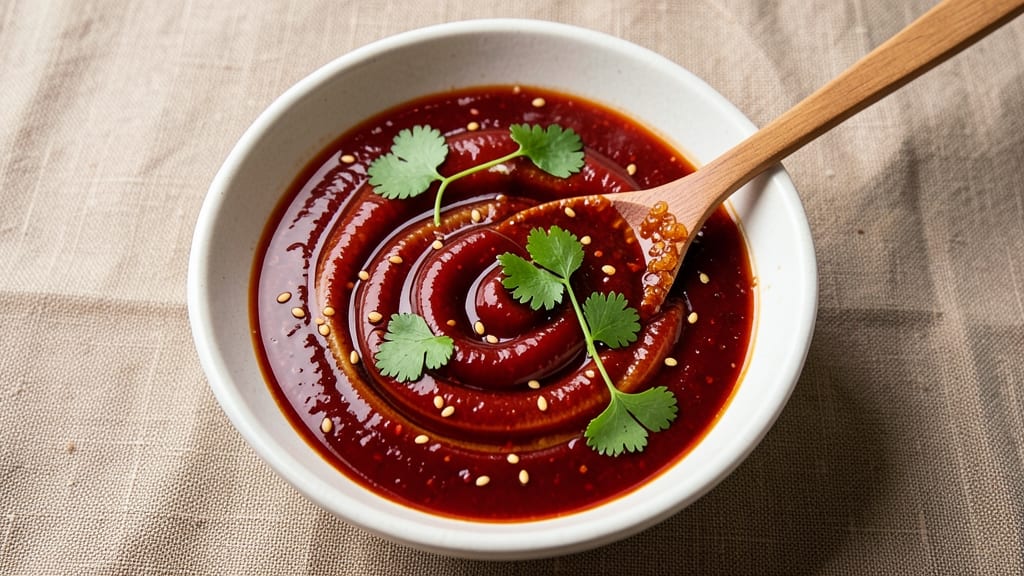
Recreating Applebee's signature sweet Asian chili sauce at home delivers that perfect balance of heat, sweetness, and tangy depth. 🔥 The secret lies in tamarind paste for authentic sourness and a precise blend of chili paste, sugar, and vinegar that creates the signature sauce consistency.
I've perfected this recipe through countless batches, ensuring every spoonful delivers that restaurant-quality flavor you crave.
This sauce transforms ordinary dishes into something extraordinary—whether you're drizzling it over crispy wings, tossing with noodles, or using it as a dipping sauce for spring rolls. The process is straightforward: simmering the ingredients until thickened, then blending for a smooth, velvety texture.
What makes this recipe special is how it captures the restaurant's signature taste without requiring hard-to-find ingredients.
By the time you're done, you'll have a jar of vibrant red sauce that's sweet, spicy, and tangy all at once. The tamarind adds a unique depth that sets this apart from generic chili sauces, while the sugar balances the heat for a flavor profile that's addictive.
This sauce isn't just a condiment—it's a flavor enhancer that elevates any dish it touches.
The best part? It keeps beautifully in the refrigerator for up to two weeks, so you can make a big batch and enjoy it all week long. Whether you're hosting a game day gathering or simply craving that familiar Applebee's flavor at home, this recipe delivers every time.
Let's get started on creating your perfect sweet Asian chili sauce.
Ingredients for applebee's sweet asian chili sauce
Nine ingredients transform into that addictive sweet-spicy sauce you love from Applebee's.
| Ingredient | Amount | Notes |
|---|---|---|
| Tamarind Paste 🍈 | ½ cup | High quality, unsweetened preferred |
| Red Chili Paste 🌶️ | ½ cup | Like Maesri or Thai bird's eye |
| Granulated Sugar 🍚 | ½ cup | White or brown sugar works |
| Rice Vinegar 🍶 | ¼ cup | White or seasoned vinegar |
| Water 💧 | ½ cup | Room temperature preferred |
| Soy Sauce 🍜 | 2 tbsp | Light or dark soy sauce |
| Garlic Cloves 🧄 | 3 cloves | Fresh, minced for depth |
| Ginger Root 🌿 | 1 tbsp | Fresh, grated or finely chopped |
| Sesame Oil 🥜 | 1 tbsp | Toasted for nutty aroma |
| Salt 🧂 | ½ tsp | Kosher or sea salt preferred |
Tamarind paste is the game-changer here—look for blocks or concentrated paste at Asian markets for the most authentic flavor. Maesri brand is my go-to, but any high-quality unsweetened paste works. The chili paste? Thai bird's eye or Maesri gives that signature heat. Skip the powdered versions—they lack depth. Fresh ginger and garlic are non-negotiable for that restaurant-quality punch, but if you're short on time, jarred minced garlic works in a pinch. The vinegar balances everything, so don't skimp on quality here either.
No tamarind paste? Lime juice plus a pinch of sugar mimics the tang, though it won't be identical. Swap soy sauce for coconut aminos if you're avoiding gluten. The sesame oil adds that nutty depth—toast it in a dry pan first to intensify the flavor. Sugar substitutes? Maple syrup or agave work 1:1, but the texture might be slightly different. For extra heat, add a dash of cayenne or crushed red pepper flakes. The sauce thickens as it cools, so if it's too thin, simmer uncovered for another 5 minutes.
This sauce keeps for 2 weeks in the fridge—make a big batch, you'll want leftovers. Store it in a clean glass jar with a tight seal. Freeze portions in ice cube trays for single-use servings. The flavor actually improves after a day or two as everything melds together. Drizzle it over everything: wings, noodles, spring rolls, or even tacos. Double the batch if you're hosting—trust me, it disappears fast.
Why You'll Love This Recipe
- Five-Ingredient Magic: That’s it. Five pantry staples—tamarind, chili paste, sugar, vinegar, and water—transform into something restaurant-worthy. No fancy techniques, no last-minute grocery runs. I’ll be real: I’ve made this while scrolling through emails, and it still tastes like it took hours.
- Sweet Heat Balance: The tamarind gives that tangy depth, while the chili paste brings the slow-building warmth. That sugar? It’s not just sweet—it caramelizes just enough to make your mouth water. Honestly, the first time I tasted it, I immediately grabbed the bottle and drizzled it on everything in the fridge.
- Game for Any Meal: Drizzle it over grilled chicken, toss it with noodles, or use it as a dipping sauce for spring rolls. Even my picky teenage nephew asked for seconds when I served it with fries. It’s the kind of sauce that turns a simple weeknight dinner into something special—no extra effort required.
- Makes Leftovers Look Smart: A batch keeps in the fridge for weeks, and it only gets better as the flavors meld. I’ve used the same jar for takeout stir-fry, breakfast eggs, and even as a marinade. Between us, it’s my secret weapon for making cheap proteins taste expensive—no one has to know it cost less than $3 to make.
Step-by-step instructions for Applebee's sweet Asian chili sauce
This sauce delivers that perfect balance of sweet, tangy, and fiery—just like Applebee's signature version.
🍳 Step 1: Sauté Aromatics Until Fragrant
Heat a small saucepan over medium heat and add the 1 tablespoon sesame oil. Once the oil shimmers, add the 3 cloves minced garlic and 1 tablespoon grated ginger root. Sauté for 1-2 minutes until the garlic turns golden and the ginger becomes aromatic—this builds the sauce's flavor foundation.
Here's the thing—don't let the garlic burn. It should smell sweet and nutty, not bitter. If it starts to darken too quickly, reduce the heat slightly. This step is where the magic begins, so don't rush it.
🍳 Step 2: Combine Wet Ingredients and Simmer
Add the 0.5 cup tamarind paste, 0.5 cup red chili paste, and 0.5 cup granulated sugar to the pan. Stir well to dissolve the sugar completely, then pour in the 0.25 cup rice vinegar and 0.5 cup water. Bring the mixture to a gentle boil over medium-high heat.
Once boiling, reduce the heat to low and let it simmer for 5-7 minutes, stirring occasionally. You'll notice the sauce thicken slightly as it cooks. This simmering step develops the sauce's complex flavors and helps balance the sweetness with the tangy tamarind and spicy chili.
🍳 Step 3: Finish with Soy Sauce and Season
Remove the pan from heat and stir in the 2 tablespoons soy sauce and 0.5 teaspoon salt. Taste the sauce and adjust the seasoning if needed—you might want more sweetness, tang, or heat depending on your preference. The sauce should coat the back of a spoon with a glossy, slightly thick consistency.
If it's too thick, add a splash of water to reach your desired consistency. Real talk: this sauce is versatile, so don't stress about getting it perfect on the first try. You can always adjust later when using it in recipes.
⏰ Step 4: Cool and Store for Maximum Flavor
Let the sauce cool completely to room temperature. The flavors will meld even more as it cools, giving you that perfect balance of sweet, tangy, and spicy. Once cooled, transfer it to an airtight container and store it in the refrigerator for up to 2 weeks.
This sauce is incredible on its own as a dipping sauce, but it's also fantastic for glazing meats, stir-fries, or even drizzling over noodles. The best part? It gets even better after a day or two in the fridge as the flavors deepen.
Pro Tips For Making Applebee'S Sweet Asian Chili Sauce
- STIR CONSTANTLY AT FIRST: The first 3 minutes of simmering are where the sugar and tamarind fight for dominance—skip aggressive stirring, and you’ll end up with grainy sugar clumps that refuse to dissolve. I learned this the hard way after scraping burnt bits off my saucepan for the second time.
- DILUTE TAMARIND PASTE FIRST: Tamarind paste is a stubborn lump. Mix it with ¼ cup warm water before adding it to the pot—this breaks it down faster and prevents weird stringy textures in your finished sauce. (Yes, even if you’re impatient like me.)
- TASTE AFTER 10 MINUTES: The sauce needs time to marry. Taste it at the 10-minute mark (not the 5-minute mark, no matter how tempted you are) to judge the balance of sweet, sour, and heat. Adjusting early means less backtracking later—your future self will thank you.
- USE RICE VINEGAR LAST: Add the vinegar in the final 2 minutes of cooking, not at the start. This preserves its bright acidity instead of letting it cook off into a dull, vinegary aftertaste. (Your sauce will taste like it came from a restaurant, not a rushed weeknight.)
Storing and reheating this applebee's sweet asian chili sauce
Fridge Storage Mastery
Transfer your cooled sauce to a clean, airtight glass jar—I swear by mason jars with silicone seals for that perfect fit. Store it in the fridge where it’ll keep for up to 2 weeks, with flavors deepening over time.
The tamarind and vinegar actually mellow slightly, creating a more complex taste. Always leave ½-inch headspace to prevent spills when the sauce thickens further. 💛
Freezing for Later Use
For longer storage, portion the sauce into ice cube trays—just pop out what you need later. Freeze for up to 3 months, though texture may separate slightly.
To use frozen sauce, thaw in the fridge overnight, then whisk vigorously to restore smoothness. I freeze extra batches because this sauce disappears fast during game day feasts. 🥶
Reheating Perfection
Stovetop reheating is my go-to: pour sauce into a small saucepan and warm over low heat for 3-5 minutes, stirring constantly. Never microwave—it ruins the glossy texture.
If it thickens too much, add 1 tsp water while reheating. The sauce should be warm but not boiling to preserve its vibrant color. 🔥
Sauce Consistency Fixes
If your sauce seems too thick after refrigeration, thin it with 1 tsp water while warm. For extra heat, stir in ¼ tsp cayenne or a pinch of chili flakes.
Need it sweeter? Add 1 tsp honey or more sugar. The beauty of this sauce is how easily it adapts to your taste—just adjust as you go! ✨
Leftovers Reinvented
Use leftover sauce to glaze baked chicken thighs (brush on before roasting) or toss with cold noodles for instant flavor. Drizzle over spring rolls or fried rice for that Applebee's touch. The sauce's versatility means you'll always have a reason to make extra batches. 🍜
Shelf Life Secrets
If stored properly, this sauce lasts 2 weeks in the fridge without losing quality. For maximum freshness, check for any mold or off smells before using. The tamarind gives it natural preservation power, but always trust your senses. When in doubt, make a fresh batch—it's that good! 💡
Nutrition facts
Frequently asked questions
Can I make this sauce without tamarind paste?
Yes! For a substitute, mix 2 tablespoons lime juice with 1 teaspoon sugar to mimic the tang. The flavor won't be identical, but it'll still taste delicious. Alternatively, use 1 tablespoon date syrup for a deeper caramel-like sweetness that complements the chili.
How spicy is this sauce, and can I adjust the heat?
The heat level is moderate—like Applebee's version—thanks to the chili paste. For milder heat, reduce the chili paste to 0.375 cup. For extra spice, add ½ teaspoon cayenne pepper or 1 teaspoon crushed red pepper flakes after simmering. Always taste as you go!
What’s the best way to use this sauce?
This versatile sauce shines as a dipping sauce for wings, spring rolls, or fries. It also works as a marinade for meats (like chicken or pork), a stir-fry sauce, or a glaze for roasted veggies. For extra richness, drizzle it over noodles or rice just before serving.
Why does my sauce look too thick after refrigerating?
Sauces naturally thicken when chilled—this is normal! Thin it with 1 teaspoon water while warm, stirring until smooth. If it’s still too thick, add another ½ teaspoon water. The texture will adjust perfectly once you reheat it for serving.
Can I make this sauce in a slow cooker?
Combine all ingredients in a slow cooker and cook on low for 2-3 hours, stirring occasionally. The slow cooking enhances the flavors even more. Just be sure to stir well before transferring to a jar—it’ll thicken significantly as it cools.