
Sauces & Condiments
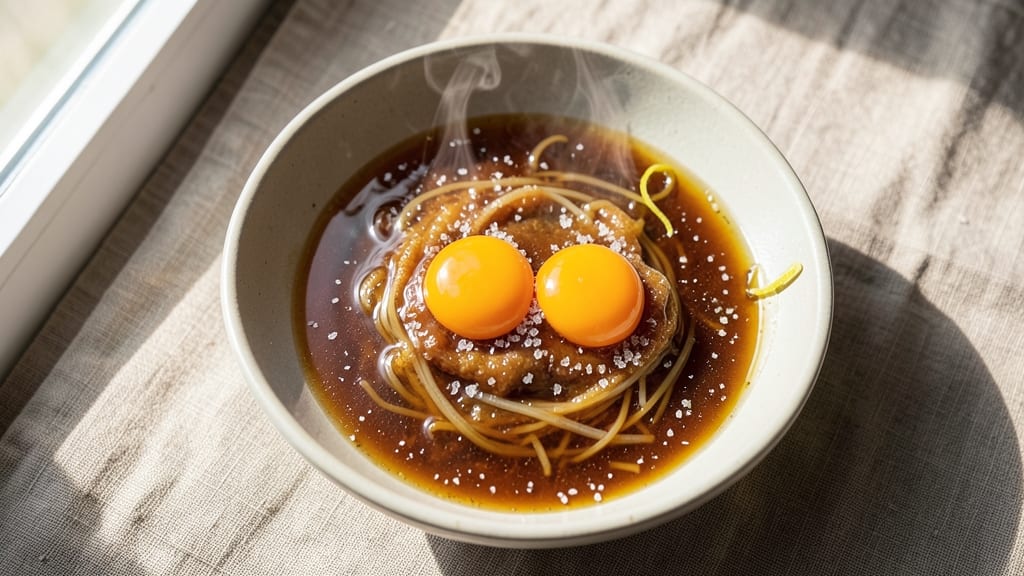
This tempura sauce recipe transforms simple pantry staples into the golden, silky dipping sauce that makes every crispy bite unforgettable. The secret lies in balancing sweet, salty, and umami flavors—just whisk together dashi, mirin, soy sauce, and a touch of egg yolk for that signature glossy finish.
I’ve perfected this version to cut prep time to 10 minutes without sacrificing depth, so you can focus on frying (or enjoying) the tempura itself.
The magic happens when you simmer the sauce just until it thickens slightly, creating a velvety consistency that clings to every crispy edge. No special tools required—just a saucepan and a whisk.
This version skips the traditional katsuobushi (bonito flakes) to keep it simple, but the combination of mirin’s sweetness and soy’s saltiness delivers that same addictive flavor. The egg yolk adds richness without overpowering, ensuring each dip is smooth and satisfying.
What you’ll end up with is a sauce that’s light yet flavorful, perfect for tempura but equally at home with grilled fish, sashimi, or even noodles. The balance of sweet and savory makes it irresistible, while the silky texture elevates any dish it touches.
Best of all, it stays fresh in the fridge for up to a week, so you can make a batch and enjoy it all week.
Pair it with freshly fried tempura for the full experience, or drizzle it over steamed rice and vegetables for a quick, restaurant-quality meal. The simplicity of the ingredients belies the complexity of the flavor—proof that the best sauces often require the least effort. Let’s get started!
Ingredients for tempura sauce recipe easy
Six simple ingredients create the golden, velvety sauce you crave for tempura dipping.
| Ingredient | Amount | Notes |
|---|---|---|
| Dashi Stock 🍲 | 1 cup | Instant dashi granules or homemade |
| White Soy Sauce 🥢 | ½ cup | Kikkoman preferred for balance |
| Mirin 🍶 | ¼ cup | Sweet cooking rice wine |
| Large Egg Yolks 🥚 | 2 whole | Fresh, room temperature |
| Granulated Sugar 🍚 | 1 tbsp | Adjust to taste |
| Water 💧 | ½ cup | Room temperature |
| Extra-Virgin Olive Oil 🫒 | 1 tbsp | For silky finish |
| Diamond Crystal Kosher Salt 🧂 | ½ tsp | Adjust to taste |
The mirin is where the magic happens—it’s the sweet, tangy backbone that balances the soy’s saltiness. Trader Joe’s has a great affordable bottle, but any good-quality mirin works. If you can’t find it, sub 1 tbsp honey or maple syrup plus 1 tbsp rice vinegar for a pinch of acidity. The dashi stock adds that unmistakable umami depth—use instant granules if you’re short on time, or make your own with kombu and bonito flakes for restaurant-quality flavor. The egg yolks are non-negotiable for that signature glossy finish, so grab the freshest you can find (the fridge door is usually the last place they go).
No mirin? Substitute 1 tbsp honey plus 1 tbsp rice vinegar—it’s not identical, but it works in a pinch. Short on dashi? Vegetable broth plus 1 tsp fish sauce mimics the umami punch (though it won’t be traditional). The olive oil is optional but adds a luxurious silkiness—skip it if you’re watching calories, but trust me, it’s worth the extra tablespoon. For the sugar, adjust to taste—some prefer it sweeter, others more savory. And if you’re making a big batch, double the yolks for extra richness (just be ready for the extra whisking!).
This sauce keeps beautifully in the fridge for up to 1 week, though it’s best used within 3-4 days for peak freshness. Store it in a glass jar with a tight seal to preserve that velvety texture. If it thickens too much, just whisk in a splash of hot water to loosen it up. The yolks make it rich, so if you’re not using it all, portion it into ice cube trays—perfect for single servings later. Freezes for 3 months if you’re planning ahead, though texture might separate slightly after thawing.
Why You'll Love This Recipe
- Five-Ingredient Magic: I swear by this—just dashi, soy sauce, mirin, yolks, and sugar. No fancy gadgets, no stress. The yolks thicken it like butter while the mirin keeps it bright, and honestly? It’s the kind of sauce that makes me feel like I’ve earned my dinner.
- Umami Bomb: That first spoonful hits different. The dashi brings deep savory notes, the soy sauce cuts through, and the sugar? It’s not sweet—it’s the secret that makes every bite taste like a hug. My picky eaters actually ask for seconds.
- Date Night Ready: Pour it over shrimp tempura, drizzle it on grilled fish, or even toss it with noodles. It’s my go-to for when I want to impress without slaving away. (Yes, even on a Tuesday night.)
- Leftovers That Shine: This sauce keeps for days in the fridge, and it only gets better. Thin it with a splash of water if it’s too thick, or let it sit out to room temp for a richer finish. My lazy Sunday mornings just got a whole lot easier.
Step-by-step instructions for tempura sauce
Here's how to whip up this silky, umami-packed sauce that elevates tempura from good to unforgettable.
Whisk Egg Yolks and Sugar Until Smooth
In a medium bowl, whisk together the 2 whole large egg yolks and 1 tablespoon granulated sugar until fully combined and slightly pale. The sugar helps balance the acidity from the mirin later, so don't skip this. You'll want a smooth, lump-free mixture—this ensures your sauce will be silky rather than grainy. I like to whisk for about 30 seconds until no streaks remain.
Set this mixture aside for now. The yolks will thicken slightly as you work, which is exactly what we want for that perfect coating on your tempura. If you notice any tiny bits of egg white, strain the mixture through a fine-mesh sieve to guarantee a velvety finish.
Combine Liquids for the Sauce Base
In a small saucepan, combine the 1 cup dashi stock, 0.5 cup white soy sauce, 0.25 cup mirin, 0.5 cup water, and 0.5 teaspoon diamond crystal kosher salt. Bring this mixture to a gentle simmer over medium heat, stirring occasionally to prevent scorching. You're looking for small bubbles forming at the edges—this means the liquid is hot enough to extract all those rich umami flavors.
Simmer for about 3 minutes until the mixture reduces slightly and becomes fragrant. The mirin will add a subtle sweetness that perfectly complements the savory dashi and soy sauce. If you notice any film forming on the surface, skim it off with a spoon—this keeps your sauce clean and prevents bitterness.
Temper the Egg Mixture
Now for the magic step: tempering. Remove the saucepan from heat and let it cool slightly for 1-2 minutes—you want it warm but not hot enough to scramble the eggs. Slowly drizzle about ¼ cup of the hot liquid from the pan into the egg yolk mixture while whisking constantly. This gradual warming prevents the eggs from curdling.
Once the egg mixture is slightly thickened (it should look like a pale custard), slowly pour it back into the saucepan with the remaining liquid. Return the pan to low heat and stir gently with a wooden spoon, scraping the bottom to prevent any sauce from sticking. The mixture will begin to thicken almost immediately—this is what creates that irresistible glossy finish.
Finish with Olive Oil for Silkiness
When the sauce begins to coat the back of a spoon (about 2-3 minutes of gentle simmering), remove it from heat and stir in the 1 tablespoon extra-virgin olive oil. This final touch gives the sauce its signature velvety texture and helps it cling beautifully to tempura. The oil also adds a subtle richness that rounds out all the bright, savory flavors.
Taste and adjust seasoning if needed—you might want to add a pinch more salt or a splash of mirin to balance the flavors. The sauce should be glossy, smooth, and just slightly thicker than heavy cream. If it's too thick, whisk in a teaspoon of hot water to loosen it. Serve immediately while warm for that perfect tempura dipping experience!
Pro Tips For Making Tempura Sauce Recipe Easy
- WHISK YOLKS FIRST: Temper those yolks before adding anything else—just whisk them with a pinch of sugar until they’re pale and slightly thickened. I learned this the hard way when my sauce curdled mid-simmer. It’s the only way to guarantee a smooth, glossy finish instead of scrambled eggs in your sauce.
- SIMMER LOW AND SLOW: Once you add the dashi stock, keep the heat at a bare simmer—no boiling, no rushing. After burning two batches, I finally realized the sauce needs time to meld, not race. A gentle bubble is all you need; let it thicken naturally over 8-10 minutes.
- MEASURE MIRIN PRECISELY: Use a scale or shot glass for mirin—eyeballing it leads to either a cloyingly sweet or flat-tasting sauce. One tablespoon too much and it’s dessert; one too little and the sauce lacks depth. Trust the recipe’s ratio, even if it feels stingy.
- STRAIN THE DASHI: If your dashi stock is homemade or homemade-adjacent, strain it through a fine-mesh sieve before adding it to the sauce. I skip this when I’m lazy, but the dish is noticeably better when I don’t—no grit, no surprises. Takes 30 seconds; saves headaches.
Storing and reheating this dish
Fridge Storage Tips
Store your tempura sauce in an airtight glass jar in the refrigerator for up to 1 week—glass preserves the silky texture better than plastic. The sauce will thicken slightly as it cools, but a quick whisk with 1-2 teaspoons of hot water restores its velvety consistency.
I always leave ½ inch of headspace in the jar to prevent oxidation, which can dull the flavors over time. 💫
Freezing for Later
For longer storage, freeze the sauce in ice cube trays—each cube makes a perfect single-serving portion. Once frozen, transfer the cubes to a ziplock freezer bag, squeezing out excess air to prevent freezer burn.
This method keeps the sauce fresh for 3 months while maintaining its texture when thawed. Just whisk gently after thawing to restore smoothness.
Reheating Perfection
To reheat, place the sauce in a small saucepan over low heat and warm gently while stirring constantly. Avoid high heat—it can cause the egg yolks to separate. If the sauce thickens too much, add 1 teaspoon of hot water at a time until it reaches a pourable consistency.
The ideal reheated sauce should be smooth, glossy, and just slightly thicker than cream.
Reviving Thickened Sauce
If your sauce separates or thickens after storage, don’t toss it! Whisk in 1 tablespoon of hot water while heating on low, stirring vigorously until fully combined. The egg yolks will re-emulsify, restoring that signature velvety texture.
For extra insurance, strain through a fine-mesh sieve before serving to remove any lumps. This trick works like magic every time I’ve forgotten to shake the jar before storing. ✨
Portion Control
For easy single servings, divide the sauce into small ramekins before storing. This way, you can grab just what you need without thawing the whole batch. The sauce keeps well in the fridge for 3-4 days in individual portions, making it perfect for quick tempura nights.
I keep a few ramekins on hand so I’m always ready for a crispy bite. 🍴
Sauce Safety
Since this sauce contains raw egg yolks, it’s best used within 3-4 days for peak freshness and safety. If you notice any off smells or unusual textures after storage, discard it immediately—better safe than sorry!
The 1-week fridge life is ideal for balancing freshness and flavor, so plan your tempura nights accordingly. Trust me, fresh sauce makes all the difference. 💡
Nutrition facts
Frequently asked questions
Can I make this tempura sauce without mirin?
Yes! Substitute 1 tbsp honey or maple syrup plus 1 tbsp rice vinegar for the mirin to mimic its sweetness and acidity. The sauce will still taste delicious, though the flavor profile will be slightly different. For a closer match, use 1 tbsp white wine instead of the rice vinegar.
Why did my sauce get grainy or separate?
This usually happens if the egg yolks were added too quickly to hot liquid or if the sauce was overheated. To fix it, whisk in 1 tbsp hot water while gently heating on low heat until smooth. For prevention, always temper the eggs by slowly drizzling hot liquid into the yolks while whisking constantly.
Can I use this sauce for anything besides tempura?
This versatile sauce pairs beautifully with grilled fish, sashimi, or even noodles like soba. Drizzle it over steamed rice with veggies for a quick meal, or use it as a marinade for chicken or tofu. The balance of sweet and savory makes it a great all-purpose dipping sauce.
How do I adjust the thickness of the sauce?
If it's too thick, whisk in 1 tsp hot water at a time until it reaches a pourable consistency. For a thicker sauce (like for dipping), simmer it longer on low heat until it coats the back of a spoon. The ideal texture should be glossy and just slightly thicker than heavy cream.
Is this sauce gluten-free?
Only if you use gluten-free soy sauce and dashi. Traditional versions contain wheat (from soy sauce and mirin), so check labels. For a fully gluten-free version, substitute with tamari (gluten-free soy sauce) and ensure your mirin is certified gluten-free. The rest of the ingredients are naturally gluten-free.