
Sauces & Condiments
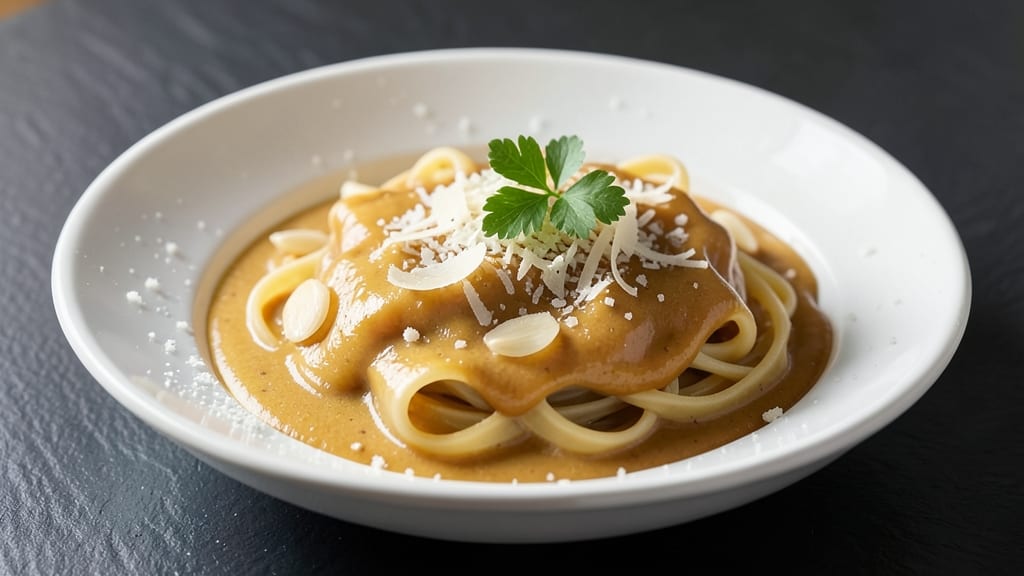
This Alfredo sauce recipe with flour and heavy cream delivers the creamiest, clump-free sauce you'll ever make—no lumps, no guesswork, just silky perfection every time. The secret lies in proper roux formation and slow emulsification, transforming simple pantry staples into restaurant-quality sauce that clings beautifully to fettuccine or grilled chicken.
The foundation starts with equal parts butter and flour cooked to a golden paste, which forms the base for the creamy sauce. Heavy cream adds richness while the sauce simmers gently, allowing flavors to meld without breaking.
This method ensures a velvety texture that's smooth enough to coat a spoon—no matter how much you stir or how long it sits.
What sets this recipe apart is its foolproof technique: whisking constantly during the cream addition prevents lumps, and simmering just until thickened guarantees the perfect consistency.
The result? A sauce so luxurious it transforms ordinary pasta into an elegant meal, with a balanced richness that's neither too heavy nor too thin.
Store leftovers in the fridge for up to 5 days or freeze for months—perfect for meal prep or special occasions. Whether you're drizzling it over fettuccine, using it as a dip, or tossing it with vegetables, this sauce delivers restaurant-quality results at home.
Ingredients for alfredo sauce recipe with flour and heavy cream
Simple pantry staples elevated to restaurant-quality perfection through precise technique.
| Ingredient | Amount | Notes |
|---|---|---|
| Unsalted Butter 🧈 | ½ cup | Cold, cubed for even cooking |
| All-Purpose Flour 🌾 | ½ cup | Diamond Crystal preferred |
| Heavy Cream 🥛 | 2 cups | Full-fat for maximum richness |
| Whole Milk 🥛 | ¼ cup | Warmed for smoother blend |
| Parmesan Cheese 🧀 | 1 cup | Freshly grated, fine grade |
| Garlic Cloves 🧄 | 4 cloves | Minced, for aromatic depth |
| Extra-Virgin Olive Oil 🫒 | 1 tbsp | For finishing, fruity variety |
| Salt 🧂 | ½ tsp | Diamond Crystal kosher |
| White Pepper 🌶️ | ¼ tsp | Freshly ground for subtle heat |
| Nutritional Yeast 🍄 | 1 tbsp | Optional, for umami boost |
The butter-flour ratio is non-negotiable for a proper roux. European-style butter like Plugrá or Land O'Lakes has higher fat content, ideal for velvety results. Diamond Crystal flour—worth the slight price difference. For the Parmesan, Parmigiano-Reggiano from Italy is non-negotiable; pre-grated contains anti-caking agents that ruin texture. Garlic should be freshly minced (not jarred) for authentic flavor. Store butter in the fridge, flour in a cool pantry, and Parmesan in a sealed container with a slice of bread to absorb moisture.
No heavy cream? Full-fat coconut milk works in a pinch, though texture will differ slightly. Substitute milk with half-and-half for a lighter sauce. For the flour, gluten-free 1:1 blend maintains structure. The nutritional yeast can be omitted if avoiding umami, but it's what gives authentic Alfredo its depth. If making ahead, cool the sauce completely before refrigerating to prevent skin formation. For extra richness, reserve 2 tablespoons of pasta water to thin as needed during assembly.
This sauce thickens as it cools—reheat gently with a splash of warm milk or water to restore silky consistency. Keeps 5 days refrigerated in an airtight container with a thin layer of oil on top. For freezing, portion into ice cube trays, then transfer to a bag for up to 3 months. Thaw overnight in the fridge, then reheat on low. The sauce clings beautifully to fettuccine, grilled chicken, or roasted vegetables—double the recipe for meal prep, as it reheats even better the second time.
Why You'll Love This Recipe
- No-Fuss Roux Magic: I swear by this method—just melt butter, whisk in flour, and let it cook until golden. No lumps, no stress, and that nutty flour taste? It’s the secret weapon behind the creamy goodness.
- Rich Without the Guilt: Heavy cream and whole milk make this sauce velvety smooth, but here’s the twist: Parmesan adds depth without needing cream cheese or heavy cream substitutes. It’s decadent but still feels balanced.
- Weeknight to Dinner Party: Same sauce, endless uses. Toss it with fettuccine for a quick weeknight meal, or drizzle it over grilled chicken for a restaurant-worthy dish. Honestly, I’ve even used it as a pasta sauce base for veggie stir-fries—it’s that adaptable.
- Budget-Friendly Luxury: Butter and flour are pantry staples, and Parmesan stretches further than you’d think. I make a double batch on Sundays, freeze half, and still have a creamy sauce ready when I crave it later. No takeout needed.
Step-by-step instructions for silky Alfredo sauce
Master this classic technique to achieve velvety texture without lumps or separation.
Create the Roux for Smooth Emulsion
Melt the 0.5 cup unsalted butter in a heavy-bottomed saucepan over medium-low heat. Once fully melted, reduce heat to medium and gradually whisk in the 0.5 cup all-purpose flour. This creates a roux—the foundation of your sauce.
Cook the roux for 1-2 minutes, stirring constantly, until it turns a pale golden color. This step removes the raw flour taste and prepares the sauce to properly emulsify with the dairy. If you smell any burning, reduce the heat immediately—burnt flour will ruin the sauce.
Gradually Incorporate the Dairy
Slowly pour in the 2 cups heavy cream while whisking vigorously to prevent lumps. After adding half the cream, increase heat to medium-high and continue whisking until the mixture thickens slightly. This gradual addition ensures a smooth, lump-free sauce.
Next, whisk in the 0.25 cup warmed whole milk and 4 minced garlic cloves. The milk adds creaminess while the garlic infuses subtle depth. Keep the heat at medium-high and stir constantly for 3-4 minutes until the sauce begins to thicken and coat the back of a spoon.
Finish with Cheese and Seasonings
Lower heat to low and gradually sprinkle in the 1 cup freshly grated Parmesan cheese, whisking continuously to prevent clumping. The cheese should melt completely into the sauce, creating a rich, nutty flavor. Add the 1 tbsp nutritional yeast (if using) for an umami boost.
Season with 0.5 tsp salt and 0.25 tsp white pepper, then stir in the 1 tbsp extra-virgin olive oil for a silky finish. The oil helps stabilize the emulsion, preventing separation. Taste and adjust seasoning—Alfredo should be rich but not overly salty.
Perfect the Texture and Temperature
Return the sauce to simmering and cook for an additional 2-3 minutes until it reaches a velvety consistency. It should coat the back of a spoon smoothly without being gluey. If it thickens too much, whisk in 1-2 tablespoons of warm milk to loosen.
Remove from heat immediately—overcooking can cause curdling. The sauce should be 160-170°F and ready to toss with hot pasta or serve over grilled meats. For best results, use within 30 minutes while still warm.
Pro Tips For Making Alfredo Sauce Recipe With Flour And Heavy Cream
- Melt Butter Slowly: I learned this the hard way—dumping cold butter into the pan at once makes the flour clump like glue. Instead, cut the butter into small pieces and let them melt gradually over medium heat. This keeps the roux smooth and prevents those stubborn lumps that turn your sauce into a science experiment.
- Whisk Like You Mean It: The moment you add liquid to the flour-butter mix, grab that whisk and go to town. Stirring vigorously for at least 2 minutes breaks down the flour completely, so you don’t end up with that chalky texture that ruins everything. (Yes, even if you’re impatient like me.)
- Grate Your Parmesan Fresh: Pre-shredded cheese is convenient, but it’s also packed with anti-caking agents that turn your sauce grainy. Use a microplane or fine grater on fresh Parmesan—it dissolves better and gives that rich, nutty depth the dish actually needs. (Your future self will notice the difference.)
- Simmer, Don’t Boil: Once the sauce is thickened, reduce the heat to low and let it simmer gently for 5-7 minutes. Boiling it turns the cream grainy and separates the fat, which is the last thing you want. A slow simmer keeps it silky—no extra effort, just better results.
Best sauces and condiments for alfredo sauce recipe with flour and heavy cream
Classic Alfredo Pairings
This sauce is a match made in heaven with fettuccine—its wide, flat strands create the perfect surface for sauce clinging. I always cook 8 ounces fettuccine per serving, tossing it with 1.5 cups sauce and a splash of pasta water to loosen.
For extra indulgence, top with crispy prosciutto or grilled chicken breast that’s been seared in a Lodge cast iron skillet. 🍝
Vegetable Enhancements
Brighten the richness with roasted asparagus or sautéed mushrooms. Toss 1 cup halved asparagus with 1 tbsp olive oil, roast at 400°F for 10 minutes, then fold into warm sauce.
For mushrooms, cook 8 oz sliced cremini in 1 tbsp butter until golden, then stir into the sauce during the final 2 minutes of simmering. The earthy flavors balance the creaminess beautifully.
Protein Pairings
Grilled filet mignon or shrimp scampi elevates this sauce to restaurant-level elegance. For steak, sear 1-inch thick filet in a hot cast iron pan with 2 tbsp olive oil, then slice against the grain.
For shrimp, sauté 12 large shrimp in 1 tbsp butter with 3 minced garlic cloves until pink. Serve both over toasted baguette slices with sauce spooned generously on top.
Unexpected Uses
This sauce isn’t just for pasta—use it as a dipping sauce for garlic bread or mozzarella sticks. Warm 1 cup sauce in a small saucepan, then pour into a shallow bowl.
For a creamy soup, blend 2 cups cooked sauce with 1 cup chicken broth and ½ cup ricotta cheese until smooth. Garnish with fresh parsley and a crack of black pepper for a lighter version.
Cheese Variations
Swap Parmesan for Pecorino Romano (use ½ cup) for a sharper, saltier kick. For a vegetarian twist, add ¼ cup crumbled gorgonzola during the final 2 minutes of simmering.
If you love nutty depth, stir in 1 tbsp toasted pine nuts or walnuts at the end. Each variation changes the sauce’s character while keeping that signature creamy texture.
Finishing Touches
A drizzle of truffle oil (just ½ tsp) adds luxurious depth without overpowering. For a herbaceous note, stir in 1 tbsp chopped chives or fresh basil at the very end.
If you prefer smoky flavor, add ½ tsp smoked paprika when whisking in the garlic. These finishing touches turn good sauce into something extraordinary. ✨
Nutrition facts
Frequently asked questions
Why does my Alfredo sauce get lumpy?
Lumps happen when flour and dairy mix too quickly. Always whisk vigorously while adding the 2 cups heavy cream and cook the roux to a pale golden color first. If lumps appear, blend the sauce briefly with an immersion blender—it’ll smooth right out!
Can I make this sauce without butter?
Yes! Replace the 0.5 cup butter with 0.5 cup olive oil or vegetable oil for a lighter version. The roux will still form, though the flavor will be slightly different. For richness, add an extra 0.25 cup heavy cream to compensate.
How do I fix broken Alfredo sauce?
If your sauce separates, whisk in 1-2 tablespoons warm milk while heating gently on low. For curdled texture, strain through a fine-mesh sieve, then whisk in 1 tablespoon cornstarch mixed with 2 tablespoons cold water to restore thickness. Always reheat slowly to prevent further separation.
What’s the difference between Alfredo and fettuccine Alfredo?
Alfredo sauce is the creamy base, while fettuccine Alfredo is the dish made with fettuccine pasta tossed in the sauce. The key difference is the pasta—Alfredo sauce works with any noodle, but fettuccine’s wide surface area makes it the classic pairing for maximum sauce cling.
Can I make this sauce ahead of time?
Store in an airtight container in the fridge for 5 days or freeze for 3 months. Thaw overnight in the fridge, then reheat gently with a splash of warm milk. For best texture, reheat only until warmed through—never boil. The sauce thickens as it cools, so adjust with milk if needed.