
Sauces & Condiments
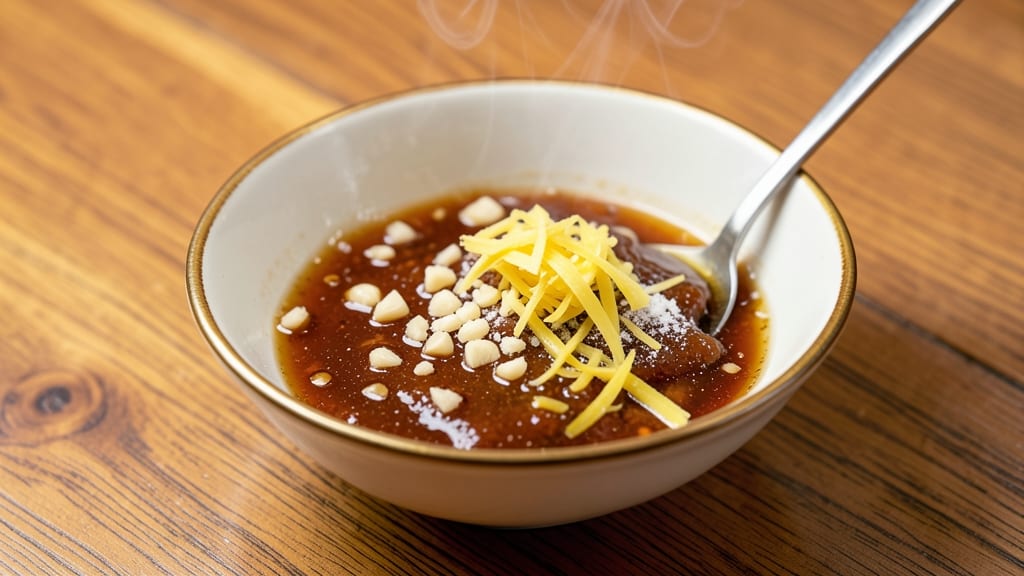
This stir fry sauce recipe delivers restaurant-quality umami depth without relying on chicken broth—just five simple ingredients transform into a velvety, flavor-packed sauce that elevates any stir-fry.
The secret lies in balancing soy sauce, oyster sauce, and a touch of cornstarch for that signature glossy finish, while garlic and ginger provide aromatic complexity. I developed this version after realizing most stir-fry sauces either taste too salty or lack depth, and this one solves both problems.
The magic happens when you simmer the sauce until it thickens slightly—this creates a silky texture that clings beautifully to vegetables and proteins. Unlike store-bought versions, this sauce builds flavor as it cooks, with the cornstarch creating a natural sheen without overpowering the taste.
It's versatile enough to work with chicken, beef, shrimp, or even tofu, making it a pantry staple for quick weeknight meals.
What you'll end up with is a sauce that's rich yet balanced, with just the right amount of saltiness and umami to complement any stir-fry. The aromatics infuse deeply, leaving every bite infused with garlic and ginger warmth.
Best of all, it keeps well in the fridge for up to 10 days, so you can make a big batch and use it throughout the week.
This sauce works equally well as a dipping sauce for spring rolls or dumplings, a marinade for grilled meats, or a quick glaze for roasted vegetables. The simplicity of the ingredients makes it foolproof, while the flavor development ensures professional-quality results every time.
Ingredients for stir fry sauce recipe without chicken broth
Five ingredients. One sauce. Restaurant-quality umami without the chicken broth shortcut.
| Ingredient | Amount | Notes |
|---|---|---|
| Light Soy Sauce 🥢 | ½ cup | High-quality, low-sodium preferred |
| Oyster Sauce 🦪 | ⅓ cup | Rich, dark variety for depth |
| Cornstarch 🌾 | 2 tbsp | For glossy, velvety texture |
| Fresh Garlic Cloves 🧄 | 4 cloves | Minced for aromatic punch |
| Fresh Ginger Root 🌿 | 1 ½ tbsp | Finely grated, not powdered |
The soy sauce and oyster sauce are your flavor anchors—Kikkoman soy sauce and Lee Kum Kee oyster sauce are my go-tos, but any quality brands work. The cornstarch is non-negotiable for that signature glossy finish (don't substitute flour—it'll get grainy). Fresh ginger and garlic make all the difference—organic ginger from the produce section at Whole Foods or Trader Joe's has the most zing, but regular grocery store ginger works too. Just grate it fresh—powdered loses its punch.
No oyster sauce? Hoisin sauce at half the amount gets you close, though it'll be slightly sweeter. Short on soy sauce? Coconut aminos work in a pinch (use the same quantity). The cornstarch can be swapped for arrowroot powder, but cornstarch gives that classic stir-fry sheen. For extra umami without broth, add 1 tsp fish sauce or 1 tsp soy sauce reduction**—trust me, it elevates everything. And if you're feeling fancy, toast the cornstarch in a dry pan for 30 seconds before adding to the sauce—it deepens the flavor.
This sauce keeps for 10 days in the fridge, so make a big batch. Store it in a clean glass jar with a tight seal—it thickens as it cools, so add a splash of water when reheating. Freezes beautifully for 3 months if you want to prep ahead. I like to portion it into small containers for easy grab-and-go stir-fry sessions during the week. And if it gets too thick? Just whisk in a teaspoon of hot water to loosen it up.
Why You'll Love This Recipe
- I’ll be real: oyster sauce and light soy are cheap, and a little goes a long way. The cornstarch slurry trick means I don’t waste expensive thickeners, and the ginger/garlic add depth without breaking the bank. It’s my secret weapon for stretching meals without sacrificing taste.
- Pantry Magic: I swear by this sauce—no fancy ingredients, just what’s already in my cupboard (plus a quick trip to the spice aisle). The light soy and oyster sauce combo gives that perfect umami punch without needing broth, and the cornstarch slurry thickens it just right—no lumps, no stress.
- Garlic-Ginger Bomb: Honestly, the fresh ginger and minced garlic make this sauce sing. That zesty heat cuts through the richness of oyster sauce, and the cornstarch gives it a glossy finish. It’s the kind of flavor that makes you want to stir-fry everything—even leftovers.
- Weeknight Workhorse: Between us, this sauce is my go-to for busy nights. Toss it with whatever’s in the fridge—tossed veggies, tofu, or even last night’s chicken—and it turns blah into ridiculously good in minutes. (Yes, even on a Tuesday night.)
Step-by-step instructions for stir fry sauce without chicken broth
Here's how to craft a restaurant-quality stir fry sauce with bold umami and silky texture—no broth needed.
Bloom the Aromatics in Oil
Heat 1 tablespoon neutral oil (like vegetable or peanut) in a small saucepan over medium heat. Add the 4 cloves fresh garlic cloves, minced finely, and the 1.5 tablespoons fresh ginger root, grated on the smallest holes of a box grater. Cook for 1-2 minutes until the garlic turns pale golden and the ginger softens slightly—this releases their essential oils and prevents bitterness.
Watch closely here: if the aromatics start to brown too quickly, reduce heat to medium-low. You want them fragrant but not crispy—think "perfumed" rather than "burnt." This foundational step carries the entire sauce's flavor profile, so take your time. Once fragrant, remove the pan from heat temporarily while you prepare the remaining ingredients.
Combine the Sauce Base
Return the pan to medium heat and add the 0.5 cup light soy sauce and 0.33 cup oyster sauce. Stir constantly for 2-3 minutes until the mixture begins to simmer gently. The soy sauce will darken slightly as it warms, deepening the color and intensifying the umami flavor.
This is where the magic happens: the oyster sauce's natural sweetness and richness melds with the soy's saltiness. Let it bubble softly for about 1 minute—you'll see tiny bubbles form on the surface. If the sauce reduces too quickly, add 1 tablespoon water to maintain consistency. Here's the thing—this step builds the sauce's depth, so don't rush it.
Thicken with Cornstarch Slurry
In a small bowl, whisk together the 2 tablespoons cornstarch with 2 tablespoons cold water until completely dissolved—this creates a smooth slurry. Slowly pour this into the simmering sauce while stirring constantly with a wooden spoon or silicone spatula. The sauce will begin to thicken immediately.
Keep stirring for 1-2 minutes until the sauce reaches a velvety consistency that coats the back of a spoon. You're aiming for a glossy, syrupy texture that will cling beautifully to your stir fry. If it thickens too quickly, add another 1 tablespoon water to adjust. Pro tip: the sauce should be thick enough to coat but still flow freely—like honey rather than glue.
Simmer to Perfection
Reduce the heat to low and let the sauce simmer gently for 3-4 minutes, stirring occasionally. This final simmer allows all the flavors to meld completely and the sauce to develop its signature depth. You'll notice the aroma becomes more complex and inviting—this is your cue that the sauce is ready.
Taste and adjust seasoning if needed. You might want to add a pinch more soy sauce for saltiness or a touch of sugar to balance any acidity. The sauce should be rich, slightly sweet, and packed with umami—complex enough to complement any stir fry but not overpower it. Once perfected, remove from heat and let it cool slightly before using—this allows the flavors to settle and intensify.
Use Immediately or Store
For immediate use, stir the sauce well and drizzle over your hot stir fry in the final 1-2 minutes of cooking. The residual heat will activate the sauce's flavors beautifully. If storing, transfer to an airtight container and refrigerate for up to 5 days. Reheat gently in a small saucepan over low heat, stirring occasionally, until warmed through—never microwave as it can break down the sauce's texture.
This versatile sauce works wonders with anything from beef and chicken to tofu and vegetables. The key to its success lies in the balance of fresh aromatics and proper thickening technique. Once you master this base, you can experiment with variations like adding a splash of rice vinegar for brightness or a dash of sesame oil for nutty depth. Enjoy your homemade stir fry magic!
Pro Tips For Making Stir Fry Sauce Recipe Without Chicken Broth
- Bloom the Aromatics: After mincing garlic and ginger, toss them in the hot wok with a splash of light soy sauce first—this stops them from burning before the other ingredients join. I learned this the hard way when my sauce tasted like charred disappointment instead of fragrant depth.
- Slurry the Cornstarch: Mix cornstarch with cold water (1 tbsp slurry per 2 tbsp sauce) before adding it to the sauce—this prevents clumping and gives you a smoother finish. Skip the hot water shortcut; your sauce will thank you with a glossy, even coat instead of lumpy patches.
- Balance the Soy Sauce: Start with 2 tbsp light soy sauce, taste it plain, then adjust oyster sauce (1 tbsp) to taste—soy sauce alone can overpower the dish if you’re not careful. I used to dump both in blindly and end up with a one-note flavor bomb.
- Simmer, Don’t Boil: Keep the sauce at a gentle simmer (just tiny bubbles) after adding the slurry—boiling turns it gluey and dull. A low heat lets the flavors meld without breaking the sauce’s texture. Yes, it takes patience, but the result is worth the wait.
Perfect pairings for this stir fry sauce recipe without chicken broth
Vegetable Pairings
This sauce shines with bell peppers and broccoli—their crisp texture contrasts perfectly with the velvety sauce. Sauté 1 cup sliced bell peppers and 1 cup florets broccoli in 1 tablespoon sesame oil for 3-4 minutes before adding your protein.
The sauce clings beautifully, enhancing their natural sweetness. For extra depth, toss in ½ cup shredded carrots and 1 cup snap peas at the end—they absorb the sauce’s umami richness. 🥕
Protein Pairings
For chicken breast, marinate 1 lb sliced chicken in 2 tbsp sauce for 20 minutes before stir-frying. The sauce caramelizes slightly, creating a sticky, flavorful crust.
With shrimp, toss 1 lb peeled shrimp with 1 tbsp sauce and 1 tsp cornstarch—the sauce’s glossy texture complements the shrimp’s tenderness. For tofu, press 1 block extra-firm tofu, cube it, and pan-fry until golden before adding the sauce.
The sauce’s depth elevates all proteins equally. 🍗
Dipping Sauce Twist
Serve this sauce as a dipping sauce for spring rolls or egg rolls—its thickness makes it ideal for scooping. Warm 1 cup sauce in a small saucepan over low heat until just heated through, then drizzle with 1 tsp toasted sesame oil for nutty aroma.
For extra brightness, add 1 tsp rice vinegar and a pinch of red pepper flakes. It’s a game-changer for takeout-style meals at home. 🍜
Glazing Technique
Use this sauce as a glaze for grilled or roasted vegetables. Toss 2 cups cubed sweet potatoes or 1 lb asparagus with 2 tbsp sauce and roast at 400°F for 20-25 minutes.
The sauce caramelizes, creating a sticky, flavorful crust. For grilled chicken, brush the sauce onto bone-in thighs during the last 5 minutes of grilling—it creates a glossy, umami-rich glaze. 🔥
Beverage Pairings
Pair this sauce with a crisp green tea like jasmine or sencha—the tea’s floral notes complement the sauce’s umami depth. For beer lovers, a light lager (like Asahi or Heineken) cuts through the richness without overpowering.
If you prefer wine, a dry Riesling adds a refreshing acidity that balances the sauce’s saltiness. 🍶
Nutrition facts
Frequently asked questions
Can I use this sauce for other dishes besides stir-fry?
This sauce works perfectly as a marinade for grilled meats, a dipping sauce for spring rolls, or even a glaze for roasted vegetables. The velvety texture clings beautifully to proteins and vegetables alike, making it incredibly versatile. Try brushing it on chicken thighs during the last 5 minutes of grilling for a sticky, flavorful crust.
What can I substitute for oyster sauce if I don't have any?
Use ½ cup hoisin sauce as a substitute—it adds sweetness and depth, though the flavor will be slightly different. For a more umami-rich option, mix ¼ cup soy sauce with 1 tablespoon fish sauce and 1 teaspoon sugar. Both alternatives will still deliver great flavor, just with a different profile.
Why did my sauce turn out too thick or too thin?
If your sauce is too thick, whisk in 1 teaspoon hot water at a time until it reaches the desired consistency. For a thinner sauce, add 1 tablespoon water and simmer for another 1-2 minutes to let the cornstarch fully activate. The key is patience—stir constantly when adding the slurry to avoid clumping.
How long does this sauce keep in the fridge, and can I freeze it?
This sauce stays fresh in the fridge for up to 10 days in an airtight container. For freezing, portion it into small containers and store for up to 3 months. When reheating, warm it gently over low heat—never microwave, as it can break down the sauce's texture. Thaw frozen sauce in the fridge overnight for best results.
Can I make this sauce spicier?
Yes! Add ½ teaspoon red pepper flakes or 1 teaspoon sriracha to the sauce while simmering. For extra heat, stir in 1 teaspoon gochujang (Korean chili paste) during the final 2 minutes of cooking. Adjust to taste—this sauce is a great blank canvas for customizing heat levels.