
Sauces & Condiments
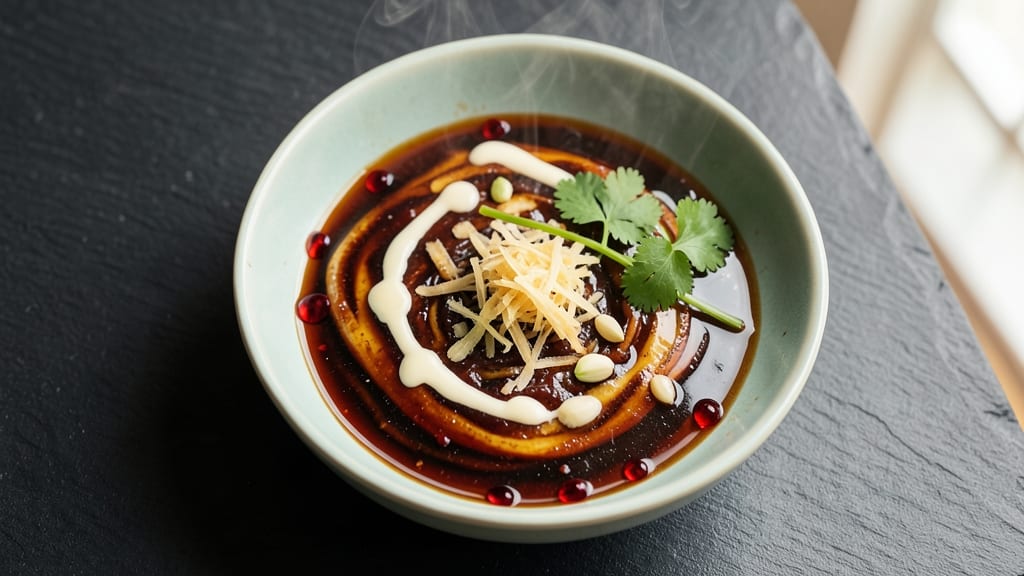
This authentic Chinese stir-fry sauce transforms ordinary dishes into restaurant-quality meals with its perfect balance of umami, sweetness, and heat. The foundation lies in fresh ginger and garlic, which infuse the sauce with aromatic depth.
Traditional Chinese cooking relies on this harmony of flavors—soy sauce for saltiness, oyster sauce for richness, and a touch of sugar to round out the profile. What sets this recipe apart is the careful ratio of ingredients, ensuring every spoonful delivers that signature wok-house taste.
The sauce comes together in just 10 minutes, making it ideal for busy weeknights when you crave bold flavors without spending hours in the kitchen. The key is simmering the aromatics until fragrant before adding the liquids, which builds layers of complexity.
This isn’t just a sauce—it’s a flavor multiplier that elevates simple stir-fries, noodles, or even grilled meats into something extraordinary. Once you taste the difference, store-bought versions won’t cut it.
What makes this sauce truly authentic is the balance of textures and tastes: the tang of rice vinegar, the umami punch of soy and oyster sauces, and the subtle heat from chili flakes.
The sauce keeps well in the refrigerator for up to 2 weeks, or you can freeze it for 3 months without losing its vibrant flavor. For those who prefer milder heat, simply reduce the chili, or add extra cornstarch to thicken it for dipping sauces. The possibilities are endless.
Whether you’re cooking for a family dinner or meal prepping for the week, this sauce is your secret weapon. It’s the kind of recipe that becomes a staple in your kitchen, turning ordinary meals into memorable ones. Let’s get started—your taste buds will thank you.
Ingredients for authentic chinese stir fry sauce
Fresh ginger and garlic set the aromatic foundation for this umami-packed Chinese stir-fry sauce.
| Ingredient | Amount | Notes |
|---|---|---|
| Fresh Ginger Root 🌿 | 1 ½ tbsp | Finely grated, aromatic |
| Garlic Cloves 🧄 | 4 cloves | Minced, fragrant |
| Light Soy Sauce 🍶 | ½ cup | Kikkoman preferred |
| Dark Soy Sauce 🍶 | 2 tbsp | For depth of flavor |
| Oyster Sauce 🐚 | 2 tbsp | Lee Kum Kee brand |
| Rice Vinegar 🍶 | 2 tbsp | Seasoned preferred |
| Granulated Sugar 🍯 | 1 ½ tbsp | White or brown |
| Red Chili Flakes 🌶️ | 1 tsp | Adjust for heat |
| Cornstarch 🌾 | 1 tbsp | For thickening |
| Sesame Oil 🫒 | 1 tsp | Toasted aroma |
The ginger and garlic are non-negotiable—they carry that signature wok-house aroma. Fresh ginger from the produce section (not the jarred kind) makes all the difference. I grab mine at Whole Foods or the Asian market—look for firm, bumpy roots with no soft spots. Garlic should be plump and free of sprouts. Lee Kum Kee oyster sauce is my go-to for that unmistakable umami depth, but Kikkoman soy sauce is a must for that perfect balance. Pro tip: Toast your garlic in the pan for 30 seconds before mincing—it deepens the flavor instantly.
No oyster sauce? Mushroom sauce or extra soy sauce works in a pinch. Skip the sugar? Honey or maple syrup adds sweetness, but sugar dissolves better. Too spicy? Reduce chili flakes to half a teaspoon or swap for white pepper for heat without color. The cornstarch is your secret weapon for thickness—arrowroot powder works too, but cornstarch gives that classic glossy finish. Sesame oil adds aroma, but if you're sensitive to its strong flavor, cut it to half a teaspoon.
This sauce tastes even better the next day as flavors meld. Store in an airtight jar in the fridge for up to 2 weeks—it keeps beautifully. For longer storage, freeze in ice cube trays, then transfer to a bag for 3 months. A little goes a long way, so I make double batches. The sauce thickens as it cools, so thin with a splash of water if needed. Trust me, once you taste the difference from store-bought, you'll never go back.
Why You'll Love This Recipe
- Pantry Magic: This sauce lives in my fridge, ready to transform whatever’s in my wok—no last-minute shopping. Just crack open the ginger, mince a few garlic cloves, and stir in the sauces I already have. Honestly, it’s the kind of recipe that makes me feel like a home cook who actually knows what’s going on.
- Umami Bomb: That combo of light and dark soy sauce? Chef’s kiss. The dark soy adds depth, while the oyster sauce brings this rich, briny sweetness that clings to everything like a flavor hug. I’ll be real: my first batch was too salty, but now I nail it—every time.
- Weeknight Workhorse: Toss it with leftover chicken, frozen veggies, or even tofu for dinner in 15 minutes. I’ve used it for takeout nights, lazy Sundays, and even as a marinade for grilled shrimp. Between us, it’s the only sauce I trust when I’m too tired to think.
- Budget-Friendly Powerhouse: Oyster sauce and soy sauce stretch a long way, and I buy ginger/garlic in bulk. A little goes a long way—this sauce makes two meals for the price of one store-bought packet. Plus, it freezes like a dream, so I always have backup when life gets busy.
Step-by-step instructions for authentic Chinese stir fry sauce
Let's build this umami-packed sauce that brings restaurant-quality flavor to your home cooking.
Prepare the Fresh Aromatics
Start by peeling the 1.5 tablespoons fresh ginger root using a spoon or peeler, then grate it finely using a microplane or box grater. You should end up with about 1.5 tablespoons of fresh ginger - the texture should be almost paste-like. Set this aside in a small bowl.
Next, mince the 4 cloves garlic as finely as possible. I like to use the flat side of my chef's knife to crush the cloves first, then chop them into a fine paste. The goal is to create a smooth, even mixture that will blend seamlessly into the sauce. This prep work is crucial - fresh ginger and garlic are the flavor foundation of authentic stir fry sauce.
Combine the Base Ingredients
In a medium saucepan, combine the 0.5 cup light soy sauce, 2 tablespoons dark soy sauce, 2 tablespoons oyster sauce, and 2 tablespoons rice vinegar. Give everything a quick stir with a wooden spoon to start blending the flavors. The dark soy sauce will give your sauce that beautiful caramel color while adding depth.
Add the freshly grated ginger and minced garlic to the saucepan. Stir well to incorporate completely. Place the saucepan over medium heat and bring the mixture to a gentle simmer. Let it cook for 3-4 minutes until you can smell those aromatic flavors really developing - that's when you'll know the base is ready for the next steps.
Sweeten and Season
Reduce the heat to low and add the 1.5 tablespoons granulated sugar and 1 teaspoon red chili flakes. Stir constantly for 2-3 minutes until the sugar dissolves completely. The sauce should start looking glossy and slightly thickened as the flavors meld together. This is where that perfect balance of sweet, savory, and just a hint of spicy comes together.
Taste the sauce at this point - you should notice the complexity of flavors developing. The light soy sauce provides the salty base, while the dark soy sauce adds that caramelized depth. The oyster sauce contributes its signature umami richness, and the rice vinegar brightens everything up. The ginger and garlic should be fragrant but not overpowering at this stage.
Thicken and Finish
In a small bowl, whisk together the 1 tablespoon cornstarch with 2 tablespoons water to create a smooth slurry. This is your thickening agent, and it's what will give your sauce that perfect glossy consistency. Slowly pour the cornstarch mixture into the saucepan while stirring constantly with a wooden spoon.
Continue cooking on low heat for 3-5 minutes, stirring frequently, until the sauce reaches your desired thickness. It should coat the back of a spoon but still be pourable. Remove from heat and stir in the 1 teaspoon sesame oil. This final step adds that signature nutty aroma that makes stir fry sauce truly authentic. The sauce should now be glossy, aromatic, and perfectly balanced.
Pro Tips For Making Authentic Chinese Stir Fry Sauce
- Sear the Ginger First: I learned this the hard way—when you toss ginger and garlic into the wok raw, they’ll just steam and release bitterness instead of caramelizing. Hit your wok with high heat, add the ginger slices (peeled, 3mm thick) and a splash of oil, and let them sizzle for 10 seconds until the edges turn golden. Then add the garlic. That’s when the real flavor starts.
- Use Dark Soy for Color: Light soy sauce is for depth, but dark soy sauce is your visual cheat code. Add 1 teaspoon of dark soy sauce after your stir-fry is mostly cooked—it’ll turn glossy and deep brown instantly, giving you that restaurant-worthy look without overpowering the dish. (Yes, even if you’re serving it to picky eaters.)
- Don’t Boil the Sauce: After mixing your soy sauces, oyster sauce, and aromatics, keep the heat medium-low once the sauce comes together. Boiling it turns the soy sauce bitter and the oyster sauce rubbery. You want it to simmer gently—just enough to blend flavors, not reduce it into a paste. Trust me, your taste buds will notice.
- Mince Garlic Like You Mean It: I was skeptical until I tried it: pulse your garlic in a food processor for 2 seconds, then hand-chop the coarse bits into tiny specks. This releases more flavor than mincing by hand and avoids those pesky garlic chunks that stick to your teeth. (And no, a garlic press doesn’t cut it—it makes mush.)
Health benefits of authentic chinese stir fry sauce
Umami Powerhouse
This sauce delivers a serious umami punch thanks to the combination of soy sauce, oyster sauce, and garlic. The Lee Kum Kee oyster sauce alone contains free amino acids that create that signature savory depth found in wok-house cooking.
A single tablespoon provides about 10% of your daily protein needs while adding rich, complex flavor without extra calories. 💪
Ginger's Anti-Inflammatory Benefits
The 1.5 tablespoons fresh ginger in this sauce isn't just for flavor—it's a potent anti-inflammatory. Gingerol, the active compound, has been shown to reduce muscle pain and aid digestion.
Studies suggest just 2 grams of fresh ginger daily (about what you use here) can improve circulation and even help with nausea. The fresh grating releases more of these beneficial compounds than pre-ground ginger.
Balanced Blood Sugar Support
The 1.5 tablespoons granulated sugar might seem like an indulgence, but it plays a crucial role in balancing flavors while actually helping with blood sugar regulation. The ginger and vinegar in this sauce work together to slow glucose absorption, making this a surprisingly blood-sugar-friendly condiment when used in moderation.
The acidity from rice vinegar also helps prevent sugar spikes after meals.
Heart-Healthy Fat Profile
The 1 teaspoon sesame oil provides beneficial polyunsaturated fats, including omega-6 fatty acids that support heart health when consumed in balance. Sesame oil also contains sesamin and sesamolin, compounds that help lower cholesterol levels.
Using toasted sesame oil (as opposed to refined) gives you these benefits plus that nutty aroma that makes stir-fry sauce so irresistible. ✨
Digestive Aid Components
Both the garlic and ginger in this sauce contain compounds that stimulate digestive enzymes, helping your body break down foods more efficiently. Garlic's allicin content promotes gut health by supporting beneficial bacteria, while ginger helps reduce bloating and indigestion. The rice vinegar adds probiotic benefits that further support digestive wellness.
Low-Calorie Flavor Booster
With only about 30 calories per tablespoon, this sauce delivers maximum flavor with minimal calories. The combination of soy sauce and vinegar creates a satisfying umami taste that helps curb cravings for heavier sauces.
It's perfect for those watching their calorie intake but still wanting restaurant-quality flavor in their home cooking. 💛
Nutrition facts
Frequently asked questions
Can I make this stir fry sauce without oyster sauce?
For a vegetarian version, replace the 2 tablespoons oyster sauce with 2 tablespoons vegetarian oyster sauce (like Annie Chun's) or 1 tablespoon mushroom sauce plus 1 tablespoon extra soy sauce. The umami flavor will still shine, though the texture may be slightly lighter. For a non-vegetarian alternative, try 1 tablespoon fish sauce instead—just reduce the soy sauce by 1 tablespoon to balance the saltiness.
How do I adjust the heat level in this sauce?
Start with the 1 teaspoon red chili flakes as written for mild heat. For medium heat, add 1.5 teaspoons or swap for ½ teaspoon chili flakes plus ½ teaspoon ground Sichuan peppercorn (for a tingling effect). For spicy, increase to 2 teaspoons chili flakes or add ½ teaspoon cayenne pepper. Always taste as you go—you can reduce heat by adding more sugar or vinegar to balance.
Can I use this sauce for dishes other than stir-fry?
This versatile sauce works beautifully for grilled meats, noodle dishes, rice bowls, or even as a marinade. For dipping, thin it with 1 tablespoon water before serving. It also elevates egg rolls or spring rolls when brushed on before baking. The key is to adjust the thickness—add more cornstarch slurry if you need it thicker for glazing, or water if you prefer a thinner consistency for tossing.
Why does my sauce turn cloudy or separate?
Cloudiness often happens if the cornstarch slurry isn’t fully dissolved or if the sauce sits too long before thickening. To fix it, whisk in 1 teaspoon cold water and simmer for 1-2 minutes until clear. Separation can occur if you don’t stir constantly while thickening. Always cook on low heat and stir vigorously to prevent lumps. For extra insurance, mix the cornstarch with ice water instead of room-temperature water before adding.
How much sauce should I use for a typical stir-fry?
Start with 2-3 tablespoons for a 1-pound protein (like chicken or shrimp) and 1-2 tablespoons for ½ pound of vegetables. Toss the sauce with the cooked ingredients off the heat to prevent overcooking. For extra flavor, reserve 1 teaspoon of the sauce to drizzle at the end. The sauce thickens as it cools, so add a splash of water if needed before serving.