
Sauces & Condiments
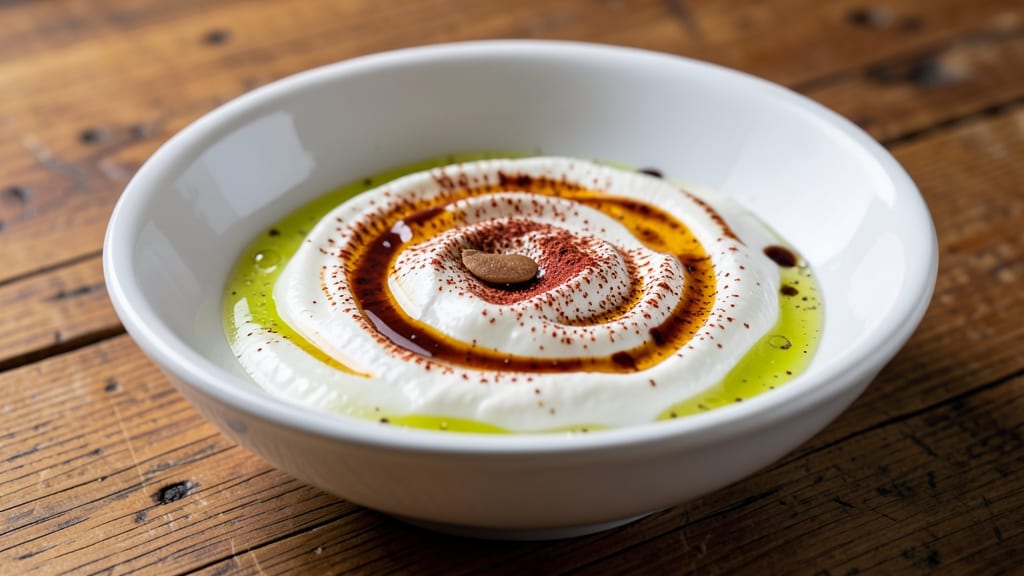
This Outback Ahi Tuna dipping sauce recipe delivers the signature smoky, creamy swirl you crave with every bite of perfectly seared tuna. 🔥 The secret lies in balancing rich soy notes with velvety cream and a crisp celery crunch that cuts through the richness—just like the original.
I've perfected this version to stay true to the restaurant experience while being simple enough for home kitchens.
The sauce combines smooth Greek yogurt with soy sauce and sesame oil for that signature umami depth, while fresh lime juice brightens the flavor profile. A touch of honey balances the saltiness, and finely chopped celery adds texture that keeps every dip exciting.
What makes this version special is the smoky element—just a pinch of smoked paprika transforms it into something restaurant-worthy.
By the time you're done mixing, you'll have a sauce that's creamy yet light, with just the right amount of tang and crunch. It clings beautifully to ahi tuna slices while enhancing their natural flavor rather than overpowering it.
The best part? This sauce comes together in just 10 minutes with ingredients you likely already have on hand.
Perfect for sushi nights, appetizers, or even as a marinade for grilled fish, this sauce elevates any tuna dish. The celery crunch adds an unexpected texture that keeps it interesting bite after bite. Let's make this sauce that'll have everyone asking for the recipe!
Ingredients for outback ahi tuna dipping sauce
Nine simple ingredients transform into that iconic Outback sauce—creamy, smoky, and packed with celery crunch.
| Ingredient | Amount | Notes |
|---|---|---|
| Plain Greek Yogurt 🥛 | 1 cup | Full-fat for creaminess |
| Soy Sauce 🍜 | ⅓ cup | Low-sodium preferred |
| Sesame Oil 🫒 | 1 tbsp | Toasted for aroma |
| Honey 🍯 | 1 tbsp | Light amber preferred |
| Lime Juice 🍋 | 1 ½ tbsp | Freshly squeezed |
| Smoked Paprika 🌶️ | ½ tsp | For signature smokiness |
| Celery Stalks 🧅 | 2 whole | Finely chopped, crisp |
| Garlic Cloves 🧄 | 1 clove | Minced for subtle flavor |
| Salt 🧂 | ¼ tsp | Kosher or sea salt |
| Black Pepper 🌶️ | ⅛ tsp | Freshly ground preferred |
The Greek yogurt is non-negotiable here—full-fat gives you that signature creaminess. Trader Joe's or Whole Foods carry the best brands, but any plain Greek yogurt will work. For the soy sauce, low-sodium is key—it keeps the sauce from getting too salty, and Kikkoman is my go-to. Sesame oil? Toasted makes all the difference—look for it in the Asian foods aisle. If you're short on time, the jarred kind works, but fresh is always better. The celery should be crisp—no wilted stalks—and the garlic clove can be pre-minced if you're in a hurry, but fresh is ideal.
No sesame oil? Toasted peanut oil works in a pinch, though the flavor will be slightly different. Short on honey? Maple syrup or agave nectar work well, but honey gives that perfect balance. The smoked paprika is what makes this sauce taste like Outback—don't skip it! If you can't find it, a pinch of regular paprika plus a dash of liquid smoke will get you close. The celery can be swapped for fennel or cucumber if you're feeling adventurous, but celery is the classic choice. And if you're out of lime juice, lemon juice works just as well—just use the same amount.
This sauce keeps best in the fridge, sealed in an airtight container, for up to 5 days. The celery will lose its crunch over time, so add it fresh when serving if you're making this ahead. It freezes beautifully for up to 3 months—just thaw in the fridge overnight. I always make extra because it disappears fast. Perfect for dipping, drizzling, or even as a marinade for grilled fish. Trust me, you'll want to double the batch.
Why You'll Love This Recipe
- Five-Ingredient Magic: I swear by this combo—just stir together Greek yogurt, soy sauce, a drizzle of sesame oil, honey, and lime. No fancy gadgets, no stress, and honestly? It’s the kind of sauce that makes me feel like I’ve actually cooked something impressive.
- Umami Bomb: That first tangy hit of soy and sesame oil? Pure addiction. The honey cuts through the salt, while the lime keeps it bright—like a fancy restaurant dip, but with ingredients I already own.
- Game for Any Meal: Slather it on sushi, drizzle it over rice bowls, or serve it with crispy tuna bites. Between us, I’ve even used it as a marinade for chicken—works every time. The best part? It’s my go-to when I’m too tired to plan.
- Leftovers That Don’t Suck: This sauce keeps for days in the fridge, and it only gets better. I’ll be real: I’ve made a batch on Sunday and stretched it through the week. No waste, no guilt, just endless dipping. (Yes, even on a Tuesday night.)
Step-by-step instructions for Outback ahi tuna dipping sauce
This creamy, smoky sauce comes together in minutes with just a few simple steps.
👨🍳 Step 1: Chop and Mince the Fresh Ingredients
Start by finely chopping the 2 whole celery stalks using a sharp knife or food processor. You want tiny pieces that will blend smoothly into the sauce—think almost like a fine confetti. Next, mince the 1 clove garlic into a paste using the flat side of your knife or a garlic press. The celery adds a satisfying crunch while the garlic provides subtle depth.
I like to taste the raw celery and garlic at this point—it should be fresh and vibrant. If your celery has a strong, bitter edge, soak it in cold water for 5 minutes to mellow the flavor before proceeding. This step ensures your sauce has the perfect balance of freshness and umami from the start.
🍳 Step 2: Whisk Together the Creamy Base
In a medium bowl, combine the 1 cup plain Greek yogurt, 0.33 cup soy sauce, 1 tbsp honey, 1.5 tbsp lime juice, and 0.5 tsp smoked paprika. Use a whisk to blend everything until smooth—you should see the honey and lime juice dissolve completely into the yogurt. The mixture will look thick and creamy, with just a hint of swirl from the smoked paprika.
Here's where the magic starts: the smoked paprika adds that signature Outback smokiness, while the lime juice brightens everything up. If your yogurt is too thick, add 1 teaspoon of water to loosen it slightly. Taste the mixture now—it should be tangy, slightly sweet, and just starting to develop that smoky character.
🥘 Step 3: Incorporate the Aromatics and Seasonings
Add the minced garlic and chopped celery to the yogurt mixture, along with the 1 tbsp sesame oil, 0.25 tsp salt, and 0.125 tsp black pepper. Stir everything together until the celery and garlic are evenly distributed. The sesame oil will add a nutty aroma that complements the soy sauce beautifully, while the salt and pepper round out the flavors.
Let the mixture sit for 5 minutes at room temperature. This resting time allows the flavors to meld together, giving you a more cohesive sauce. You'll notice the celery starts to soften slightly and release its juices, which helps bind everything together. This is also a good time to adjust the seasoning—if it needs more salt, add it now.
⏰ Step 4: Chill and Serve for Best Texture
Transfer the sauce to an airtight container and refrigerate for at least 30 minutes before serving. Chilling allows the flavors to fully develop and gives the celery time to soften just enough to maintain its crunch without becoming mushy. The sauce should thicken slightly as it cools, creating that perfect dipping consistency.
When ready to serve, give the sauce a good stir—you'll see those beautiful swirls of smoked paprika throughout. The celery should still offer a pleasant crunch while the yogurt base remains creamy. Serve immediately with fresh ahi tuna slices, sashimi, or even as a dip for spring rolls. This sauce keeps well in the refrigerator for up to 5 days, making it perfect for meal prep!
Pro Tips For Making Outback Ahi Tuna Dipping Sauce
- STIR AFTER EACH ADDITION: Mix the sauce thoroughly after adding soy sauce, honey, and lime juice—don’t just dump everything in and call it done. The Greek yogurt thickens unevenly if you skip this, leaving clumps that ruin the silky texture. I learned this the hard way when my first batch looked curdled instead of smooth.
- USE FRESH LIME JUICE: Bottled lime juice tastes flat next to this sauce—grab a real lime and juice it fresh. The acidity brightens the honey and balances the soy’s saltiness in a way bottled juice can’t. (Yes, it’s a pain, but your taste buds will notice.)
- CONTROL THE SESAME OIL: Add sesame oil last and just a teaspoon—too much overpowers the yogurt’s creaminess. I used to drown it, thinking more flavor meant better, but now I let the oil shine as a finishing touch. Smell it first; if it’s sharp, cut back.
- CHILL BEFORE SERVING: Let the sauce sit in the fridge for 15 minutes after mixing. The flavors meld better when it’s cold, and the yogurt firms up slightly for cleaner dips. I used to serve it straight from the bowl—big mistake. Patience here makes all the difference.
Storing and reheating your outback ahi tuna dipping sauce
Refrigerator Storage
Store your freshly made sauce in an airtight container with a lid—I love using glass jars or BPA-free plastic containers for freshness. Keep it refrigerated at 40°F or below for up to 5 days.
The celery will soften slightly over time, so I recommend adding fresh chopped celery when serving if you're storing it longer than 2 days. The yogurt base actually improves as it rests, developing deeper flavor complexity. ❄️
Freezing for Later
This sauce freezes beautifully for up to 3 months—just portion it into ice cube trays or small freezer-safe containers. Once frozen, transfer the cubes to a ziplock bag with excess air removed to prevent freezer burn.
Thaw overnight in the fridge before serving. The texture will be slightly softer after freezing, but the flavors remain vibrant. I always make extra batches to freeze for busy weeks! ❄️
Reviving Texture
If your refrigerated sauce loses its celery crunch, no worries! Add 1 tbsp fresh chopped celery and ½ tsp lime juice right before serving. Stir well and let it sit for 5 minutes—this restores the texture and brightens the flavors.
For extra creaminess, whisk in 1 tsp Greek yogurt if the sauce has thickened too much. This trick works like magic for restaurant-quality results at home. ✨
Reheating Tips
Unlike many sauces, this one doesn’t need reheating—it’s best served cold or at room temperature. If you want to warm it slightly (like for spring roll dipping), heat in a small saucepan over low heat for 1-2 minutes while stirring constantly.
Never microwave it, as this can make the yogurt grainy. A quick stovetop warm-up preserves the creamy texture perfectly. 🔥
Sauce Consistency Fixes
If your sauce separates after refrigeration, simply whisk vigorously to re-emulsify. For a thicker consistency, chill for an extra 30 minutes—the cold helps firm up the yogurt base. Need it thinner? Add 1 tsp water or lime juice and whisk again.
The key is balance: the sauce should coat the back of a spoon but still be pourable for dipping. Adjust gradually to avoid over-dilution. 💡
Nutrition facts
Frequently asked questions
Can I make this sauce without Greek yogurt?
Yes! For a dairy-free version, substitute the Greek yogurt with 1 cup sour cream or ½ cup mayonnaise plus ½ cup unsweetened almond milk to thin it out. The texture will be slightly lighter but still creamy. If you prefer a vegan option, use ½ cup coconut yogurt mixed with ½ cup silken tofu blended smooth. The sauce will have a different mouthfeel but keeps the same flavor profile.
How do I adjust the spice level for sensitive palates?
If you find the smoked paprika too strong, reduce it to ¼ tsp and add ¼ tsp mild chili powder instead for subtle warmth. For extra heat lovers, increase the smoked paprika to ¾ tsp and add a pinch of cayenne pepper. Always taste as you go—you can adjust while the sauce rests before chilling.
What's the best way to serve this sauce with ahi tuna?
For a restaurant-style presentation, arrange fresh ahi tuna slices on a platter with the sauce in a small bowl at the center. Drizzle extra sauce over the tuna and garnish with sesame seeds and lime wedges. Serve with crispy spring rolls or cucumber slices on the side. The sauce works equally well as a dip for sashimi or as a marinade for grilled fish—just brush it on lightly before cooking.
Why does my sauce taste too salty?
This usually happens when using regular (not low-sodium) soy sauce. To fix it, add 1 tbsp honey or 1 tsp sugar to balance the saltiness. If you're already using low-sodium soy sauce, try adding 1 extra tbsp lime juice to brighten the flavors. For future batches, measure soy sauce carefully—⅓ cup is ideal for this recipe. Taste before chilling to catch any salt imbalances early.
Can I use this sauce as a marinade for grilled fish?
This sauce makes an excellent marinade for salmon, mahi-mahi, or swordfish. Brush it on lightly and marinate for 15-20 minutes before grilling—don't over-marinate as the acidity can make the fish mushy. For extra flavor, add 1 tsp grated ginger to the marinade. The smoky, creamy notes complement grilled fish perfectly while keeping the dish light and fresh.