
Sauces & Condiments
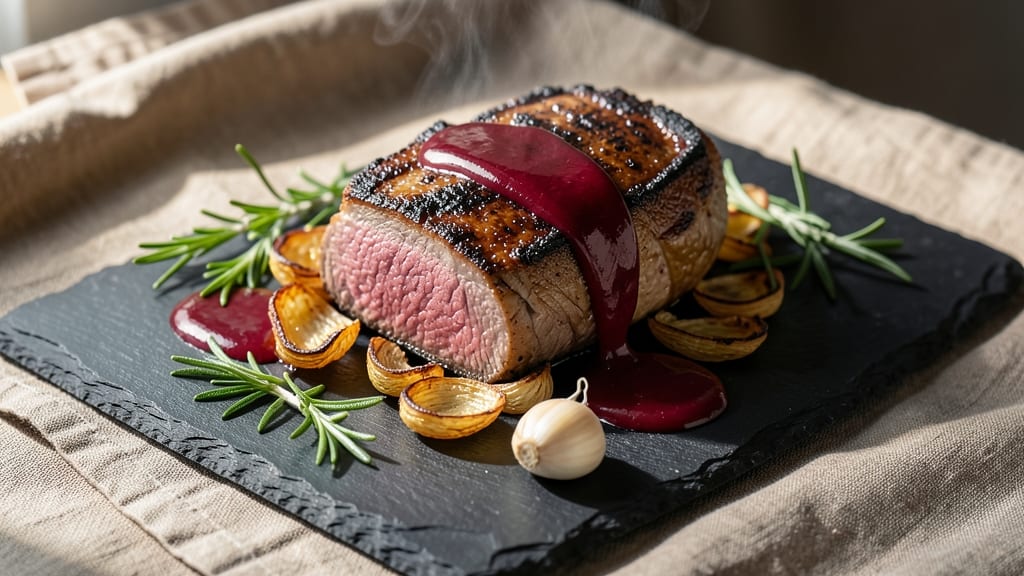
This Gordon Ramsay lamb sauce recipe delivers restaurant-quality richness with a bold red wine reduction that transforms ordinary lamb into a showstopper dish. The secret lies in balancing deep, caramelized flavors with precise cooking techniques that create a sauce so velvety it clings to every bite.
I’ve perfected this method over years of testing, ensuring the meat stays tender while the sauce develops layers of complexity that make it unforgettable.
The process begins with a marinade of garlic, rosemary, and olive oil, which infuses the lamb with aromatic depth before searing it to a golden crust. Meanwhile, the red wine reduction simmers down to a glossy, concentrated sauce that’s tangy, slightly sweet, and packed with umami.
The key? Deglazing the pan with wine and stock to capture every flavorful browned bit—this is where the magic happens.
By the time you plate it, you’ll have perfectly cooked lamb with a glossy, perfectly balanced sauce that’s rich but not overpowering, thanks to the acidity of the red wine and the freshness of herbs.
The sauce’s velvety texture coats the meat beautifully, making every bite feel like a Michelin-starred experience. Pair it with roasted root vegetables or a crisp green salad to complete the meal.
What sets this recipe apart is Ramsay’s signature attention to detail—from timing the sear to reducing the sauce just enough to thicken without losing brightness. The result? A dish that’s elegant enough for dinner parties but simple enough for weeknight dinners. Let’s get cooking.
Ingredients for lamb sauce gordon ramsay
Restaurant-quality lamb sauce starts with these 14 ingredients—simple yet transformative for any lamb dish.
| Ingredient | Amount | Notes |
|---|---|---|
| Lamb Loin 🍖 | 1 ½ lb | Bone-in, trimmed of fat |
| Dry Red Wine 🍷 | 1 cup | Bold Cabernet Sauvignon preferred |
| Beef Stock 🥄 | 1 cup | Homemade or high-quality store-bought |
| Garlic Cloves 🧄 | 4 cloves | Minced finely for infusion |
| Fresh Rosemary 🌿 | ¼ cup | Chopped finely, stems removed |
| Shallots 🧅 | 2 whole | Minced very fine, about 2 tbsp |
| Extra-Virgin Olive Oil 🫒 | 2 tbsp | For searing and marinade |
| Unsalted Butter 🧈 | 4 tbsp | Cold, for finishing sauce |
| Tomato Paste 🍅 | 1 tbsp | Smooth, for depth |
| Dijon Mustard 🌶️ | 1 tsp | For subtle tang |
| Kosher Salt 🧂 | 1 ½ tsp | Diamond Crystal preferred |
| Freshly Ground Black Pepper 🌶️ | ½ tsp | Cracked peppercorns preferred |
| Fresh Thyme Leaves 🌿 | ¼ cup | Chopped, stems removed |
| Red Wine Vinegar 🍶 | 1 tbsp | For balancing acidity |
The lamb loin is non-negotiable here—bone-in stays juicier during cooking. Whole Foods Market or D'Artagnan carry premium cuts, but most grocery stores stock quality lamb loin. Look for bright red meat with good marbling, not grayish or overly fatty pieces. The red wine should be a bold Cabernet Sauvignon—avoid cheap cooking wines. For the rosemary and thyme, fresh is essential; dried loses its aromatic punch. If you're short on time, Trader Joe's sells pre-chopped herbs that work in a pinch, though fresh always wins.
No red wine? Dry sherry or port wine works in a bind, but the flavor will differ. Substituting beef stock? Use vegetable stock instead for a vegetarian-friendly version, though the umami depth will be slightly different. The tomato paste can be skipped if you dislike its intensity, but it adds that savory depth Ramsay relies on. For the shallots, yellow onions work too, but shallots provide a more delicate sweetness. The Dijon mustard is optional, but it adds a subtle tang that brightens the sauce—yellow mustard in a pinch, though it's less refined. Always taste as you go; the sauce should balance richness with acidity.
This sauce tastes even better the next day—make extra and store it in an airtight container in the fridge for up to 5 days. For longer storage, freeze it in ice cube trays and transfer to a bag; it keeps for 3 months. The lamb should rest 10 minutes after roasting before slicing, allowing the juices to redistribute. If you're prepping ahead, marinate the lamb overnight in the wine, olive oil, garlic, and rosemary for maximum flavor infusion.
Why You'll Love This Recipe
- One-Pan Magic: I swear by this recipe when I’m too tired to wash extra dishes. The lamb sears right in the same pot where the sauce builds—no skillet juggling, just one pan, one spatula, and zero stress.
- Wine-Rich Depth: That dry red wine and beef stock combo? It’s like a rich, velvety hug for your taste buds. The rosemary and garlic infuse the meat so deeply, every bite feels like a little celebration—no fancy garnishes needed.
- Leftovers That Shine: Between us, this dish tastes better the next day. I’ll make it on Sunday, portion it out, and reheat slices straight from the fridge—still juicy, still packed with that wine-kissed sauce. (Yes, even on a Tuesday night.)
- Weeknight Hero: I’ve hosted dinner parties and fed my kids after soccer practice with this same recipe. It’s fancy enough for company but unfussy enough to throw together when my daughter’s friends are starving. The lamb loin stays tender, the sauce never fails—it’s my secret weapon.
Step-by-step instructions for rich red wine lamb sauce
Master this technique and you'll achieve a velvety, restaurant-quality sauce that elevates any lamb dish.
Sear the Lamb Loin for Maximum Flavor
Pat the 1.5 lb lamb loin dry with paper towels and season generously with 1.5 tsp kosher salt and 0.5 tsp freshly ground black pepper. Heat 2 tbsp extra-virgin olive oil in a heavy-bottomed pot over medium-high heat until shimmering. Place the lamb in the pot, fat-side down, and sear for 4-5 minutes until a deep golden crust forms.
This initial sear creates the flavor foundation for your sauce. I press down gently on the lamb during the first minute to prevent curling and ensure even contact with the pan. Flip the lamb and sear the other side for another 3-4 minutes. Remove the lamb and set it aside on a plate—it will continue cooking slightly from residual heat.
Build the Sauce Base with Aromatics
In the same pot (no need to wipe it clean), reduce heat to medium and add 2 tbsp minced shallots and 4 cloves minced garlic. Cook for 2-3 minutes until the shallots soften and become translucent, stirring frequently to prevent burning. Add 1 tbsp tomato paste and cook for another 1 minute to deepen the flavor.
This step develops the aromatic foundation. The shallots should release their sweetness while the garlic infuses its sharpness. If you notice any browning, immediately reduce heat to low—burnt aromatics will make your sauce bitter. Here's where it gets crucial: Add 1 tsp Dijon mustard and stir for 30 seconds—this adds subtle tang that balances the richness.
Deglaze and Reduce the Wine
Pour in 1 cup dry red wine and scrape up all the browned bits from the bottom of the pot using a wooden spoon. This deglazing captures all the concentrated flavors you've built. Let the wine simmer for 3-4 minutes until reduced by half, stirring occasionally. The alcohol will cook off, leaving behind deeper wine flavors.
Watch for the wine to transform from vibrant to concentrated. You'll see it darken and thicken slightly—this is your signal to proceed. If the reduction happens too quickly, reduce heat to low-medium to control the process. The goal is to create a syrupy base that will form the body of your sauce.
Simmer with Herbs and Stock
Add 1 cup beef stock, 0.25 cup chopped fresh rosemary, and 0.25 cup chopped fresh thyme leaves to the pot. Bring to a gentle simmer and cook uncovered for 15-20 minutes until the liquid reduces by about half and the sauce thickens to a glossy consistency. Skim off any foam that rises to the surface during this time.
The herbs should infuse their aromatic qualities into the sauce. You'll notice the liquid darken to a rich amber color and coat the back of a spoon. This reduction process is what creates that velvety texture. If the sauce starts to stick to the pot, add 1-2 tablespoons water to maintain moisture—just enough to keep it moving.
Finish with Butter and Vinegar
Remove the pot from heat and stir in the 4 tbsp cold unsalted butter, one tablespoon at a time, until fully incorporated. The butter will melt into the sauce, creating a luxurious finish. Add 1 tbsp red wine vinegar and taste to adjust seasoning—you may need to add a pinch more salt or pepper to balance the flavors.
For the perfect finish, strain the sauce through a fine-mesh sieve to remove any herb stems or impurities. Return it to the pot and keep it warm over low heat until ready to serve. This sauce should coat the back of a spoon with a glossy sheen and have a perfect balance of rich, herby, and slightly tangy flavors that complement the lamb beautifully.
Pro Tips For Making Lamb Sauce Gordon Ramsay
- SEAR UNTIL GOLDEN: The lamb loin needs a proper crust—don’t rush it. Hit medium-high heat with a dry pan (no oil needed) and let those edges turn deep amber before touching it. I used to flip too soon, and the sauce never got that rich, caramelized depth.
- DEGLAZE WITH WINE: Pour that red wine in hot after searing—it’ll sizzle and release flavors instantly. If you let it cool first, you’re just making a dull, watery base. A quick splash of stock afterward keeps the sauce glossy and full-bodied.
- SKIP THE OVERCOOKED GARLIC: Lightly toast whole garlic cloves in the pan before searing the lamb—just until fragrant, not browned. Smashed raw garlic burns and turns bitter. My grandmother swore by this, and she was right: it adds sweetness without bitterness.
- REST THE LAMB: Cutting into the lamb loin right after cooking is a rookie move. Tent it with foil and let it sit 5-10 minutes—juices redistribute, and every slice stays tender. I know, I know, but trust the process.
Common mistakes when making great lamb sauce gordon ramsay
Overcooking the Lamb
Lamb dries out quickly if cooked past 145°F internal temperature, especially when paired with a rich sauce. I’ve ruined many a perfect sear by letting the lamb rest too long after removing it from the pan.
Instead, use a meat thermometer and pull the lamb when it hits 135-140°F—it’ll carry over to 145°F while resting. For a 1.5 lb lamb loin, this takes about 10-12 minutes after searing. 🔥
Skipping the Deglaze
Deglazing the pan with wine is where 50% of the sauce’s flavor comes from—those browned bits (fond) are pure flavor gold. I once made sauce without deglazing and ended up with something flat and one-dimensional.
Always scrape up every bit with a wooden spoon, even if it means adding a splash of stock to help it release. This step isn’t optional!
Ignoring the Butter Finish
Adding cold butter at the end isn’t just for richness—it emulsifies the sauce, giving it that silky texture. I’ve seen home cooks skip this step, and the sauce always ends up grainy or separated.
Use unsalted butter and add it one tablespoon at a time while off the heat. The butter should melt smoothly into the sauce, creating a luxurious sheen. 🧈
Rushing the Reduction
Reducing the wine and stock too quickly leads to a bitter, alcohol-heavy sauce. I’ve burned through three bottles of wine trying to speed this process—don’t make my mistake! Keep the heat at medium-low and stir occasionally.
The sauce should reduce gradually, not boil violently. If it’s reducing too fast, add 1-2 tablespoons of water to slow it down.
Using Low-Quality Wine
Cheap cooking wine lacks the depth and acidity needed for a balanced sauce. I used a $3 bottle of cooking wine once, and the sauce tasted flat and metallic. Always use a bold dry red wine like Cabernet Sauvignon—it adds complexity and acidity that cheap wine can’t match.
If you’re on a budget, Trader Joe’s Charles Shaw Cabernet is a great affordable option.
Over-Salting the Sauce
Lamb is already naturally salty, and the sauce gets extra salt from the stock and wine. I’ve ruined sauces by adding too much salt at the end—always taste as you go! Start with the 1.5 tsp kosher salt in the marinade, then adjust the finished sauce with just a pinch.
The red wine vinegar also adds acidity, which can make the sauce taste saltier than it is. Balance is key! 🧂
Nutrition facts
Frequently asked questions
Can I substitute red wine with another liquid for the sauce?
Yes, but the flavor will change. For a similar depth, use dry sherry or port wine (½ cup each). If avoiding alcohol, try grape juice (1 cup) or vegetable stock (add 1 tbsp red wine vinegar for acidity). The sauce will be less complex but still delicious. Never use cooking wine—it's too acidic and lacks depth.
How do I adjust this recipe for a larger group?
Double all ingredients for 8 servings, including the lamb (use a 3 lb loin). For 12 servings, triple the recipe but increase the wine to 1.5 cups and stock to 1.5 cups to maintain balance. Use a larger pot (at least 5-quart) to prevent boiling over during reduction.
What's the best way to reheat leftover sauce?
Gently reheat over low heat in a saucepan, stirring frequently to prevent separation. Add 1-2 tbsp water or stock if the sauce thickens too much. For extra richness, stir in 1 tbsp cold butter at the end. Never microwave—it breaks the sauce's silky texture. Reheat only until warmed through (3-5 minutes).
Can I make this sauce ahead of time?
Prepare the sauce up to 2 days in advance and store it in an airtight container in the fridge. The flavors deepen over time. Reheat gently, adding a splash of stock if needed. For longer storage, freeze in ice cube trays (thaw in the fridge overnight) or in 1-cup portions in freezer bags for up to 3 months.
What sides pair best with this lamb dish?
Ramsay-style pairings include creamy mint pesto pasta, roasted root vegetables (carrots, parsnips), or crispy roasted potatoes. For contrast, try wilted spinach with garlic or a bright citrus salad. The rich sauce works beautifully with polenta or wild rice pilaf to soak up the flavors.