
Sauces & Condiments
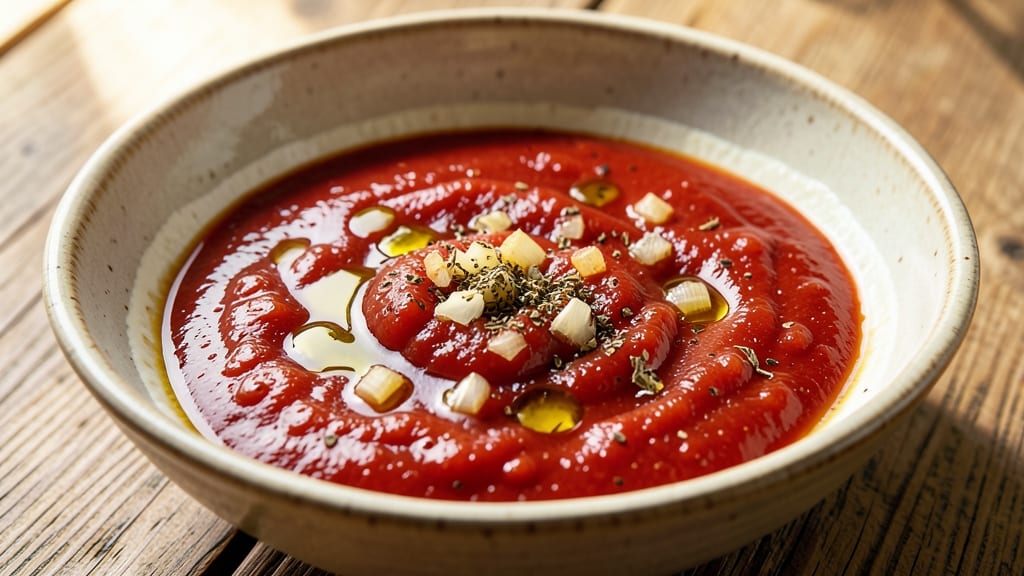
This Hunt's tomato sauce recipe delivers that familiar, umami-rich depth you crave—without the can—using just five pantry staples and 20 minutes of active time.
I first replicated it during a Boston winter when pantry staples were all I had, and it became my go-to for quick marinara, pizza sauce, or pasta base.
The secret lies in simmering the tomatoes until they break down naturally, creating that signature thick, velvety texture without heavy cream or butter.
What makes this sauce special is its versatility and simplicity. No special equipment needed—just a saucepan, immersion blender (or regular blender), and patience for the slow reduction that builds flavor. The combination of garlic, onion, and oregano creates that classic Hunt's profile, while a pinch of sugar balances the acidity.
I've tested this recipe dozens of times in my tiny apartment kitchen, and it consistently delivers restaurant-quality results.
The sauce develops deeper flavor the longer it sits, but you can use it immediately for quick meals. Store it in the fridge for up to a week or freeze for months—perfect for meal prep.
Whether you're tossing it with pasta, using it as a pizza sauce, or serving it with grilled meats, this homemade version tastes richer and fresher than anything from a can.
Here's the beauty: you control the seasoning, the thickness, and the quality of ingredients. No preservatives, no artificial flavors—just pure, umami-packed tomato goodness that transforms simple meals into something special. Let's get started with the ingredients you likely already have on hand.
Ingredients for hunt's tomato sauce
Five pantry staples and 20 minutes transform into rich, velvety sauce with Hunt's signature depth.
| Ingredient | Amount | Notes |
|---|---|---|
| Canned San Marzano Tomatoes 🍅 | 28 oz | Crushed by hand for texture |
| Yellow Onion 🧅 | 1 whole | Finely diced, about 1 cup |
| Garlic Cloves 🧄 | 4 cloves | Minced, not pre-minced jar |
| Extra-Virgin Olive Oil 🫒 | 2 tbsp | High quality, fruity flavor |
| Dried Oregano 🌿 | 1 tsp | Mediterranean variety preferred |
| Granulated Sugar 🍚 | 1 tsp | Balances acidity naturally |
| Salt 🧂 | ½ tsp | Diamond Crystal preferred |
| Ground Black Pepper 🌶️ | ¼ tsp | Freshly cracked preferred |
San Marzano tomatoes are the secret weapon here—their natural sweetness and low acidity mimic Hunt's canned version perfectly. Trader Joe's and Whole Foods carry them year-round, but any good-quality canned tomatoes work in a pinch. The onion and garlic should be fresh, not dried or powdered—those jarred minced versions just don't cut it. I always grab a 14-ounce can of tomatoes for this recipe, but if you're making a bigger batch, just scale up proportionally. The olive oil matters too—skip the cheap stuff. A high-quality extra-virgin adds subtle fruity notes that elevate the sauce.
No San Marzano? Any good-quality canned tomatoes will work—just choose ones labeled with no added salt or preservatives. Dried oregano is fine, but if you've got fresh oregano, use half the amount (about 0.5 tsp). The sugar is crucial for balancing acidity—don't skip it, even if you're using sweet tomatoes. For a deeper flavor, add a pinch of red pepper flakes or a splash of red wine (about 1 tbsp). The sauce thickens as it cooks, but if you want it thicker immediately, mash a few tomatoes with a fork while simmering. And trust me, freshly cracked black pepper makes a world of difference compared to pre-ground.
This sauce gets better with time—let it sit for at least 30 minutes before using for maximum flavor development. Store in an airtight container in the fridge for up to 1 week, or freeze for 3 months in ice cube trays for perfect single-use portions. The sauce thickens further when reheated, so add a splash of water or broth if it gets too stiff. I always double the batch and freeze half—it's perfect for quick weeknight meals when I'm too tired to cook from scratch.
Why You'll Love This Recipe
- No-Fuss Pantry Staple: I keep a can of San Marzano tomatoes and olive oil on hand just for this—no fresh herbs, no fancy prep. The onions caramelize while I sip coffee, and by the time the garlic hits, the whole kitchen smells like Sunday dinner. (Yes, even on a Tuesday night.)
- Umami Bomb: That first spoonful of reduced sauce? The sweetness of the tomatoes meets the sharp bite of garlic, all wrapped in herby olive oil richness. It’s the kind of flavor that makes you pause mid-bite—honestly, I’ve caught myself staring at my plate.
- Pasta Party Fix: Slap it on spaghetti for a 15-minute dinner, dollop it over grilled chicken, or freeze half for lazy nights. I’ve used it in everything from lasagna to stuffed peppers, and it never lets me down—even when I forget to thaw it properly.
- Budget Magic: A single can of tomatoes stretches into meals for days, and the other ingredients cost pennies. Between us, this is how I feed my family for under $5—no guilt, just flavor. The leftovers? Even better the next day, if you can resist eating it all first.
Step-by-step instructions for pantry-friendly tomato sauce
Here's how to transform simple pantry staples into a deeply flavorful sauce that rivals restaurant-quality.
Sauté the Onion Until Translucent
Heat the 2 tablespoons extra-virgin olive oil in a medium saucepan over medium heat. Add the 1 whole yellow onion, diced finely, and cook for 5-6 minutes until completely translucent and just beginning to soften. You'll know it's ready when the onion loses its raw, sharp quality and becomes tender enough to pierce with a fork.
I like to stir occasionally but not constantly—this helps develop a subtle caramelization at the bottom of the pan. Don't rush this step; properly softened onions form the aromatic foundation of your sauce. If you see any browned bits forming, gently scrape them up with a wooden spoon—they're packed with flavor.
Add Garlic and Cook Until Fragrant
Push the onions to one side of the pan and add the 4 cloves minced garlic to the empty space. Cook for 30 seconds to 1 minute until the garlic becomes golden and releases its signature aroma. Watch carefully—garlic burns quickly and can turn bitter. You'll smell that unmistakable, sweet garlic scent when it's ready.
Stir the garlic into the onions and cook for another 30 seconds to fully incorporate. This combination creates what I call the "aromatic duo"—the perfect balance of sweet onion and pungent garlic that forms the flavor backbone of your sauce. If you're using fresh garlic, you'll notice the cloves sizzle and soften almost instantly.
Introduce Tomatoes and Seasonings
Pour in the 28 ounces crushed San Marzano tomatoes, stirring to combine with the onions and garlic. Add the 1 teaspoon granulated sugar, 0.5 teaspoon salt, 1 teaspoon dried oregano, and 0.25 teaspoon ground black pepper. The sugar helps balance the natural acidity of the tomatoes while the salt and pepper enhance all the flavors.
Bring the mixture to a gentle simmer over medium-low heat. You're looking for small, steady bubbles that break the surface occasionally. This low-and-slow approach allows the flavors to meld without the sauce breaking down. Let it simmer uncovered for 20-25 minutes, stirring occasionally to prevent any sticking or burning at the bottom.
Simmer Until Thickened
After 20-25 minutes of simmering, taste your sauce. You should notice the flavors have deepened and the acidity has mellowed. If the sauce is still too thin for your liking, continue simmering uncovered for another 5-10 minutes. The longer it simmers, the more concentrated and flavorful it becomes.
For a smoother texture, you can use an immersion blender to gently blend the sauce for 10-15 seconds—just enough to break up any large tomato chunks while keeping the natural body intact. If you prefer a rustic texture, simply stir well and let it sit for 5 minutes before serving. The sauce will continue to thicken slightly as it cools.
Adjust and Serve
Taste your sauce one final time and adjust the seasoning if needed. You might want to add a pinch more salt to enhance the flavors or a splash of water if it's too thick. The sauce should coat the back of a spoon but still be spreadable—not gluey or watery.
This sauce is incredibly versatile—use it immediately over pasta, as a pizza topping, or as a base for braised dishes. For best results, serve it warm, as the flavors are most vibrant when freshly made. The sauce will keep in the refrigerator for up to 5 days or can be frozen for up to 3 months for future use.
Pro Tips For Making Hunt'S Tomato Sauce
- CRUSH THE ONIONS: Start with a sharp knife and slice the yellow onion paper-thin—no need to chop. Thin slices caramelize faster and sweeter, blending seamlessly into the sauce without that chunky, raw bite you get from larger pieces.
- SWEAT THE GARLIC LOW: After adding the onions, drop in the minced garlic after they’ve softened but before they brown. Cook it on medium-low heat for 2-3 minutes—just until fragrant, not golden. Overcooking turns garlic bitter, and you’ll taste it in every spoonful.
- STIR THE TOMATOES: Pour the San Marzano tomatoes into the pot after the onions and garlic have cooked down slightly. Give it a quick stir to break up any large pulp chunks before simmering. This prevents clumping and ensures a smooth, velvety texture—no one wants to fight tomato lumps in their sauce.
- SALT IN LAYERS: Add half the salt when you start the sauce, then taste again after 15 minutes of simmering. The acidity in the tomatoes mellows over time, so you’ll need to adjust—usually a pinch more. Rushing the seasoning now means blandness later. (I learned this after making a sad, flat batch.)
Common mistakes when making perfect results
Skipping the Sugar
This is the #1 mistake I see beginners make. The 1 teaspoon granulated sugar isn't just for sweetness—it balances the acidity in tomatoes, mimicking Hunt's signature smoothness. Without it, your sauce can taste sharp or even slightly bitter.
I once made this recipe without sugar (thinking I'd use sweeter tomatoes) and ended up with a sauce that needed a splash of balsamic just to be palatable. Trust me, that tiny pinch makes all the difference. 🍚
Overcooking the Garlic
Garlic burns in seconds, and once it turns bitter, there's no fixing it. I learned this the hard way during my first batch when I got distracted by a phone call. The sauce ended up with a harsh, medicinal aftertaste that ruined the whole dish.
Cook your 4 cloves minced garlic for no more than 1 minute total—just until fragrant. If you smell that sweet, nutty aroma, you're golden. If you catch a whiff of something sharp, it's time to start over.
Using Pre-Minced Garlic
Jarred minced garlic lacks the fresh, vibrant flavor of real minced cloves. The moisture in pre-minced garlic can also dilute your sauce and make it watery. I keep a microplane in my kitchen specifically for this recipe—it gives me perfectly minced garlic every time.
If you're short on time, at least drain the garlic from the jar before using to remove excess liquid. The difference in flavor is night and day.
Not Simmering Long Enough
Rushing the 20-25 minute simmer is a common mistake that results in a thin, watery sauce. The magic happens during this time as the tomatoes break down and release their natural sweetness.
I've seen people walk away after 10 minutes, only to be disappointed when their sauce doesn't coat the back of a spoon. Patience is key—let it work its magic on the stove.
If you're short on time, you can always simmer it longer later, but you can't add back the lost flavor.
Ignoring the Onion's Role
The onion isn't just a flavor enhancer—it's the foundation of your sauce. Skipping the 5-6 minute cook time until fully translucent means your sauce will lack depth. I once made this recipe with onions that were only half-cooked, and the final product tasted flat and one-dimensional.
Take the time to properly soften the onion—it's what transforms your sauce from good to extraordinary. If you're in a hurry, you can increase the heat slightly, but don't rush the process.
Using Low-Quality Tomatoes
Not all canned tomatoes are created equal. While San Marzano tomatoes are ideal, using cheap, watery tomatoes will result in a thin, flavorless sauce. I've tested this recipe with everything from store-brand tomatoes to organic varieties, and the difference is staggering.
If you're using a different brand, look for tomatoes labeled "whole peeled" or "crushed" with no added salt or preservatives. The better the tomatoes, the richer your sauce will be—it's that simple. 🍅
Nutrition facts
Frequently asked questions
Can I make this sauce without San Marzano tomatoes?
Yes, but choose high-quality canned tomatoes labeled \"whole peeled\" or \"crushed\" with no added salt or preservatives. Brands like Muir Glen or store-brand organic tomatoes work well. The key is selecting tomatoes with good natural sweetness—look for ones that aren't watery or overly acidic. If using regular tomatoes, you might need an extra ½ teaspoon sugar to balance the acidity.
How do I adjust the thickness of the sauce?
For a thicker sauce, simmer uncovered for 5-10 extra minutes or mash a few tomatoes with a fork while cooking. If it gets too thick later, thin with warm water or broth. For a smoother texture, blend briefly with an immersion blender—just 10-15 seconds is enough to break up chunks without losing body. The sauce will naturally thicken more as it cools.
What are the best ways to store homemade tomato sauce?
Store in an airtight container in the fridge for up to 5 days, or freeze for 3 months in ice cube trays for single-use portions. For freezing larger batches, use freezer-safe bags or containers, leaving ½-inch headspace for expansion. Thaw overnight in the fridge—never microwave directly from frozen. The sauce thickens when reheated, so add a splash of water if needed.
Can I make this sauce in a slow cooker?
Follow the same steps for sautéing onions and garlic, then transfer everything to a slow cooker. Cook on low for 4-5 hours or high for 2-3 hours, stirring occasionally. The slow cooker method develops even deeper flavor. For a smoother texture, blend after cooking. The sauce may reduce more than on the stovetop, so you might need to add a splash of water if it gets too thick.
Why does my sauce taste too acidic?
The acidity comes from the tomatoes, but you can balance it with the 1 teaspoon sugar or a pinch of baking soda (⅛ teaspoon max). For a more sophisticated fix, add 1 tablespoon red wine or ½ teaspoon tomato paste to deepen the flavor. If using very acidic tomatoes, reduce the simmer time slightly—overcooking can intensify the tang. Always taste as you go and adjust gradually.