
Sauces & Condiments
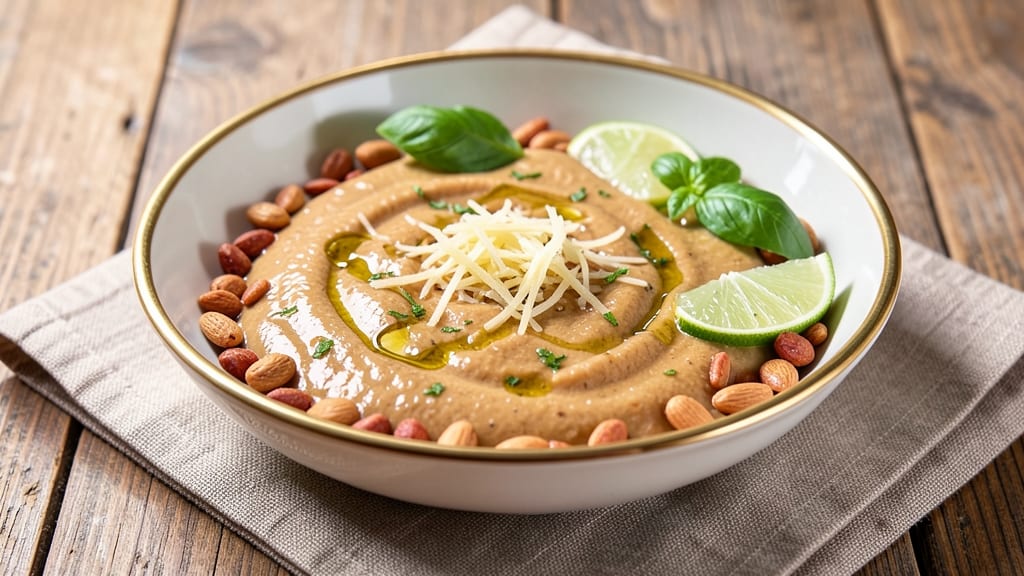
This ginger lime peanut sauce transforms ordinary dishes into vibrant, restaurant-quality meals with just a few simple ingredients. The bright citrus notes from lime cut through the rich peanut base, while fresh ginger adds a warming kick that balances everything perfectly.
I developed this recipe after craving that perfect harmony of sweet, tangy, and spicy flavors in my stir-fries and bowls—it’s become my go-to sauce for adding depth without overpowering other ingredients.
The secret lies in the emulsification process, where peanut butter and coconut milk combine smoothly with lime juice and ginger for a velvety texture that clings beautifully. No special equipment is needed—just a whisk and patience to let flavors meld.
This sauce works equally well as a drizzle over noodles, a dip for spring rolls, or a dressing for fresh salads, making it a versatile addition to any meal.
What makes this sauce stand out is its bold yet balanced flavor profile—creamy peanut meets zesty lime, with a hint of heat from ginger and chili. The result is a sauce that’s rich enough to satisfy but bright enough to keep every bite exciting.
Once you try it, you’ll reach for this drizzle anytime you want to elevate a simple dish into something extraordinary.
Store it in the fridge for up to a week, or freeze for longer shelf life—just give it a quick stir before using. The sauce thickens slightly when chilled, so thin with a splash of water if needed.
Ready in just 10 minutes, this recipe proves you don’t need complicated techniques to create restaurant-worthy flavors at home.
Ingredients for ginger lime peanut sauce
Eight simple ingredients create this vibrant, restaurant-quality sauce that elevates any dish.
| Ingredient | Amount | Notes |
|---|---|---|
| Creamy Peanut Butter 🥜 | ½ cup | Natural, unsweetened preferred |
| Coconut Milk 🥥 | ½ cup | Full-fat for creaminess |
| Fresh Lime Juice 🍋 | ¼ cup | About 2-3 limes, freshly squeezed |
| Fresh Ginger 🌿 | ½ cup | Finely grated, about 1-2 inches |
| Extra-Virgin Olive Oil 🫒 | ¼ cup | For smooth texture |
| Low-Sodium Soy Sauce 🍶 | 1 tbsp | Or tamari for gluten-free |
| Maple Syrup 🍯 | 1 tbsp | For natural sweetness |
| Red Chili Flakes 🌶️ | ½ tsp | Adjust for heat preference |
| Garlic Cloves 🧄 | 2 cloves | Minced for depth |
| Water 💧 | ¼ cup | For thinning if needed |
The peanut butter is the star here—natural, unsweetened gives the best flavor without added sugars. Trader Joe's or Smucker's are my go-tos, but any good-quality brand works. Fresh ginger is a must (dried just won't cut it)—look for plump, firm rhizomes with no soft spots. The lime juice should be freshly squeezed; bottled juice lacks that bright punch. For the coconut milk, full-fat canned gives the richest texture, while light versions work in a pinch but may thin the sauce slightly. If you're using pre-minced garlic, drain it well to avoid excess moisture.
No peanut butter? Almond butter or cashew butter works in a pinch, though the flavor will differ slightly. Short on lime juice? Lemon juice at half the amount gets you close, but the sauce will be slightly less vibrant. The maple syrup can be swapped for agave or honey if preferred, though maple adds a subtle earthiness that pairs perfectly. For extra heat, add a dash of sriracha instead of chili flakes. The olive oil might seem odd, but it's key for emulsifying the sauce—don't skip it! If the sauce thickens too much, add water 1 tbsp at a time until you reach your desired consistency.
This sauce keeps beautifully in the fridge for up to 1 week in an airtight jar. The texture thickens slightly when chilled, so give it a quick whisk and thin with water if needed. For longer storage, freeze for up to 3 months—just thaw in the fridge and stir well before using. I like to make a double batch; it disappears fast. The sauce works best at room temperature, so let it sit for 5-10 minutes before drizzling over hot noodles or bowls. Trust me, the wait is worth it.
Why You'll Love This Recipe
- Five-Ingredient Magic: I swear, this sauce is the kind of recipe that makes you question why you ever bought store-bought. Just blend peanut butter, coconut milk, lime juice, ginger, and olive oil—no fancy techniques, no stress. The lime juice brightens everything instantly, while the ginger adds that little kick that makes it feel special.
- Zingy & Creamy Balance: Between us, the combo of rich peanut butter and zesty lime is chef’s kiss. The olive oil gives it a silky finish, and the fresh ginger? It’s like a warm hug for your taste buds—spicy enough to wake you up, but smooth enough to keep you coming back. Honestly, I’ve never met a sauce that hits this balance so well.
- Dips, Glazes, or Sauces: This stuff works everywhere. Slather it on grilled chicken, toss it with noodles, or use it as a dip for veggies—it’s my go-to for weeknight dinners and lazy Sundays. Even my picky-eating teen asks for it now. (Yes, even on a Tuesday night.)
- Lasts All Week: I make a big batch on Sunday, and it’s still flavorful by Friday. The coconut milk keeps it from separating, and the lime juice prevents it from going rancid too fast. Plus, peanut butter is cheap—this sauce costs me pennies per serving, and it’s way better than anything in a jar.
Step-by-step instructions for ginger lime peanut sauce
Here's how to blend all these bold flavors into a velvety, zesty sauce that elevates any dish.
Grate and Mince the Fresh Ingredients
Start by peeling and finely grating the 0.5 cup fresh ginger using a box grater or microplane. You'll want a smooth, paste-like consistency—no fibrous chunks. I like to press the grated ginger through a fine-mesh strainer to remove any excess moisture, which helps prevent a watery sauce later.
Next, mince the 2 cloves garlic into a fine paste using a knife or garlic press. The goal is to create a smooth texture that blends seamlessly with the other ingredients. Set both aside—they'll be the aromatic base of your sauce. This prep work ensures your sauce will be silky rather than grainy, so take your time here.
Whisk Together Wet Ingredients
In a medium bowl, combine the 0.5 cup creamy peanut butter, 0.5 cup coconut milk, 0.25 cup fresh lime juice, 0.25 cup extra-virgin olive oil, 1 tablespoon low-sodium soy sauce, and 1 tablespoon maple syrup. Use a whisk to blend everything thoroughly until completely smooth—no streaks of peanut butter should remain.
The lime juice and soy sauce will start to break down the peanut butter immediately, creating a lighter texture. If you notice the mixture is too thick at this stage, you can add up to 2 tablespoons of the 0.25 cup water later, but we'll hold off for now. Taste the mixture—it should be tangy, slightly sweet, and rich, but still balanced.
Add Aromatics and Adjust Consistency
Add the grated ginger and minced garlic to the bowl, along with the 0.5 teaspoon red chili flakes. Stir well to incorporate everything completely. The chili flakes will add a subtle heat that brightens the peanut flavor. If you prefer a smoother sauce, you can strain out any remaining ginger fibers now, but I like the slight texture contrast.
Now check the consistency. If the sauce is too thick, gradually add the remaining 0.25 cup water one tablespoon at a time until it reaches a pourable, drizzling consistency—similar to heavy cream. It should coat the back of a spoon smoothly but still cling slightly. This is where the olive oil comes into play, helping to emulsify everything for a stable sauce.
Blend Until Silky Smooth
Transfer the mixture to a blender or food processor and blend for 30-45 seconds until completely smooth. The high-speed blending ensures no texture remains, creating that luxurious, restaurant-quality finish. If you don't have a blender, you can whisk vigorously for 2-3 minutes, but blending is far more effective for achieving that velvety texture.
Taste and adjust seasoning if needed. You might want to add a touch more lime juice for brightness or a sprinkle of additional chili flakes for heat. The sauce should be perfectly balanced—sweet from the maple syrup, tangy from the lime, spicy from the chili, and rich from the peanut butter and coconut milk. This is your chance to fine-tune the flavor profile to your exact preference.
Let It Rest and Use Immediately
Transfer the sauce to a clean jar or bowl and let it sit at room temperature for 10-15 minutes. This resting period allows all the flavors to meld together beautifully. The sauce will thicken slightly as it cools, so if it seems too thick after resting, you can thin it with an additional 1-2 tablespoons of water to reach your desired consistency.
Your ginger lime peanut sauce is now ready to use! It's perfect for drizzling over stir-fries, noodle bowls, grilled meats, or even fresh spring rolls. For the best results, use it within 2-3 days when stored in an airtight container in the refrigerator. The flavors will continue to develop slightly over time, becoming even more complex as they sit.
Pro Tips For Making Ginger Lime Peanut Sauce
- Warm the Peanut Butter: Dump cold peanut butter straight into hot coconut milk and you’ll end up with a weird, grainy mess. Instead, let that peanut butter sit in a bowl over barely simmering water for 2-3 minutes—just until it’s soft enough to stir smoothly. Trust me, your sauce will thank you.
- Grate Ginger Like a Pro: Skip the microplane if you’re impatient, but don’t just chop it either. Use a box grater with the medium holes, then rub the ginger between your palms to break it into a fine paste—this releases more flavor and blends better than pre-shredded ginger. (Yes, even if you’re in a hurry.)
- Balance the Lime Gradually: I learned this the hard way—dumping all the lime juice at once turns your sauce into a sad, puckery experiment. Start with half the juice, taste, then add the rest one tablespoon at a time. You can always fix too much lime; you can’t un-sour a sauce.
- Whisk in Olive Oil Last: Add the extra-virgin olive oil at the very end, right when you’re ready to drizzle or toss. It keeps the sauce from separating and gives that final luxurious richness without making it heavy. (Pro move: reserve a little to finish the dish separately.)
Perfect pairings for ginger lime peanut sauce
Noodle Bowl Perfection
This sauce is a game-changer for ramen or rice noodle bowls—just drizzle 2-3 tablespoons over steamed noodles with grilled chicken or tofu. I like to add thinly sliced cucumber, shredded carrots, and crispy fried shallots for texture.
The lime's brightness cuts through the richness, making every bite refreshing. 🌟
Stir-Fry Elevator
Toss 1-2 tablespoons of sauce into your stir-fry during the last 30 seconds of cooking—it coats the veggies and protein beautifully. I recommend pairing it with shrimp, chicken, or extra-firm tofu for a quick weeknight meal. Add sliced bell peppers and snap peas for crunch and color.
Spring Roll Dip
Thin the sauce with 1-2 tablespoons water for a dipping consistency, then serve with fresh spring rolls or veggie dumplings. The peanut richness balances the crispy texture perfectly. For extra flair, garnish with toasted sesame seeds and lime zest. This combo is a crowd-pleaser at parties! 💫
Salad Dressing Twist
Use 1-1.5 tablespoons as a dressing for mango avocado salad or shredded cabbage bowls. The ginger adds warmth, while lime keeps it fresh. Toss with cilantro and crushed peanuts for a Southeast Asian-inspired crunch.
Grilled Meat Glaze
Brush 1-2 tablespoons onto grilled chicken, pork, or shrimp during the last 2 minutes of cooking. The sauce caramelizes slightly, creating a sticky, flavorful crust. Serve with steamed jasmine rice for a restaurant-style meal in minutes. 🔥
Dessert Surprise
Drizzle 1 tablespoon over banana pancakes or chocolate-dipped strawberries for a sweet-savory twist. The ginger and lime add unexpected depth to desserts. Pair with vanilla ice cream for a tropical-inspired treat—trust me, it works!
Nutrition facts
Frequently asked questions
Can I make this sauce without peanut butter?
Yes! For a nut-free version, swap the peanut butter with almond butter or cashew butter—just reduce the coconut milk to 0.25 cup to maintain balance. The flavor will be slightly less rich but still vibrant. Alternatively, use 2 tablespoons tahini (sesame paste) plus 1 tablespoon coconut milk for a different nutty profile.
Why does my sauce look separated or oily?
This usually happens if the ingredients weren't blended long enough or if the olive oil wasn't incorporated properly. Re-blend for 10-15 seconds and add 1 teaspoon water at a time until smooth. For extra stability, whisk in 1/2 teaspoon xanthan gum (food-grade) to help emulsify.
How spicy should this sauce be?
The 0.5 teaspoon chili flakes provide mild heat—adjust to taste! For more kick, add 1/4 teaspoon cayenne or 1/2 teaspoon sriracha. For a smoky depth, replace chili flakes with 1/2 teaspoon smoked paprika. Remember, lime juice brightens heat, so balance is key.
Can I make this sauce ahead of time?
Store it in an airtight jar in the fridge for up to 1 week. The flavors actually improve over time. For longer storage, freeze for up to 3 months. Thaw in the fridge overnight and whisk to restore smoothness. The texture may thicken slightly when chilled—thin with 1-2 tablespoons water if needed.
What’s the best way to use this sauce on noodles?
For noodle bowls, drizzle 2-3 tablespoons over steamed noodles and toss gently. The sauce clings best to warm noodles, so add it just before serving. For extra flavor, mix 1 teaspoon sesame oil into the sauce before drizzling. Pair with grilled proteins or crisp veggies for the perfect balance.