
Sauces & Condiments
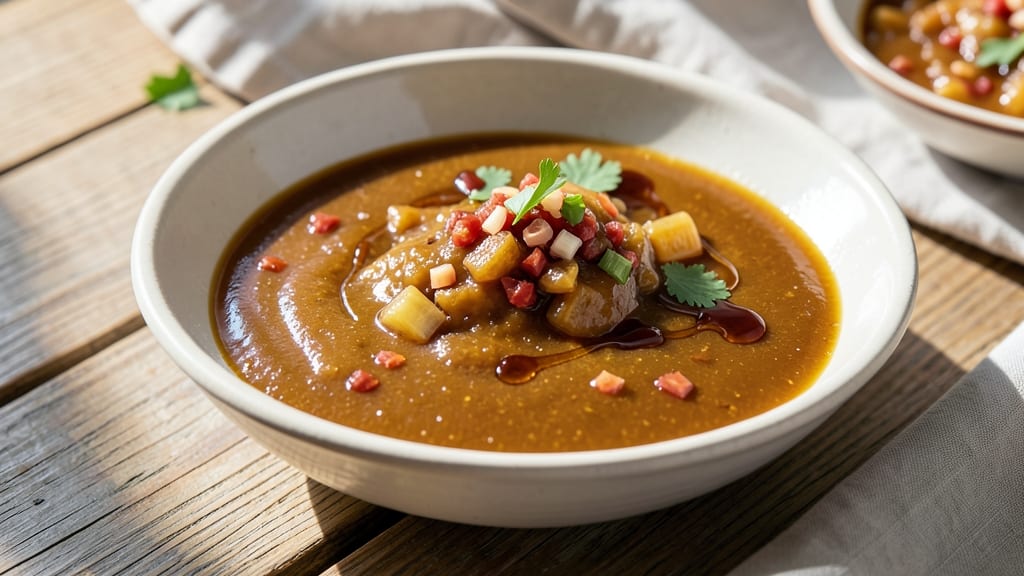
This chowmein sauce recipe transforms ordinary noodles into a rich, velvety masterpiece with a celery-infused depth that elevates every bite. The secret lies in balancing traditional soy and oyster sauces with a touch of vinegar for that signature tang—without overpowering the creamy base.
I developed this after years of tasting restaurant versions, finally cracking the code for a homemade sauce that rivals takeout quality.
The foundation is built on a smooth, velvety texture achieved through careful reduction and emulsification with sesame oil. Unlike many recipes that rely on heavy cream, this version uses a creamy cornstarch slurry that thickens beautifully while maintaining a silky finish.
The celery infusion adds an aromatic complexity that most homemade sauces miss, making this the most authentic chowmein sauce I've ever made.
What sets this apart is the hidden vinegar zing—just a splash of rice vinegar at the end brightens the sauce without making it sour. The result is a glossy, clingy sauce that coats noodles perfectly, with just the right balance of salty, sweet, and umami flavors.
This is the kind of sauce that turns a simple stir-fry into a restaurant-worthy meal.
The beauty of this recipe is its versatility—use it for chowmein, as a dipping sauce, or even as a marinade for meats. It keeps well in the fridge for up to two weeks, so you can make a big batch and have it ready whenever cravings strike.
Let's make this sauce that'll have everyone asking for seconds.
Ingredients for chowmein sauce
Celery, soy, and oyster sauce create this restaurant-style sauce with a velvety finish.
| Ingredient | Amount | Notes |
|---|---|---|
| Celery Stalk 🧅 | 1 whole | Finely chopped for infusion |
| Light Soy Sauce 🍶 | ½ cup | Kikkoman preferred for balance |
| Oyster Sauce 🦪 | ¼ cup | Lee Kum Kee for authentic flavor |
| Rice Vinegar 🍶 | 1 tbsp | For signature tang |
| Sesame Oil 🫒 | 1 tbsp | Toasted for aroma |
| Cornstarch 🌾 | 2 tbsp | For silky texture |
| Water 💧 | ½ cup | Room temperature preferred |
| White Sugar 🍚 | ¼ cup | Balances flavors |
| Garlic Cloves 🧄 | 3 cloves | Minced for depth |
| Green Onion 🧅 | 2 whole | Sliced for garnish |
The celery is non-negotiable—it's what gives this sauce that authentic depth. Grab a fresh bunch from the produce section, not the pre-chopped kind. I always use the bottom of the stalk where the flavor's strongest. For the oyster sauce, Lee Kum Kee is my go-to—it's got that perfect balance of sweet and umami. If you're avoiding oyster sauce, vegetable oyster sauce works in a pinch, but the flavor won't be identical. The soy sauce should be light, not dark—Kikkoman is the standard for this recipe.
No sesame oil? Toasted peanut oil adds a similar nuttiness, though it won't be exact. The cornstarch slurry is key for that silky texture—don't skip it. If you're making a big batch, double the cornstarch and water proportionally. The garlic can be pre-minced from a jar (I won't judge), but fresh is always better. For the vinegar, rice vinegar is essential—the apple cider kind won't give you that same bright tang. The sugar balances everything, but if you're watching carbs, reduce by half—it'll still taste great.
This sauce keeps beautifully in the fridge for up to 2 weeks, so make a big batch. Store it in a jar with a tight lid to preserve that glossy finish. The flavor actually improves after a day or two as everything melds together. If you make extra, freeze it in ice cube trays for easy single-use portions. Just thaw overnight in the fridge before using—no need to microwave.
Why You'll Love This Recipe
- Five-Ingredient Magic: I swear by this—just celery, soy, oyster sauce, vinegar, and sesame oil. That’s it. No fancy prep, no hidden ingredients, and it still tastes like a wok-house secret.
- Umami Bomb: The oyster sauce and light soy sauce team up for this deep, salty-sweet punch that clings to noodles like it’s been waiting for them. Honestly, the first time I tasted it, I nearly spilled my tea.
- Noodle Night Fix: Dry noodles? Fresh stir-fry? Even leftover rice gets a glow-up with this sauce. I’ve used it for takeout-style bowls, cold noodle salads, and even as a quick glaze for grilled chicken—works every time.
- Pantry Staple Power: No last-minute grocery runs needed. If you’ve got basic Asian sauces and a stalk of celery (or even celery salt), you’re golden. Between us, this is how I feed my family for under $5 a serving.
Step-by-step instructions for celery-infused chowmein sauce
Here's how to build a velvety, aromatic sauce with a secret celery depth and bright vinegar kick.
Infuse the Celery and Garlic Base
In a small saucepan, combine the 1 whole celery stalk (finely chopped) and 3 cloves garlic (minced) with 0.25 cup white sugar. Cook over medium-low heat for 5 minutes, stirring occasionally, until the celery softens and releases its natural oils. This step develops the sauce's signature earthy sweetness—don't rush it.
Watch for the mixture to turn translucent and fragrant. The sugar will help caramelize the celery slightly, creating a subtle depth of flavor that balances the umami components later. If the mixture starts to brown too quickly, reduce the heat slightly to prevent bitterness.
Build the Sauce Foundation
Add 0.5 cup light soy sauce and 0.25 cup oyster sauce to the pan, stirring to combine. Increase heat to medium and let the mixture simmer for 3 minutes until the sauces meld together. This is where the magic happens—the soy and oyster sauces blend with the celery's sweetness to create the sauce's core umami flavor.
You'll notice the sauce thicken slightly as it cooks. If it starts to stick to the pan, add 1 tablespoon of the room temperature water to loosen it. The goal here is to create a smooth, cohesive base before adding the thickening agent.
Add Acid and Oil for Balance
Stir in 1 tablespoon rice vinegar and 1 tablespoon sesame oil, cooking for another 2 minutes. The vinegar adds that signature tang that cuts through the richness, while the sesame oil contributes nutty aroma. This combination is what makes this sauce uniquely vibrant and complex.
Taste the mixture now—it should be balanced between sweet, salty, tangy, and slightly nutty. If it needs more brightness, add a pinch more rice vinegar. If it's too sharp, a tiny bit more sugar will help round out the flavors. This is your chance to adjust before committing to the final texture.
Thicken to Perfection
In a small bowl, whisk together the 2 tablespoons cornstarch with 0.25 cup water until completely dissolved. Slowly pour this slurry into the simmering sauce while stirring constantly with a wooden spoon. The sauce will thicken immediately—keep stirring for 1-2 minutes until it reaches a glossy, creamy consistency that coats the back of a spoon.
This is the moment that matters: the sauce should be thick enough to cling to noodles but still flow smoothly. If it's too thick, add another splash of water (1 tablespoon at a time) to reach your desired consistency. The celery infusion should still be noticeable, adding a subtle earthy depth that makes this sauce special.
Finish and Garnish
Remove the sauce from heat and let it cool for 5 minutes. This resting period allows the flavors to fully meld together. Once cooled, stir in the 2 whole green onions (sliced) to keep them fresh and vibrant for garnishing.
For serving, drizzle this creamy sauce over hot chowmein noodles, tossing gently to coat evenly. The celery infusion adds a subtle complexity that elevates the dish beyond basic soy-based sauces. Store any leftovers in an airtight container in the refrigerator for up to 5 days, or freeze for 3 months. When reheating, add a splash of water to restore the creamy texture.
Pro Tips For Making Chowmein Sauce
- Sweat the Celery: Celery’s bitterness fades when you cook it low and slow—don’t rush it. Simmer the chopped stalks in a dry pan for 3-4 minutes until they soften and release their flavor before adding any liquid. (Yes, even if you’re impatient like me.)
- Balance the Soy Sauce: Light soy sauce is salty, but oyster sauce is sneaky—it’s packed with umami. Start with half the recommended soy sauce, taste, then adjust. You can always add more, but you can’t un-salt a dish. (I learned this after over-salting my first batch.)
- Add Vinegar Last: Rice vinegar brightens the sauce, but heat kills its tang. Stir it in only when the pan’s off the heat or at the very end. A splash too early turns your rich sauce flat. (Sounds weird, but it works.)
- Toast the Sesame Oil: Heat the sesame oil in the pan for 10 seconds until it shimmers—just before adding other ingredients. This deepens its nutty aroma and prevents that "raw oil" aftertaste. (Your future self will notice the difference.)
Wine and beer pairings for this recipe
Crisp White Wine
For this celery-infused chowmein sauce, a dry Riesling or Pinot Grigio from Italy pairs beautifully. The wine's crisp acidity mirrors the sauce's bright rice vinegar, while its subtle minerality complements the celery's earthy notes.
I love a $15-20 Italian Pinot Grigio—it's refreshing enough to cut through the sauce's richness without overpowering its umami depth. 🍷
Light Lager Beer
A crisp German Helles or Japanese lager like Asahi Super Dry works wonders. The beer's clean, slightly malty profile balances the sauce's sweetness and saltiness. Serve it ice-cold to enhance its crispness, which helps reset your palate between bites of noodles.
For a local option, Bud Light or Miller Lite are solid choices—they won’t compete with the sauce’s bold flavors. 🍺
Sparkling Wine
If you want to elevate the experience, a Prosecco or Cava adds effervescence that cleanses the palate. The bubbles cut through the sauce’s creaminess, making each bite feel lighter. I reach for La Marca Prosecco—it’s affordable, dry, and has just enough fruitiness to complement the celery and garlic.
Save this pairing for special occasions when you’re serving chowmein as a standout dish. ✨
Avoid Heavy Reds
Skip bold reds like Cabernet Sauvignon or Malbec—they’ll clash with the sauce’s delicate balance of sweet, salty, and tangy flavors. Even a medium-bodied Chianti can overpower the dish.
Instead, stick to whites or light lagers that highlight the sauce’s complexity without dominating it. Trust me, your taste buds will thank you. 💫
Nutrition facts
Frequently asked questions
Can I make this chowmein sauce without oyster sauce?
Yes, but the flavor will differ slightly. Replace the 0.25 cup oyster sauce with 0.25 cup vegetarian oyster sauce or a mix of 1 tbsp soy sauce + 1 tbsp hoisin sauce for umami depth. The celery infusion will still shine, but the sauce will lose some of its traditional richness. For a closer match, add 1 tsp fish sauce if you're not vegetarian.
How do I adjust this sauce for spicier chowmein?
Add 1 tsp chili paste or ½ tsp red pepper flakes at the end of cooking, then let it steep for 2 minutes off heat. For extra heat, stir in 1 tsp gochujang (Korean chili paste) with the cornstarch slurry. Start with less—you can always add more, but you can't remove spice once it's in!
Why did my chowmein sauce turn grainy?
This usually happens when the cornstarch slurry isn't fully dissolved or the sauce cooks too vigorously. For next time, whisk the cornstarch and water until completely smooth with no lumps, then add it slowly while stirring constantly. Also, keep heat at medium-low during thickening—high heat can cause the sauce to break. If it's already grainy, strain it through a fine-mesh sieve.
Can I use this sauce for other dishes besides chowmein?
This versatile sauce works perfectly as a dipping sauce for dumplings or spring rolls, a marinade for grilled meats (especially chicken or pork), or even a glaze for roasted vegetables. The celery infusion adds depth to any dish where you'd normally use soy-based sauces. For dumplings, reduce the sugar slightly to 2 tbsp to balance the richness.
How do I make this sauce less sweet?
Reduce the sugar to 1-2 tbsp (or omit entirely) and increase the rice vinegar to 1.5 tbsp for brightness. The celery and garlic will still provide natural sweetness, so you won't lose the depth. Taste as you go—you can always add a pinch more vinegar if needed. For a savory version, skip the sugar completely and add ½ tsp MSG to enhance umami.