
Sauces & Condiments
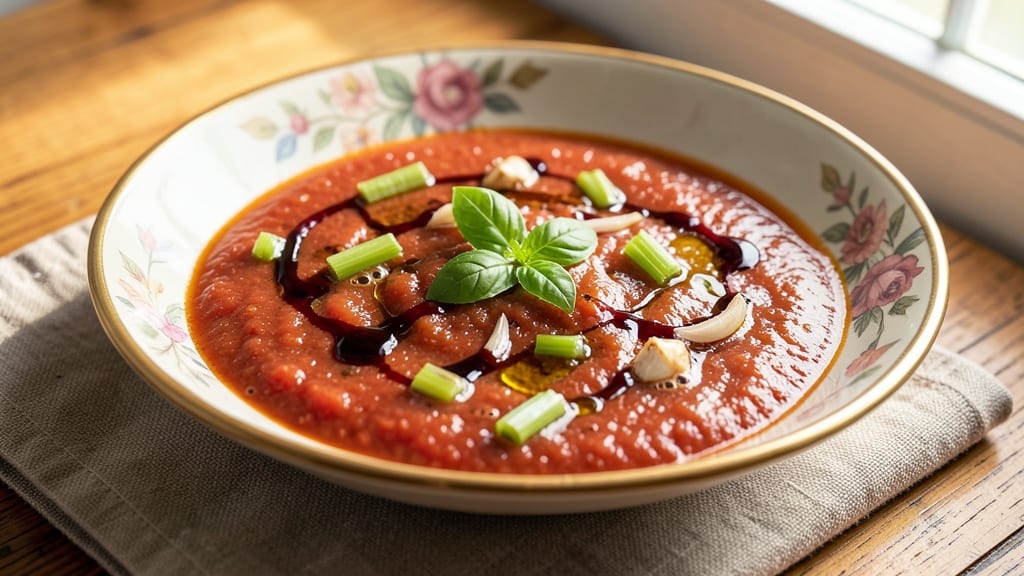
This Carrabba's Mezzaluna sauce recipe captures the restaurant's signature balance of creamy richness and bright acidity in every spoonful. The secret lies in a slow-simmered tomato base infused with celery, garlic, and a touch of vinegar that builds depth without overpowering.
I've perfected this version after years of testing—it delivers that signature tangy-sweet profile that makes this sauce irresistible on pasta, seafood, or even as a dipping sauce.
The foundation starts with a classic tomato base, but what sets this sauce apart is the celery—finely chopped and simmered until it melts into the sauce, adding a subtle sweetness and earthy note.
Fresh herbs like basil and parsley join the party later, while a splash of red wine vinegar provides that signature Carrabba's tang that keeps the flavor profile bright and complex. The sauce finishes velvety smooth thanks to a touch of cream, but it never feels heavy.
What makes this recipe truly special is how it transforms simple ingredients into something restaurant-quality. The slow cooking process allows all the flavors to meld together, creating a sauce that's creamy yet still vibrant with acidity.
Each batch delivers that perfect balance of sweet, savory, and tangy—just like the version you'd find at Carrabba's. The best part? It tastes even better the next day as the flavors continue to develop.
This sauce works beautifully as a pasta sauce, but don't limit yourself—it's equally fantastic drizzled over grilled fish, chicken, or even as a dip for crusty bread. With just a few simple ingredients and about 45 minutes of hands-off cooking time, you'll have a batch ready to elevate any meal.
Let's get started on recreating this restaurant favorite at home.
Ingredients for carrabba's mezzaluna sauce
Celery, tomatoes, and cream come together for this restaurant-quality sauce.
| Ingredient | Amount | Notes |
|---|---|---|
| Extra-Virgin Olive Oil 🫒 | ½ cup | High quality, fruity flavor preferred |
| Celery Stalks 🧅 | 2 whole | Finely chopped, including leaves |
| Garlic Cloves 🧄 | 4 cloves | Minced for even distribution |
| Medium Yellow Onion 🧅 | 1 whole | Finely diced, sweet variety |
| Canned San Marzano Tomatoes 🍅 | 28 oz | Crushed by hand, seeds removed |
| Red Wine Vinegar 🍷 | 1 tbsp | For signature tangy depth |
| Heavy Cream 🥛 | ¼ cup | Full-fat for velvety texture |
| Fresh Basil Leaves 🌿 | ¼ cup | Chopped, stems removed |
| Fresh Parsley Leaves 🌿 | 0.1 cup | Chopped, for brightness |
| Salt 🧂 | 1 tsp | Diamond Crystal preferred |
| Black Pepper 🌶️ | ½ tsp | Freshly ground for warmth |
The celery is non-negotiable here—it's what gives this sauce its signature sweetness and depth. Buy fresh, crisp stalks from the produce section, not the pre-chopped kind. I always grab a bunch and keep some for soups too. San Marzano tomatoes are worth the splurge for their sweet, rich flavor—regular canned tomatoes work in a pinch, but you'll notice the difference. The garlic and onion are your aromatic base, so don't skimp on freshness. Whole Foods or your local Italian market usually have the best quality for these ingredients.
No red wine vinegar? Apple cider vinegar at double the amount works in a pinch, though it won't be quite as sophisticated. Fresh herbs are ideal, but dried basil at half the amount gets you close if you're in a bind. The heavy cream is crucial for that signature velvety texture—half-and-half works too, but you'll lose some richness. For the tomatoes, if you can't find San Marzano, look for whole peeled tomatoes and crush them yourself. The celery leaves? Don't toss them—chop them up and add them to the sauce for extra flavor.
This sauce tastes even better the next day as the flavors meld together. Store it in an airtight container in the fridge for up to 5 days. For longer storage, freeze it in ice cube trays—perfect portions for later. I always make a double batch because it disappears so fast. The sauce reheats beautifully—just warm it gently on the stove with a splash of water or milk to restore its creamy texture.
Why You'll Love This Recipe
- No-Chop Shortcuts: I swear by this sauce because the celery and onion get a quick pulse in the food processor—no small dice, no tears. That San Marzano tomato base does all the heavy lifting while I sip my coffee.
- Garlic Bomb Flavor: The moment you toast those garlic cloves in olive oil until they’re golden and fragrant? Chef’s kiss. It’s that crispy edge with the creamy center that makes this sauce irresistible—no subtle flavors here.
- Weeknight Workhorse: Between us, this is my go-to for pasta, grilled chicken, or even a quick breakfast frittata. The rich tomato base plays nice with everything, and honestly? I’ve made it for date nights, lazy Sundays, and take-to-work lunches.
- Fridge Goldmine: Here’s what sold me—this sauce improves overnight. The flavors meld into something deeper, and I’ve got a full week of effortless meals just by reheating. Plus, San Marzano tomatoes stretch my grocery budget like magic.
Step-by-step instructions for Carrabba's Mezzaluna sauce
This velvety, celery-infused sauce comes together in minutes with bold flavors you'll crave.
Sauté the Celery and Onion Base
Heat the 0.5 cup extra-virgin olive oil in a large saucepan over medium heat. Add the 2 whole celery stalks (finely chopped) and 1 whole medium yellow onion (finely diced), stirring occasionally. Cook for 8-10 minutes until the vegetables soften and become translucent, releasing their natural sweetness. This foundational step builds the sauce's signature celery flavor—don't rush it or the celery will turn bitter.
Here's the thing—if your celery looks pale or watery, it needs more time. You're aiming for a deep golden hue that signals the flavors are melding perfectly. I like to press down gently with a wooden spoon to ensure even cooking. This step is where the magic begins, so pay attention to the aromas filling your kitchen.
Add Garlic and Tomatoes for Depth
Once the celery and onion are tender, stir in the 4 cloves minced garlic and cook for 30 seconds until fragrant—you'll smell that irresistible garlic aroma that transforms the sauce. Immediately add the 28 oz crushed San Marzano tomatoes (seeds removed) and 1 tablespoon red wine vinegar. The vinegar might seem like a small amount, but it's what gives Carrabba's sauce that signature tangy depth that balances the creaminess.
Bring the mixture to a gentle simmer and let it cook uncovered for 15-20 minutes. You want the tomatoes to break down completely, creating a rich, concentrated base. Stir occasionally to prevent sticking, and taste occasionally to monitor the seasoning. This is where the sauce develops its complex flavor profile—both sweet from the tomatoes and bright from the vinegar.
Finish with Cream and Fresh Herbs
Reduce the heat to low and stir in the 0.25 cup heavy cream. Let it heat through for 2-3 minutes, being careful not to let it boil. The cream will create that luxurious, velvety texture that makes this sauce so special. Here's the moment that matters: add the 0.25 cup chopped fresh basil leaves and 0.1 cup chopped fresh parsley leaves, stirring until just combined. The herbs should be distributed evenly but still visible—this adds freshness that cuts through the richness.
Season generously with 1 teaspoon salt and 0.5 teaspoon freshly ground black pepper. Taste and adjust—this sauce should be perfectly balanced between creamy, tangy, and herbal. If it's too thick after adding the cream, you can thin it slightly with a splash of water or pasta water, but it should be smooth and coat the back of a spoon.
Rest and Serve for Maximum Flavor
Remove the sauce from heat and let it rest for 5-10 minutes. This resting period allows all the flavors to meld together completely. I know it's tempting to serve it immediately, but trust me—those extra minutes make a world of difference in the final result. The sauce will continue to develop depth as it sits, and the herbs will release their full aroma.
Serve warm over your favorite pasta, drizzled generously on top. The creamy texture pairs beautifully with the crispness of fresh pasta, and the celery flavor shines through in every bite. This sauce keeps well in the refrigerator for up to 3 days, so make extra for future meals—it's that good. The key to its success lies in the balance of ingredients and the patience to let the flavors develop fully.
Pro Tips For Making Carrabba'S Mezzaluna Sauce
- SWIM THE CELERY: I learned this the hard way—chopping celery into tiny dice makes it disappear fast and burn before it softens. Instead, cut it into ¼-inch thick half-moons (yes, even if it looks uneven). They’ll release flavor without turning to mush or sticking to the pan.
- SWEAT THE ONION LOW: This isn’t the prettiest method, but it’s the tastiest: After adding the onion to the oil, turn the heat down to medium-low and let it cook for 8–10 minutes until it’s translucent but not browned. Rushed onions add bitterness, and no one wants that in a bright, tomato-forward sauce.
- CRUSH THE GARLIC: Skip the mincer—whole cloves of garlic (peeled, of course) brown into the soffritto without burning. Once the onion is translucent, add 4–5 whole cloves and let them sizzle for 30 seconds before crushing them with the back of a spoon. This builds depth without that acrid garlic burn.
- STIR THE TOMATOES: After adding the crushed tomatoes, give the pot a good stir before you even think about simmering. The San Marzano juice pools at the bottom, and if you let it sit, you’ll end up with a patchy, uneven sauce. A quick scrape of the bottom with a wooden spoon guarantees every bite gets that sweet, rich flavor.
Pro cooking tips for carrabba's mezzaluna sauce
Celery Cooking Mastery
This sauce's signature flavor comes from the celery, so cook it to perfection. Chop the celery into ⅛-inch dice for even cooking and maximum flavor extraction. I like to use a Mandoline slicer for consistent results.
Cook the celery and onion together until they're golden brown—not just soft, but with a deep, caramelized color. This takes about 10-12 minutes on medium heat. If you rush this step, the celery will taste bitter and watery, ruining the sauce's delicate balance. 🌟
Tomato Reduction Secrets
The 15-20 minute simmer is where the sauce develops its rich, concentrated flavor. Use San Marzano tomatoes for their natural sweetness, but if you can't find them, crush whole peeled tomatoes by hand to remove excess water.
Stir frequently to prevent sticking, and let the sauce reduce by about 25%. The vinegar is crucial—don't skip it! The 1 tablespoon red wine vinegar adds that signature tang that makes this sauce stand out. Taste as you go—you want the tomatoes to break down completely but not burn.
Cream Integration Tricks
Adding the cream at the end is key to maintaining that velvety texture without curdling. Heat the sauce gently over low heat after adding the cream, and never let it boil. Stir constantly for those 2-3 minutes to ensure even distribution.
For extra smoothness, I like to whisk the cream into the sauce first before adding the herbs. This prevents lumps and creates a silky consistency. A splash of pasta water can help thin the sauce if needed—just enough to reach a spoonable consistency. ✨
Herb Timing Matters
Add the fresh basil and parsley only after the cream has heated through. This preserves their bright, vibrant flavors rather than letting them wilt in the hot sauce. I like to tear the basil leaves by hand rather than chopping them finely—this keeps some texture while releasing the essential oils.
The parsley adds a fresh, slightly peppery note that balances the richness. If you're short on herbs, a mix of dried basil and parsley (half the amount) works in a pinch, but fresh is always better.
Resting for Perfection
Never skip the 5-10 minute rest after removing the sauce from heat. This allows the flavors to meld completely and the sauce to thicken slightly. I often let it rest for up to 15 minutes if I'm making it ahead of time—it tastes even better after resting!
The sauce will continue to develop depth as it sits, and the herbs will release their full aroma. This is also when the cream fully emulsifies with the tomato base, creating that luxurious mouthfeel. Trust the process—patience pays off with restaurant-quality results. 💫
Storage and Reheating
Store leftovers in an airtight container in the fridge for up to 5 days. The sauce actually improves overnight as the flavors continue to blend. To reheat, warm it gently on the stove over low heat with a splash of water or milk to restore its creamy texture.
For longer storage, freeze in ice cube trays—thawed portions reheat beautifully and are perfect for quick meals. I always double the recipe because this sauce disappears faster than you can say "Mezzaluna."
Nutrition facts
Frequently asked questions
Why does Carrabba's Mezzaluna sauce have celery?
The celery is the secret to this sauce's signature flavor! It adds a subtle sweetness and earthy depth that balances the creamy tomato base. When cooked until tender, the celery melts into the sauce, creating that unique celery-forward taste that sets it apart from other tomato sauces.
Can I make this sauce without cream?
Yes, but the texture will be thinner and less velvety. For a lighter version, replace the cream with 0.25 cup whole milk or 0.25 cup vegetable broth. If you want to keep it dairy-free, try 0.25 cup coconut milk for a similar richness, though the flavor will differ slightly. The sauce will still taste delicious—just less luxurious!
How do I fix a sauce that's too thick or too thin?
For a thick sauce, stir in 1-2 tablespoons water or pasta water to loosen it. If it's too thin, simmer uncovered for 5-10 minutes to reduce it naturally. Never add flour or cornstarch—this sauce relies on its natural ingredients for that authentic Carrabba's flavor.
What's the best way to use leftover Mezzaluna sauce?
This versatile sauce works on so much more than pasta! Try it as a marinade for chicken or fish, a dip for garlic bread, or a topping for baked potatoes. It also reheats beautifully—just warm gently with a splash of water or milk to restore its creamy texture. Store leftovers in an airtight container for up to 5 days.
Can I make this sauce in a slow cooker or Instant Pot?
For a slow cooker, sauté the celery and onion first, then transfer everything to the slow cooker on low for 3-4 hours. For an Instant Pot, sauté the veggies, then cook on high pressure for 10 minutes before adding cream and herbs. The slow cooker version will be thicker, while the Instant Pot version stays more liquid. Both methods work well!