
Sauces & Condiments
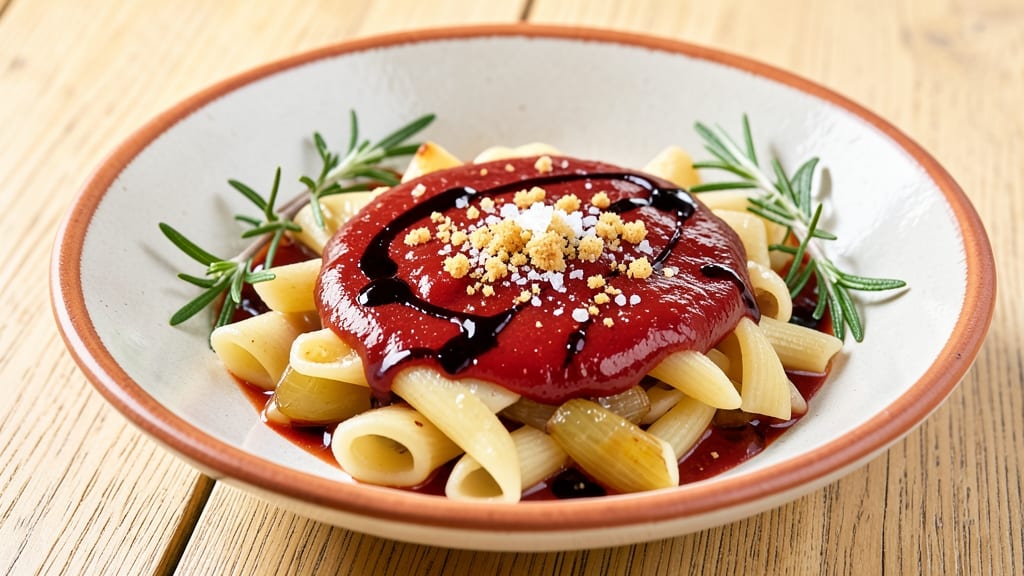
This authentic Italian red pasta sauce transforms simple ingredients into a rich, tomato-centric masterpiece that captures the heart of Italian cuisine. The secret lies in San Marzano tomatoes—sweet, low-acid, and packed with umami—simmered low and slow until they break down into a velvety, deeply flavorful sauce.
I’ve perfected this recipe over years of testing, ensuring every spoonful delivers the balance of acidity, sweetness, and herbal depth that defines classic Italian ragù.
The foundation is built on olive oil, garlic, and onions, caramelized until fragrant before adding tomatoes and herbs. A splash of red wine deglazes the pot, infusing layers of complexity, while a bay leaf and rosemary add aromatic depth.
The sauce reduces gradually, intensifying flavors without losing its natural sweetness—no shortcuts, just time and technique. This isn’t just a sauce; it’s the soul of Italian comfort food, elevated to restaurant-quality simplicity.
What sets this sauce apart is its versatility—use it as a base for bolognese, toss it with al dente pasta, or drizzle it over grilled meats. The texture is silky yet structured, clinging to every strand of pasta while letting the tomato’s natural sweetness shine.
Storage is effortless: it tastes even better the next day, and freezes beautifully for up to three months. For those who demand authenticity, this is the sauce that delivers.
Ready to master the art of Italian sauce-making? The process is straightforward, but the results are anything but ordinary. Let’s begin with the ingredients—each playing a precise role in creating this umami-rich masterpiece.
Ingredients for authentic italian red pasta sauce
Nine essential ingredients transform into Italy's most beloved tomato sauce.
| Ingredient | Amount | Notes |
|---|---|---|
| Extra-Virgin Olive Oil 🫒 | ½ cup | High-quality, fruity variety |
| Yellow Onion 🧅 | 1 whole | Medium size, finely chopped |
| Garlic Cloves 🧄 | 4 cloves | Fresh, peeled, minced |
| San Marzano Tomatoes 🍅 | 28 oz | Canned, whole, crushed by hand |
| Dry Red Wine 🍷 | ½ cup | Bold, Italian variety |
| Fresh Rosemary 🌿 | ¼ cup | Chopped, or 1 tbsp dried |
| Bay Leaf 🌿 | 1 whole | Fresh or dried |
| Sea Salt 🧂 | 1 ½ tsp | Diamond Crystal preferred |
| Freshly Ground Black Pepper 🌶️ | ½ tsp | Freshly cracked preferred |
The San Marzano tomatoes are non-negotiable here—their natural sweetness and low acidity create the perfect balance. Costco or specialty Italian markets carry them in cans; look for the official DOP label. Fresh rosemary should be vibrant green with a strong piney aroma—Trader Joe's often has great quality. The extra-virgin olive oil matters too; Colavita or Bertolli are reliable brands for this dish. For the red wine, any bold Italian variety like Chianti or Sangiovese works—just avoid sweet wines. The garlic and onion should be fresh, with no signs of sprouting or soft spots.
No San Marzano tomatoes? Whole peeled tomatoes (like Muir Glen) in their juices work in a pinch, but you'll need to strain out excess liquid. Fresh rosemary unavailable? Dried at one-third the amount suffices, but toast it lightly first for better flavor. Running low on red wine? Dry white wine or even tomato paste with a splash of vinegar can substitute, though the flavor profile shifts slightly. The bay leaf is optional but recommended—it adds subtle earthiness that rounds out the sauce. For a deeper umami punch, add 1 tsp fish-free Worcestershire sauce or a pinch of mushroom powder.
This sauce tastes even better the next day as flavors meld. Store in an airtight container in the fridge for up to 5 days or freeze for 3 months. For freezing, portion into ice cube trays or small jars—perfect for future pasta nights. The sauce thickens as it cools, so add a splash of water or broth when reheating if needed. If you make a big batch, consider vacuum sealing for longer freshness. Always taste before serving—adjust salt and pepper as needed.
Why You'll Love This Recipe
- Five-Ingredient Magic: I swear by this—just oil, onion, garlic, tomatoes, and a splash of wine. That’s it. No confusing blends or hidden additives; real, simple ingredients that actually work.
- Wine-Infused Depth: Honestly, the red wine isn’t just for flavor—it’s the secret. Simmering it into the sauce pulls out layers of richness that store-bought sauces can’t touch. That first bite? Pure satisfaction.
- Weeknight & Party: Between us, this sauce is my go-to for both Tuesdays and Thanksgiving. Toss it with pasta for a quick dinner, or drizzle it over grilled meats for a fancy touch. No stress, all reward.
- Leftovers That Taste Better: Here’s what sold me—the sauce actually improves overnight. The flavors meld, and reheating it? Zero effort. I make a double batch on Sundays, and it’s still crave-worthy by Thursday.
Step-by-step instructions for authentic Italian red pasta sauce
A true Italian red sauce builds flavor slowly through technique, not shortcuts. Here's how to create a rich, umami-packed sauce that clings to pasta like it belongs there.
Sauté Onion Until Translucent and Sweet
Heat the 0.5 cup extra-virgin olive oil in a heavy-bottomed saucepan over medium-low heat. Add the 1 whole finely chopped yellow onion and cook for 8-10 minutes, stirring occasionally. You're looking for the onions to soften and turn translucent, losing their raw bite while developing natural sweetness.
This slow cook is crucial—rushing this step creates bitter flavors. The onions should release their moisture and caramelize slightly at the edges. If they brown too quickly, reduce the heat. The goal is to build a flavor foundation that will carry through the entire sauce.
Add Garlic and Rosemary for Aromatic Depth
Once the onions are translucent, add the 4 cloves minced garlic and 0.25 cup chopped fresh rosemary. Cook for 1-2 minutes until the garlic becomes fragrant but doesn't brown—burnt garlic will make the sauce bitter. Stir constantly to prevent burning, as garlic cooks faster than you might expect.
The rosemary should release its piney aroma. I like to use fresh rosemary here because its bright flavor complements the tomatoes better than dried. If using dried, reduce to 1 tablespoon and add it with the bay leaf later in the process.
Deglaze with Red Wine and Simmer
Pour in the 0.5 cup dry red wine and stir vigorously to scrape up any browned bits from the bottom of the pan. These flavorful fond bits, called sugo, are essential for depth. Let the wine simmer for 3-4 minutes until it reduces by about half and the alcohol smell dissipates completely.
This deglazing step transforms the simple wine into a flavorful base. The sauce should coat the back of a spoon and smell richly of wine and herbs. If the sauce seems too thin at this point, don't worry—it will thicken as we proceed.
Build the Tomato Base with San Marzano Tomatoes
Add the 28 oz crushed San Marzano tomatoes, 1 whole bay leaf, 1.5 teaspoons sea salt, and 0.5 teaspoon freshly ground black pepper. Stir well to combine, then increase heat to medium-high and bring to a gentle boil. Once boiling, reduce heat to medium-low and let it simmer uncovered for 30-40 minutes.
This long simmer develops the sauce's complexity. Stir occasionally to prevent sticking, but don't over-stir—you want some texture to develop. The sauce should reduce significantly, coating the back of a spoon with a thick, velvety consistency. If it gets too thick, add 1-2 tablespoons of water to loosen it.
Season and Rest Before Serving
After simmering, remove the bay leaf and taste the sauce. Adjust seasoning with additional salt and pepper as needed. The sauce should be rich, slightly sweet, and deeply tomato-forward with herbal notes. Let it rest for 10-15 minutes at room temperature—this allows the flavors to meld completely.
An authentic Italian red sauce isn't just about tomatoes—it's about the slow development of flavors through proper technique. Serve this sauce immediately over al dente pasta, tossing well to coat each strand. The sauce should cling beautifully, delivering layers of umami with every bite.
Pro Tips For Making Authentic Italian Red Pasta Sauce
- Sweat the Onion Low: I learned this the hard way—if you let onions caramelize too fast, they’ll burn before the garlic even gets a chance. Keep heat at a steady medium, stir often, and resist the urge to rush. A golden, translucent base (not brown) means the wine won’t turn bitter later.
- Crush Tomatoes by Hand: Skip the blender—San Marzano tomatoes need rough treatment. Use your fingers to break them into large chunks, leaving some skin on. This keeps texture and prevents the sauce from turning into a smooth, one-note puree. (Yes, even if you’re impatient like me.)
- Deglaze with Wine Slowly: Pour the red wine in gradually while stirring constantly. If you dump it all at once, you’ll steam the onions and dilute the flavor. Let the alcohol cook off completely before adding tomatoes—this guarantees depth, not just boozy aftertaste.
- Salt the Tomatoes Early: Add a pinch of salt to the crushed tomatoes right after they hit the pan. It softens them faster and pulls out excess water, so you won’t end up with a watery sauce. (Your future self will notice the difference in just 10 minutes.)
Regional styles of authentic italian red pasta sauce
Roman Ragù
In Rome, this sauce takes center stage as ragù alla romana, where it’s traditionally served with bucatini or tonnarelli. The key difference? A touch of pecorino romano (about 1 tablespoon grated) is stirred in at the end for a nutty depth.
I like to add ½ cup whole milk when simmering the tomatoes to balance acidity—a technique called latticino—which creates a silkier texture. Serve with a sprinkle of fresh Pecorino and black pepper. 🌟
Neapolitan Marinara
Southern Italy’s marinara is simpler but no less flavorful. Skip the wine and reduce the simmer time to 20-25 minutes for a brighter, fresher sauce. Add 1 teaspoon dried oregano and ½ teaspoon red pepper flakes for a spicy kick.
Neapolitans often toss this with spaghetti and top it with garlic bread for a classic street-food combo. The sauce should be thin enough to coat pasta without clinging too heavily.
Emilian Bolognese
Northern Italy’s ragù alla bolognese transforms this sauce into a meaty masterpiece. While the base remains identical, Emilians add 1 lb ground beef and ½ lb pancetta to the onions, cooking them until browned before proceeding.
The sauce simmers for 2-3 hours with a splash of milk and a pinch of nutmeg. Serve over tagliatelle with grated Parmigiano-Reggiano. The slow cook time develops a deeper, meatier umami that defines this regional style.
Sicilian Pasta al Pomodoro
Sicily’s version is all about fresh, bright tomatoes and bold herbs. Use 2 cups fresh San Marzano tomatoes (peeled and chopped) instead of canned, and add 2 tablespoons capers and 1 anchovy fillet (finely chopped) for a briny depth.
Simmer uncovered for just 15 minutes to preserve the tomatoes’ natural sweetness. Toss with rigatoni and finish with fresh basil. This sauce is lighter but packed with complex flavors.
Tuscan Cacciucco-Inspired
For a coastal twist, add ½ cup white wine (like Vernaccia) and 1 teaspoon fennel seeds (toasted) to the onions. After adding tomatoes, stir in ½ cup chopped celery and ½ cup chopped fennel bulb.
Simmer for 35 minutes and finish with a splash of fish stock (about ¼ cup). This Tuscan-inspired version pairs beautifully with pappardelle and a sprinkle of Pecorino. The fennel adds an anise-like note that complements the tomatoes beautifully.
Venetian Salsa
Venetians love a rich, slightly sweet sauce called salsa. After simmering the tomatoes, stir in 2 tablespoons tomato paste and 1 teaspoon sugar to balance acidity. Add ½ cup heavy cream at the end for a velvety finish.
Serve with bigoli (thick Venetian pasta) and a sprinkle of Parmigiano. The cream adds a luxurious touch while keeping the sauce’s natural tomato flavor intact. This version is perfect for cold winter nights.
Nutrition facts
Frequently asked questions
Why does the recipe specify San Marzano tomatoes?
San Marzano tomatoes are the gold standard for Italian red sauces because of their natural sweetness and low acidity. Their thick flesh and balanced flavor create a sauce that's rich without being overly tangy. The DOP certification guarantees quality—regular tomatoes often have more water and thinner walls, resulting in a thinner, less flavorful sauce.
Can I make this sauce without red wine?
Yes! If you prefer, substitute the 0.5 cup red wine with 0.5 cup tomato paste mixed with 2 tablespoons water or 0.5 cup dry white wine. The wine adds depth by deglazing the pan and removing raw flavors, but these alternatives still create a flavorful base. For extra umami, add 1 teaspoon fish-free Worcestershire sauce or a pinch of mushroom powder.
How do I know when the sauce is ready?
The sauce is done when it coats the back of a spoon with a thick, velvety consistency after 30-40 minutes of simmering. It should smell richly of tomatoes, herbs, and wine (if used), with no raw onion or garlic flavors. Taste it—it should be balanced, slightly sweet, and deeply tomato-forward. If it's too thick, add 1-2 tablespoons water to loosen it.
Can I make this sauce in a slow cooker?
Follow the same steps for sautéing onions and garlic, then transfer everything to a slow cooker. Cook on low for 6-8 hours or high for 3-4 hours, stirring occasionally. The slow cooker enhances the sauce's depth as flavors meld over time. For a smoother texture, blend it briefly before serving.
What's the best pasta to pair with this sauce?
This sauce clings beautifully to bucatini, rigatoni, or pappardelle due to their ridges that trap the sauce. For a Roman-style dish, use tonnarelli (square-cut pasta). Avoid delicate pastas like angel hair—they can break under the sauce's weight. Cook pasta al dente (1 minute less than package instructions) for the best texture.