
Sauces & Condiments
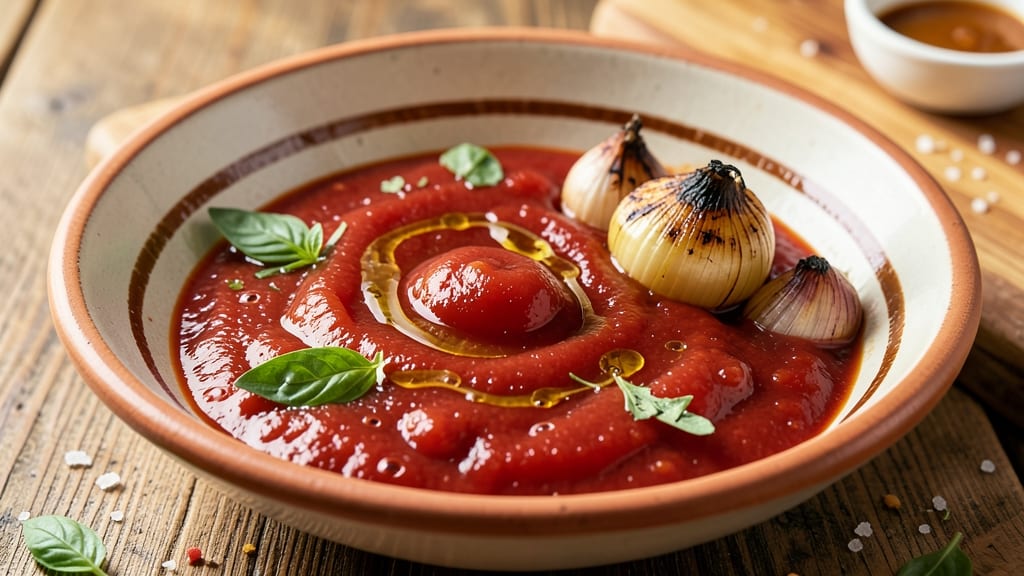
This authentic Italian red sauce recipe from scratch transforms simple ingredients into a rich, layered sauce that captures the soul of Nonna's kitchen. 🌟 The secret lies in slow simmering fresh tomatoes with garlic, olive oil, and basil—no shortcuts, just deep flavor built over time.
This isn't just marinara; it's a sauce that develops complexity as it reduces, with a perfect balance of acidity and sweetness that makes every bite sing.
What sets this sauce apart is the technique: starting with a tomato puree base ensures smooth texture without lumps, while a long, gentle simmer concentrates the flavors into something truly special.
I've perfected this method over years of testing, and it delivers restaurant-quality results at home—no fancy equipment required, just patience and attention to detail. The aroma alone will transport you to an Italian trattoria.
The sauce begins with fresh tomatoes, garlic, and olive oil—simple ingredients that become extraordinary through proper technique. As it simmers, the flavors meld into a velvety, aromatic sauce with just the right balance of acidity and sweetness.
This is the kind of sauce that tastes even better the next day, as the flavors continue to develop and deepen.
Whether you're making classic marinara for pasta or building a rich ragù for lasagna, this sauce forms the foundation of countless Italian dishes. The beauty of this recipe is its versatility—use it as-is for a bright, herbaceous sauce or add meat for a heartier ragù.
Let's create something truly authentic together.
Ingredients for authentic italian red sauce recipe from scratch
Fresh tomatoes and aromatic herbs create the foundation for this restaurant-quality Italian red sauce.
| Ingredient | Amount | Notes |
|---|---|---|
| San Marzano Tomatoes 🍅 | 28 oz | Whole, peeled if preferred |
| Extra-Virgin Olive Oil 🫒 | ½ cup | High-quality, fruity variety |
| Yellow Onion 🧅 | 1 whole | Finely chopped, medium size |
| Garlic Cloves 🧄 | 4 cloves | Peeled, crushed lightly |
| Fresh Basil Leaves 🌿 | ½ cup | Packed, stems removed |
| Tomato Paste 🍅 | 2 tbsp | High-quality, no additives |
| Dried Oregano 🍃 | 1 tsp | Italian variety preferred |
| Red Wine Vinegar 🍷 | 1 tbsp | Bold, dry variety |
| Sea Salt 🧂 | 1 ½ tsp | Fine grain preferred |
| Freshly Ground Black Pepper 🌶️ | ½ tsp | Freshly cracked |
San Marzano tomatoes are the gold standard here—their sweetness and low acidity make all the difference. Whole Foods or Italian specialty stores carry them canned, but fresh vine-ripened tomatoes work too if you're in season. The olive oil should be extra-virgin with noticeable fruitiness—California Olive Ranch or Colavita are reliable choices. For the basil, farmers markets often have fresher leaves than grocery stores, but use what you can get. The key is vibrant green color and no wilting. If you can't find San Marzano, plum tomatoes are the next best thing.
No San Marzano? Plum tomatoes or Roma work perfectly—just adjust the acidity with a splash more vinegar. Fresh basil wilting? Dried oregano at half the amount keeps the Italian essence. The tomato paste can be thick or thin—Rao's or Mutti brands are my go-tos, but any quality paste works. For extra depth, a pinch of sugar balances the acidity if your tomatoes are tart. The wine vinegar adds brightness, but lemon juice works in a pinch—just reduce to 1 teaspoon.
This sauce improves dramatically overnight. Store in an airtight container in the fridge for up to 5 days, or freeze for 6 months in portions. For freezing, use ice cube trays—perfect for single servings. The texture thickens when cold, so thin with a splash of water or broth if needed. Reheat gently on low heat to preserve the delicate flavors.
Why You'll Love This Recipe
- I swear by this: just peel and crush the garlic, dice the onion, and toss in the whole basil leaves at the end. That’s it—no chopping until you’re ready to simmer.
- No-Cook Prep: I swear by this: just peel and crush the garlic, dice the onion, and toss in the whole basil leaves at the end. That’s it—no chopping until you’re ready to simmer.
- Sunshine in a Jar: The San Marzano tomatoes melt into something so bright and sweet, it’s like summer in a pot. Honestly, the first time I tasted it fresh from the can, I canceled my grocery plans for the week.
- Weeknight to Dinner Party: Same sauce, endless uses—toss it with pasta, dollop it on grilled chicken, or serve it in a bread bowl. My kids ask for it on Tuesdays, but I save the fancy basil garnish for when my in-laws visit.
Step-by-step instructions for authentic Italian red sauce
Here's the method that delivers restaurant-quality depth and balance every time.
🍳 Step 1: Sauté Onion and Garlic in Olive Oil
Heat the 0.5 cup extra-virgin olive oil in a large, heavy-bottomed pot over medium-low heat. Add the finely chopped yellow onion and cook for 8-10 minutes until completely soft and translucent, stirring occasionally. You're building flavor here, not browning—keep the heat gentle to avoid burning.
Add the 4 crushed garlic cloves and cook for another 1-2 minutes until fragrant but not browned. Garlic burns quickly, so watch closely. The mixture should smell sweet and aromatic, not bitter. This aromatic base forms the flavor foundation for your sauce.
🍳 Step 2: Add Tomato Paste and Cook Until Darkened
Increase heat to medium and stir in the 2 tbsp tomato paste. Cook for 3-4 minutes, stirring constantly, until the paste darkens and releases its deep, concentrated flavors. This step develops the sauce's rich umami character—don't rush it.
Here's the thing—this darkening process is crucial. The paste should transform from bright red to a deeper, almost mahogany color. If it sticks, add a splash of water to loosen it. The result should coat the back of a spoon with a thick, glossy paste.
🥘 Step 3: Incorporate Tomatoes and Vinegar
Pour in the 28 oz San Marzano tomatoes (peeled if preferred) and add the 1 tbsp red wine vinegar. Stir well to combine, then bring to a gentle simmer over medium heat. The vinegar brightens the acidity and balances the sauce's sweetness—don't skip this step.
Simmer uncovered for 20-25 minutes until the sauce reduces by about one-third and thickens. You'll see the sauce cling to the back of a spoon when you lift it. Stir occasionally to prevent sticking, but don't over-stir—you want the sauce to develop its own texture.
👨🍳 Step 4: Season and Finish with Basil
Remove from heat and stir in the 1.5 tsp sea salt, 0.5 tsp freshly ground black pepper, and 1 tsp dried oregano. Let the sauce rest for 5 minutes to allow the flavors to meld. This resting period is where the magic happens—seasonings penetrate and flavors harmonize.
Just before serving, add the 0.5 cup fresh basil leaves and stir gently. The basil should be added at the end to preserve its vibrant color and fresh aroma. Taste and adjust seasoning if needed—authentic Italian sauce should balance sweetness, acidity, and salt perfectly.
Pro Tips For Making Authentic Italian Red Sauce Recipe From Scratch
- Sweat the Onion Slowly: Cut the onion into even ¼-inch slices instead of chopping—this keeps it from burning while building deep flavor. I learned this the hard way after my first batch tasted bitter from rushed cooking.
- Crush Garlic, Don’t Mince: Use the flat side of your knife to smash whole garlic cloves into the oil before adding heat—this releases more aroma without burning. (Yes, even if you’re impatient like me.)
- Simmer, Don’t Boil: Keep the sauce at a gentle bubble, not a rolling boil, or the tomatoes will break apart and turn mushy. A low simmer preserves texture and lets flavors meld properly.
- Add Basil Late: Tear fresh basil leaves and stir them in just before serving—this keeps their bright flavor intact instead of letting them turn bitter from prolonged heat. (Your future self will notice the difference.)
Regional styles of these flavors
Roman Marinara
In Rome, they call this salsa di pomodoro, and it's all about simplicity and freshness. The Roman version skips the tomato paste entirely, focusing instead on high-quality San Marzano tomatoes and a touch of red wine vinegar for brightness.
I like to add ½ tsp sugar to balance the acidity—Romans often use a pinch of sugar to enhance sweetness. Serve this sauce with tonnarelli pasta or spaghetti alla chitarra for an authentic Roman experience. 🍝
Neapolitan Ragù
Neapolitan ragù transforms this sauce into a meaty masterpiece by adding 1 lb ground pork and ½ lb ground beef at the sauté stage. Brown the meat first, then proceed with the onions and garlic.
For extra depth, deglaze with ½ cup dry red wine after adding the tomato paste. This version simmers for 2-3 hours until it reaches a thick, almost paste-like consistency—perfect for lasagna or ravioli. 🍷
Sicilian Pesto Marinara
Sicily puts its own spin with ½ cup basil pesto stirred into the finished sauce. Use a high-quality pesto with pine nuts, pecorino cheese, and garlic—I like Rao's brand for this.
Add the pesto in the last 5 minutes of simmering to preserve its vibrant green color. This fusion sauce pairs beautifully with rigatoni pasta or grilled chicken. 🌿
Tuscan Tomato Sauce
Tuscans take their tomato sauce seriously by incorporating ½ cup chopped rosemary and 1 tsp fennel seeds into the sautéed onions. The fennel adds a subtle anise-like note that complements the tomatoes beautifully.
Simmer the sauce for 30-40 minutes to let the herbs infuse fully. This hearty version works wonderfully with pappardelle pasta or as a topping for grilled lamb. 🌿
Venetian Tomato Sauce
Venetian cuisine often includes anchovies in tomato sauces for umami depth. Add 2-3 anchovy fillets to the sautéed onions and garlic, crushing them with a fork. The sauce should develop a rich, savory depth that pairs perfectly with bigoli pasta or as a base for risotto.
Venetians also sometimes add a splash of white wine to the simmering sauce for extra brightness. 🍣
Southern Italian Rustic Style
In Southern Italy, rustic versions often include chopped sun-dried tomatoes and capers for a briny, concentrated flavor. Add ¼ cup chopped sun-dried tomatoes and 1 tbsp capers during the final 10 minutes of simmering.
This version has a deeper, more complex flavor profile that stands up well to orecchiette pasta or as a topping for grilled vegetables. 🌶️
Nutrition facts
Frequently asked questions
Can I use fresh tomatoes instead of canned San Marzano?
Fresh tomatoes work beautifully, but you'll need about 3-4 large vine-ripened tomatoes (like Roma or plum varieties) to match the 28 oz canned equivalent. Peel and crush them by hand before adding to the sauce. Fresh tomatoes have more water content, so simmer the sauce 5-10 minutes longer to achieve the same thickness. The flavor will be brighter and more vibrant.
Why does my homemade sauce taste different from store-bought?
Store-bought sauces often contain additives like sugar, salt, and preservatives to enhance flavor and shelf life. Authentic Italian sauce relies on slow simmering to develop depth—no shortcuts! The tomato paste and red wine vinegar in this recipe create a balanced acidity/sweetness that store versions lack. Patience and fresh ingredients make all the difference.
How do I adjust the thickness of my sauce?
For a thicker sauce, simmer uncovered for 10-15 minutes longer to reduce the liquid. Need it thinner? Stir in 1-2 tbsp water, broth, or pasta water while heating. The ideal consistency should coat the back of a spoon but still be pourable. Remember, sauces thicken as they cool—always adjust when hot.
Can I make this sauce ahead of time?
This sauce tastes even better the next day! Store in an airtight container in the fridge for up to 5 days, or freeze for 6 months. The flavors deepen as it rests, and the texture becomes richer. For freezing, portion into ice cube trays—perfect for single servings. Reheat gently on low heat to preserve the delicate balance of flavors.