
Sauces & Condiments
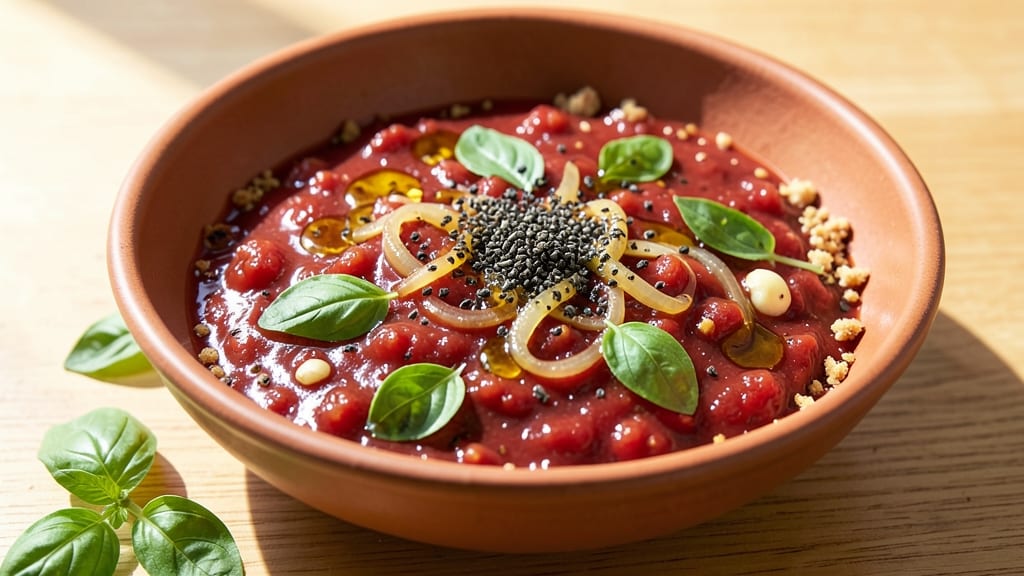
This small-batch canned spaghetti sauce recipe transforms pantry staples into rich, restaurant-quality flavor with just 15 minutes of active time. I developed it after realizing most recipes either make too much or rely on expensive ingredients—this version delivers perfect small batches (about 2 cups) using simple tomatoes, garlic, and herbs you likely already have. The key is balancing acidity and sweetness to create depth without overpowering your pasta dish.
The beauty of this sauce lies in its flexibility—use canned tomatoes for convenience or fresh for brighter flavor, and adjust herbs to match what you have on hand. A splash of red wine or balsamic vinegar adds complexity, while a pinch of sugar mellows the acidity.
What makes this recipe special is how it transforms basic ingredients into something that tastes like it simmered all day, even though it comes together quickly.
By the time you're done, you'll have a velvety, aromatic sauce that's perfect for tossing with pasta, spooning over meatballs, or drizzling on grilled chicken. The best part? It keeps beautifully in the fridge for up to 5 days or freezes for 3 months, making it ideal for meal prep.
This is the kind of sauce that makes weeknight dinners feel special without requiring special ingredients or techniques.
Ready in just 30 minutes total, this sauce delivers restaurant-quality results with minimal effort. The secret is letting it simmer uncovered for the final 10 minutes, which intensifies the flavors and creates a thicker consistency.
Whether you're feeding a family or prepping for the week, this small-batch recipe ensures you'll always have delicious sauce on hand without waste or fuss.
Ingredients for canned spaghetti sauce recipe small batch
Pantry staples that transform into restaurant-quality sauce in 30 minutes.
| Ingredient | Amount | Notes |
|---|---|---|
| Canned Crushed Tomatoes 🍅 | 1 can | 28 oz can, San Marzano preferred |
| Yellow Onion 🧅 | 1 whole | Medium size, finely chopped |
| Garlic Cloves 🧄 | 4 cloves | Fresh, minced for depth |
| Olive Oil 🫒 | ¼ cup | Extra-virgin for richness |
| Dried Basil 🌿 | 1 tbsp | Or 0.25 cup fresh basil |
| Dried Oregano 🍃 | 1 tsp | Mexican oregano if available |
| Salt 🧂 | 1 tsp | Diamond Crystal preferred |
| Black Pepper 🌶️ | ½ tsp | Freshly ground for heat |
| Granulated Sugar 🍚 | 1 tsp | Balances acidity perfectly |
| Red Wine 🍷 | ¼ cup | Dry variety like Cabernet |
The tomatoes are the foundation—San Marzano cans taste sweeter and less acidic, but any good-quality canned tomatoes work. Trader Joe's and Whole Foods both carry reliable brands. For the onion, I usually grab a medium yellow—it sweetens nicely as it cooks. The garlic? Freshly minced makes all the difference, but if you're short on time, jarred minced garlic (the kind in olive oil) is a decent shortcut. Olive oil is where the richness comes from—extra-virgin has better flavor, but regular works in a pinch.
No red wine? Substitute with 0.25 cup beef broth plus 1 tsp balsamic vinegar—it adds depth without alcohol. Fresh basil is ideal, but dried works at one-third the amount. If your dried herbs smell dusty, toss them—they've lost their punch. The sugar might seem odd, but it's essential to balance the acidity of the tomatoes. Brown sugar works too if you've got it. For a meatier flavor, add 1 tbsp soy sauce or Worcestershire (check for vegetarian if needed).
This sauce keeps beautifully—5 days in the fridge or 3 months frozen. Portion into small jars or containers for easy grab-and-go meals. The flavors actually improve after a day or two as everything melds together. For freezing, leave a little headspace in the jar to prevent cracking. Thicken with a splash of water or pasta water if needed when reheating—it's supposed to be saucy, not dry.
Why You'll Love This Recipe
- Pantry Magic: I swear by this sauce—no fresh tomatoes, no fancy prep. Just open a can, toss in the onion and garlic, and let the olive oil work its magic while you chop a side salad.
- Garlic-Basil Bomb: That first whiff of simmering garlic in olive oil? Pure flavor payoff. The crushed tomatoes soak it up like a sponge, and the basil ties it all together—simple, but ridiculously good.
- Weeknight Workhorse: I make this when I’m too tired to think. Freezes like a dream, reheats perfectly, and turns into lasagna or soup when I’m feeling fancy. (Yes, even on a Tuesday night.)
- Budget Win: A single can of tomatoes and a few pantry staples stretch to feed four. Between us, this is how I keep dinner affordable without sacrificing taste—no guilt, just flavor.
Step-by-step instructions for small-batch canned spaghetti sauce
Here's how to transform pantry staples into rich, restaurant-quality sauce with minimal effort.
Sauté Aromatics Until Fragrant
Heat the 0.25 cup olive oil in a medium saucepan over medium heat. Add the finely chopped yellow onion and cook for 5-6 minutes until softened and translucent. You'll notice the onions release their moisture and begin to caramelize slightly at the edges.
Add the 4 minced garlic cloves and cook for another 30 seconds until fragrant. The garlic should sizzle gently but not burn—this releases its sweet, pungent flavor. I like to stir constantly during this step to prevent burning, which would make the sauce bitter. If the onions start to brown too quickly, reduce the heat slightly to medium-low.
Deglaze with Red Wine
Pour in the 0.25 cup red wine and scrape up any browned bits from the bottom of the pan. This deglazing step captures all the flavor you've built so far. Let the wine simmer for 2-3 minutes until it reduces by about half and the alcohol smell dissipates completely.
The wine should smell rich and fruity, not sharp or boozy. This reduction also helps balance the acidity of the tomatoes later. If you're using a particularly dry wine, you might need to simmer it slightly longer to concentrate the flavors.
Build the Sauce Base
Add the 1 can crushed tomatoes, 1 tbsp dried basil, 1 tsp dried oregano, 1 tsp salt, 0.5 tsp black pepper, and 1 tsp granulated sugar to the pan. Stir everything together until well combined. The sugar will help balance the natural acidity of the tomatoes while enhancing their sweetness.
Bring the mixture to a gentle simmer over medium heat. Let it cook uncovered for 20-25 minutes, stirring occasionally. You'll see the sauce thicken noticeably as it reduces. The basil and oregano will release their aromatic oils, filling your kitchen with that classic Italian herb scent.
Simmer to Perfect Consistency
Reduce the heat to low and continue simmering for another 15-20 minutes, stirring occasionally. The sauce should thicken to a consistency that coats the back of a spoon but remains smooth. If it thickens too quickly, add 2-3 tablespoons of water to loosen it.
Taste and adjust seasoning if needed. You might need a bit more salt or sugar depending on your tomatoes. The sauce should be rich, slightly sweet, and well-balanced with acidity. Let it cool slightly before serving with your favorite pasta—this sauce tastes even better the next day as the flavors meld together.
Pro Tips For Making Canned Spaghetti Sauce Recipe Small Batch
- Cook Onions Low and Slow: I learned this the hard way—rushing the onions turns them bitter. Simmer them in olive oil at medium-low heat for 8-10 minutes until they’re soft and translucent, not golden. This builds flavor without burning, and your sauce won’t taste like you charred your pan.
- Crush Garlic Cloves First: Skip the mincer—smash whole garlic cloves with the flat side of your knife before adding them. This releases more flavor into the oil without burning, and you won’t waste time peeling. Just 30 seconds of prep makes a real difference in depth.
- Stir the Tomatoes Early: Don’t dump crushed tomatoes straight into the pan. Heat 1 tablespoon of olive oil first, then add half the tomatoes and stir for 2 minutes. This breaks down the acidity and prevents a sudden sour taste when you combine everything later.
- Season with Salt Twice: Taste after 10 minutes of cooking—add salt if needed—but don’t overdo it. Then, right before serving, add a pinch more. The acid in tomatoes mellows over time, so you’ll need to adjust at the end. (Yes, even if you’re impatient like me.)
Serving suggestions for this recipe
Pasta Pairings
This sauce is perfect for al dente spaghetti or linguine, but I love tossing it with bucatini or pappardelle too. The wider noodles hold the sauce beautifully, creating that classic "tossed" effect. For a heartier dish, try rigatoni or penne—the ridges catch extra sauce. 🍝
Pro tip: Reserve ½ cup pasta water before draining your noodles. If the sauce seems too thick after tossing, add a splash of that starchy water to loosen it up.
I also recommend adding a pinch of red pepper flakes to the sauce before serving if you want a little heat—just ¼ tsp adds just the right kick.
Meatball Magic
This sauce is ideal for spooning over homemade meatballs, especially if you use a mix of ground beef and pork. I like to make a double batch of sauce—one for pasta and one for meatballs—because the sauce absorbs into the meatballs beautifully.
For extra flavor, add ½ tsp smoked paprika to the sauce when simmering.
If you're using store-bought meatballs, look for ones with herbs like parsley or thyme—they'll complement the basil and oregano in the sauce. Serve with a sprinkle of fresh parsley and a side of garlic bread for the ultimate comfort meal. 🍽️
Protein Pairings
This sauce elevates simple grilled chicken or baked chicken thighs to restaurant-quality status. Just toss the cooked chicken with 2 tbsp sauce per serving and a sprinkle of grated Parmesan. For a vegetarian option, try spooning it over grilled eggplant or portobello mushrooms—the umami flavors shine.
If you're serving with shrimp, add ½ tsp crushed fennel seeds to the sauce during the final 5 minutes of simmering. The anise notes pair perfectly with the sweetness of the tomatoes. 🦐
Bread & Sides
No Italian meal is complete without crusty bread! I love serving this sauce with garlic bread made from a baguette or ciabatta. For extra flavor, brush the bread with garlic-infused olive oil and sprinkle with flaky sea salt before baking.
A simple arugula salad with lemon vinaigrette cuts through the richness.
For a heartier side, roast zucchini and cherry tomatoes with olive oil, salt, and pepper at 400°F for 20 minutes. The charred flavors complement the sauce perfectly. 🥗
Nutrition facts
Frequently asked questions
Can I use fresh tomatoes instead of canned for this small-batch sauce?
For fresh tomatoes, use about 2 cups diced ripe tomatoes (peeled if preferred) instead of the can. You'll need to simmer the sauce longer—30-35 minutes total—to break down the tomatoes and achieve a similar thickness. Fresh tomatoes give a brighter flavor, but canned tomatoes provide consistent, rich results with less prep work.
How do I adjust this recipe for a meat sauce?
Add ½ lb ground meat (beef, pork, or a mix) to the pan with the onions. Brown it thoroughly before adding garlic, then proceed with the recipe as written. For extra depth, use ½ cup beef broth instead of red wine. The meat will absorb flavors beautifully, creating a heartier sauce perfect for meatballs or pasta.
My sauce turned out too thick—can I fix it?
Yes! Thin with 2-3 tablespoons water, pasta water, or broth while reheating. For future batches, simmer uncovered for 20 minutes (not longer) or reduce the heat slightly. The sauce should coat the back of a spoon but remain smooth. If it's still too thick, add more liquid gradually until you reach the desired consistency.
What's the best way to store leftovers?
Let the sauce cool completely, then transfer to an airtight container. It keeps in the fridge for 5 days or freezes for 3 months. For freezing, leave ½-inch headspace to prevent cracking. Thaw overnight in the fridge—never at room temperature—and reheat gently on the stove with a splash of water to restore texture.
Can I make this sauce in a slow cooker?
Yes! Sauté the onions and garlic first, then transfer everything to a 3-4 quart slow cooker. Cook on Low for 4-5 hours or High for 2-3 hours, stirring occasionally. The slow cooker method yields a deeper flavor but may require thinning with water or broth if it reduces too much. Perfect for hands-off meal prep!