
Sauces & Condiments
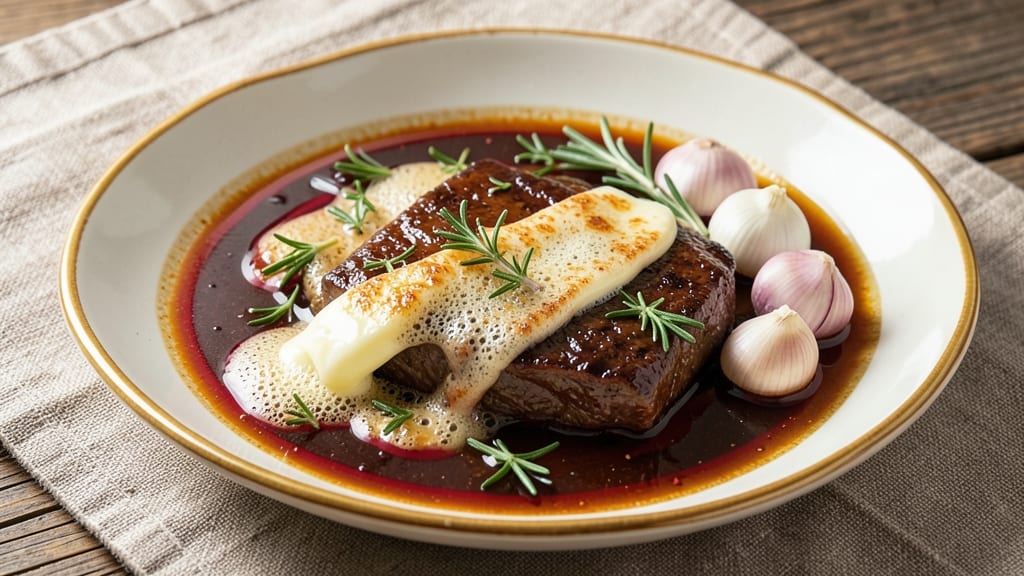
This beef basting sauce recipe transforms simple ingredients into a glossy, golden glaze that seals in juices and delivers restaurant-quality flavor to every bite.
The secret lies in a perfect balance of rich butter, aromatic herbs, and a touch of acidity—whether from wine or vinegar—that cuts through the fat while enhancing the beef’s natural depth.
I developed this sauce after years of testing what works best for pan-searing, grilling, and roasting, and it never fails to elevate even the simplest cut of meat.
The process is straightforward but precise: simmering broth, butter, and aromatics until reduced by half creates a velvety base that clings beautifully to meat. A splash of wine or vinegar at the end brightens the sauce, while fresh herbs add a fragrant finish.
What makes this sauce truly special is its versatility—it works equally well for a quick pan-seared steak, a slow-roasted prime rib, or even basting chicken thighs for extra moisture and flavor.
What you’ll end up with is a rich, glossy sauce that’s perfect for basting during cooking or drizzling over finished dishes. The reduction process intensifies the flavors, turning ordinary ingredients into something extraordinary.
This sauce isn’t just for special occasions; it’s a game-changer for weeknight dinners, holiday feasts, or any time you want to take your beef to the next level.
Once made, it keeps well in the refrigerator for up to a week, so you can always have a flavorful glaze on hand. Whether you’re cooking a tender ribeye, a juicy pork chop, or even grilled vegetables, this sauce will add depth and shine.
Let’s get started—your next meal is about to taste even better.
Ingredients for beef basting sauce
Rich butter, aromatic herbs, and a splash of wine create this velvety glaze—game-changer for beef every time.
| Ingredient | Amount | Notes |
|---|---|---|
| Unsalted Butter 🧈 | ½ cup | Cold, cubed for even melting |
| Beef Broth 🥄 | 1 cup | High-quality, low-sodium preferred |
| Red Wine 🍷 | ¼ cup | Bold, dry variety like Cabernet |
| Fresh Thyme Leaves 🌿 | ¼ cup | Stems removed, finely chopped |
| Fresh Rosemary 🌿 | 1 tbsp | Needles finely chopped |
| Garlic Cloves 🧄 | 4 cloves | Minced, for deep flavor |
| Shallots 🧅 | 2 whole | Minced, or substitute 2 tbsp onion |
| Balsamic Vinegar 🍶 | 1 tbsp | For bright acidity finish |
| Diamond Crystal Kosher Salt 🧂 | 1 tsp | Adjust to taste |
| Fresh Black Peppercorns 🌶️ | ½ tsp | Freshly cracked |
The butter is non-negotiable—European-style melts beautifully for that signature gloss. I grab Plugrá when I can, but any high-quality unsalted works. Fresh herbs? Whole Foods or your local market—look for vibrant stems, not wilted leaves. The beef broth should be rich but not salty; Kitchen Basics or homemade is ideal. For the wine, any bold red does the trick—Cabernet Sauvignon or Merlot from the store's selection. Shallots add depth, but if you're out, red onion works in a pinch—just double the amount.
No red wine? Substitute extra beef broth with 1 tbsp balsamic vinegar for acidity. Fresh herbs wilt fast—dried thyme at one-third the amount works in a bind, but fresh is worth it. The butter can be swapped for olive oil if you prefer, though it won't give the same richness. For a vegetarian version, use mushroom broth instead of beef. The key is balancing the fat with acid—don't skip the balsamic or vinegar. And if you're short on time, pre-minced garlic from the jar saves steps without sacrificing flavor.
This sauce keeps beautifully—1 week refrigerated or 3 months frozen. For freezing, pour into ice cube trays, then transfer to a bag. Reheat gently in a saucepan or microwave. The flavor actually improves after reduction, so make extra for future meals. Store in a glass jar in the fridge for easy basting. Leftovers? Drizzle over grilled veggies or roasted potatoes—they'll thank you.
Why You'll Love This Recipe
- Pantry Magic: I swear by this sauce because it uses things I already have—no last-minute grocery runs. Butter, broth, a splash of red wine, and a handful of herbs? That’s it. Honestly, I’ve made it with whatever was in my fridge, and it still tastes like a fancy bistro dish.
- Rich Without Effort: The red wine and beef broth deepen instantly, while the butter adds that velvety finish. Between us, the thyme and rosemary give it a bright, herby punch that cuts through even the toughest steak. (Yes, even on a Tuesday night.)
- Leftovers That Shine: This sauce doubles perfectly—store it in the fridge and reheat it to glaze roasted veggies or toss it with pasta later. I’ll be real: my freezer is stocked with jars of this stuff because it’s the only sauce that gets better the second day.
- Weeknight Hero: It takes less time to simmer than it does to debate what to eat. One pot, minimal stirring, and you’ve got a sauce that turns grilled chicken or pan-seared beef into something restaurant-worthy. Not the prettiest, but the taste makes up for it every time.
Step-by-step instructions for beef basting sauce
Here's how to craft a rich, aromatic glaze that transforms simple beef into a showstopper.
Sear the Aromatics for Maximum Flavor
Heat a heavy-bottomed skillet over medium heat and add the 0.5 cup unsalted butter in its cold, cubed form. Let it melt slowly, swirling the pan occasionally, until the butter foams and begins to turn golden—this should take about 3-4 minutes. The butter should smell nutty and rich, not burnt.
Add the 2 whole shallots and 4 cloves garlic to the melted butter. Cook them for 5-6 minutes until they become translucent and the garlic releases its fragrant aroma. Here's the thing—don't rush this step. The aromatics need time to soften and develop their flavors before we add the wine. If they brown too quickly, reduce the heat slightly to medium-low.
Deglaze with Wine and Build the Base
Pour in the 0.25 cup red wine and immediately scrape up any browned bits from the bottom of the pan using a wooden spoon. These bits are packed with flavor—this is called deglazing, and it's where the magic happens. Let the wine simmer for 2-3 minutes until it reduces by about half and the alcohol smell dissipates completely.
Now add the 1 cup beef broth, 0.25 cup fresh thyme leaves, 1 tablespoon fresh rosemary, 1 teaspoon kosher salt, and 0.5 teaspoon cracked black peppercorns. Bring the mixture to a gentle simmer and let it cook uncovered for 8-10 minutes until it reduces by about one-third. You're looking for a sauce that coats the back of a spoon—thick enough to cling but still pourable. Stir occasionally to prevent sticking.
Finish with Balsamic for Depth
Once the sauce has reduced nicely, remove the pan from heat and stir in the 1 tablespoon balsamic vinegar. This final touch adds a bright, tangy contrast that cuts through the richness of the butter and beef. Let the sauce sit off the heat for 2-3 minutes to allow the flavors to meld together.
Here's the crucial part: strain the sauce through a fine-mesh sieve into a clean saucepan to remove any herb stems or shallot bits. Return it to low heat and let it simmer gently for another 3-4 minutes until it reaches your desired consistency—it should be glossy and coat the back of a spoon smoothly. Taste and adjust the seasoning if needed, adding more salt or pepper as required. The sauce should be rich, aromatic, and perfectly balanced between sweet, savory, and acidic notes.
Use Immediately for Maximum Impact
Return the sauce to medium-low heat and keep it warm while you cook your beef. This sauce is designed to baste—brush it generously over the beef during the last 10-15 minutes of cooking, allowing each application to caramelize slightly before brushing on more. The high heat of the pan will create a beautiful glaze that locks in moisture and adds incredible depth of flavor.
For best results, use the sauce immediately after making it. If you need to store it, let it cool completely, then transfer to an airtight container and refrigerate for up to 3 days. Reheat gently over low heat, stirring occasionally, and add a splash of water or beef broth if it thickens too much. This sauce is perfect for basting roasts, searing steaks, or drizzling over grilled meats—it's the secret weapon that takes your beef from good to extraordinary.
Pro Tips For Making Beef Basting Sauce
- DEGLaze FIRST: I learned this the hard way—skipping the deglaze means you’re missing half the flavor. After browning your beef (if you are), splash in that red wine immediately while the pan is still smoking, scraping up every last bit of fond. That’s where the depth comes from, not just the wine itself.
- USE A SPLASH OF BROTH: Don’t just dump the beef broth in all at once. After the wine reduces by half, add a small splash—just 2 tablespoons—first. Let it bubble and thicken slightly before adding the rest. This keeps your sauce from turning into a thin, watery mess while you’re basting.
- SALT THE BUTTER: Unsalted butter is your friend here, but only if you treat it right. Toss in a pinch of salt (about ¼ teaspoon per 2 tablespoons) before melting it into the pan. Trust me, the difference between a bland sauce and one that actually sings is that simple detail—no one wants to taste butter alone.
- STRAIN THE HERBS: Fresh thyme and rosemary are amazing, but their stems are a pain. Strip the leaves off the sprigs, then give them a quick rinse and pat dry. After simmering, strain the sauce through a fine-mesh sieve—yes, even if you like texture. The tiny stems turn bitter when overcooked, and you don’t want that fighting with your rich, winey goodness.
Wine and beer pairings for this recipe
Red Wine Pairings
A bold Cabernet Sauvignon from Napa Valley is my go-to pairing—its dark fruit notes and tannins complement the sauce's richness beautifully. Look for a 2018 vintage or newer with 14-15% alcohol to stand up to the butter and beef flavors.
The wine's acidity also cuts through the sauce's fat, cleansing your palate between bites. 🍷
For something lighter but equally delicious, try a Merlot with 13-14% alcohol. Its softer tannins and plum flavors make it perfect for pan-seared steaks or grilled beef tenderloin. I keep a bottle of Louis Martini in my fridge for quick weeknight meals—it's reliable and affordable.
Beer Matchups
A malty amber ale like Fat Tire from New Belgium balances the sauce's richness with caramel sweetness and a touch of bitterness. The beer's body mirrors the sauce's thickness, creating harmony on your plate. Serve it slightly chilled (45-50°F) to enhance its malt profile.
For a hoppier option, a Belgian-style witbier like Hoegaarden adds refreshing citrus notes that contrast the sauce's depth. The effervescence also helps cut through the richness. I love pairing this with grilled beef skewers for a festive touch.
Unexpected Pairings
Surprisingly, a dry Riesling works wonders with this sauce—its crisp acidity and mineral notes complement the balsamic finish. Try a German Spätlese with 8-10% alcohol for a refreshing contrast to rich beef dishes. The wine's sweetness is subtle but enhances the sauce's complexity.
For non-alcoholic options, a sparkling water with a squeeze of lemon or a ginger beer like BrewDog Ginger Beer cleanses the palate beautifully. The ginger's spice echoes the rosemary in the sauce, creating a cohesive flavor experience.
Pro Pairing Tips
Always serve wine slightly cooler than room temperature—55-60°F for reds and 45-50°F for whites. I use an ice bucket filled with water for quick chilling without diluting the drink. For beer, serve at the temperature listed on the label.
When pairing, consider the cooking method: grilled beef pairs best with bold reds, while pan-seared cuts shine with lighter wines or beers. The sauce's versatility means you can experiment—just trust your palate! 💡
Nutrition facts
Frequently asked questions
Can I make this beef basting sauce ahead of time?
This sauce actually tastes better when made a day ahead. Let it cool completely, then store it in an airtight container in the refrigerator for up to 5 days. The flavors meld beautifully overnight. Just reheat gently over low heat and thin with a splash of beef broth if needed before basting.
What's the best way to use this sauce with tougher cuts like brisket?
For tougher cuts like brisket, use this sauce during the final 30-45 minutes of cooking when the meat is most tender. Brush it on generously, then cover the pan or oven to let the sauce caramelize slightly. The butter and wine in the sauce help break down collagen, making even the toughest cuts fork-tender.
Can I substitute olive oil for butter in this recipe?
You can try, but the texture and flavor will differ. Olive oil won't create the same glossy finish or rich mouthfeel. If you must substitute, use a 50-50 mix of olive oil and butter to maintain some of the sauce's depth. For best results, stick with butter—it's what gives this sauce its signature velvety quality.
How do I fix a sauce that's too thick or too thin?
Too thick? Thin with 1-2 teaspoons of beef broth at a time while stirring constantly. Too thin? Simmer uncovered over medium heat for 2-3 minutes to reduce. For an emergency fix, whisk in 1/2 teaspoon cornstarch mixed with 1 teaspoon cold water—stir in carefully to avoid clumping.
Is this sauce good for grilling instead of pan-searing?
Yes! This sauce works beautifully for grilling. Keep it warm in a small saucepan off the grill, and brush it on during the last 10-15 minutes of cooking. The high heat will create a delicious caramelized crust. For extra safety, chill the sauce first before grilling to prevent flare-ups from the alcohol.