
Sauces & Condiments
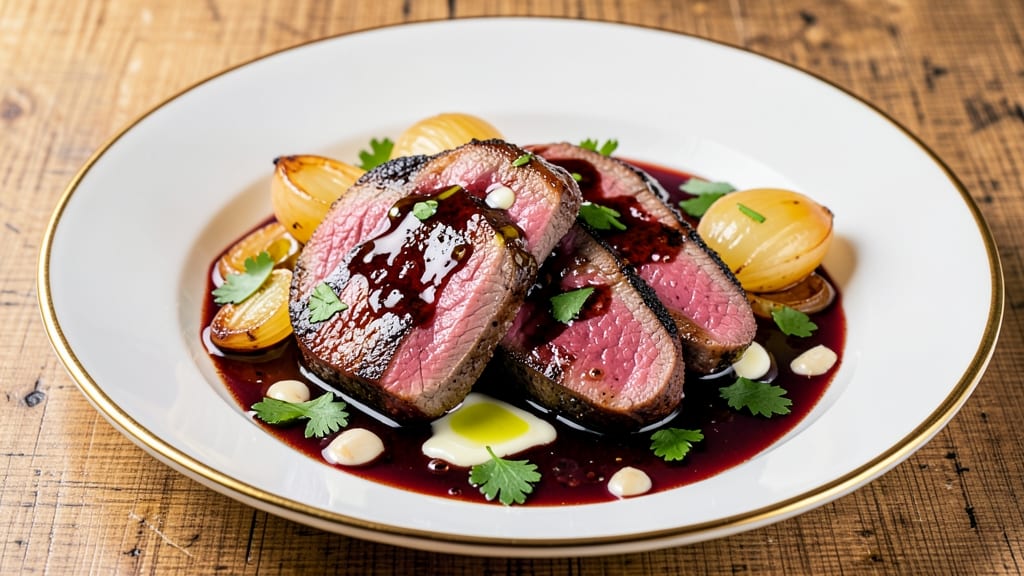
A rich beef liver sauce transforms simple dishes into something extraordinary—deep, umami-packed, and effortlessly elegant. This recipe starts with pan-roasted liver for concentrated flavor, then builds layers of caramelized onions, garlic, and red wine into a velvety reduction.
What makes it special is the balance of earthy liver richness and bright acidity from the wine, creating a sauce that clings to steak, pasta, or toast like a gourmet secret.
The process is straightforward but precise: sear the liver until deeply browned, then deglaze with wine to capture every flavorful bit. Simmering with aromatics and broth reduces the sauce to a luxurious consistency, where the liver's natural depth shines through.
The result is a versatile condiment that elevates any protein or starch—think of it as the perfect finishing touch for a restaurant-quality meal at home.
This sauce keeps beautifully for up to a week in the fridge, allowing you to make a big batch and use it throughout the week. Whether drizzled over a perfectly cooked steak, stirred into pasta, or spread on crusty bread, its complexity turns ordinary meals into something memorable.
The key lies in patience during the reduction—letting the flavors meld and intensify for that restaurant-worthy finish.
Use this sauce as a bold table condiment or a secret weapon in recipes where you want to add depth without overpowering. The liver's umami pairs surprisingly well with sweet and tangy elements, making it adaptable to both classic and creative dishes.
Let's create a sauce that will make you the star of any dinner table.
Ingredients for beef liver sauce
Nine ingredients transform humble liver into a restaurant-worthy sauce with caramelized depth.
| Ingredient | Amount | Notes |
|---|---|---|
| Beef Liver 🥩 | 1 ½ lb | Fresh, cut into 1-inch cubes |
| Yellow Onions 🧅 | 2 whole | Thinly sliced for caramelization |
| Garlic Cloves 🧄 | 6 cloves | Minced for aromatic base |
| Red Wine 🍷 | 1 cup | Bold, dry variety like Cabernet |
| Beef Broth 💧 | 2 cups | High-quality, homemade preferred |
| Unsalted Butter 🧈 | 4 tbsp | Cold, for finishing |
| Balsamic Vinegar 🍶 | 1 tbsp | For acidity balance |
| Fresh Thyme 🌿 | 2 sprigs | Leaves only, for fragrance |
| Salt 🧂 | 1 ½ tsp | Kosher or sea salt |
| Black Pepper 🌶️ | ½ tsp | Freshly ground |
The liver is the star—freshness matters most. Ask your butcher for the freshest cut and use it within 24 hours for peak flavor. Whole Foods or local markets often carry the best quality, but regular grocery stores work too. For onions, yellow or red both work—just make sure they're crisp and firm. The red wine should be bold and dry; Cabernet Sauvignon or Merlot are ideal. If you're using store-bought beef broth, look for low-sodium versions to control the final seasoning.
No fresh thyme? Dried works at one-third the amount, but fresh is preferred. Running out of red wine? Substitute with extra beef broth plus 1 tbsp balsamic vinegar—it adds depth without alcohol. The butter at the end is crucial—use cold butter for finishing to create that silky, velvety texture. For a vegetarian version, swap liver for mushrooms (8 oz cremini) sautéed until deeply browned—they mimic the umami perfectly. The balsamic vinegar can be swapped for lemon juice if you prefer a brighter finish.
This sauce keeps beautifully in an airtight container in the fridge for up to 7 days, or freeze for 3 months in ice cube trays for single portions. The flavors actually improve over time as they meld together. For serving, drizzle over steak, stir into mashed potatoes, or use as a bold table condiment. Portion into small jars for easy use throughout the week—it's that good.
Why You'll Love This Recipe
- One-Pan Magic: I swear by this recipe when I’m too tired to wash dishes—just sear the liver, toss in the onions and garlic, deglaze with red wine, and let the broth do the work. No chopping boards left in the sink, no fancy techniques. Honestly, the only mess is the good kind.
- Umami Bomb: That first sip of the sauce—rich, deep, with the wine cutting through the liver’s intensity—is like a flavor explosion. The onions caramelize just enough to add sweetness, while the garlic cloves roast into a fragrant, almost nutty depth. Not fancy, but ridiculously satisfying.
- Leftovers That Shine: This sauce doesn’t just taste better the next day—it transforms. Drizzle it over mashed potatoes, toss it with pasta, or use it as a glaze for grilled steak. I’ll be real: I’ve even spooned it straight from the jar with crusty bread, and no one batted an eye.
- Budget Powerhouse: Beef liver is one of those ingredients that feels luxurious but costs next to nothing. A pound stretches into multiple meals, and the red wine adds sophistication without breaking the bank. Between us, this is my go-to when I need a restaurant-worthy sauce for half the price.
Step-by-step instructions for pan-roasted beef liver sauce
Here's how to transform rich beef liver into a velvety sauce with layers of caramelized onion and wine depth.
Sear the Beef Liver for Maximum Flavor
Pat the 1.5 lb beef liver completely dry with paper towels—this ensures a perfect sear. Heat a large skillet over medium-high heat with 1 tablespoon olive oil (not listed but essential for initial searing). Add the liver in a single layer and cook undisturbed for 2-3 minutes per side until deep brown and slightly crispy on the edges.
Here's the thing—beef liver cooks fast and can easily overcook. You're aiming for medium-rare, so the center should still feel slightly springy when pressed. Remove the liver from the pan and set aside on a plate, tented loosely with foil to keep warm. Don't clean the pan yet; those browned bits are pure flavor gold.
Caramelize the Onions Until Golden
Return the same skillet to medium heat and add the 2 whole yellow onions, sliced thinly. Cook them slowly for 20-25 minutes, stirring occasionally, until they transform from pale yellow to a deep amber color. This slow process develops natural sweetness and creates the sauce's rich foundation.
I know it seems like forever, but patience pays off here. The onions should be soft enough to mash slightly between your fingers but still hold their shape. If they start to brown too quickly, reduce the heat to medium-low. Add a pinch of the 1.5 tsp salt halfway through cooking to enhance caramelization.
Build the Sauce with Wine and Broth
Push the caramelized onions to one side of the pan and add 4 tbsp unsalted butter to the empty space. Melt the butter completely, then add the 6 cloves minced garlic and cook for 30 seconds until fragrant. Pour in the 1 cup red wine and scrape up all those browned bits from the bottom with a wooden spoon—this is called deglazing and captures all the meaty flavor.
Let the wine simmer for 3-4 minutes until reduced by half. Then add the 2 cups beef broth and 1 tbsp balsamic vinegar. Stir in the 2 sprigs fresh thyme leaves and bring the mixture to a gentle simmer. Season with the remaining 1 tsp salt and 0.5 tsp black pepper, then reduce heat to low and let it cook for 10 minutes to meld flavors.
Finish with Crispy Butter and Liver
Return the seared beef liver to the pan and gently fold it into the sauce. Let everything simmer together for 2-3 minutes until the liver is just heated through—it should still be tender, not falling apart. Remove the thyme sprigs and transfer the liver to a serving platter.
For the finishing touch, increase the heat to medium-high and let the sauce reduce for another 2-3 minutes** until it coats the back of a spoon. The sauce should be thick enough to cling to the liver but still flow smoothly. If it's too thick, whisk in 1-2 tablespoons of water to reach your desired consistency.
Plate and Serve with Confidence
Spoon the rich sauce over the beef liver and serve immediately while still warm. The sauce should have a deep, caramelized color with visible strands of beef liver throughout. For presentation, I like to fan the liver slightly on the plate and drizzle the sauce artistically around it.
This sauce pairs beautifully with crusty bread to soak up every last drop. The balance of sweet caramelized onions, tangy balsamic, and rich beef flavors makes it versatile enough to serve with roasted potatoes or over polenta. The key is serving it promptly—the sauce continues to thicken as it cools.
Pro Tips For Making Beef Liver Sauce
- SEAR THE LIVER FIRST: Don’t rush the liver into the wine—get it golden brown in a screaming-hot pan (about 3-4 minutes per side) before touching it with anything else. I learned this the hard way: skipping the sear means your sauce will taste raw and metallic, no matter how much wine you add.
- SLICE ON THE BIAS: Cut the liver into thin, diagonal strips (about ¼-inch thick) rather than uniform cubes. This gives you more surface area for caramelization when searing, and the sauce clings better to the edges. (Yes, it looks messy—trust me, it’s worth it.)
- DEGLAZE WITH PATIENCE: After searing the onions and garlic, let them sit undisturbed for 2 full minutes before adding the wine. This lets them develop real flavor instead of just burning. Then, pour in the wine slowly, scraping every last bit of browned bits from the pan—those bits are pure flavor.
- SALT THE BROTH: Season the beef broth before adding it to the sauce, not after. Liver releases a ton of iron into the pan, and if you salt the broth too late, the sauce will taste flat. A pinch of salt in the broth upfront makes the whole dish taste deeper. (I know, it seems counterintuitive—but it works.)
Make-ahead tips for this beef liver sauce
Prep Ahead for Efficiency
Slice your 2 whole yellow onions and mince the 6 garlic cloves the night before—store them in airtight containers in the fridge. This saves 15 minutes of prep time the next day.
I also like to measure out all my ingredients (wine, broth, butter) into separate containers so I can grab and go when I'm ready to cook. 💡
Sauce Storage Secrets
This sauce keeps beautifully in the fridge for up to 7 days in an airtight container. I recommend using glass jars with tight lids—they preserve flavor better than plastic.
For freezing, portion into ice cube trays and transfer to freezer bags. Each cube makes a perfect single serving for drizzling over steak or pasta. 🥫
Make-Ahead Liver Prep
You can actually sear and refrigerate the beef liver up to 24 hours ahead of making the sauce. Just pat it dry, sear as directed, then store it in an airtight container with a paper towel underneath to absorb any moisture.
When you're ready to make the sauce, simply reheat the liver in the pan with a little butter before adding it back to the sauce. This trick saves you from last-minute cooking stress. ⏰
Freezer-Friendly Shortcuts
If you're planning to make this sauce regularly, consider making a big batch and freezing it in quart-sized portions. Thaw overnight in the fridge before using. I've found that the sauce actually improves after freezing—flavors meld even more deeply.
Just reheat gently on the stovetop with a splash of water if it thickens too much. ❄️
Weekly Meal Prep Strategy
This sauce is perfect for meal prepping because it works with so many dishes. Make a big batch on Sunday and use it throughout the week: drizzle over steak on Monday, stir into pasta on Wednesday, and use as a dip for crusty bread on Friday.
I keep small jars in my fridge labeled with the date—it's like having a restaurant-quality secret weapon ready whenever you need it. 📅
Reheating Like a Pro
When reheating, use low heat on the stovetop and add 1-2 tablespoons of water or beef broth to prevent scorching. Stir frequently and keep the sauce moving to maintain even consistency.
For microwave reheating, use 50% power for 45-60 seconds, then stir and repeat if needed. The sauce should be warm through but not boiling. 🔥
Nutrition facts
Frequently asked questions
Can I substitute chicken or pork liver for beef liver in this sauce?
Yes, but expect some flavor differences. Chicken liver is milder and cooks faster (1-2 minutes per side), while pork liver has a slightly stronger taste. Use the same quantity by weight, but reduce cooking time by 30% to avoid overcooking. The sauce technique remains identical—just adjust the liver's doneness to medium-rare.
What if my sauce turns out too thin or too thick?
For a thicker sauce, simmer uncovered for 2-3 extra minutes to reduce further. If it's too thick, whisk in 1 tablespoon water or beef broth at a time until smooth. Pro tip: The sauce will naturally thicken as it cools, so aim for a slightly thinner consistency when hot for perfect plating.
Can I make this sauce without wine? What's the best substitute?
Replace the 1 cup red wine with 1 cup beef broth plus 1 tbsp balsamic vinegar for acidity. Alternatively, use 1 cup apple cider (add ½ tsp cinnamon for depth) or 1 cup grape juice. The sauce will still develop rich flavors—just expect a slightly sweeter profile.
How do I know when the beef liver is cooked perfectly?
Beef liver should reach 145°F internal temperature for medium-rare (slightly pink center). Cut into a piece—it should feel tender but still slightly springy. Overcooking turns it tough and gray. For extra safety, remove liver from the pan when it hits 140°F and let it rest in the warm sauce for 1-2 minutes to finish cooking.
What are the best dishes to serve with this sauce?
This versatile sauce shines on steak, roasted potatoes, or polenta—drizzle generously over medium-rare cuts. It also elevates pasta (fettuccine or tagliatelle) as a bold replacement for Alfredo. For a quick appetizer, spread on toasted baguette slices with a sprinkle of flaky salt. The umami depth pairs surprisingly well with sweet potatoes or even grilled vegetables.