
Sauces & Condiments
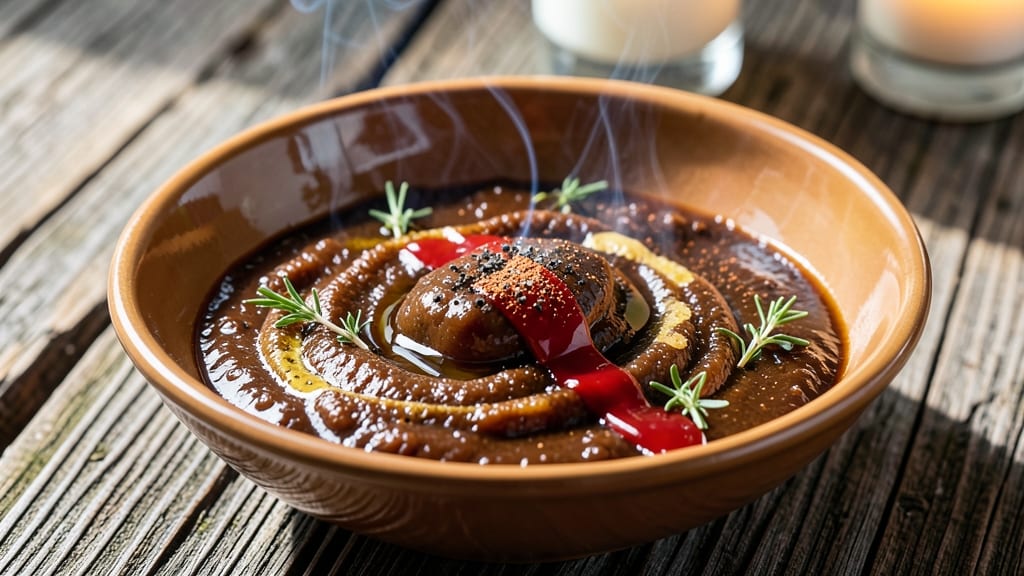
This bar Q sauce recipe delivers that signature smoky-sweet glaze that clings perfectly to ribs, brisket, and grilled chicken. The secret lies in balancing tomato paste, molasses, and vinegar for depth while keeping the texture smooth enough to brush on effortlessly.
I've perfected this version over years of competition-style smoking, where that sticky, caramelized finish makes all the difference.
What sets this sauce apart is the slow reduction process that develops complex flavors without burning. The combination of brown sugar, smoked paprika, and a touch of liquid smoke creates that unmistakable barbecue aroma while maintaining a smooth, glossy finish.
Unlike store-bought versions, this recipe builds flavor through controlled cooking rather than artificial additives.
The result is a versatile sauce that works as a glaze, dipping sauce, or even a marinade base. It thickens just enough to cling to meats while remaining spreadable for sandwiches. The balance of sweetness and smokiness makes it perfect for both competition-style cooking and casual backyard grilling.
Once you taste this homemade version, you'll never go back to bottled sauce again. The ingredients are simple, the process is straightforward, and the results are restaurant-quality. Let's get started on making your own signature barbecue sauce.
Ingredients for bar q sauce
Ten simple ingredients for a sauce that turns grilled meats into showstoppers.
| Ingredient | Amount | Notes |
|---|---|---|
| Tomato Paste 🍅 | ½ cup | San Marzano preferred for sweetness |
| Light Brown Sugar 🍚 | ¾ cup | Packed firmly for accuracy |
| Molasses 🍯 | ¼ cup | Unsulphured for best flavor |
| Apple Cider Vinegar 🍏 | ¼ cup | For tangy depth |
| Smoked Paprika 🌶️ | 2 tbsp | High-quality for smokiness |
| Liquid Smoke 💨 | 1 tsp | Adjust for desired smokiness |
| Garlic Powder 🧄 | 1 tsp | Freshly ground preferred |
| Onion Powder 🧅 | 1 tsp | For aromatic base |
| Salt 🧂 | 1 ½ tsp | Diamond Crystal preferred |
| Black Pepper 🌶️ | ½ tsp | Freshly cracked for heat |
The tomato paste is your flavor anchor—San Marzano has the sweetest, most concentrated flavor, but any quality paste works. Trader Joe's or Whole Foods carry great options if you want to splurge, but the canned stuff from the regular grocery store is fine for everyday use. Molasses can vary wildly in quality, so grab the unsulphured kind (usually labeled as 'culinary' or 'food-grade'). The brown sugar should be light, not dark—it keeps the sauce from getting too heavy. Smoked paprika is non-negotiable here; Penzeys or McCormick make solid options, but check the label for 'smoked' not just 'paprika'.
No liquid smoke? Smoked paprika plus a dash of coffee gets you close—it adds depth without overpowering. Vinegar substitute? Red wine vinegar or balsamic both work, but apple cider gives that classic barbecue tang. Want more heat? Add ½ tsp cayenne or a pinch of crushed red pepper. The garlic and onion powders are just for flavor—don't skip them, but don't stress if you're out; a little fresh minced would work in a pinch. For a smoother sauce, whisk everything together before simmering to dissolve the sugars completely.
This sauce keeps beautifully—1 month refrigerated or 6 months frozen. Store it in a glass jar with a tight seal, and the flavors only get better with time. If it thickens too much, just add a splash of water or vinegar to loosen it up. Double the batch if you're grilling for a crowd; it disappears fast. The first time you brush this on ribs or chicken, you'll understand why it's a competition favorite—it's that good.
Why You'll Love This Recipe
- Pantry Stash Magic: I swear by this sauce because it uses things I already have—no last-minute grocery runs. That tomato paste, brown sugar, and molasses combo? It’s the kind of flavor that builds on itself while you stir, and the vinegar ties it all together without extra effort.
- Smoky-Sweet Obsession: The smoked paprika gives it this deep, almost barbecue-like richness, but it’s not heavy or overpowering. Honestly, the first time I tasted it, I thought, "Why haven’t I been doing this all along?"—especially when drizzled over grilled chicken or baked beans.
- Weeknight Workhorse: This sauce is my go-to for slow-cooker meals, sheet-pan dinners, or even as a marinade. I’ll make a big batch on Sundays, and it lasts all week—perfect for when I’m too tired to think but still want flavor that doesn’t skimp.
- Budget-Friendly Flex: A little goes a long way, and the ingredients won’t break the bank. Between us, I’ve stretched a single jar of tomato paste into three meals, and the molasses adds depth without costing extra. It’s the kind of recipe that makes frugal cooking feel indulgent.
Step-by-step instructions for smoky-sweet glaze that sticks to grilled meats
Here's how to craft a bold, balanced sauce that clings to ribs, chicken, or pork like it's meant to be there.
Combine Wet Ingredients for the Base
In a medium saucepan over medium heat, add the 0.5 cup tomato paste and stir constantly for 2-3 minutes until it darkens slightly and loses its raw, floury texture. This step develops the sauce's depth—don't rush it or the flavor will taste flat.
Next, whisk in the 0.75 cup light brown sugar and 0.25 cup molasses, stirring until fully dissolved. The mixture will thicken as it heats, so keep stirring to prevent scorching. Here's the thing—molasses adds that rich, almost caramel-like sweetness, while the brown sugar gives it that perfect balance between sticky and smooth.
Add Vinegar and Spices for Depth
Pour in the 0.25 cup apple cider vinegar and bring the mixture to a gentle simmer. The vinegar cuts through the sweetness and adds a tangy brightness that keeps the sauce from being cloying. Simmer for 5 minutes, stirring occasionally, until the liquid reduces by about 25%—you'll see it thicken noticeably.
Now, sprinkle in the 2 tbsp smoked paprika, 1 tsp liquid smoke, 1 tsp garlic powder, 1 tsp onion powder, 1.5 tsp salt, and 0.5 tsp black pepper. Stir vigorously to distribute the spices evenly. The smoked paprika and liquid smoke work together to create that signature barbecue smokiness, while the garlic and onion powders build a savory foundation. Let the mixture simmer for another 3-4 minutes until all the spices are fully incorporated and the aroma is irresistible.
Simmer Until Thick and Glossy
Reduce the heat to low and let the sauce simmer uncovered for 15-20 minutes, stirring every 3-4 minutes. You're aiming for a consistency where the sauce coats the back of a spoon but still flows smoothly—this ensures it clings to grilled meats without dripping off. If it thickens too quickly, add 1 tablespoon water at a time until you reach the right texture.
The sauce is ready when it reaches a glossy, syrupy finish with a deep, smoky aroma. Taste it and adjust the seasoning if needed—you might want a touch more salt or a hint of extra liquid smoke for that perfect balance. Real talk: this sauce tastes even better the next day, so let it cool and store it in an airtight container in the fridge for up to 2 weeks. It'll keep getting better as the flavors meld.
Pro Tips For Making Bar Q Sauce
- STIR CONSTANTLY LOW HEAT: Tomato paste burns faster than you’d think—especially when you’re distracted by the molasses smell. Keep the pan on the lowest heat you can tolerate and stir every 30 seconds with a wooden spoon. I learned this the hard way after one batch turned into a charred brick.
- WHISK THE SUGAR: Light brown sugar clumps like a stubborn guest at a dinner party. Before adding it to the pan, give it a quick whisk with the molasses and vinegar to break up any lumps. Smooth sauce starts here—no one wants to taste a sugar surprise mid-bite.
- SKIP THE BOILING POINT: This sauce isn’t about reducing to syrup—it’s about balancing flavors. Once the vinegar hits the pan, the mixture will bubble hard, but pull it off the heat as soon as it’s simmering gently. Overcooking turns the molasses bitter, and you’ll regret that smoky edge.
- SWAP THE VINEGAR: Apple cider vinegar adds depth, but if you’re in a pinch, a 1:1 swap with balsamic vinegar works—just add it earlier and let it mellow. I was skeptical until I tried it after running out mid-recipe, and the sauce still had that tangy richness. (Your pantry will thank you.)
Storing and reheating this bar q sauce
Refrigerator Storage
Transfer your cooled bar Q sauce to a clean, airtight glass jar—I love using Ball mason jars for their tight seals and durability. Store it in the fridge at 40°F or below where it'll keep for up to 1 month. The flavors actually deepen over time, so don't be afraid to make a big batch. Just
Freezer Preservation
For long-term storage, freeze your sauce in portioned ½-cup servings using silicone ice cube trays or small glass jars. This makes it perfect for quick grilling sessions. Label each portion with the date—it'll stay fresh for up to 6 months without losing quality. When ready to use, thaw overnight in the fridge or quickly in the microwave on low power for 20-30 seconds.
Thawing Techniques
If you've frozen your sauce, the best thawing method depends on your timeframe. For overnight prep, transfer the jar to the fridge 8-12 hours before use.
For same-day needs, place the sealed jar in a bowl of warm water (not hot) for 10-15 minutes—this gentle heat method preserves texture better than microwave defrosting. Never thaw at room temperature, as this risks bacterial growth.
Reheating for Glaze
To use your stored sauce as a glaze, gently reheat it in a small saucepan over low heat for 3-5 minutes, stirring constantly until warmed through. Avoid boiling, which can alter the texture and burn the delicate flavors.
For extra gloss, add 1 teaspoon water while reheating. This method works perfectly for ribs, chicken, or pulled pork—just brush it on during the last 5-10 minutes of cooking. 🔥
Reviving Thickened Sauce
If your refrigerated sauce has thickened too much, don't toss it! Simply add 1 tablespoon of water or apple cider vinegar at a time while whisking until you reach the ideal consistency.
For a smoother texture, strain through a fine-mesh sieve to remove any settled sugars. I've had this happen after storing for weeks, and the sauce always comes back better than before.
Portioning for Convenience
Consider dividing your sauce into small glass jars (like 4-ounce mason jars) before storing. This makes it perfect for camping trips, tailgates, or quick weeknight meals. The small size also prevents waste—you'll use exactly what you need without leftovers.
Plus, these portions reheat faster and more evenly than large batches. Label each jar with the date and "Bar Q Sauce" so you can grab it instantly next time you fire up the grill. ✨
Nutrition facts
Frequently asked questions
Can I make this barbecue sauce without molasses?
Yes, you can substitute molasses with ½ cup honey or maple syrup for similar sweetness, though molasses adds that distinctive deep flavor. For a closer match, use ¼ cup honey plus ¼ cup dark corn syrup—just simmer the sauce an extra 2-3 minutes to develop the caramel notes. The sauce will still be delicious, though slightly lighter in body.
How do I adjust the heat level in this sauce?
For more heat, add ½ teaspoon cayenne pepper or 1 teaspoon crushed red pepper flakes when incorporating the spices. If you prefer a milder sauce, reduce the smoked paprika to 1 tablespoon and omit the liquid smoke entirely. Taste as you go—you can always adjust after simmering, but avoid adding too much vinegar, which can make the sauce taste sharp.
What's the best way to use this sauce on ribs?
Brush a thin layer on ribs during the last 30-45 minutes of cooking (around 225°F for pulled pork or 250°F for ribs) to prevent burning. For extra stickiness, reheat the sauce slightly before applying. Apply in 3-4 thin coats with 5-10 minutes between each to let it caramelize. The sauce works best on saucy ribs—not dry ones—so keep the meat moist with spritzes of apple juice if needed.
Can I use this sauce as a marinade?
While this sauce isn't designed as a marinade, you can thin it with equal parts water or apple juice to create a marinade base. For best results, use it for 2-4 hours max (not overnight) to prevent over-tenderizing the meat. The high sugar content makes it better suited for glazing or basting during cooking rather than long-term marinating. For chicken or pork, apply as a dry rub first, then glaze with the sauce in the last 10 minutes.
Why did my sauce turn out too thick?
Over-simmering or using too much sugar/molasses causes thickening. To fix it, whisk in 1 tablespoon water or vinegar at a time until smooth. For prevention, reduce heat to low during the final 15-20 minutes of simmering and stir frequently. If the sauce separates, whisk vigorously or blend briefly to re-emulsify. The ideal consistency should coat the back of a spoon but still flow freely when brushed.