
Sauces & Condiments
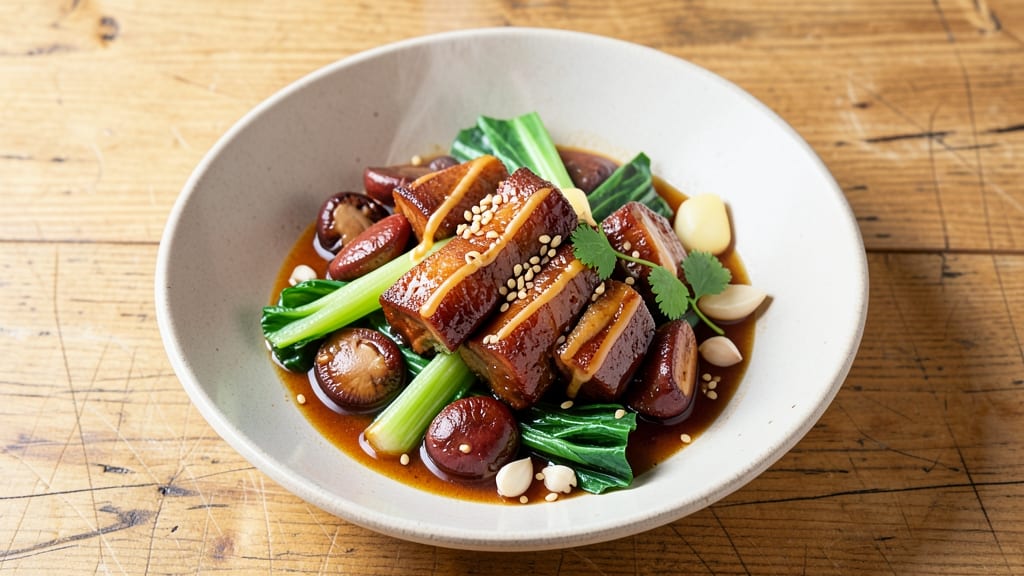
This Asian pork sauce recipe delivers a smoky-sweet glaze with layers of umami that elevate any dish—whether you're brushing it on ribs, drizzling over noodles, or tossing with stir-fry.
The secret lies in balancing traditional ingredients like soy sauce and hoisin with aromatic garlic and ginger, then reducing the mixture until it achieves that perfect sticky, glossy consistency. I developed this recipe after years of tinkering with store-bought versions that never quite captured the depth of restaurant-quality sauces.
The foundation starts with a simple simmer of soy sauce, hoisin, and vinegar, which creates the base flavor profile. Adding a touch of honey or brown sugar caramelizes during reduction, deepening the sauce's complexity, while a splash of rice vinegar brightens the richness.
For texture, a slurry of cornstarch ensures the sauce clings beautifully without becoming watery—no heavy cream or butter required.
What sets this sauce apart is its versatility. Use it as a glaze for grilled meats, a dipping sauce for dumplings, or a quick stir-fry finishing touch.
The smoky notes from a dash of five-spice powder or chili flakes add depth, while the umami from fermented ingredients like hoisin and soy sauce ensures every bite is satisfying. The result?
A sauce that's restaurant-quality at home, with just 10 minutes of active prep and 20 minutes of simmering.
Store it in an airtight container in the fridge for up to two weeks, or freeze for longer shelf life. The flavors only intensify over time, making this a pantry staple worth doubling. Once you taste the difference, you'll never go back to bottled versions again.
Ingredients for asian pork sauce
Ten ingredients transform into a restaurant-quality glaze that bridges smoky, sweet, and umami notes.
| Ingredient | Amount | Notes |
|---|---|---|
| Light Soy Sauce 🥢 | ½ cup | Kikkoman preferred for balance |
| Hoisin Sauce 🍶 | ⅓ cup | Store-bought or homemade |
| Rice Vinegar 💧 | ¼ cup | Seasoned for brightness |
| Honey 🍯 | ¼ cup | Wildflower preferred |
| Fresh Garlic Cloves 🧄 | 6 cloves | Minced for aromatic depth |
| Fresh Ginger Root 🌿 | 2 tbsp | Finely grated, peeled |
| Five-Spice Powder 🌶️ | 1 tsp | Toasted for smoky depth |
| Red Chili Flakes 🔥 | ½ tsp | Adjust for heat preference |
| Cornstarch 🌾 | 1 tbsp | Slurry with 2 tbsp water |
| Sesame Oil 🫒 | 1 tbsp | Toasted for nutty aroma |
The soy sauce and hoisin create the umami foundation—Kikkoman light soy and homemade or store-bought hoisin both work, but avoid low-quality brands with artificial aftertastes. Rice vinegar (seasoned for brightness) balances the sweetness, while honey caramelizes during reduction. For garlic and ginger, fresh is non-negotiable—pre-minced or jarred versions lack depth. Five-spice powder adds the signature smoky complexity; Penzeys or spice market blends deliver the most authentic flavor. Toast the powder lightly in a dry pan for 30 seconds before adding to intensify its aroma.
No hoisin? Substitute 1 tbsp soy sauce + 1 tbsp tomato paste + 1 tsp brown sugar for a close approximation. Sesame oil can be omitted if you dislike its strong flavor, but it adds a nutty richness. Cornstarch slurry is critical for texture—arrowroot powder works too, but cornstarch gives the classic sticky consistency. For heat, red pepper flakes are adjustable; gochujang paste (1 tsp) adds fermented depth if available. Brown sugar can replace honey in a 1:1 ratio, though it lacks the floral notes. If time is tight, pre-minced garlic (from a jar) works, but fresh minced garlic is superior.
This sauce thickens as it cools, so stir before each use. Store in an airtight glass jar in the fridge for up to 2 weeks—flavors deepen over time. For longer storage, freeze in ice cube trays and transfer to a bag; thaw overnight in the fridge. Double the batch for pantry staples—it disappears quickly. The sauce reheats beautifully; simmer gently if it thickens too much, adding 1 tsp water at a time. Never boil after initial reduction, or it may separate.
Why You'll Love This Recipe
- Pantry Magic: I swear by this sauce—no specialty ingredients, just what’s already hiding in my cabinet. That jar of hoisin and bottle of rice vinegar? They’re the secret weapons turning basic pork into something special.
- Sweet-Savory Balance: The honey and garlic cloves make this sauce ridiculously good—sticky, tangy, and just a little sweet. It’s the kind of flavor that sticks with you, even after the last bite.
- Weeknight Hero: Between us, this is my go-to for busy nights. Toss it with stir-fried pork, slather it on rice bowls, or even drizzle it over noodles—it’s the one sauce that never lets me down.
- Budget-Friendly Staple: A little goes a long way, and it keeps for days in the fridge. Honestly, I’ve made this sauce twice with the same batch—it’s that good, and that practical.
Step-by-step instructions for Asian pork sauce
This balanced glaze delivers perfect harmony between smoky depth and sweet brightness every time.
Toast the Spices for Maximum Flavor
Heat a dry skillet over medium heat and add the 1 teaspoon five-spice powder. Toast for 30-45 seconds until fragrant and slightly darkened—this unlocks the powder's complex aroma profile. Immediately transfer to a small bowl and set aside. In the same skillet, add the 1 tablespoon sesame oil and heat for 10 seconds until shimmering but not smoking.
This toasting step is non-negotiable. The five-spice powder develops its signature smoky depth when toasted, while heating the sesame oil enhances its nutty aroma. Don't skip it—this is where the sauce's depth begins. The oil should smell rich and toasty, with no burnt aroma developing.
Build the Aromatic Base
Add the 6 cloves minced fresh garlic cloves and 2 tablespoons finely grated fresh ginger root to the warm sesame oil. Sauté for 1-2 minutes until the garlic becomes translucent and the ginger loses its raw bite. You'll smell the garlic soften and the ginger mellow—this is your cue to move quickly before they burn.
I like to use a wooden spoon here to gently stir the aromatics. They should sizzle but not brown. If they start to darken too quickly, reduce heat to medium-low. These aromatics form the flavor foundation, so don't rush this step. The mixture should smell vibrant and fresh, not bitter.
Combine Wet Ingredients
Increase heat to medium and add the 0.5 cup light soy sauce, 0.33 cup hoisin sauce, 0.25 cup rice vinegar, and 0.25 cup honey. Stir vigorously to combine, then add the toasted five-spice powder and 0.5 teaspoon red chili flakes. Bring to a gentle simmer, then reduce heat to maintain a slow bubble.
The sauce should look glossy and slightly thickened at this stage. If it's too thin, simmer uncovered for 2-3 minutes to reduce slightly. Taste and adjust seasoning—this is where you can compensate for any imbalances. The sauce should be tangy from the vinegar, sweet from the honey, and subtly spicy from the chili flakes.
Thicken the Sauce Properly
In a small bowl, whisk together the 1 tablespoon cornstarch with 2 tablespoons water to create a smooth slurry. Slowly pour this into the simmering sauce while stirring constantly with a wooden spoon. The sauce will thicken immediately—keep stirring for 1-2 minutes until it reaches a glossy, syrupy consistency.
This is the most critical thickening step. The sauce should coat the back of a spoon and leave a slight trail when drizzled. If it's still too thin, you can add another ½ teaspoon cornstarch mixed with 1 teaspoon water, but don't over-thicken or the sauce will become gluey. The perfect texture should be thick enough to cling to pork but still flow gracefully.
Finish and Rest for Optimal Flavor
Remove the sauce from heat and let it rest for 5-10 minutes at room temperature. This resting period allows the flavors to meld and the sauce to thicken slightly more. Taste again and adjust seasoning if needed—you might want to add a touch more honey for sweetness or rice vinegar for brightness.
The sauce should now have a perfect balance of smoky depth from the five-spice, sweetness from the honey, tang from the rice vinegar, and umami from the soy and hoisin. The texture should be smooth with a slight sheen. If you're using this sauce immediately, you can proceed. For best results, refrigerate for up to 3 days or freeze for 3 months, re-heating gently before use.
Pro Tips For Making Asian Pork Sauce
- MINCE GARLIC FINE: I learned this the hard way—using whole cloves or rough minced garlic leaves you with noticeable chunks in the sauce. Pulse 3-4 cloves in a food processor for 2 seconds, then hand-chop the rest for a uniform, silky texture that blends right in.
- SIMMER LOW AND SLOW: This sauce isn’t a race. After adding the honey and vinegar, reduce heat to actual low—just above a simmer—and let it bubble gently for 8-10 minutes. Rushing it turns the honey grainy and the flavors flat.
- SALT TEST FIRST: Hoisin and soy sauce vary wildly in saltiness. Taste the sauce before adding honey, then adjust with a pinch of salt—some brands need it, others don’t. Honey’s sweetness masks salt, so trust your taste, not the recipe.
- DEGLAZE WITH VINEGAR: After cooking the pork (if using), don’t just add sauce—deglaze the pan with 1 tablespoon rice vinegar first. It lifts the browned bits, adding depth without making the sauce watery. Skip this, and you’re missing a layer of flavor.
Storing and reheating this asian pork sauce
Fridge Storage Essentials
Transfer your cooled sauce to an airtight glass jar—I prefer Le Parfait 16-ounce jars for their seal—and store it in the fridge for up to 2 weeks. The glass preserves flavor better than plastic, and the airtight seal prevents contamination.
I always label mine with the date to track freshness. The sauce actually improves as it rests, developing deeper umami and caramelized notes. 💛
Freezer Preservation
For longer storage, freeze the sauce in ice cube trays—this makes portion control easy for future use. Once frozen, transfer the cubes to a quart-sized freezer bag, squeezing out excess air to prevent freezer burn. The sauce keeps its quality for 3 months this way.
When ready to use, thaw overnight in the fridge or quickly in a bowl of warm water for 10-15 minutes. Never microwave frozen sauce directly, as it can separate.
Reheating Methods
To reheat fridge-stored sauce, transfer it to a small saucepan and warm over low heat with 1-2 tablespoons water to restore its glossy consistency. Stir constantly to prevent scorching—this sauce thickens further when cold.
If it becomes too stiff, add water 1 teaspoon at a time until it reaches a smooth, drizzling texture. For microwave reheating, use 30-second intervals on low power, stirring between each, until warmed through. 🔥
Texture Adjustments
If your reheated sauce is too thick, thin it with rice vinegar or water—I find 1 teaspoon at a time works best. For extra shine, add ½ teaspoon toasted sesame oil before serving.
If it's too thin after reheating, simmer uncovered for 1-2 minutes to reduce. The key is patience: let the sauce come to room temperature before adjusting, as cold sauce behaves differently than warm.
Long-Term Flavor Tips
For maximum flavor development, store the sauce in the fridge for 3-5 days before using it. The ingredients meld more completely during this time, creating a richer umami profile. If you notice the surface forming a skin, simply stir it back into the sauce—it won't affect quality.
For restaurant-quality results, let the sauce sit at room temperature for 30 minutes before using it on hot dishes like grilled pork. ✨
Nutrition facts
Frequently asked questions
Can I make this sauce without hoisin?
Yes! For a close substitute, mix 1 tablespoon soy sauce with 1 tablespoon tomato paste and 1 teaspoon brown sugar. This combo mimics hoisin's sweet-savory profile while keeping the sauce's depth. The texture may be slightly thinner, so you might need an extra ½ teaspoon cornstarch to achieve the same cling.
How do I adjust the heat level?
Start with the 0.5 teaspoon red chili flakes as written, but you can easily adjust. For mild heat, reduce to ¼ teaspoon or omit entirely. For extra spice, add ½ teaspoon gochujang paste (Korean fermented chili) or 1 teaspoon sriracha at the end. Always taste before serving!
Why did my sauce separate when reheating?
Sauce separation happens when reheated too quickly or with too much liquid. To fix it, gently warm the sauce in a saucepan over low heat with 1 teaspoon water at a time, stirring constantly until smooth. For prevention, store the sauce in a glass jar (not plastic) and avoid freezing if possible. The cornstarch slurry is key—always whisk it thoroughly before adding!
What's the best way to use this sauce?
This versatile glaze works best on grilled pork chops, stir-fried noodles, or as a dipping sauce for dumplings. For meats, brush on during the last 5 minutes of cooking to prevent burning. Toss with cold noodles just before serving, or drizzle over steamed rice with a sprinkle of sesame seeds. The sauce also makes an excellent marinade—just reduce the cornstarch to ½ tablespoon for a thinner consistency.
Can I make this sauce vegan?
Swap the honey for agave syrup and use tamari (gluten-free soy sauce) instead of regular soy sauce. For hoisin, opt for a vegan version or make your own with soy sauce, tomato paste, and dates. The five-spice powder and sesame oil remain vegan-friendly. The resulting sauce will have the same rich, umami depth without animal products.