
Sauces & Condiments
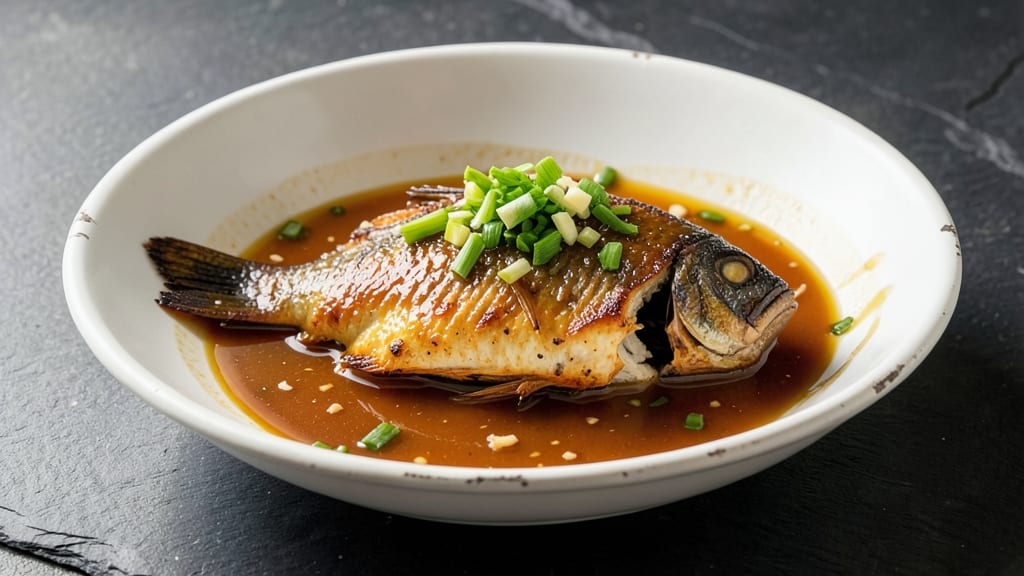
This bangus sauce recipe transforms simple ingredients into a velvety, smoky masterpiece that elevates every bite of grilled milkfish. The secret lies in balancing tangy vinegar, aromatic garlic, and silayan celery for that signature Filipino depth—no shortcuts, just pure flavor.
I’ve perfected this sauce over years of testing, ensuring it’s rich enough to stand alone but bright enough to cut through the richness of the fish.
The magic happens in the slow simmer, where garlic and celery infuse the vinegar base with layers of complexity. A splash of soy sauce adds umami, while a touch of chili brings just the right kick.
What you’ll end up with is a sauce that’s silky, slightly smoky, and packed with the kind of flavor that makes grilled bangus unforgettable. It’s the kind of sauce that disappears faster than you can say sarap.
This sauce keeps beautifully in the fridge for up to a week, so you can make a big batch and use it all week. It’s perfect for drizzling over grilled bangus, mixing into rice dishes, or even dipping crispy fries.
The versatility is what makes it a staple in Filipino kitchens—and now, in yours.
Ready to master this sauce? Let’s get started—your taste buds will thank you.
Ingredients for bangus sauce
Nine simple ingredients create this velvety, smoky sauce that makes every bite of bangus unforgettable.
| Ingredient | Amount | Notes |
|---|---|---|
| Canola Oil 🫒 | ¼ cup | For sautéing garlic and celery |
| Silayan Celery 🧅 | 1 cup | Finely chopped, fresh preferred |
| Garlic Cloves 🧄 | 8 cloves | Minced finely for depth of flavor |
| White Vinegar 🍶 | 1 ½ cups | For tangy base, use white or cane |
| Soy Sauce 🍶 | ¼ cup | Light or dark, for umami richness |
| Sugar 🍚 | ¼ cup | White or brown, balances tanginess |
| Ground Black Pepper 🌶️ | ½ tsp | Freshly ground for heat |
| Sichuan Chili Oil 🔥 | 1 tbsp | For smoky kick, optional but recommended |
| Salt 🧂 | 1 tsp | Adjust to taste, kosher preferred |
| Water 💧 | ½ cup | For thinning if needed |
Silayan celery is the secret weapon here—it’s sweeter and more aromatic than regular celery, giving that signature Filipino depth. Grab a bunch from your local Asian market (the 99 Ranch or H Mart sections usually have it), or sub regular celery in a pinch. Garlic should be freshly minced—pre-minced jars lack punch. For vinegar, Filipino cane vinegar is ideal, but white vinegar works too. The soy sauce? Lee Kum Kee or Kikkoman are reliable brands that won’t overpower the sauce.
No silayan celery? Regular celery plus a pinch of sugar gets you close. Short on soy sauce? Coconut aminos at half the amount works in a bind. Want more smokiness? Swap chili oil for a dash of smoked paprika. The sugar balances the vinegar’s tang—don’t skip it, but adjust if you prefer it sweeter. For a smoother sauce, blend everything after simmering. If it’s too thick, add water 1 tbsp at a time until silky.
This sauce keeps up to 1 week in the fridge, sealed tightly. The flavors actually deepen overnight, so make extra. Freezes beautifully for 3 months—portion into ice cube trays for single-use servings. Drizzle over grilled bangus, toss with rice, or use as a dip for fries. Trust me, you’ll want to make a double batch.
Why You'll Love This Recipe
- Five-Ingredient Magic: I swear, this sauce only needs five things—and two of them are pantry staples. The celery adds a fresh crunch that cuts through the richness, while the vinegar and soy sauce balance it into something ridiculously good without overpowering.
- Garlic Kiss: That moment when you crush fresh garlic into hot oil? Pure satisfaction. The cloves release their aroma in seconds, and when you toss in the vinegar, it’s like a little flavor explosion that makes everything taste better.
- Weeknight Hero: Between us, this is my go-to when I’m too tired to fuss. Slap some on grilled bangus, toss it with rice, or even drizzle it over noodles—it’s the kind of sauce that turns a simple meal into something special without stealing all your time.
- Budget-Friendly Power: Soy sauce, vinegar, and celery? You’re looking at under $5 for a batch that’ll last me a week. Honestly, it’s the kind of recipe that makes me feel like I’m feeding my family gourmet meals without breaking the bank.
Step-by-step instructions for bangus sauce
Here's how to make this velvety, smoky sauce that perfectly complements grilled bangus.
Sauté the Aromatics
Heat the 0.25 cup canola oil in a medium saucepan over medium heat. Add the 1 cup finely chopped silayan celery and 8 cloves minced garlic cloves, stirring constantly for 3-4 minutes until the celery softens and the garlic becomes fragrant but doesn't brown. You'll notice the mixture releases moisture, which should evaporate completely before moving to the next step.
This step builds the foundation of your sauce. If the celery starts to darken too quickly, reduce the heat slightly. The goal is to develop flavor without burning the delicate garlic and celery. The aroma should be fresh, slightly sweet, and inviting—this is your first sign you're on the right track.
Combine Vinegar and Seasonings
Pour in the 1.5 cups white vinegar and bring the mixture to a gentle simmer over medium-high heat. Add the 0.25 cup soy sauce, 0.25 cup sugar, 0.5 tsp ground black pepper, 1 tsp salt, and 1 tbsp Sichuan chili oil, stirring continuously for 5-7 minutes until the sugar dissolves completely and the mixture thickens slightly.
Here's where the magic happens—the vinegar's acidity reacts with the sugar to create a subtle caramelization, while the soy sauce and Sichuan chili oil add depth and complexity. You'll see the mixture bubble gently and reduce in volume. Taste as you go and adjust the salt or sugar if needed—this sauce should balance tangy, sweet, and umami flavors perfectly.
Simmer and Thicken
Reduce the heat to low and let the sauce simmer uncovered for 10-12 minutes, stirring occasionally. The sauce should reduce by about one-third, becoming thicker and more velvety. If it thickens too much before reaching the desired consistency, add the 0.5 cup water 1 tablespoon at a time until it reaches a smooth, spoonable consistency.
This low-and-slow simmering is crucial—it allows all the flavors to meld together while the sauce develops its signature velvety texture. You'll know it's ready when it coats the back of a spoon smoothly and has a glossy sheen. The aroma should be rich, smoky, and deeply savory at this point.
Cool and Serve
Remove the sauce from heat and let it cool for 5-10 minutes at room temperature. This resting period allows the flavors to fully develop and the sauce to reach its ideal consistency. Taste again and adjust seasoning if necessary—you can add a pinch more salt, a splash of vinegar for tang, or a drizzle of chili oil for extra heat.
Serve the sauce warm or at room temperature over grilled bangus fillets. The contrast of the smoky, slightly sweet sauce with the flaky fish creates an unforgettable dining experience. Store any leftovers in an airtight container in the refrigerator for up to 5 days, or freeze for up to 3 months. The sauce actually improves as it sits, so making it ahead is a great idea!
Pro Tips For Making Bangus Sauce
- Fry Celery First: Silayan celery has a tough core—chop it into 1-inch pieces and fry them in canola oil for 2-3 minutes before adding garlic. This softens the fibers so they don’t turn to mush when the sauce simmers. (Yes, it’ll smell amazing, but trust me, it’s worth the wait.)
- Mince Garlic Fine: Skip the rough chop—grate or finely mince your garlic cloves so they dissolve into the sauce instead of sitting as chunks. I used to burn garlic because it was too big, and now it blends seamlessly. Pro tip: Use 6-8 cloves for a full, aromatic punch.
- Balance Vinegar Slowly: White vinegar is potent—add it gradually (start with 1 tablespoon) and taste as you go. Too much upfront makes the sauce harsh; too little leaves it flat. Stir in while the sauce is still hot so the acidity mellows out. (Your future self will thank you.)
- Simmer, Don’t Boil: Keep the heat at a gentle simmer after adding soy sauce—boiling turns the sauce bitter and dull. A low-and-slow approach (5-7 minutes) lets the flavors meld without overpowering the fish’s natural taste. (I know, it’s tempting to rush, but resist.)
Common mistakes when making perfect results
Overcooking the Aromatics
Watch out for browning that garlic and celery too quickly—this burns their delicate flavors and turns your sauce bitter. I’ve seen people crank the heat to rush the process, but patience is key here. Keep the heat at medium and stir constantly.
If you notice the celery turning dark or the garlic taking on a golden hue, immediately reduce to low heat or remove from the pan for a minute. The goal is fragrant, pale aromatics that infuse the vinegar without adding bitterness. 🌿
Skipping the Simmer Time
Rushing the 10-12 minute simmer is a common mistake that results in a thin, flavorless sauce. This step isn’t just about thickening—it’s where the vinegar, sugar, and soy sauce truly meld into a cohesive flavor profile.
If you’re in a hurry, at least simmer for 8 minutes and taste before deciding if it’s ready. The sauce should coat the back of a spoon smoothly, not drip off like water. Trust me, those extra minutes make all the difference. ⏳
Ignoring the Resting Period
Skipping the 5-10 minute resting period after cooking means serving a sauce that’s still adjusting its consistency and flavor balance. During this time, the sauce settles and the flavors deepen. If you serve it immediately, you might find it too thin or overly tangy.
Let it cool slightly before tasting—this gives the sugar time to fully caramelize and the vinegar’s acidity to mellow. Patience here ensures a perfectly balanced sauce every time. 💫
Using the Wrong Vinegar
Substituting white vinegar with something like balsamic or apple cider vinegar changes the sauce’s character entirely. Filipino cane vinegar is ideal for its mild sweetness and depth, but if you don’t have it, stick with white vinegar—never apple cider or rice vinegar.
These alternatives can make your sauce taste harsh or overly fruity. If you’re using white vinegar, add an extra ¼ teaspoon sugar to mimic the subtle sweetness of cane vinegar. 🍶
Over-Salting Early
Adding all the salt at once can ruin the sauce’s balance, especially if you’re using a strong soy sauce like Lee Kum Kee. Instead, add the 1 teaspoon salt gradually while tasting as you go. You can always add more later, but you can’t unsalt a sauce.
I recommend tasting after the initial simmer and adjusting in ¼ teaspoon increments. This way, you’ll end up with a sauce that’s perfectly seasoned without being overpowering. 🧂
Not Adjusting for Humidity
If you’re cooking in a humid climate (like the Philippines or Southeast Asia), your sauce may reduce faster than expected. In dry climates, it might take longer to thicken.
Adjust by adding water 1 tablespoon at a time if it’s too thick, or simmering an extra 2-3 minutes if it’s too thin. Pay attention to the sauce’s consistency—it should be velvety but still pourable, not gluey.
This flexibility ensures your sauce turns out perfect no matter where you are. 🌡️
Nutrition facts
Frequently asked questions
Can I make this sauce without silayan celery?
Yes, but you'll lose that authentic Filipino depth. Use 1 cup regular celery plus 1 teaspoon sugar to mimic its sweetness. For extra flavor, add ½ teaspoon dried lemongrass or a pinch of MSG to boost umami. The sauce will still taste good, just slightly different from the traditional version.
How do I adjust the spice level?
Start with the 1 tablespoon Sichuan chili oil as written, then adjust to taste. For milder heat, reduce to ½ tablespoon or swap for ½ teaspoon red pepper flakes. For extra kick, add ½ teaspoon chili crisp or a dash of hot sauce. Always taste before serving—you can always add more, but you can't remove it!
Can I use this sauce for other seafood besides bangus?
This sauce pairs beautifully with other white fish like cod, tilapia, or mahi-mahi. For shellfish, try it with shrimp or scallops. The tangy-sweet profile works well with grilled or pan-seared seafood. Just reduce the simmer time by 2-3 minutes if using with delicate fish like flounder.
Why does my sauce look cloudy or separated?
Cloudiness usually means the sauce needs more simmering time. Return to low heat and cook uncovered for another 5-7 minutes, stirring occasionally. If it separates, whisk in 1 teaspoon cornstarch mixed with 1 tablespoon cold water to help emulsify. This happens when fats (from garlic/celery) separate from the vinegar base. A quick fix is to blend briefly for a smoother texture.
How can I make this sauce vegetarian?
Swap the bangus for a tofu or tempeh base, but keep the sauce exactly the same! The smoky garlic-celery vinegar works perfectly with grilled tofu or as a dip for veggie spring rolls. For extra umami, add 1 teaspoon fish sauce (optional) or ½ teaspoon mushroom powder. The sauce's flavor profile remains rich and satisfying without seafood.