
Sauces & Condiments
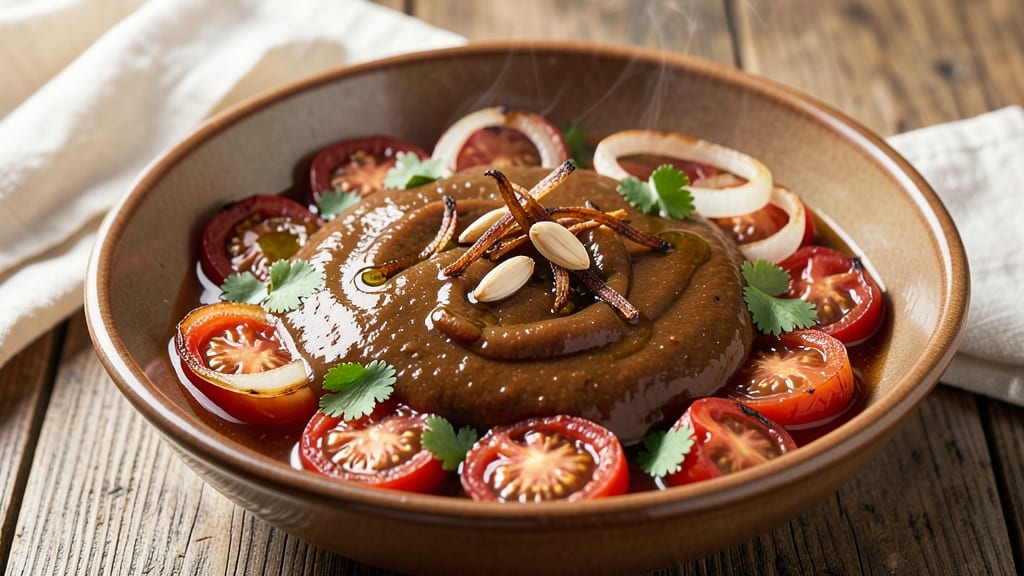
This ancho chile enchilada sauce delivers the perfect balance of smoky depth and bright acidity that elevates every enchilada, taco, or dip. The secret lies in roasting the ancho chiles until they develop that rich, caramelized flavor—no shortcuts here.
What sets this sauce apart is the careful blend of vinegar and broth, which cuts through the smokiness while preserving the chile's natural sweetness.
Start with dried ancho chiles, which you'll toast and soak to soften before blending with tomatoes, garlic, and spices. The sauce simmers until thick and velvety, with just enough body to cling to tortillas or coat proteins.
Professional chefs rely on this technique to create restaurant-quality results at home—no fancy equipment required.
What you'll end up with is a sauce that's rich enough for enchiladas but versatile enough for dipping or drizzling. The smoky aroma alone will have your kitchen smelling like a Mexican cantina, while the subtle vinegar brightness keeps each bite from feeling too heavy.
Store leftovers in the fridge for up to a week or freeze for months.
Perfect for stuffing enchiladas, topping tacos, or serving as a dip with warm tortilla chips. The sauce's depth of flavor makes it a pantry staple worth making ahead—you'll find yourself reaching for it again and again.
Ingredients for ancho chile enchilada sauce
Nine ingredients transform into velvety sauce that turns enchiladas into a restaurant-worthy experience.
| Ingredient | Amount | Notes |
|---|---|---|
| Dried Ancho Chiles 🌶️ | 4 whole | Stems and seeds removed |
| Roma Tomatoes 🍅 | 2 whole | Ripe but firm, peeled |
| White Onion 🧅 | 1 whole | Medium size, chopped |
| Garlic Cloves 🧄 | 3 cloves | Peeled, slightly crushed |
| Apple Cider Vinegar 🍋 | ¼ cup | For brightness balance |
| Chicken Broth 💧 | 2 cups | Low-sodium preferred |
| Olive Oil 🫒 | ½ cup | Extra-virgin for richness |
| Ground Cumin 🌿 | 1 tsp | Toasted for depth |
| Dried Oregano 🍃 | 1 tsp | Mexican preferred |
| Salt 🧂 | 1 tsp | Kosher or sea salt |
The ancho chiles are non-negotiable—they carry that signature smoky depth. La Tienda or Mexican markets usually have the best selection, but any grocery store with a Latin aisle works. Look for chiles that are plump and dry, not brittle or shriveled. Toast them in a dry skillet until fragrant and slightly charred—this step makes all the difference. I always buy extra because they keep for months in a cool, dark place. The Roma tomatoes? Heirloom or vine-ripened add more complexity, but regular Roma work just fine. If you can't find fresh ones, San Marzano canned tomatoes are the next best thing—just drain them well.
No ancho chiles? Pasilla or guajillo chiles work in a pinch, but they'll give a slightly different flavor profile. Fresh tomatoes? Roast them first for 10 minutes to concentrate the flavor. Short on vinegar? Lime juice at half the amount adds zing, though it won't have the same tang. The chicken broth can be swapped for vegetable broth if preferred, but keep it low-sodium. For extra richness, add 1 tbsp of tomato paste to the blend. And if you're feeling fancy, toast the cumin seeds whole before grinding them—game changer for depth.
This sauce tastes even better the next day as the flavors meld. Store it in the fridge for up to 1 week in an airtight container, or freeze for 3 months in portions. I like to freeze it in ice cube trays for easy single-use servings—just pop one into a saucepan and warm it up. The sauce thickens as it cools, so add a splash of broth if it gets too stiff. Trust me, you'll want to make a double batch—this sauce disappears fast.
Why You'll Love This Recipe
- No Soak Needed: I toss the dried ancho chiles straight into the pot—no waiting, no fuss. That smoky depth develops as they simmer, and honestly? The shortcut doesn’t skimp on flavor. (Between us, my first batch had me overthinking it, but now I just dump and stir.)
- Smoky-Sweet Balance: The ancho’s earthy heat meets the bright acidity of apple cider vinegar and the natural sweetness of Roma tomatoes—it’s like a hug for your taste buds. That crisp garlic finish? The kind of flavor that makes you reach for the tortillas before the sauce even cools.
- Weeknight to Party: Same sauce works for enchiladas on Tuesdays or tacos at a Sunday brunch. Freeze half for lazy days, and the leftovers? Still taste like you slaved over them. (My roommate’s favorite, and he’s a picky eater.)
- Pantry Magic: Five ingredients, zero specialty items. The vinegar cuts costs, the onions and garlic stretch across meals, and those dried chiles? Last me months. It’s the kind of recipe that turns a $10 grocery run into a restaurant-worthy dinner.
Step-by-step instructions for ancho chile enchilada sauce
Here's how to build a rich, balanced sauce with smoky depth and bright vinegar notes.
Toast and Rehydrate the Ancho Chiles
Heat a dry skillet over medium heat. Add the 4 whole dried ancho chiles and toast them for 30 seconds per side until fragrant and slightly puffed. This step deepens their natural smokiness—don't let them burn, just warm through.
Transfer the toasted chiles to a heatproof bowl and pour in 2 cups of hot chicken broth. Let them soak for 15 minutes until completely softened. The broth will turn a deep ruby color as the chiles release their rich, earthy flavors. This rehydration step is crucial for extracting maximum flavor from the dried peppers.
Sauté the Aromatic Base
In a large saucepan, heat 0.5 cup of olive oil over medium heat. Add the chopped white onion and cook for 5-6 minutes until softened and translucent. You'll smell the sweetness develop—this is your cue to add the slightly crushed garlic cloves and cook for another 30 seconds until fragrant.
Here's where the magic happens: stir in the 1 teaspoon of ground cumin and 1 teaspoon of dried oregano, toasting them in the oil for 10 seconds until you can smell their warm, earthy aromas. This quick toasting prevents the spices from tasting raw and sharp in the finished sauce.
Blend the Sauce Components
Using a slotted spoon, transfer the rehydrated ancho chiles (with their soaking liquid) to a blender. Add the 2 peeled Roma tomatoes, 0.25 cup of apple cider vinegar, and 1 teaspoon of salt. Blend until completely smooth, scraping down the sides as needed. The vinegar might seem like too much at first, but trust me—it balances the richness beautifully.
Strain the blended mixture through a fine-mesh sieve into your saucepan with the sautéed aromatics. This step removes any fibrous texture while keeping all the flavorful liquid. The strained sauce should be deep red with a velvety consistency—this is your foundation for building the perfect enchilada sauce.
Simmer and Refine the Sauce
Return the saucepan to medium-low heat and bring the sauce to a gentle simmer. Let it cook uncovered for 10-12 minutes, stirring occasionally, until it reduces slightly and thickens to a consistency that coats the back of a spoon. You're looking for a sauce that's rich but still pourable—not too thick for rolling enchiladas.
Taste and adjust the seasoning if needed. The apple cider vinegar should add a bright, tangy note that cuts through the smokiness of the ancho chiles. If the sauce needs more depth, you can add a splash more chicken broth, but it should be balanced as is. This sauce is perfect for rolling enchiladas, dipping tortilla chips, or serving over refried beans.
Pro Tips For Making Ancho Chile Enchilada Sauce
- STEAM THE CHILES FIRST: I learned this the hard way—dry-roasting ancho chiles first makes them easier to peel, but if you skip steaming them afterward, you’ll waste time scraping off stubborn skins. Just cover them with boiling water for 10 minutes before peeling, and they’ll slide right off the stems like butter.
- CHAR THE TOMATOES: Don’t just toss those Roma tomatoes into the pot raw. Char them whole over an open flame (or under a broiler) until blackened in spots—this deepens the smoky, jammy flavor of the sauce. I know, it looks dramatic, but it’s the thing that matters most.
- SAUTE THE ONIONS LOW: After burning three batches of onions, I finally figured out: cook them slow and steady at medium-low heat. Rushing this step turns them bitter, and no one wants a sauce that tastes like ash. Patience here guarantees sweetness.
- ACIDIFY AT THE END: Hold off on adding the apple cider vinegar until the very last minute. If you toss it in too early, the tomatoes will break down into mush instead of holding their shape. Stir it in just before serving—your sauce will stay glossy and bright, not soupy.
Wine and beer pairings for this recipe
Red Wine Pairings
For this smoky, vinegar-bright sauce, I reach for a Mexican red blend like Casa Madero Reserva—its dark fruit and subtle earthiness complement the ancho chiles beautifully. The tannins in a Cabernet Sauvignon from Napa also work well, especially if you're serving enchiladas with a beef filling.
The wine's structure stands up to the sauce's richness while letting its bright acidity shine through. 🍷
White Wine Options
Don't overlook whites! A crisp Verdejo from Spain or a Chenin Blanc with slight oak adds surprising balance to the sauce's complexity. The wine's citrus notes mirror the apple cider vinegar, while its acidity cuts through the smokiness.
I love pairing this with a Mexican-style shrimp tostada—the wine's minerality makes every bite sing.
Mexican Lager Pairings
For beer lovers, a Mexican lager like Modelo Especial or Pacifico is my go-to. The beer's clean, slightly malty profile lets the sauce's flavors take center stage without competing.
The carbonation also helps cleanse your palate between bites, making it perfect for taco nights. Pro tip: Chill your beer to 40-45°F—too warm and the flavors get muddy.
Spiced Rum Cocktails
Want to elevate your sauce experience? Try a spiced rum cocktail like a Mexican Mule (rum, ginger beer, lime) or a Chamoy Margarita (tequila, chamoy, lime). The rum's caramel and cinnamon notes harmonize with the ancho chiles, while the cocktail's acidity mirrors the vinegar.
Serve it alongside your enchiladas for a fiesta-worthy pairing. 🍹
Non-Alcoholic Options
For those skipping alcohol, a ginger-lime soda (like Jarritos Tamarindo or Fever-Tree Ginger) works surprisingly well. The ginger's heat complements the smoky sauce, while the lime's acidity brightens each bite. I also love Mexican horchata—its sweet, cinnamon-rich flavor provides a perfect contrast to the sauce's depth.
Regional Beer Variations
If you're serving this sauce in different regions, adapt your beer pairings: Mexican craft IPAs (like Tecate IPA) work great in California, while Belgian witbiers (with their citrus notes) shine in the Midwest.
For Texas, a smoked beer like Lone Star Smoked Porter adds a complementary smokiness that echoes the ancho chiles. 🍺
Nutrition facts
Frequently asked questions
Can I substitute ancho chiles with other dried peppers?
Yes! For a similar smoky profile, use pasilla or guajillo chiles in equal amounts. However, pasilla will be slightly sweeter while guajillo adds a touch of fruitiness. For extra heat, swap in mulato chiles, but reduce to 2-3 since they're hotter. Always toast them first to deepen their flavor.
Why does my sauce taste too vinegary?
This happens when the vinegar overpowers the other flavors. Balance it by adding 1-2 tablespoons of honey or brown sugar to sweeten the acidity. Alternatively, simmer the sauce uncovered for an extra 5 minutes to let the vinegar mellow. The sauce should have bright acidity, not sourness.
How do I adjust the thickness for rolling enchiladas?
The sauce should coat the back of a spoon but still be pourable. If too thick, whisk in 1-2 tablespoons of warm broth at a time. For extra richness, simmer uncovered for 5-10 minutes longer. The ideal consistency is like heavy cream—thick enough to cling to tortillas but still spreadable.
Can I make this sauce without a blender?
Finely chop the rehydrated chiles, tomatoes, and aromatics, then simmer everything together for 20-25 minutes until the mixture breaks down into a smooth paste. Strain through a fine-mesh sieve to remove any remaining texture. The flavor will be slightly less refined but still delicious.
What's the best way to reheat leftover sauce?
Gently warm the sauce in a saucepan over low heat, stirring frequently to prevent scorching. For microwave reheating, use 30-second intervals on medium power, stirring between each. Never boil—this can make the sauce too thick or split the oil. A splash of warm broth helps restore the original consistency.