
Sauces & Condiments
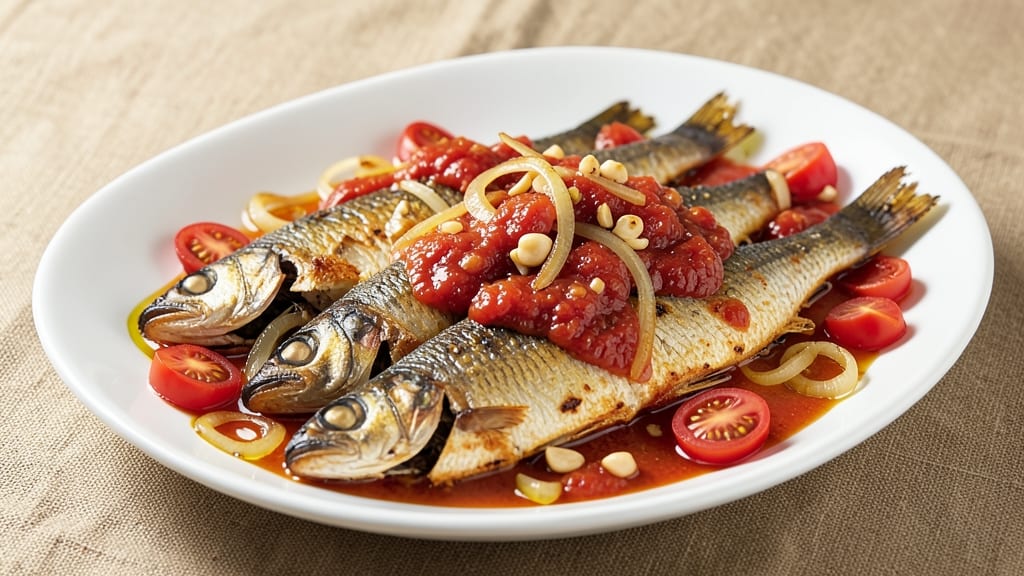
Bangus sardines in tomato sauce delivers that perfect balance of crispy skin and a sweet-tangy sauce that makes every bite unforgettable. This Filipino classic transforms simple ingredients into a restaurant-worthy dish with just the right amount of garlic, onions, and tomatoes simmered to perfection.
The secret lies in filleting the fish properly and cooking it gently to preserve that delicate texture while achieving a golden, crispy exterior.
What sets this recipe apart is the harmony of flavors—bright tomatoes, aromatic garlic, and a touch of sweetness that complements the fish beautifully. The sauce isn't just a side; it's the star, clinging to the fish and infusing every bite with rich, savory depth.
With just a few simple steps, you'll achieve a dish that feels both nostalgic and fresh, perfect for a comforting family meal or a special gathering.
The result is tender, flaky bangus with skin that's crispy enough to hold its shape, all swimming in a glossy, aromatic tomato sauce. Serve it over steamed rice or with sautéed vegetables to round out the meal.
The dish is simple yet impressive, proving that even the most traditional recipes can feel like a gourmet creation with the right technique.
This recipe is designed to be approachable, whether you're a seasoned home cook or just starting out. The key is patience—letting the sauce develop its flavors and the fish cook just enough to stay tender.
Once you master this dish, you'll have a go-to recipe that brings a taste of Filipino comfort food to your table, anytime.
Ingredients for bangus sardines in tomato sauce
Simple ingredients for a dish that feels like a restaurant favorite—crispy skin and sauce that clings perfectly.
| Ingredient | Amount | Notes |
|---|---|---|
| Fresh Bangus Sardines 🐟 | 1 ½ lb | Whole, cleaned and filleted |
| Yellow Onions 🧅 | 1 whole | Medium-sized, thinly sliced |
| Garlic Cloves 🧄 | 6 cloves | Minced for aromatic base |
| Canned Tomato Sauce 🍅 | 1 can | 28 oz, San Marzano preferred |
| Tomatoes 🍅 | 2 whole | Medium, diced for sauce |
| Olive Oil 🫒 | ½ cup | Extra-virgin for frying |
| Salt 🧂 | 1 ½ tsp | Kosher or sea salt |
| Black Pepper 🌶️ | ½ tsp | Freshly ground preferred |
| Sugar 🍚 | 1 tbsp | White or brown sugar |
| Bay Leaves 🌿 | 2 whole | Dried, for aromatic depth |
| White Vinegar 💧 | 1 tbsp | For tangy brightness |
| Fresh Parsley 🌿 | ¼ cup | Chopped, for garnish |
| Steamed White Rice 🍚 | 2 cups | Cooked, for serving |
The bangus is everything here—look for fresh, whole fillets with silvery skin at your local Asian market or high-end grocery. If you can't find whole, pre-filleted bangus works too, but keep the skin intact for crispiness. The onions and garlic? Fresh is non-negotiable—dried or powdered won't give that sweet, caramelized depth. For the tomatoes, San Marzano cans are ideal, but any good-quality crushed tomatoes will do. The key is balancing sweetness and acidity, so taste as you go.
No San Marzano tomatoes? Crushed tomatoes in a can work fine—just drain the excess liquid. Fresh tomatoes can replace canned, but you'll need about 3 medium tomatoes, peeled and crushed. Running short on white vinegar? Lemon juice at double the amount gives similar brightness. The sugar is crucial for that sweet-tangy balance—brown sugar adds subtle molasses notes if you're feeling fancy. Prefer less sugar? Cut it to 1 teaspoon and add a pinch more salt. The bay leaves? Dried is fine, but fresh adds a more complex aroma.
This sauce gets better the next day—make extra and store it in the fridge for up to 5 days. The fish itself stays crispy for about 3 days if stored properly, wrapped tightly in parchment. For freezing, portion the sauce separately—it reheats beautifully. Serve over steamed rice, and if you've got leftovers, transform them into a quick fried rice the next day. The parsley garnish is optional, but it adds that fresh pop of color—skip it if you're short on time.
Why You'll Love This Recipe
- No-Fuss Pantry Staples: I swear by this recipe because it uses what I always have on hand—no last-minute grocery runs. The canned tomato sauce and fresh bangus (or even frozen fillets) mean I’m never stuck staring at an empty fridge, wondering what to cook.
- Salty-Sweet Magic: That crispy, slightly charred bangus with the tangy tomato sauce? It’s like a flavor explosion in your mouth. The garlic and onions caramelize just enough to balance the acidity, and the tomatoes add this bright, almost sweet contrast that makes every bite irresistible.
- Weeknight to Party Fix: I make this for lazy weeknights when I don’t want to fuss, but it’s also my go-to for gatherings. Serve it over rice for a simple meal, or pile it onto crusty bread for a crowd—it’s that adaptable. (Yes, even on a Tuesday night.)
- Budget-Friendly Leftovers: One batch stretches for three meals, and the sauce gets better the next day. I freeze extras in portions, so when I’m too tired to cook, I just reheat and serve—still tastes like I slaved over it. Plus, bangus is cheaper than most seafood, so my wallet thanks me.
Step-by-step instructions for bangus sardines in tomato sauce
Here's how to achieve perfectly crispy bangus with a rich, balanced tomato sauce every time.
Prepare the Sardines for Crispy Skin
Pat the 1.5 lb fresh bangus sardines completely dry with paper towels. This step is crucial—any moisture will prevent that golden crust we're after. I like to work with the fish whole for even cooking, but if your fillets are large, you can butterfly them slightly to ensure uniform thickness.
Season both sides generously with 1 tsp of the 1.5 tsp salt and a pinch of the 0.5 tsp black pepper. Let them sit at room temperature for 15 minutes while you prepare the sauce. This resting period ensures even cooking and better seasoning penetration. Don't skip this—cold fish from the fridge will cook unevenly.
Build the Flavorful Tomato Base
Heat 0.25 cup of the 0.5 cup olive oil in a large skillet over medium heat. Add the 1 whole yellow onions and cook for 5-6 minutes until softened but not browned. You want them translucent with just a hint of caramelization—this prevents bitterness in the final sauce.
Add the 6 cloves minced garlic cloves and cook for 30 seconds until fragrant. Immediately add the 1 tbsp sugar and stir to combine. The sugar will help balance the acidity of the tomatoes later. Pour in the 1 can tomato sauce and add the 2 whole diced tomatoes, 2 whole bay leaves, and 1 tbsp white vinegar. Bring to a gentle simmer and let cook uncovered for 10 minutes to allow flavors to meld.
Fry the Sardines to Golden Perfection
Increase heat to medium-high and add the remaining 0.25 cup olive oil to the skillet. When the oil shimmers (around 350°F), carefully add the seasoned sardines. Fry for 3-4 minutes per side until the skin becomes deep golden brown and crispy. You'll see the edges curl slightly—that's your signal they're ready.
Don't overcrowd the pan or the temperature will drop and you won't get that crispy texture. If needed, work in batches. Transfer the fried sardines to a plate and tent loosely with foil to keep warm while you finish the sauce.
Finish the Sauce and Combine
Return the skillet to medium heat and reduce the tomato mixture by simmering uncovered for 5-7 minutes until it thickens slightly. The sauce should coat the back of a spoon but still be loose enough to cling to the fish. Season with the remaining 0.5 tsp salt and 0.5 tsp black pepper to taste.
Gently place the crispy sardines back into the skillet, spooning sauce over them. Let everything heat through together for 2 minutes. The residual heat will create a glossy finish on the fish. Remove from heat and stir in the 0.25 cup chopped fresh parsley just before serving.
Serve Over Steamed White Rice
Divide the 2 cups steamed white rice among serving plates. Top each portion with 2-3 sardines and ladle generous amounts of the tomato sauce over the top. The crispy skin should contrast beautifully with the soft rice and rich sauce.
For best results, serve immediately while the sardines are still crispy. The sauce will continue to develop flavor as it sits, so if you need to hold it for a few minutes, keep it covered to maintain heat. Each bite should deliver that perfect combination of crispy texture, sweet-tangy sauce, and delicate fish flavor.
Pro Tips For Making Bangus Sardines In Tomato Sauce
- Sear the Fish First: Bangus falls apart if you toss it straight into the sauce. Hit the pan with a little oil first—medium-high heat, 2-3 minutes per side—until the skin crisps and the flesh just starts to flake at the edges. This keeps the texture firm and locks in flavor. (Yes, even if you’re impatient like me, resist the urge to rush this.)
- Slice Onions Thinly: I used to chop onions into big chunks, thinking it’d save time. Wrong. For this dish, you want them paper-thin—almost translucent—so they melt into the sauce without turning mushy. A sharp knife and a rocking motion work best. (Your future self will notice the difference in every bite.)
- Deglaze Aggressively: After searing the garlic and onions, don’t just splash in water or wine—scrape the browned bits off the pan with a wooden spoon first. Those bits pack flavor, and skipping this step means a duller sauce. A splash of fish stock or even a little soy sauce here makes a real difference.
- Simmer Low and Slow: Bangus cooks fast, but the sauce needs time to develop. Once everything’s in the pot, drop the heat to a gentle simmer—just enough to keep tiny bubbles breaking the surface. High heat will turn the sauce rubbery. (I learned this the hard way after one disastrous batch that looked like glue.)
Flavor customization for this dish
Sweet-Tangy Balance
Adjust the sugar to vinegar ratio to suit your taste—start with the 1 tbsp sugar and 1 tbsp vinegar called for, but taste as you go. For a sweeter profile, add another ½ tsp sugar and reduce vinegar by ½ tsp.
If you prefer more tang, swap in an extra ½ tsp vinegar and cut sugar by the same amount. I often use lemon juice instead of vinegar for a brighter finish—just double the amount. 🍋
Spicy Kick
Add ½ tsp chili flakes or 1-2 sliced Thai chilies to the simmering sauce for heat. For a smoky twist, stir in ½ tsp smoked paprika during the final 5 minutes of cooking.
If you love bold flavors, try 1 tsp sriracha mixed into the finished sauce—it adds depth without overpowering. Always taste first, as spice levels vary by brand.
Creamy Upgrade
For a richer sauce, stir in ¼ cup coconut milk during the last 3 minutes of simmering. The creaminess balances the acidity beautifully. Another option is 2 tbsp heavy cream—just add it at the very end to avoid curdling.
I also like ¼ cup grated Parmesan for a cheesy twist, especially if serving to kids or picky eaters.
Herb Variations
Swap the parsley for cilantro (about ¼ cup chopped) for a fresher, more vibrant flavor. For a Mediterranean touch, add 1 tsp dried oregano with the bay leaves.
If you love basil, stir in ¼ cup chopped fresh basil at the end—it pairs wonderfully with tomatoes. Each herb brings a distinct aroma that elevates the dish.
Smoky Depth
Infuse the sauce with smokiness by adding ½ tsp liquid smoke during the final 2 minutes of simmering. For a more authentic approach, char 1 minced garlic clove and 1 thin onion slice in a dry pan until blackened, then add them to the sauce.
This technique adds a subtle, complex smokiness that works surprisingly well with the bright tomato flavors. 🔥
Vegetable Boosters
Add ½ cup diced bell peppers or ½ cup sliced mushrooms when sautéing the onions for extra texture. For a heartier dish, stir in ½ cup cooked green beans or ¼ cup corn kernels during the final 5 minutes of cooking.
These additions not only bulk up the dish but also add natural sweetness that complements the sauce perfectly.
Nutrition facts
Frequently asked questions
Can I use frozen bangus instead of fresh?
Fresh bangus gives the best texture, but frozen works in a pinch! Thaw the fish overnight in the fridge and pat it completely dry before cooking. For extra crispiness, let it sit at room temperature for 10 minutes after thawing. Avoid using frozen fish that's been thawed at room temperature—it can make the meat mushy.
How do I know when the sauce is ready?
The sauce should coat the back of a spoon but still be loose enough to cling to the fish. Simmer until it reduces slightly (5-7 minutes) and thickens enough to hold its shape when drizzled. If it's too thin, cook uncovered for another 2-3 minutes—just don't let it boil or it may break down the tomatoes.
What if my bangus skin isn't crispy?
Undercooked skin? Fry for 1-2 extra minutes per side until golden brown. Overcrowding the pan lowers oil temperature—work in batches if needed. For extra crispiness, sprinkle ½ tsp cornstarch on the fish before frying. Also ensure the fish is completely dry before cooking.
Can I make this sauce ahead of time?
The sauce actually tastes better the next day as flavors meld. Store it in an airtight container in the fridge for up to 5 days. Reheat gently on low heat, then add the fried bangus just before serving. For longer storage, freeze the sauce (without fish) for up to 3 months—thaw and reheat before using.
What sides pair well with this dish?
Steamed white rice is classic, but try garlic sautéed greens or roasted potatoes for variety. For a lighter option, serve with a fresh mango salad to balance the richness. The sweet-tangy sauce also works beautifully with crusty bread for dipping.