
Sauces & Condiments
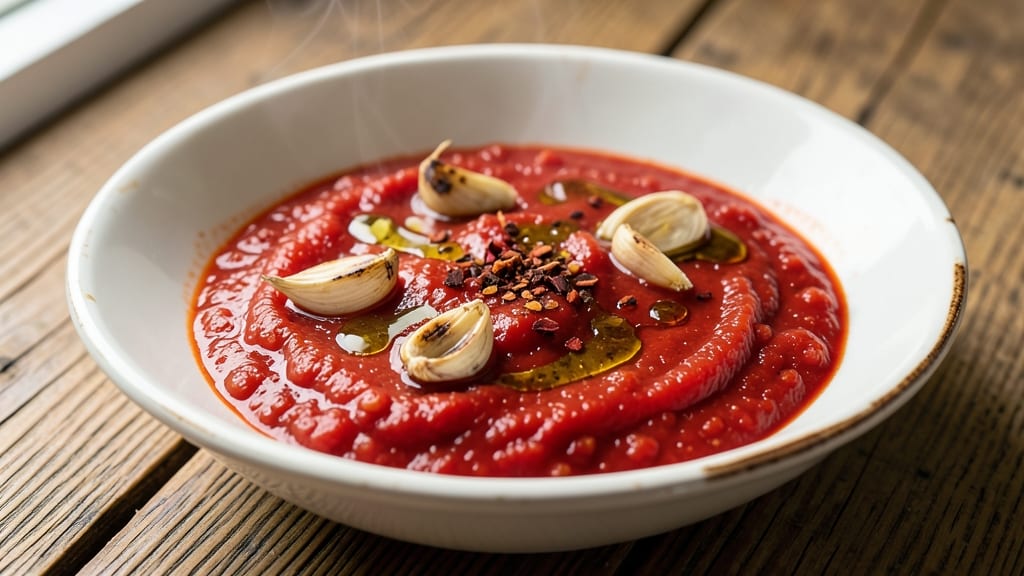
This arrabbiata tomato sauce recipe delivers the bold, fiery punch of classic Roman cuisine in just 20 minutes—no fancy techniques required. The secret lies in balancing garlic, chili flakes, and canned tomatoes until they meld into a vibrant, spicy sauce that clings perfectly to pasta.
I developed this version after years of testing, ensuring every batch delivers that signature bright acidity and heat without bitterness.
The beauty of arrabbiata sauce is its simplicity: five core ingredients simmered until thick and fragrant, then blended to silky smoothness. Unlike richer tomato sauces, this one relies on raw garlic and chili for its signature kick, while a splash of red wine vinegar brightens the flavor.
The result? A sauce that’s restaurant-quality but achievable at home, with no need for expensive ingredients.
What makes this recipe stand out is its versatility—use it as a quick weeknight dinner base, a marinade for grilled meats, or a bold topping for bruschetta. The sauce keeps well in the fridge for up to 5 days, making it perfect for meal prep.
For extra depth, finish with fresh basil just before serving, but the sauce’s spicy-sweet profile shines even without it.
Whether you’re serving it over spaghetti, drizzling it on grilled chicken, or using it as a pizza sauce, this arrabbiata delivers authentic Roman flavor with minimal effort. The key is patience—let it simmer until the garlic releases its aroma and the tomatoes break down into a velvety consistency.
Here’s how to make it perfectly every time.
Ingredients for arrabiata tomato sauce
Five ingredients transform into restaurant-quality arrabbiata sauce with bold, fiery Roman flavor.
| Ingredient | Amount | Notes |
|---|---|---|
| San Marzano Tomatoes (Canned, Whole) 🍅 | 1 can | 28 oz can, crushed by hand |
| Extra-Virgin Olive Oil 🫒 | ½ cup | High-quality, fruity variety |
| Garlic Cloves 🧄 | 6 cloves | Fresh, unpeeled for roasting |
| Dried Chili Flakes 🌶️ | 1 tbsp | Crushed between fingers for heat |
| Red Wine Vinegar 🍷 | 1 tbsp | For bright acidity |
| Diamond Crystal Kosher Salt 🧂 | ¾ tsp | Adjust to taste |
| Fresh Basil Leaves 🌿 | ¼ cup | Chopped, for finishing (optional) |
| Freshly Ground Black Pepper 🌶️ | ¼ tsp | For depth of flavor |
The tomatoes are non-negotiable—San Marzano delivers that sweet, meaty texture and balanced acidity. Grab the 28 oz can from any grocery store's international aisle; it's worth the slight splurge. Fresh garlic is essential here—roast the whole cloves in olive oil for 10 minutes before crushing to mellow the sharpness and deepen the flavor. The chili flakes should be crushed between your fingers to distribute the heat evenly, not just sprinkled whole. For extra authenticity, look for Calabrian chili flakes at specialty stores, though regular dried flakes work in a pinch.
No red wine vinegar? Substitute lemon juice at half the amount, but you'll lose some of that classic tang. Fresh garlic too strong? Roast it first—this step is critical for balancing the heat. The basil is optional but adds freshness; if you skip it, a pinch of dried oregano at the end works. For a smoother sauce, strain out the garlic skins after roasting. If you prefer a thicker consistency, simmer the sauce uncovered for an extra 5 minutes to reduce. The key is patience—don't rush the simmer or the sauce will taste raw and bitter.
This sauce peaks after 3-4 days in the fridge when flavors meld fully. Store in an airtight container with a thin layer of olive oil on top to preserve freshness. Freezes beautifully for up to 3 months—portion into ice cube trays for single-use servings. The sauce thickens as it cools, so reheat gently over low heat, stirring occasionally. For extra depth, add a splash of pasta water when reheating. Always finish with fresh basil and a crack of black pepper just before serving—this is where the magic happens.
Why You'll Love This Recipe
- No-Chop Necessary: I swear by this—just crush those garlic cloves with the flat side of a knife, no peeling required. The San Marzano tomatoes handle the heat perfectly, so you’re not stuck with a watery mess or burning your sauce.
- Heat Without Hassle: That little pinch of dried chili flakes and splash of red wine vinegar? Chef’s kiss. The vinegar brightens everything, and the chili lingers just enough to wake up your taste buds—no fresh peppers to chop or blister.
- Pasta Party Fix: Between us, this sauce is my go-to for game nights, lazy Sundays, or when I’m feeding a crowd. Toss it with spaghetti, dollop on grilled chicken, or even slather it on garlic bread—it’s that adaptable.
- Fridge Hero: Make a big batch and stash it for the week. The flavors actually deepen overnight, and it’s cheaper than takeout. I’ve had this sauce rescue me after a long day—just reheat, serve, and pretend you’re a fancy chef.
Step-by-step instructions for arrabiata tomato sauce
This method delivers bold, balanced heat with minimal effort—just simmer and taste as you go.
Roast the Garlic for Deep, Sweet Flavor
Preheat your oven to 400°F. Place the 6 unpeeled garlic cloves directly on a baking sheet, cut-side down. Roast for 20-25 minutes until the cloves are golden brown and tender when pressed. The skins should slip off easily—this indicates perfect roasting.
Roasting intensifies the garlic's sweetness and mellows its sharpness, creating a base that won't overpower the sauce. If any cloves brown too quickly, loosely cover them with aluminum foil to prevent burning. Once roasted, squeeze the cloves through a fine-mesh strainer to remove the skins, leaving only the tender flesh.
Sauté the Chili Flakes and Build the Base
Heat the 0.5 cup extra-virgin olive oil in a large saucepan over medium-low heat. Add the 1 tablespoon dried chili flakes and stir constantly for 30 seconds until fragrant but not burning. The oil should shimmer gently—this prevents bitterness from the chili.
Add the roasted garlic to the pan and cook for another 1 minute, stirring frequently. The garlic will release its aroma and mingle with the chili, creating a fragrant foundation. Keep the heat low to avoid burning the garlic, which would make the sauce bitter. This step forms the backbone of your sauce's spicy depth.
Simmer the Tomatoes Until Thick and Flavorful
Pour in the 1 can San Marzano tomatoes, crushing them by hand with your fingers as you add them. Stir in the 1 tablespoon red wine vinegar and 0.75 teaspoon Diamond Crystal kosher salt. Bring the mixture to a gentle boil over medium-high heat, then reduce the heat to low and let it simmer uncovered for 20-25 minutes.
You're looking for a sauce that coats the back of a spoon and clings to the pan when stirred. Stir occasionally and taste as you go—adjust the salt if needed, but resist the urge to add more vinegar. The tomatoes will break down and release their natural sweetness, balancing the heat from the chili flakes. The sauce should reduce to about 3 cups, thickening slightly but remaining vibrant.
Finish with Fresh Basil and Pepper
Remove the sauce from heat and let it cool for 5 minutes. Stir in the 0.25 cup fresh basil leaves and 0.25 teaspoon freshly ground black pepper. The basil adds brightness and freshness, cutting through the richness of the olive oil and the heat of the chili. Taste again and adjust the seasoning if necessary—this is your final opportunity to refine the balance.
For the best texture, use a potato masher or wooden spoon to lightly crush any remaining whole tomatoes. The sauce should be smooth but still have slight texture, with visible flecks of chili and garlic. Serve immediately over pasta, or store in an airtight container in the refrigerator for up to 5 days. Reheat gently on the stove, stirring occasionally, to preserve its vibrant color and flavor.
Pro Tips For Making Arrabiata Tomato Sauce
- CRUSH THE GARLIC: Smash those cloves with the flat side of your knife first—no chopping needed. This releases more flavor and prevents bitter chunks when simmering with tomatoes. (Yes, even if you’re impatient like me, give them 30 seconds in the oil to mellow out.)
- SIMMER LOW AND LONG: After adding tomatoes, drop the heat to a bare simmer and walk away for 20 minutes. The sauce will thicken naturally, and the acidity mellows instead of turning harsh. Skipping this step is how you end up with a sad, watery mess.
- SALT THE TOMATOES FIRST: Toss the halved San Marzano tomatoes with 1/2 tsp salt and let them sit for 10 minutes before cooking. This breaks down the skins slightly and pulls out more juice, giving you a richer, less seedy sauce. (Your future self will thank you.)
- USE THE VINEGAR LAST: Add the red wine vinegar only in the final 5 minutes of cooking—it brightens the sauce but burns off if overcooked. If you’re worried about balance, start with 1 tsp and adjust to taste. (No, you can’t taste it until the end.)
Health benefits of this arrabiata tomato sauce
Antioxidant-Rich Tomatoes
Arrabbiata sauce starts with San Marzano tomatoes, which are packed with lycopene—a powerful antioxidant that gives tomatoes their red color. Research shows lycopene helps protect cells from damage, especially when cooked.
A 1-cup serving of this sauce provides about 20% of your daily lycopene needs, supporting heart health and reducing inflammation. 💛
Garlic’s Immune Boost
The 6 roasted garlic cloves in this recipe deliver allicin, a compound with potent antibacterial and antiviral properties. Studies suggest garlic can strengthen your immune system and even help lower blood pressure.
Roasting mellows the sharpness while preserving these benefits—unlike raw garlic, which can be harsh on digestion for some people.
Healthy Fats from Olive Oil
Using 0.5 cup extra-virgin olive oil provides monounsaturated fats, which support brain health and reduce bad cholesterol. The fruity variety also contains polyphenols, antioxidants that fight oxidative stress.
Unlike refined oils, EVOO maintains these benefits even when heated gently—just don’t overcook it, or you’ll lose some of its nutritional value.
Spicy Benefits of Chili
The 1 tablespoon chili flakes add more than just heat—they contain capsaicin, which may help boost metabolism and reduce appetite. Research suggests capsaicin can also improve circulation and reduce pain.
For those sensitive to spice, start with ½ tablespoon and adjust to taste, but don’t skip it entirely—the heat balances the sauce’s sweetness.
Vinegar’s Digestive Perks
A splash of red wine vinegar adds tangy brightness while aiding digestion. Vinegar helps break down food proteins and may improve insulin sensitivity. The 1 tablespoon used here is a modest amount that enhances flavor without overpowering the tomatoes’ natural sweetness.
For a gentler option, substitute with lemon juice, though you’ll lose some of the classic depth.
Basil’s Anti-Inflammatory Power
The optional 0.25 cup fresh basil adds more than aroma—it’s rich in eugenol, a compound with anti-inflammatory properties. Basil also contains vitamin K, which supports bone health. Adding it at the end preserves its freshness and brightens the sauce’s flavor without cooking away its nutrients.
If you skip it, dried oregano works in a pinch but lacks the same freshness. 🌿
Nutrition facts
Frequently asked questions
Can I make arrabbiata sauce without roasting the garlic?
You can, but roasting makes a big difference! Raw garlic adds sharpness that can overpower the sauce. For a quick version, sauté 6 minced garlic cloves in olive oil for 1 minute until fragrant (don't let them brown). The flavor will be more pungent but still delicious—just reduce the chili flakes slightly to balance the intensity.
How do I adjust the spice level for sensitive eaters?
Start with ½ tablespoon chili flakes and taste before adding more. For extra heat control, remove the seeds from dried chilis before crushing. If needed, add a pinch of sugar (¼ teaspoon) to balance the heat without muting the sauce's brightness. The red wine vinegar also helps soften the spice naturally.
Can I use fresh tomatoes instead of canned?
Fresh tomatoes work but require more prep. Use 4 cups peeled, seeded, and chopped ripe tomatoes (about 4-5 medium tomatoes). Simmer them uncovered for 30-40 minutes until reduced to 3 cups, stirring occasionally. Fresh tomatoes have more water content, so you'll need to cook them longer to achieve the same thickness.
What's the best pasta to pair with this sauce?
Arrabbiata's bold flavor pairs perfectly with spaghetti, linguine, or bucatini—their long strands let the sauce cling beautifully. For extra texture, try orecchiette or rigatoni. Avoid delicate pastas like angel hair, as they can get lost in the sauce's intensity. The sauce's acidity also works well with grilled chicken or shrimp for a complete meal.
Why did my sauce turn bitter?
Bitter flavor usually means the sauce simmered too long or the garlic burned. Keep heat at low after boiling and simmer for exactly 20-25 minutes. For next time, remove the sauce from heat as soon as it reaches your desired thickness. If it's already bitter, stir in ½ teaspoon sugar or a splash of red wine vinegar to balance the flavors.