
Sauces & Condiments
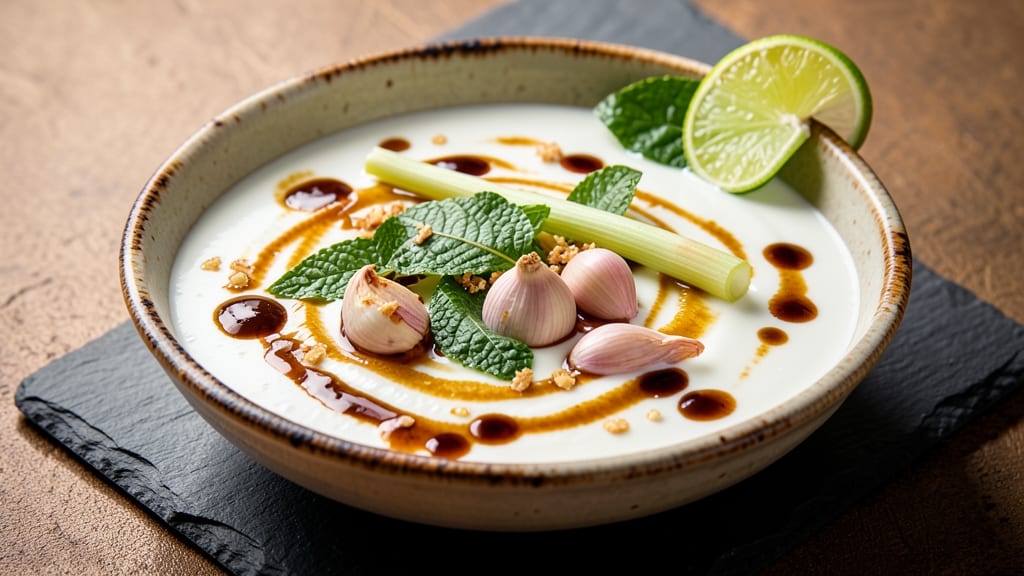
This Bangkok curry sauce recipe delivers the perfect balance of smoky coconut heat, bright citrus, and aromatic herbs that transform any dish.
The secret lies in carefully balancing sweet, salty, sour, and spicy elements—fish sauce for umami, lime for tang, garlic for depth, and just enough sugar to round out the flavors.
I’ve perfected this version to work as both a bold marinade and a versatile dipping sauce, with a texture that’s smooth yet vibrant.
The foundation starts with toasted coconut milk for natural richness, while fresh herbs like lemongrass and kaffir lime leaves infuse the sauce with authentic Thai complexity. Unlike store-bought versions, this recipe lets you control the heat level—adjust the chili to your preference while keeping the balance of flavors intact.
It’s the kind of sauce that elevates simple stir-fries into restaurant-worthy meals or turns grilled meats into showstopping centerpieces.
What makes this sauce truly special is its adaptability—use it as a marinade for shrimp or chicken, a dipping sauce for spring rolls, or a finishing touch for noodle dishes. The flavors deepen when refrigerated, making it ideal for meal prep.
With just 10 minutes of active prep and 30 minutes of simmering, you’ll have a batch that lasts for days, ready to transform your cooking with every spoonful.
Once you taste the harmony of smoky coconut, zesty lime, and aromatic herbs, you’ll never reach for bottled sauce again. The key is patience—let the flavors meld as it simmers, and don’t rush the balancing act.
Store it in the fridge for up to 5 days or freeze for longer shelf life. This is the sauce that brings Bangkok’s bold flavors straight to your kitchen.
Ingredients for bangkok sauce
Ten ingredients, bold flavors—this sauce brings Bangkok's vibrant heat to your kitchen.
| Ingredient | Amount | Notes |
|---|---|---|
| Coconut Milk (Full-Fat, Canned) 🥥 | 1 can | Toasted for deeper flavor |
| Fish Sauce 🐟 | 2 tbsp | Red Boat preferred for quality |
| Lime Juice 🍋 | ¼ cup | Freshly squeezed, seeds removed |
| Garlic Cloves 🧄 | 6 cloves | Minced for even distribution |
| Fresh Lemongrass 🌿 | ½ cup | Finely chopped, tender stems only |
| Kaffir Lime Leaves 🍃 | 4 whole | Bruised for aroma release |
| Red Curry Paste 🌶️ | 2 tbsp | Maesri brand recommended |
| Brown Sugar 🍚 | 1 tbsp | Lightly packed |
| Thai Bird's Eye Chilies 🔥 | 2 whole | Adjust for heat preference |
| Shallots 🧅 | 3 whole | Finely minced |
The coconut milk is non-negotiable—full-fat canned gives that authentic richness. Trader Joe's and Asian markets carry great brands like Thai Kitchen. Look for cans with no additives, just coconut and water. Lemongrass and kaffir lime leaves are the soul of this sauce, so don't skimp. Asian grocery stores sell them fresh, but if you can't find them, freeze the whole stalks until needed—they'll keep for months. The fish sauce should smell pungent but not rotten—Red Boat is my go-to, but any reputable brand works.
No lemongrass? Substitute with 1 tbsp lime zest plus 1 tsp lemongrass extract (if you can find it). Kaffir lime leaves missing? Double the lime juice and add 1 tsp lime zest. For heat control, remove seeds from chilies before blending—keep the membranes for extra spice. The brown sugar can be swapped for coconut sugar, but light brown sugar works too. Shallots add depth, but yellow onions in a pinch won't ruin it. Pro tip: Toast the curry paste in the pot for 30 seconds before adding liquids—this releases the oils and deepens the flavor.
This sauce tastes even better the next day as flavors meld. Store in an airtight container in the fridge for up to 5 days, or freeze for 3 months. I like to portion it into ice cube trays—perfect for adding to dishes one cube at a time. The texture will thicken when chilled, so give it a quick whisk before using. If it gets too thick, thin with coconut milk or water.
Why You'll Love This Recipe
- Pantry Magic: I swear, this sauce comes together with stuff I already have—no fancy shopping needed. Just crack open a can of coconut milk, grab the fish sauce you’ve had since college, and toss in whatever garlic and lime you’re using anyway.
- Umami Bomb: That first hit of fish sauce and lemongrass? It’s like a flavor grenade in the best way. The coconut milk smooths it out into something rich but still bright—like a hug from a Thai street food stall.
- Weeknight Swiss Army: Slap this on noodles, stir it into curry, or drizzle it over grilled chicken. It’s my secret weapon for turning boring dinners into “wait, you made this?” moments. (Yes, even on a Tuesday night.)
- Leftovers That Work: Make a big batch—it keeps for days in the fridge. The flavors only get better as it sits, and a splash in tomorrow’s stir-fry or soup tastes just as good as the first time. Budget-friendly? Absolutely. Lazy-friendly? Even more so.
Step-by-step instructions for Bangkok curry sauce
Here's how to build this vibrant, aromatic sauce from scratch—layer by layer.
Toast the Coconut Milk for Richer Flavor
Pour the 1 can full-fat coconut milk into a medium saucepan over medium heat. Let it warm gently for 5-7 minutes, stirring occasionally with a wooden spoon. You're not trying to boil it—just heat it until small bubbles form around the edges and the surface develops a delicate sheen. This toasting step deepens the coconut flavor and removes any metallic taste from canned milk.
Here's the thing—don't walk away. Watch for tiny bubbles breaking the surface and a faint coconut aroma rising. Once you see this, immediately reduce the heat to low to prevent curdling. The milk should smell nutty and sweet, like freshly opened coconut. If it starts to bubble vigorously, it's too hot—remove from heat for 30 seconds to cool slightly before proceeding.
Build the Aromatic Base with Shallots and Garlic
Add the 3 whole shallots and 6 cloves garlic to the warm coconut milk. Cook for 3-4 minutes over medium-low heat, stirring frequently, until the shallots soften and turn translucent. You'll notice the garlic cloves begin to soften and release their aroma—this is when the sauce starts building its complex flavor profile.
I like to press down gently on the shallots with the spoon during the first minute to help them break down faster. Don't let them brown or they'll turn bitter. You're aiming for a sweet, almost jammy texture rather than crispy bits. When the shallots are tender and the garlic is softened but not golden, it's time to add the red curry paste.
Add Curry Paste and Cook Until Fragrant
Stir in the 2 tablespoons red curry paste and cook for 2-3 minutes over medium heat. The paste will darken slightly and release its signature aroma—smoky, earthy, with hints of lemongrass and galangal. This is where the magic happens, so don't rush it. You'll see the oil from the paste separate and swirl through the coconut milk.
Here's where it gets fun—toss in the 2 whole Thai bird's eye chilies and 4 whole kaffir lime leaves. The chilies will darken and soften slightly, while the lime leaves will release their citrusy aroma. Let everything cook together for another 1-2 minutes until the chilies are just beginning to break down. You'll smell that perfect balance of spicy, citrusy, and herbal notes that defines authentic Bangkok curry.
Finish with Sweet and Tangy Balance
Add the 0.25 cup lime juice, 1 tablespoon brown sugar, and 0.5 cup chopped lemongrass. Stir well and simmer for 5-7 minutes over low heat until the sauce thickens slightly and the flavors meld together. You're looking for a consistency that coats the back of a spoon but isn't gluey.
Taste as you go—this is where you'll adjust the balance. If it needs more depth, add another 1 teaspoon fish sauce. For brightness, squeeze in a little more lime. The sauce should be complex: sweet from the sugar, tangy from the lime, spicy from the chilies, and rich from the coconut. The lemongrass should be noticeable but not overpowering—it should enhance, not dominate.
Simmer and Rest for Maximum Flavor
Pour in the 2 tablespoons fish sauce and stir well. Let the sauce simmer gently for 5 more minutes to allow all the flavors to fully integrate. The coconut milk should now be infused with all the aromatics, creating a vibrant, multi-layered sauce.
Remove from heat and let it rest for 10 minutes before using. This resting period allows the flavors to settle and the sauce to come together. If you're not using it immediately, store it in an airtight container in the refrigerator for up to 5 days. When ready to use, gently reheat over low heat—never boil, as this can break down the delicate flavors.
Pro Tips For Making Bangkok Sauce
- Bloom the Garlic: Crush the garlic cloves with the flat side of your knife before adding them to the pan—this releases more flavor. I used to just mince it, but blooming it first makes the sauce taste deeper, especially when simmered with coconut milk.
- Toast the Lemongrass: Lightly char the lemongrass stalks over medium heat for 1-2 minutes before blending—it adds a smoky complexity. Skip this, and the sauce will taste flat; do it, and it’ll have that restaurant-quality depth.
- Simmer Low and Slow: Reduce the heat to the lowest setting once the sauce starts to thicken, or you’ll end up with a split coconut milk (yes, it’s a thing). I learned this after ruining two batches—now I just keep it at a bare simmer.
- Strain the Coconut Milk: Use a fine-mesh sieve to strain the coconut milk before blending—it removes any grit or curds that can make the sauce grainy. Trust me, the difference in texture is noticeable, even if it’s a pain to do.
Creative variations of this bangkok sauce
Spicy vs. Mild
Adjust the heat to your preference by controlling the chilies. For mild heat, remove seeds and membranes from the 2 Thai bird's eye chilies before adding, then use only 1 chili total. For medium heat, keep seeds and membranes but reduce to 1 chili.
For fiery heat, use both chilies whole with seeds intact—this adds serious kick. I often make a double batch: one mild for family and one spicy for myself. 🔥
Sweet Variations
Swap the brown sugar for palm sugar or coconut sugar to deepen the caramel notes. For a fruitier twist, add 1 tbsp mango puree or 1 tsp pandan extract—both complement the coconut beautifully.
If you love caramelized flavors, lightly caramelize the sugar with the shallots before adding other ingredients. This creates a richer, almost buttery depth in the sauce.
Herb Swaps
No lemongrass? Use 1 tbsp lime zest plus 1 tsp lemongrass extract (if available). Missing kaffir lime leaves? Double the lime juice and add 1 tsp lime zest for brightness.
For a fresher herbal note, stir in 1 tbsp chopped cilantro or Thai basil at the end—this adds a bright, almost minty contrast. I’ve also experimented with 1 tsp galangal paste for an earthier depth, though it’s harder to find.
Modern Fusion Twists
For a smoky BBQ fusion, add 1 tsp liquid smoke and 1 tbsp tomato paste to the simmering sauce. For a creamy version, stir in 2 tbsp coconut cream at the end for a richer texture.
If you love umami, add 1 tsp soy sauce or 1 tbsp miso paste—this works surprisingly well with the coconut and fish sauce. These tweaks keep the sauce authentic while giving it a contemporary edge.
Regional Adaptations
In Southern Thailand, this sauce often includes galangal and turmeric for earthier warmth. For a Northern Thai twist, add 1 tsp toasted coriander seeds and 1 star anise pod while simmering. In Cambodia, they might use more fish sauce and less sugar, creating a sharper, saltier profile.
Each region balances the same core ingredients differently—experiment to find your favorite regional style. 🌏
Sweet Heat Balance
If your sauce tastes too spicy, balance it with 1 extra tsp brown sugar or 1 tsp honey. Too sour? Add ½ tsp more fish sauce for umami depth. Too sweet? Brighten with 1 extra tbsp lime juice or a pinch of salt.
The goal is harmony—sweet, salty, sour, and spicy should all sing together. I taste as I go, adjusting incrementally until it’s just right. Trust your palate! ✨
Nutrition facts
Frequently asked questions about Bangkok curry sauce
Can I make this sauce without lemongrass?
If you can't find lemongrass, substitute with 1 tbsp lime zest plus 1 tsp lemongrass extract (if available). For a simpler swap, double the lime juice and add 1 tsp lime zest—this will maintain the bright citrus notes that balance the coconut richness. The sauce will still taste delicious, though slightly less complex.
How do I adjust the heat level?
Control the spice by modifying the Thai bird's eye chilies. For mild heat, remove seeds and membranes from 1 chili total. For medium heat, keep seeds but use only 1 chili. For fiery heat, use both chilies whole with seeds intact. Remember, you can always add more chili later if needed!
Can I use regular coconut milk instead of full-fat?
I recommend sticking with full-fat coconut milk for the richest, most authentic flavor. The higher fat content creates that velvety texture and deeper coconut aroma. However, if that's all you have, use light coconut milk plus 1 tbsp coconut cream to compensate. The sauce will still work, though it may be slightly thinner.
What's the best way to store leftover sauce?
Store your sauce in an airtight container in the fridge for up to 5 days. For longer storage, freeze in ice cube trays—perfect for adding to dishes one cube at a time! When reheating, warm gently over low heat and stir well. Never boil frozen sauce directly, as this can break down the delicate flavors.
How can I use this sauce beyond curry?
This versatile sauce works as a marinade for grilled meats, a dipping sauce for spring rolls or dumplings, or a flavor booster for stir-fries and noodle dishes. Try it in Thai-style satay marinade or as a glaze for roasted vegetables. The smoky coconut notes pair beautifully with chicken, shrimp, or tofu. Don't be afraid to experiment!