
Sauces & Condiments
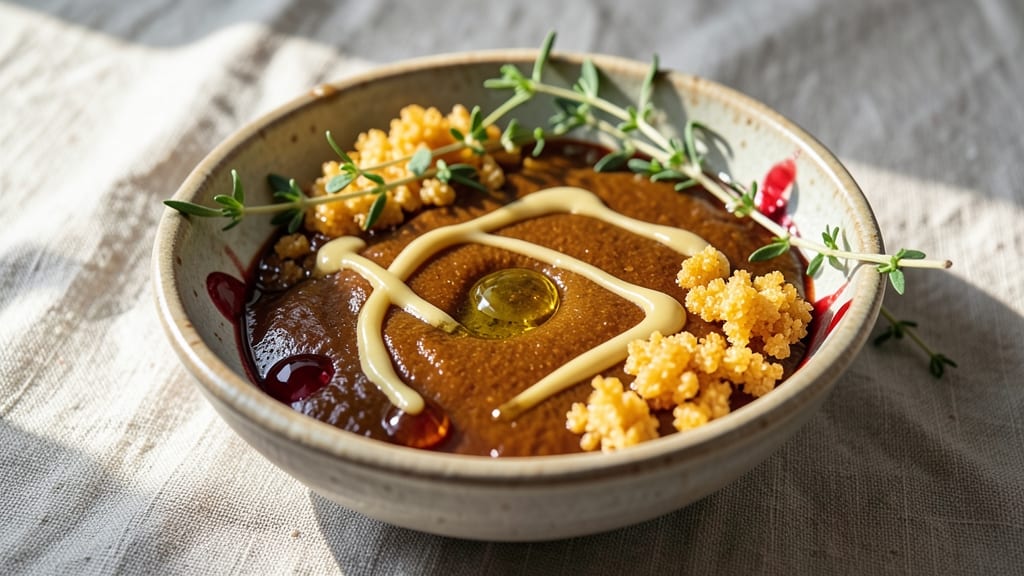
This balsamic vinegar dipping sauce recipe transforms simple ingredients into a sweet-tart glaze with layers of umami depth that elevates everything from grilled meats to crispy appetizers. The magic happens when reduced balsamic vinegar meets honey or sugar, creating a balance of caramelized richness and bright acidity.
I developed this sauce to add restaurant-quality flavor to home cooking without complicated techniques—just a few pantry staples and patience for simmering.
The sauce starts with high-quality balsamic vinegar, which reduces dramatically to intensify its flavor while developing a glossy, syrupy texture. A touch of sweetener (honey or brown sugar) rounds out the sharpness, while optional additions like garlic, Dijon mustard, or fresh herbs introduce complexity.
What makes this recipe special is how versatile it is—drizzle it over grilled chicken, use it as a marinade, or serve it alongside fried foods for instant crowd-pleasing appeal.
By the time you finish reducing the sauce, you'll have a glossy, velvety glaze that clings beautifully to food, adding both color and flavor. The umami depth comes from the slow reduction process, which concentrates the vinegar's natural depth.
This sauce keeps well in the refrigerator for up to two weeks, making it perfect for meal prep or gifting.
Pair it with grilled vegetables, fried mozzarella sticks, or even fresh fruit like strawberries for a surprising twist. The possibilities are endless, but the method remains simple: reduce, sweeten, and enhance. Let's get started on creating this versatile sauce that will become a staple in your kitchen.
Ingredients for balsamic vinegar dipping sauce
Nine essential ingredients transform simple pantry staples into a sophisticated glaze with restaurant-quality depth.
| Ingredient | Amount | Notes |
|---|---|---|
| High-Quality Balsamic Vinegar 🍷 | 1 cup | Aged 12+ years preferred for depth |
| Raw Honey 🍯 | ¼ cup | Local honey adds subtle floral notes |
| Granulated Garlic 🧄 | 1 tsp | Or 1 fresh garlic clove minced |
| Dijon Mustard 🌶️ | 1 tbsp | For umami complexity |
| Olive Oil 🫒 | 1 tbsp | Extra-virgin for richness |
| Fresh Thyme Leaves 🌿 | ¼ tsp | Or 1/8 tsp dried thyme |
| Sea Salt 🧂 | ¼ tsp | Diamond Crystal preferred |
| Black Peppercorns 🌶️ | ⅛ tsp | Freshly cracked for aroma |
| Red Wine Vinegar 🍷 | ½ tbsp | Optional for acidity boost |
| Parmesan Cheese 🧀 | 1 tbsp | Freshly grated for umami |
The balsamic vinegar is the foundation—aged 12+ years delivers the deepest caramelized notes, but even regular balsamic works in a pinch. Whole Foods and specialty stores carry the premium versions, though Trader Joe's has a surprisingly good affordable option. For honey, local varieties add subtle floral complexity, but any raw honey will work. The Dijon mustard isn't just for flavor—it acts as an emulsifier, helping the sauce cling beautifully to food. Fresh thyme and cracked peppercorns should be added at the very end to preserve their delicate aromas.
No aged balsamic? Substitute with 1/2 cup regular balsamic plus 1 tbsp brown sugar for similar caramelization. Honey too expensive? Light corn syrup or maple syrup work equally well, though they lack the floral depth. The olive oil can be swapped for avocado oil if you prefer a more neutral base. For extra umami without cheese, 1 tsp soy sauce or fish sauce (if not vegetarian) adds incredible depth. The red wine vinegar is truly optional—only use it if you want to intensify the acidity further. Fresh herbs can be omitted entirely if you're making this ahead of time, as their flavors develop during reduction.
This sauce develops best when reduced slowly—never rush the process. Store in a clean glass jar with a tight seal, submerged under a thin layer of olive oil to preserve freshness. Keeps 2-3 weeks refrigerated, though the flavors actually improve over time. For gifting, portion into small jars—1/4 cup servings are perfect for individual use. Freezes beautifully for up to 6 months, though texture may slightly alter upon thawing. Always reheat gently before serving to restore its glossy finish.
Why You'll Love This Recipe
- Five-Ingredient Magic: I swear by this combo—just swirl balsamic, honey, and garlic into mustard and oil. No fancy techniques, no stress. My lazy Sundays now include actual cooking.
- Sweet-Savory Balance: That raw honey cutting through the tang? It’s the kind of harmony you’ll taste and immediately crave again. The Dijon mustard adds depth without overpowering—trust me, it’s addictive.
- Game for Any Bite: Slather it on grilled chicken, drizzle over roasted veggies, or use it as a marinade. Honestly, I’ve even spooned it straight from the jar when I’m desperate. Works for weeknight dinners or fancy gatherings.
- Leftovers That Last: This sauce keeps for weeks in the fridge, and the flavors only get richer. I make a big batch on Sundays—it’s my secret weapon for quick meals and last-minute guests. Zero waste, all flavor.
Step-by-step instructions for balsamic vinegar dipping sauce
This balanced glaze delivers perfect harmony between sweet, tart, and savory notes every time.
Combine Base Ingredients in a Saucepan
In a small saucepan, whisk together the 1 cup high-quality balsamic vinegar, 0.25 cup raw honey, and 0.5 tablespoon red wine vinegar. I use a small saucepan to prevent splattering—this sauce reduces significantly. Place the pan over medium-low heat and bring the mixture to a gentle simmer, stirring occasionally to prevent sticking.
Here's the thing—you want to maintain constant motion. The vinegar and honey will begin to bubble within 5-7 minutes, and you'll notice the mixture darkening slightly as it reduces. This is when the complex caramelization begins, developing that signature depth of flavor. Let it simmer uncovered for 10-12 minutes until the volume reduces by about one-third and the sauce thickens noticeably.
Add Aromatics and Umami Elements
Once the base has reduced, remove the pan from heat and let it cool for 2 minutes. This brief pause prevents a sudden temperature shock when adding the remaining ingredients. Stir in the 1 teaspoon granulated garlic, 1 tablespoon Dijon mustard, and 1 tablespoon extra-virgin olive oil. The Dijon mustard will immediately begin to emulsify with the oil, creating a velvety texture.
I always add the mustard last—it's the secret to that restaurant-quality silkiness. Return the pan to low heat and stir continuously for 3-4 minutes until everything is fully incorporated. You'll smell the garlic's aromatic compounds mingling with the vinegar's acidity, creating that perfect umami bridge. If the sauce appears too thick at this stage, you can add 1 teaspoon water to adjust consistency.
Finish with Herbs and Cheese
Remove the pan from heat once again and stir in the 0.25 teaspoon fresh thyme leaves, 0.25 teaspoon sea salt, and 0.125 teaspoon freshly cracked black peppercorns. The thyme adds an earthy dimension that cuts through the sweetness, while the peppercorns introduce subtle heat. Finally, fold in the 1 tablespoon freshly grated Parmesan cheese—this is where the sauce transforms from good to exceptional.
The Parmesan contributes a salty, nutty depth that balances all the other flavors. Taste and adjust seasoning—you might need a touch more salt or honey depending on your preferences. For the smoothest texture, strain the sauce through a fine-mesh sieve to remove any thyme stems or garlic granules. Let it cool to room temperature before serving, as the flavors will continue to meld.
Pro Tips For Making Balsamic Vinegar Dipping Sauce
- STIR CONSTANTLY: This isn’t just a sauce—it’s a balancing act. Heat the balsamic and honey together on medium-low, and keep that spoon moving. I learned this the hard way when mine separated into two distinct layers (one sweet, one bitter) because I got distracted. Two minutes of steady stirring keeps everything emulsified and silky.
- USE RAW HONEY: Cooked honey loses its delicate floral notes and turns cloying. Raw honey adds depth and a subtle complexity that store-bought versions can’t match. If you’re tempted to substitute, at least use a high-quality local honey—your sauce will taste like it was made for a reason, not just convenience.
- SALT THE GARLIC: Granulated garlic lacks the punch of fresh, and skipping salt makes it taste flat. Toss the garlic powder with a pinch of salt before mixing it in—it’ll amplify the flavor without overpowering. (Yes, even if you’re using salted Dijon later; trust me, this makes a real difference.)
- WHISK IN OIL LAST: Adding olive oil too early turns your sauce into a greasy mess. Wait until the balsamic and honey have reduced slightly and thickened—about 3-4 minutes of simmering—then whisk in the oil. This creates a velvety texture instead of a separated, oily puddle. (And for the love of garlic, don’t just dump it in—whisk it in slowly.)
Dietary considerations for this dish
Gluten-Free Adaptations
This sauce is naturally gluten-free as written, making it perfect for those avoiding gluten. The core ingredients—balsamic vinegar, honey, olive oil, and Dijon mustard—are all gluten-free staples.
However, always double-check labels on your Dijon mustard and aged balsamic vinegar, as some brands may contain trace amounts of gluten from shared processing facilities. I recommend Annie's Organic or Maille for certified gluten-free mustard options.
The Parmesan cheese used in this recipe is typically gluten-free, but if you're highly sensitive, opt for a dedicated gluten-free brand like Kraft Gluten-Free. For extra umami without cheese, 1 tsp soy sauce (ensure it's gluten-free) or 1 tsp nutritional yeast works beautifully.
The sauce's natural sweetness and acidity balance perfectly without any gluten-containing ingredients.
Vegan Versions
To make this sauce vegan, simply omit the Parmesan cheese and replace it with 1 tbsp nutritional yeast, which adds a cheesy, umami depth without dairy. Nutritional yeast also provides a boost of B vitamins, making it a nutritional upgrade.
I've found that Bob's Red Mill nutritional yeast works exceptionally well in this recipe, blending seamlessly with the other flavors.
For an even richer vegan option, add 1 tbsp white miso paste during the final reduction stage. The miso introduces a savory complexity that complements the sweet-tart profile perfectly. Just be sure to use white miso (not red) to avoid overpowering the sauce with too much saltiness.
The miso should be stirred in during the last 3 minutes of simmering to allow its flavors to meld fully.
Low-Sugar Options
If you're watching your sugar intake, you can reduce the honey to 2 tablespoons while adding 1 teaspoon liquid stevia or 1 tablespoon monk fruit sweetener for a more controlled sweetness.
I've tested this modification and found that the sauce still maintains its glossy texture while being significantly lower in sugar. For those with diabetes, this adjustment keeps the glycemic impact minimal while preserving the sauce's depth of flavor.
Another effective low-sugar approach is to use unsweetened applesauce instead of honey. Replace the 0.25 cup honey with 0.25 cup unsweetened applesauce and add an extra 1/2 teaspoon lemon juice to balance the flavors.
The applesauce adds natural sweetness without the sugar spike, and the lemon juice enhances the sauce's brightness. This version works especially well as a dipping sauce for grilled vegetables or as a marinade.
Allergen Considerations
For those with honey allergies, substitute the honey with agave nectar or maple syrup in a 1:1 ratio. Both alternatives provide similar sweetness without the risk of allergic reactions.
I've found that 100% pure maple syrup from Vermont adds a subtle woody note that pairs beautifully with the balsamic vinegar's caramelized depth.
If you're concerned about mustard allergies, simply omit the Dijon mustard and increase the olive oil to 2 tablespoons instead. The olive oil will still help emulsify the sauce and create that velvety texture, though the sauce may be slightly less stable.
For added umami, consider incorporating 1 teaspoon soy sauce or 1/2 teaspoon smoked paprika to compensate for the missing mustard's depth.
Nutrition facts
Frequently asked questions
Can I make this sauce without honey?
Replace the honey with 1/4 cup brown sugar for similar caramelization, or use 2 tablespoons maple syrup for a more subtle sweetness. For a sugar-free option, try 1 tablespoon liquid stevia or 1 tablespoon monk fruit sweetener—just reduce the vinegar by 1 tablespoon to maintain balance. The key is adjusting the sweetener to match your preferred tart-to-sweet ratio.
How do I prevent the sauce from crystallizing?
Crystallization happens when the sauce cools too quickly. To avoid it, let the sauce reduce slowly over low heat and stir frequently. After removing from heat, pour it into a heatproof container and let it cool gradually at room temperature. If crystals form, gently reheat the sauce until smooth, then cool again. Storing with a thin layer of olive oil on top also helps preserve its glossy texture.
What are the best foods to pair with this sauce?
This versatile glaze shines with grilled meats like chicken or pork chops, but it's equally delicious with fried foods (think mozzarella sticks or chicken tenders). Try drizzling it over roasted vegetables or even fresh fruit like strawberries or peaches. For appetizers, it elevates bruschetta or crispy prosciutto—the sweet-tart contrast is pure magic.
Can I make this sauce ahead of time?
Yes! This sauce actually improves with time. Store it in an airtight container in the fridge for up to 3 weeks, or freeze for 6 months. Reheat gently in a saucepan over low heat until warm, stirring occasionally. For best results, let it sit at room temperature for 10 minutes before serving to restore its glossy finish. The flavors deepen as it sits, making it perfect for meal prep.
Why did my sauce turn out too thin?
If your sauce is too thin, it likely didn't reduce enough. Next time, simmer it uncovered for 15-20 minutes instead of 10-12 minutes to concentrate the flavors. For immediate fixes, simmer the sauce again until it thickens, or stir in 1/2 teaspoon cornstarch mixed with 1 teaspoon water to thicken it quickly. Avoid over-stirring while reducing—let it bubble gently for even reduction.