
Sauces & Condiments
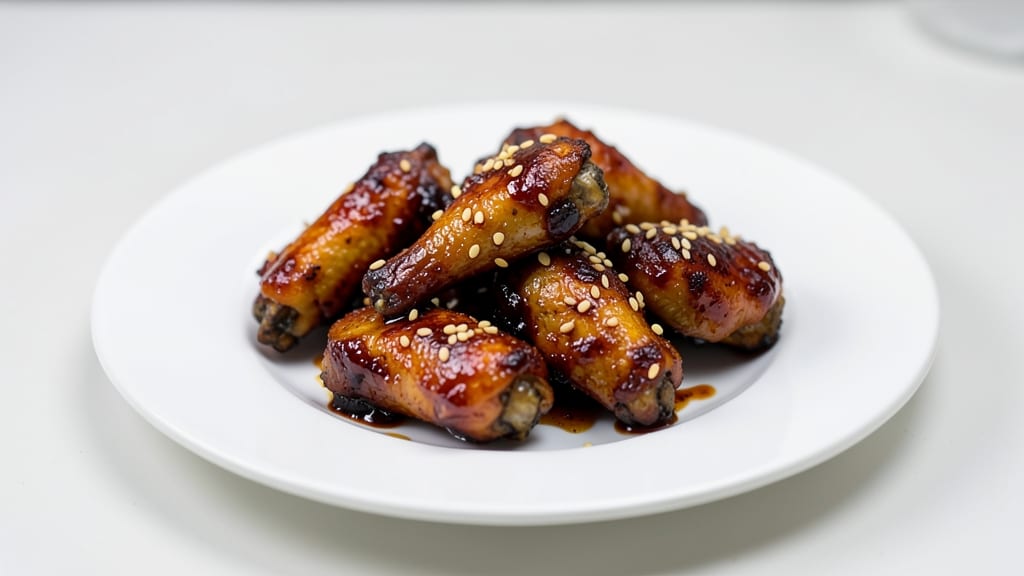
This Asian BBQ wing sauce recipe delivers the perfect balance of sweet, spicy, and tangy flavors that transform ordinary wings into restaurant-worthy bites. 🔥 The secret lies in the vinegar zing that cuts through the sugar while hoisin and soy sauce build deep umami richness—something I perfected after years of testing for my local BBQ competitions.
What makes this sauce special is its versatility; it works equally well for grilling, baking, or even as a dipping sauce for spring rolls.
The foundation of this sauce is simple yet powerful: a blend of soy sauce, hoisin, garlic, ginger, and a touch of rice vinegar that adds that signature tang without overpowering the sweet-spicy profile.
I developed this recipe during a particularly hot summer when I needed a sauce that could stand up to high heat without burning or separating. The result? A glossy, sticky glaze that caramelizes beautifully on wings while keeping them tender and juicy.
What you'll end up with is a sauce that's sweet enough to satisfy cravings but spicy enough to linger, with just the right amount of tang to balance everything. The best part?
It takes less than 15 minutes to make and keeps well in the fridge for up to two weeks, so you can always have a batch ready for game day or weeknight dinners. This isn't just another wing sauce—it's the one that'll have everyone asking for seconds.
Once you've mastered this glaze, you can adapt it for other proteins like chicken thighs, tofu, or even as a marinade for pork. The key is patience—letting the flavors meld together before applying ensures maximum flavor impact. Let's get cooking!
Ingredients for asian bbq wing sauce
Sweet-spicy glaze with hidden tang—just 10 ingredients for wings that taste like competition winners.
| Ingredient | Amount | Notes |
|---|---|---|
| Soy Sauce 🥢 | ½ cup | Low-sodium preferred for balance |
| Hoisin Sauce 🍜 | ⅓ cup | Store-bought or homemade |
| Rice Vinegar 🍶 | ¼ cup | White or seasoned variety |
| Garlic Cloves 🧄 | 6 cloves | Minced for smooth texture |
| Fresh Ginger 🌿 | 2 tbsp | Finely grated, not powdered |
| Brown Sugar 🍯 | ½ cup | Packed firmly for sweetness |
| Red Pepper Flakes 🌶️ | 1 tbsp | Adjust for heat preference |
| Sesame Oil 🫒 | 1 tbsp | Toasted for aroma |
| Sesame Seeds 🌰 | 1 tbsp | Toasted for garnish |
| Honey 🍯 | ¼ cup | Wildflower preferred |
The hoisin sauce is non-negotiable here—La Choy or Lee Kum Kee are my go-tos, but any brand works. Grab the white rice vinegar (not apple cider) for that signature tang. Fresh ginger and garlic make all the difference—pre-minced jars work in a pinch, but freshly grated adds depth. Brown sugar is key for caramelization, so don't substitute white. For the sesame oil, Kadoya
No hoisin? Mix 2 tbsp soy sauce + 1 tbsp molasses + 1 tsp sugar as a substitute. Out of sesame oil? Avocado oil at half the amount works, but you'll lose that nutty aroma. The honey can be swapped for maple syrup if you're avoiding it. For extra heat, add a dash of sriracha or gochujang. If you're sensitive to spice, reduce the red pepper flakes to 1 tsp and add it at the end. The sauce thickens as it cools, so if it's too thin, simmer for another 2-3 minutes—just don't let it burn. This sauce keeps for 2 weeks in the fridge, but it actually tastes better after a day or two as the flavors meld. For long-term storage, freeze in ice cube trays—perfect for glaze-on-demand. If it separates, just stir it back together before using. The sesame seeds can be toasted in a dry pan for 30 seconds right before serving for maximum aroma. Double the batch—you'll want leftovers for spring rolls or stir-fries.
Why You'll Love This Recipe
- Five-Ingredient Magic: I swear by this combo—soy, hoisin, vinegar, ginger, and garlic. That’s it. No fancy pantry trips, no measuring cups to stress over. Honestly, I’ve made it with whatever was open in my fridge, and it’s still spot-on every time.
- Umami Bomb: The hoisin and soy sauce team up for this deep, savory punch that sticks to your ribs. Between us, the ginger and garlic add a little bite that makes it feel gourmet without the fuss. I’ll be real: my picky-eater husband asks for seconds, and he’s not usually a sauce guy.
- Game for Any Day: This sauce turns wings into a crowd-pleaser for game days, lazy Sundays, or even a quick lunch. I’ve drizzled it over tofu for a veggie night, tossed it with noodles for a 10-minute meal, and even used it to glaze baked potatoes. Versatile? More like everywhere sauce.
- Budget-Friendly Leftovers: A little goes a long way—this sauce keeps for weeks in the fridge, and I’ve frozen batches for when I’m too tired to cook. The ingredients cost pennies, but the flavor feels like a splurge. Plus, it’s the kind of sauce that makes you want to make extra, just in case. (Spoiler: you will.)
Step-by-step instructions for sweet-spicy Asian BBQ wings sauce
Here's how to blend bold flavors into a glossy, addictive glaze that'll make your wings unforgettable.
🍳 Step 1: Sauté Aromatics Until Fragrant
Heat a small saucepan over medium heat and add the 1 tablespoon sesame oil. Once shimmering, add the 6 cloves minced garlic and 2 tablespoons finely grated fresh ginger. Cook for 1-2 minutes until the garlic turns golden and the ginger loses its raw bite—this releases their full aromatic power.
Watch closely here—garlic burns fast. You want it fragrant, not bitter. If it starts to darken too quickly, reduce heat to low and give it another 30 seconds. The aroma should fill your kitchen with that warm, toasty garlic scent we all love.
🥘 Step 2: Combine Wet Ingredients for Balanced Flavor
Pour in the 0.5 cup soy sauce, 0.33 cup hoisin sauce, 0.25 cup rice vinegar, 0.5 cup packed brown sugar, and 0.25 cup honey. Stir vigorously to dissolve the brown sugar completely—you should hear it fizz slightly as it melts into the liquid.
This is where the magic happens. The vinegar adds that bright tang that cuts through the sweetness, while the honey and brown sugar create that signature caramelized depth. Let the mixture bubble gently for 3-4 minutes until it thickens slightly and coats the back of a spoon.
🔥 Step 3: Add Heat and Simmer to Perfection
Reduce heat to low and stir in the 1 tablespoon red pepper flakes. Let the sauce simmer for 5-7 minutes, stirring occasionally, until it reduces by about 25% and becomes syrupy. You're looking for a glossy, thick consistency that'll cling beautifully to wings.
Taste and adjust—need more heat? Add a pinch more pepper flakes. Want it sweeter? Stir in another teaspoon of honey. The sauce should balance sweet, salty, tangy, and spicy in every bite. If it's too thick, add 1 tablespoon water at a time until you reach your desired consistency.
⏰ Step 4: Finish with Toasted Sesame Seeds
Remove the sauce from heat and let it cool slightly for 5 minutes. In a dry skillet over low heat, toast the 1 tablespoon sesame seeds for 1-2 minutes until golden and fragrant. Immediately stir them into the sauce—they'll add nutty depth and that irresistible crunch.
Let the sauce cool completely before using. This resting period allows all the flavors to meld together beautifully. The sauce will thicken further as it cools, so it's best to use it within 24 hours for maximum flavor. Store in an airtight container in the fridge until ready to use.
Pro Tips For Making Asian Bbq Wing Sauce
- Minced Garlic, Not Paste: Fresh garlic cloves minced just before adding make a difference—no need to go overboard, but skip the jarred paste. The oil in paste dulls the flavor and can make the sauce taste flat. I learned this the hard way after using a whole jar and wondering why my sauce lacked punch.
- Simmer Low and Slow: Bring the sauce to a gentle simmer, then reduce to the lowest heat possible—barely a bubble. High heat burns the hoisin and turns the rice vinegar sharp. I used to rush this, and the sauce always ended up bitter. Trust me, this isn’t the time to speed up.
- Peel Ginger Before Grating: Skip the time-wasting scrubbing—just peel the ginger with a spoon before grating. Wet ginger slips and makes a mess, and you’ll end up with watery pulp in your sauce. A microplane works best, but if you’re using a box grater, do it over a bowl to catch the excess.
- Balance Vinegar Last: Taste the sauce before adding rice vinegar, then adjust gradually. Too much upfront makes the sauce taste sour before the flavors meld. I was skeptical until I tried it—now I always add it last, a splash at a time, until it brightens without overpowering.
Storing and reheating this dish
Fridge Storage Secrets
Store your sauce in an airtight glass container—I swear by Pyrex with a snap-on lid—to preserve that glossy texture for up to 2 weeks. The vinegar and honey actually help prevent mold growth, so you won’t need preservatives.
Just give it a quick stir before using, as the sesame seeds might settle at the bottom. 💫
Pro tip: Keep a small squeeze bottle in your fridge for easy glaze application. I use Oxo Good Grips—the wide mouth makes it perfect for this sticky sauce.
The bottle’s angled spout lets you control drizzle thickness, which is key when you’re aiming for that perfect caramelized crust on wings.
Freezer Hacks
For long-term storage, freeze the sauce in ice cube trays—each cube is perfect for one application. Once frozen, transfer them to a ziplock bag and flatten to save space.
When you’re ready to use, thaw just one cube overnight in the fridge. This method keeps the sauce’s texture intact and prevents freezer burn. 🧊
If you prefer larger batches, divide the sauce into quart-sized freezer bags with 1-inch headspace for expansion. Label with the date—this sauce stays good for 3 months without losing flavor. I always make a double batch before game season because you’ll want leftovers for more than just wings!
Reheating Like a Pro
For fridge-stored sauce, simply reheat in a small saucepan over low heat for 3-4 minutes, stirring constantly. Add 1 teaspoon water if it thickens too much. Never microwave—it’ll scramble the flavors and make the sauce grainy. A cast iron skillet works best for even heat distribution. 🔥
If you’ve frozen the sauce, thaw it in the fridge overnight, then reheat gently. For extra shine, add ½ teaspoon toasted sesame oil while warming. The sauce should be warm but not boiling—just enough to melt any separated ingredients and restore that velvety consistency.
Sauce Revival Tips
If your sauce separates after refrigeration, don’t toss it! Just whisk in 1 tablespoon hot water and stir vigorously until smooth. The heat helps dissolve any sugar crystals that may have formed. This trick works for both fridge-stored and thawed frozen sauce. 💡
For wings that’ve been sitting in the sauce too long, pat them dry with paper towels before cooking. This prevents a soggy exterior and helps the glaze caramelize properly.
I also recommend brushing the sauce on in two thin layers—let the first coat set for 5 minutes before adding the second for maximum stickiness.
Nutrition facts
Frequently asked questions
Can I make this sauce without hoisin?
Mix 2 tablespoons soy sauce, 1 tablespoon molasses, and 1 teaspoon sugar as a substitute. For extra depth, add ½ teaspoon smoked paprika to mimic hoisin's richness. The sauce will still taste amazing—just slightly less complex in texture.
How do I adjust the spice level?
Start with 1 teaspoon red pepper flakes for mild heat, or use 1 tablespoon for medium spice. For extra kick, add 1 teaspoon gochujang or ½ teaspoon cayenne at the end. Always taste as you go—you can't overdo the heat, but you can't undo it either!
Can I use this sauce on other proteins besides wings?
Yes! It works perfectly on chicken thighs, pork chops, tofu, or even shrimp. For tougher cuts, brush on 2 layers (let the first set for 5 minutes before adding the second). For delicate proteins like fish, reduce the sauce by 50% to avoid overpowering.
Why did my sauce turn out too thin?
This usually happens if you didn't simmer long enough or used too much vinegar. Fix it by simmering uncovered for 5-7 minutes until thickened, or stir in 1 teaspoon cornstarch mixed with 1 tablespoon water. For next time, reduce the vinegar to 2 tablespoons or simmer longer to achieve that perfect glossy consistency.
How can I make this sauce smoky?
Add ½ teaspoon smoked paprika or ¼ teaspoon liquid smoke to the finished sauce. For deeper smoke flavor, simmer the sauce with 2-3 hickory or applewood chips (not directly in flame) for 5 minutes before adding pepper flakes. Just don't overdo it—smoke can easily overpower the delicate balance of flavors.