
Sauces & Condiments
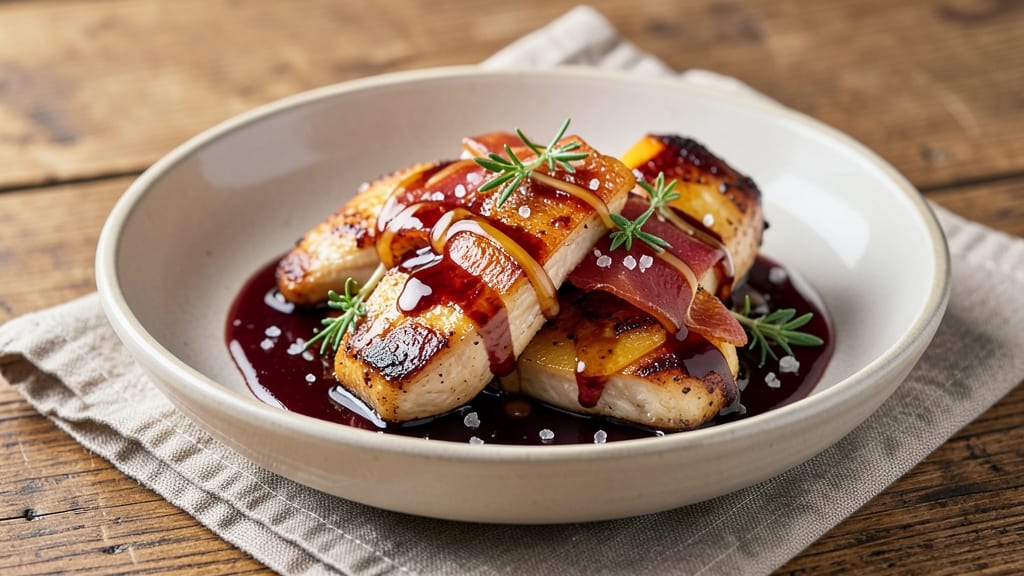
This balsamic glaze sauce transforms simple vinegar into a luxurious, caramelized drizzle that elevates everything from salads to desserts. The secret lies in simmering balsamic vinegar with honey and sugar until it thickens into a glossy, tangy-sweet sauce with depth you won't find in store-bought versions.
I developed this recipe after years of testing—it's the one that finally delivers that perfect balance of acidity and richness without overpowering your dish.
The process is straightforward but requires patience: reducing the vinegar over medium heat until it darkens and thickens into a syrupy consistency. The honey adds just enough sweetness to complement the vinegar's sharpness, while the sugar helps create that signature caramelized sheen.
What you'll end up with is a sauce that's versatile enough for both savory and sweet applications, yet sophisticated enough to impress at dinner parties.
This glaze isn't just about flavor—it's about transformation. A few generous drizzles can turn a simple grilled chicken breast into a restaurant-worthy main, or elevate a Caprese salad from ordinary to extraordinary. The best part?
It keeps beautifully in the refrigerator for up to two weeks, making it a pantry staple you'll reach for again and again. Once you taste the difference, store-bought balsamic reductions won't cut it.
Whether you're drizzling it over seared steaks, tossing it with roasted vegetables, or using it as a glaze for fruit, this sauce delivers restaurant-quality results with minimal effort.
The key is controlling the heat and watching closely as it reduces—patience pays off in a sauce that's rich, glossy, and packed with complex flavors. Let's get started on creating your new favorite culinary secret weapon.
Ingredients for balsamic glaze sauce
Six simple ingredients transform humble vinegar into restaurant-worthy glaze perfection.
| Ingredient | Amount | Notes |
|---|---|---|
| Balsamic Vinegar 🍷 | 1 cup | High-quality aged balsamic preferred |
| Granulated Sugar 🍚 | ½ cup | White or brown sugar works |
| Honey 🍯 | ¼ cup | Wildflower or clover preferred |
| Vanilla Extract 🌿 | ½ tsp | Pure vanilla for depth |
| Fresh Thyme Leaves 🌿 | 1 tbsp | Or 1 tsp dried thyme |
| Pinch of Salt 🧂 | ⅛ tsp | Kosher or sea salt |
| Freshly Ground Black Pepper 🌶️ | ⅛ tsp | Freshly cracked preferred |
The balsamic vinegar is non-negotiable here—look for aged balsamic vinegar (like San Marzano or Valpolicella) from Italian markets or specialty stores. The deeper the color and richer the flavor, the better your glaze will be. Trader Joe's and Whole Foods carry excellent options, or check the international aisle at your local grocery. Fresh thyme is ideal, but dried works in a pinch if you've got it—just use one-third the amount. The honey should be raw and unfiltered for the best flavor, though any honey will work if that's what you have on hand.
No aged balsamic? Regular balsamic vinegar plus 1 tbsp of dark brown sugar will get you close. Short on honey? Maple syrup at the same amount works beautifully. The vanilla extract is optional but adds a lovely depth—imitation vanilla won't cut it. For extra richness, add a splash of red wine (about 1 tbsp) to the simmering mixture. The pinch of salt and pepper should be adjusted to taste at the end, so don't stress about precision here—just remember to include them.
This glaze thickens as it cools, so don't worry if it looks too thin right after simmering. Store in a clean, airtight glass jar in the fridge for up to 3 weeks. For best results, reheat gently before using—microwave in 10-second bursts or warm in a small saucepan. The glaze reheats beautifully and keeps its glossy sheen. If it crystallizes, simply warm it up and stir until smooth again.
Why You'll Love This Recipe
- No-Spoon-Required Magic: I swear, this glaze comes together with just a pot and a whisk—no fancy gadgets, no measuring cups stressing me out. The balsamic and honey practically do the work while I sip my coffee, and by the time the thyme leaves perfume the air, it’s ready.
- Sweet-Savory Balance: That first tangy-sweet hit? Chef’s kiss. The sugar and honey caramelize into something rich, but the vanilla and thyme keep it bright—like dessert had a sophisticated makeover. Honestly, I’ve drizzled it on everything from grilled chicken to roasted Brussels sprouts, and it never feels like overkill.
- Pantry Staple Upgrade: Between us, this glaze turns basic meals into something special with almost no effort. Toss it on toast for a fancy breakfast, glaze roasted veggies for a weeknight dinner, or even drizzle it over vanilla ice cream when you’re craving something indulgent. It’s the kind of sauce that makes you feel like a home chef without the fuss.
- Make-Ahead MVP: I double the batch every time because it keeps for weeks in the fridge—no weird texture, no spoilage drama. A splash of water thins it out if it gets too thick, and it’s cheaper than store-bought glaze by a mile. Plus, it’s my go-to for last-minute gifts (yes, even on a Tuesday night).
Step-by-step instructions for balsamic glaze sauce
This rich, balanced glaze transforms simple ingredients into a velvety sauce with caramelized depth.
Combine Vinegar and Sugar in a Saucepan
In a medium saucepan, pour the 1 cup Balsamic Vinegar and add the 0.5 cup Granulated Sugar. Stir to dissolve the sugar completely over medium-low heat. You'll see the sugar granules disappear as they integrate with the vinegar, creating a smooth base. I like to use a wooden spoon here—it won't scratch the pan like metal utensils might.
Bring the mixture to a gentle boil, then immediately reduce heat to medium-low. This controlled simmer is crucial—too high heat will cause the vinegar to evaporate too quickly, throwing off the balance of flavors. Watch for bubbles to form at the edges but not a full rolling boil.
Simmer Until Thickened and Reduced
Let the mixture simmer uncovered for 15-20 minutes, stirring occasionally with a silicone spatula. You're looking for the sauce to reduce by about half—it should coat the back of a spoon when you lift it. The color will darken to a deep amber, and you'll notice a rich, caramelized aroma filling your kitchen.
Here's where patience pays off: resist the urge to rush this step. The longer you simmer, the more concentrated and complex the flavors become. If you see the sauce starting to crystallize or bubble too aggressively, reduce the heat slightly to prevent burning. You want a glossy, syrupy consistency—not a thick paste.
Add Honey and Aromatics
Once the vinegar mixture has reduced, remove the pan from heat and let it cool for 2 minutes. This brief rest prevents the honey from cooking too quickly when added. Stir in the 0.25 cup Honey, 0.5 tsp Vanilla Extract, 1 tbsp Fresh Thyme Leaves, 0.125 tsp Pinch of Salt, and 0.125 tsp Freshly Ground Black Pepper. The honey will dissolve immediately, while the thyme and vanilla add layers of warmth and depth.
Return the pan to low heat and stir gently for 3-4 minutes until everything is fully incorporated. You'll notice the sauce become even more glossy and aromatic. The thyme leaves will infuse their earthy notes, while the vanilla and pepper add subtle complexity. This is the moment the sauce transforms from good to extraordinary.
Strain and Adjust Consistency
Line a fine-mesh strainer with cheesecloth or a coffee filter and strain the sauce into a clean bowl. This step removes any thyme stems or sediment, leaving you with a silky, smooth glaze. Press gently on the solids in the strainer to extract every last drop of flavor—don't skip this, as those last bits contain concentrated flavor.
Taste the sauce and adjust the balance if needed. If it's too tart, add a touch more honey. If it's too sweet, stir in a splash of water or a pinch more salt. The sauce should be rich, slightly tangy, and perfectly balanced. Let it cool to room temperature before using—this allows the flavors to meld completely.
Pro Tips For Making Balsamic Glaze Sauce
- Simmer Slow and Steady: I learned this the hard way—rushing the reduction on high heat turns your glaze into vinegar syrup. Keep it at a gentle boil (medium-low) and stir occasionally. You’re aiming for a thick, glossy consistency that coats the back of a spoon, not a sticky mess that burns in seconds.
- Strain the Thyme Properly: Fresh thyme leaves add depth, but crushed stems make the glaze bitter. After simmering, let the mixture cool for 2 minutes, then strain through a fine-mesh sieve or cheesecloth. Press gently with a spoon—this catches stray bits without losing flavor (yes, even if you’re impatient like me).
- Balance Sweetness Early: Adding all the sugar at once can make the glaze cloying. Start with half the sugar, taste after 5 minutes of simmering, then adjust. The honey will mellow the acidity later, but you want a base that’s almost right before the vanilla goes in—trust your palate, not the recipe.
- Use Real Vanilla, Not Extract: I was skeptical until I tried it: a split vanilla bean (scraped seeds + pod) adds complexity the extract can’t match. Toss the pod in with the thyme during the last 10 minutes of simmering, then remove it. The pod infuses without overpowering—like a hidden gift in the sauce.
Pro cooking tips for this recipe
Heat Control Secrets
Start with medium-low heat when combining vinegar and sugar—this prevents rapid evaporation that throws off flavor balance. I use a stainless steel saucepan (like All-Clad) because it distributes heat evenly.
Once boiling, immediately reduce to medium-low to maintain gentle simmering. Too high heat causes sugar to caramelize unevenly, creating bitter spots. 🌡️
Watch for edge bubbles (not full rolling boil)—these indicate proper simmering speed. If you see aggressive bubbling, reduce heat further. The goal is gradual reduction, not violent evaporation. A digital thermometer (like Thermoworks) helps monitor—ideal temp hovers around 212-220°F during simmering.
Timing and Reduction
Simmering time varies based on your stove—15-20 minutes is standard, but gas burners may require 10-15 minutes while electric ranges often need 20-25 minutes. The sauce is done when it reduces by half and coats the back of a spoon.
I test by dipping a spoon, letting the glaze drip back—if it flows slowly, it's ready. 🕒
Never walk away! The sauce can burn quickly in the last 5 minutes of reduction. If it darkens too much, remove from heat immediately—it'll continue cooking from residual heat. For extra insurance, place the pan in an ice bath for 2 minutes to halt reduction completely.
Honey Integration
Let the reduced vinegar cool for exactly 2 minutes before adding honey—this prevents sudden temperature spikes that can cause sugar crystallization. Stir continuously for 30 seconds to fully incorporate. If you notice grainy texture, warm the mixture gently over low heat while stirring until smooth. 🍯
For deeper flavor, add 1 tsp balsamic reduction (from a previous batch) with the honey. This introduces umami depth that elevates the glaze beyond basic sweet-tart balance. The vanilla extract should be pure, not imitation—McCormick or Nielsen-Massey brands work best for authentic aroma.
Straining Like a Pro
Use double-layered cheesecloth for maximum smoothness—regular coffee filters won't catch all the tiny particles. Press gently with a silicon spatula to extract every last drop. I find that reusing the same strainer for multiple batches preserves flavor consistency better than new filters. 🧵
If your glaze thickens too much after straining, thin with 1 tsp water at a time until it reaches syrup-like consistency. For extra gloss, add ½ tsp corn syrup (like Karo) to the final mixture—this enhances the caramelized sheen without altering flavor.
Flavor Balancing
Taste test using the "three-spoon method": Take three spoonfuls—first plain, second with salt, third with pepper. This reveals the true flavor profile. If too tart, add honey 1 tsp at a time. For sweetness, balance with balsamic vinegar (½ tsp increments) rather than salt. 🍽️
For smoky depth, add ¼ tsp smoked paprika (like Cholula) or 1 drop liquid smoke during the final 2 minutes of simmering. This works beautifully with grilled meats. Store balanced glaze in amber glass bottles to protect from light degradation—regular glass can cause flavor fading over time.
Nutrition facts
Frequently asked questions about balsamic glaze
Can I make this glaze without honey?
Yes! Swap the honey for maple syrup or agave nectar at the same 0.25 cup amount. For a savory version, replace it with 1 tbsp balsamic vinegar and 1 tsp Dijon mustard instead. The honey adds natural sweetness that balances the vinegar's acidity, but these alternatives work beautifully too.
How do I prevent my glaze from crystallizing?
Crystallization happens when sugar separates during cooling. To avoid it, stir continuously for 30 seconds after adding honey, then let the sauce cool gradually at room temperature. If it does crystallize, simply warm it gently over low heat while stirring until smooth. For extra insurance, add ½ tsp corn syrup to the final mixture.
What's the best way to store leftover glaze?
Transfer to a clean, airtight glass jar and refrigerate for up to 3 weeks. The glaze will thicken further in the fridge—reheat gently in a small saucepan or 10-second microwave bursts until smooth. For long-term storage, freeze in 1-tablespoon portions for easy use in future recipes.
Can I use this glaze on desserts?
Drizzle over fresh berries, pound cake, or vanilla ice cream for a sophisticated touch. For extra richness, add ½ tsp cinnamon or orange zest to the final mixture. The caramelized sweetness pairs beautifully with creamy desserts and tart fruits. Just remember it's still tangy—balance is key!
Why did my glaze turn too dark?
Over-reducing or high heat causes darkening. For next time, maintain medium-low heat and watch closely—remove from heat when it reaches your desired consistency. If it's too dark now, thin with 1 tsp water and use it immediately on rich dishes like steak or mushrooms where the color won't show as prominently.