
Sauces & Condiments
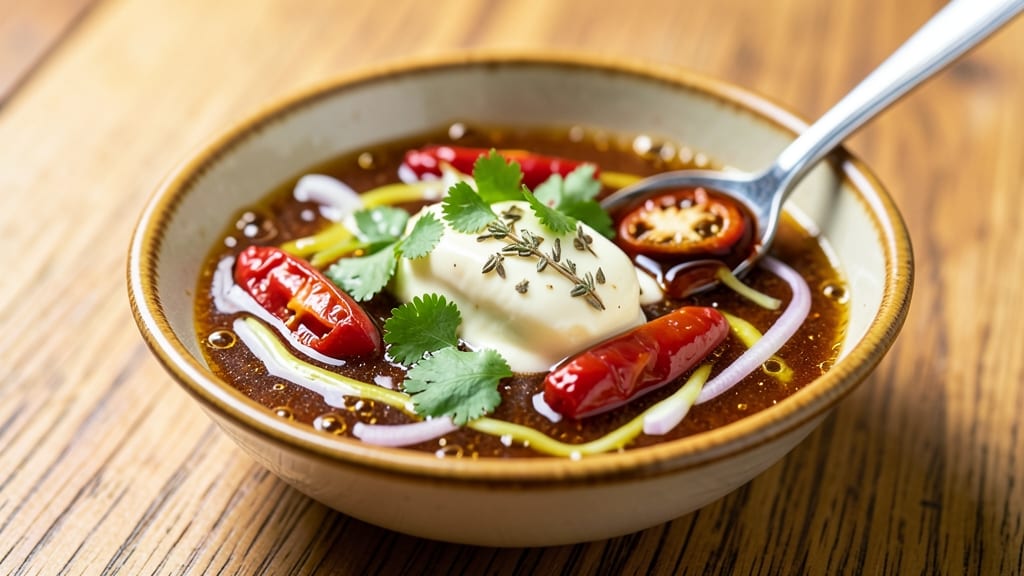
This Bahamian conch fritter sauce delivers the bright, fiery zing that makes every bite unforgettable. The secret lies in balancing tangy lime juice with Scotch bonnet peppers for that signature Caribbean heat, all bound together by rich butter and herbs.
I developed this sauce after years of testing—it’s the perfect complement to crispy conch fritters, cutting through their richness with a refreshing, spicy kick.
The foundation is simple: butter, lime, and hot sauce create the base, while fresh herbs like cilantro and thyme add depth. A splash of vinegar brightens the flavor, ensuring each spoonful is vibrant and complex.
What sets this sauce apart is the Scotch bonnet’s heat, which builds gradually, making it versatile for those who love mild or fiery flavors.
By the time you’re done, you’ll have a smooth, velvety sauce with just the right balance of tang, spice, and richness. It’s the kind of condiment that transforms simple fritters into a restaurant-worthy dish, perfect for dipping, drizzling, or serving on the side.
The flavors only deepen as it sits, so make extra—it won’t last.
Pair it with crispy conch fritters, grilled fish, or even as a marinade for meats. The sauce’s versatility makes it a must-have for any Caribbean-inspired meal. Let’s get started on creating this flavor-packed essential.
Ingredients for bahamian conch fritter sauce
Butter, lime, and Scotch bonnet peppers create this vibrant, fiery sauce that elevates Bahamian flavors instantly.
| Ingredient | Amount | Notes |
|---|---|---|
| Unsalted Butter 🧈 | ¾ cup | Cold, cubed for easier melting |
| Fresh Lime Juice 🍋 | ½ cup | Strain seeds for smooth texture |
| Scotch Bonnet Peppers 🌶️ | 2 whole | Seeds removed for milder heat |
| Hot Sauce 🔥 | ¼ cup | Caribbean-style preferred |
| Fresh Cilantro 🌿 | ¼ cup | Stems removed, finely chopped |
| Fresh Thyme Leaves 🍃 | 1 tbsp | Or 1 tsp dried thyme |
| White Vinegar 💧 | 1 tbsp | Brightens the sauce |
| Granulated Sugar 🍚 | 1 tbsp | Balances acidity |
| Salt 🧂 | ½ tsp | Diamond Crystal preferred |
| Black Pepper 🌶️ | ¼ tsp | Freshly ground |
The Scotch bonnet is non-negotiable for authentic heat—Caribbean markets or specialty stores carry them fresh. If you can't find them, Habanero peppers work in a pinch, but the flavor won't be identical. The butter should be cold when you start, so it emulsifies smoothly. Trader Joe's or Whole Foods usually stock high-quality unsalted butter in blocks. For the lime juice, use Mexican or Persian limes if available—they're more acidic and vibrant. If you're using bottled lime juice, add an extra tablespoon to compensate for the lack of freshness.
No Scotch bonnet? Red pepper flakes at half the amount will give you some heat, but you'll lose that signature Caribbean depth. Fresh cilantro is ideal, but if you're using dried, reduce to one-third the amount—it's much more potent. The hot sauce is where you can get creative: Valentina or Crystal hot sauce add authentic flavor, but any good-quality Caribbean hot sauce works. The vinegar is key for brightness—apple cider vinegar adds a fruity note if you want to experiment. For a smoother sauce, blend the Scotch bonnet with the other ingredients; for texture, finely chop it first.
This sauce is best made fresh but keeps well in the fridge for 5-7 days. Store it in an airtight container with a thin layer of oil on top to preserve the freshness. It freezes beautifully for up to 3 months, making it perfect for batch cooking. The flavors actually improve overnight as everything melds together. If you make extra, drizzle it over grilled fish, use it as a marinade, or even mix it into mayo for a spicy dip. The possibilities are endless—just don't skimp on the Scotch bonnet!
Why You'll Love This Recipe
- Here’s what sold me: the Scotch bonnet and hot sauce let you dial the fire up or down without extra steps. Melt butter, squeeze lime, toss in peppers—adjust to taste. No second pots, no waiting for sauces to reduce. (Yes, even on a Tuesday night.)
- Five-Ingredient Magic: I swear by this—just butter, lime, a Scotch bonnet, hot sauce, and cilantro. That’s it. No fancy techniques, no hidden pantry items. Honestly, the first time I made it, I thought I’d missed something, but the flavor? Chef’s kiss.
- Heat You Can Control: Here’s what sold me: the Scotch bonnet and hot sauce let you dial the fire up or down without extra steps. Melt butter, squeeze lime, toss in peppers—adjust to taste. No second pots, no waiting for sauces to reduce. (Yes, even on a Tuesday night.)
- Dips Everything Better: This sauce turns ordinary into ridiculously good. Fry up some conch fritters? Perfect. Grilled shrimp? Instant upgrade. Even a simple side of plantains gets a flavor boost. Between us, I’ve used it on tacos, salads, and even scrambled eggs—no judgment.
Step-by-step instructions for Bahamian conch fritter sauce
This vibrant sauce balances heat, tang, and richness—perfect for dipping crispy fritters.
Melt the Butter and Infuse Aromatics
In a medium saucepan over medium-low heat, add the 0.75 cup unsalted butter (cubed) and let it melt slowly, swirling occasionally. Once fully melted, add the 2 whole Scotch Bonnet peppers (halved lengthwise) and the 1 tbsp fresh thyme leaves. Reduce heat to low and let the mixture simmer gently for 5 minutes. You'll notice the butter takes on a faint golden hue and the peppers release their aromatic oils—this is where the sauce's signature depth begins.
Here's the thing—don't rush this step. The slow infusion allows the Scotch Bonnet's heat to meld with the butter without overpowering it. If you see the butter starting to brown too quickly, reduce the heat further. The goal is a fragrant, infused base that won't scorch when we add the acidic components later.
Add Lime and Vinegar for Tangy Brightness
Remove the Scotch Bonnet peppers from the pan (you can discard them or save for another dish). Increase heat to medium and add the 0.5 cup fresh lime juice and 1 tbsp white vinegar. Stir constantly as the mixture bubbles vigorously—this is where the sauce's signature tang develops. Let it simmer for 3-4 minutes until the liquid reduces slightly and the aroma becomes more concentrated. You should see small bubbles forming around the edges of the pan, indicating the acid is cutting through the butter's richness.
I like to taste the sauce at this stage to gauge the balance. It should be bright and acidic but not overwhelming. If it tastes too sharp, we'll adjust with sugar in the next step. The lime juice should be fully incorporated, leaving no visible liquid—this ensures a smooth, cohesive sauce rather than a watery one.
Build Depth with Hot Sauce and Seasonings
Stir in the 0.25 cup hot sauce and 1 tbsp granulated sugar, letting the mixture simmer for another 2-3 minutes. The sugar will help balance the acidity while the hot sauce adds another layer of heat. Add the 0.5 tsp salt and 0.25 tsp black pepper, stirring until fully dissolved. Taste again—you're aiming for a harmonious blend where the heat, tang, and sweetness all play together. If it needs more balance, add a pinch more sugar or a splash of lime juice as needed.
This is where the sauce comes together. The hot sauce shouldn't dominate—think of it as a supporting player rather than the lead. The sugar should mellow out the acidity just enough to make the heat more approachable. If the sauce thickens too much during this process, whisk in 1-2 tablespoons of water to loosen it slightly while maintaining its glossy texture.
Finish with Fresh Herbs and Adjust Consistency
Remove the pan from heat and stir in the 0.25 cup fresh cilantro. Let the sauce sit for 1 minute to allow the herbs to infuse. If the sauce is too thick for dipping (it should coat the back of a spoon but still pour smoothly), return it to low heat and whisk in 1-2 tablespoons of water or lime juice until it reaches your desired consistency. The final sauce should be vibrant green from the cilantro, with a glossy sheen that indicates it's ready to cling to every crispy bite of fritter.
Real talk: The sauce will continue to thicken as it cools, so don't worry if it looks slightly looser in the pan. Serve it warm or at room temperature—both work beautifully. For extra zing, garnish with an additional sprinkle of cilantro or a few drops of lime juice just before serving. This sauce is best enjoyed fresh, so plan to make it just before serving your fritters to preserve its bright, lively character.
Pro Tips For Making Bahamian Conch Fritter Sauce
- Melt Butter Slowly: Start with cold butter—drop cubes into the pan and let them melt gradually while you toast the Scotch bonnet. I learned this the hard way: dumping melted butter all at once makes the sauce split, especially when you add lime juice later. Give it 2-3 minutes to emulsify naturally before adding anything else.
- Seed Scotch Bonnet Properly: Cut the pepper open, scrape out seeds and membranes with a spoon—don’t just slice it. Those membranes pack the real heat, and you’ll regret it if your sauce turns into a one-pepper fire drill. If you’re nervous, wear gloves and work near a fan (yes, even if you’re tough).
- Balance Lime Last: Add lime juice after the butter’s emulsified and the peppers have softened—about 30 seconds before removing from heat. Too early, and the acid curdles the butter. Too late, and the sauce tastes flat. Taste as you go; you’re aiming for bright, not sour.
- Chop Cilantro Coarse: Snip the cilantro into ½-inch chunks, not a fine mince. Fine herbs muddy the sauce and turn it into a green sludge. Rough texture keeps the dish feeling fresh and lets the heat and lime shine. Trust me, your mouth will notice the difference—even if your guests don’t ask why.
Pro cooking tips for this dish
Butter Infusion Mastery
The key to a silky sauce starts with cold cubed butter—never melted beforehand. As it melts over medium-low heat, the butter should foam gently before settling into a smooth liquid. Add the Scotch bonnet peppers and thyme here, but keep the heat low to prevent burning.
I’ve seen beginners rush this step and end up with a bitter, scorched sauce—patience is everything. 🌡️
Pro tip: Use a light-colored saucepan so you can easily spot when the butter starts to brown. If it turns golden too quickly, immediately reduce heat to lowest setting or even remove the pan briefly.
The butter should infuse the peppers’ aroma without developing nutty overtones. Trust me, this foundational step makes or breaks your sauce.
Acid Balance Secrets
The lime juice and vinegar are your flavor anchors—add them one at a time to control the tang. Start with the lime, then let it simmer for 3 minutes before adding vinegar. This gradual approach prevents a harsh, overwhelming acidity.
I’ve made this sauce dozens of times, and I always taste after each addition. If it’s too sharp, a pinch of sugar (or even a tiny bit of honey) will smooth it out instantly. 🍋
Here’s my fail-proof trick: If the sauce looks too thin after adding acids, simmer uncovered for 1-2 extra minutes to reduce it slightly. The goal is a glossy, clingy consistency—like honey—so it coats fritters perfectly. Never rush this reduction; it’s what gives the sauce its professional restaurant quality.
Heat Control Tricks
The Scotch bonnet is the star of the heat show, but how you handle it matters. Remove the seeds and membranes for milder heat, or leave them in for fire-breathing intensity.
For the sauce, I recommend halving the peppers lengthwise—this exposes more surface area for infusion without overwhelming the butter. 🌶️
If your sauce tastes too spicy, balance it with extra lime juice (which numbs capsaicin receptors) or a splash of coconut milk (which mellows heat naturally). For milder heat, reduce the hot sauce to 2 tablespoons instead of ¼ cup.
The key is harmony—each element should complement, not dominate. Taste as you go!
Herb Infusion Hacks
Fresh cilantro and thyme are non-negotiable for authentic flavor, but how you add them makes all the difference. Stir in the cilantro off-heat for 1 minute—this prevents the herbs from wilting into a sad, mushy pulp.
For extra brightness, pulse the cilantro in a food processor for 5 seconds before adding, creating a herb paste that blends seamlessly. 🌿
No fresh herbs? Dried thyme works in a pinch (use 1 teaspoon), but skip the dried cilantro—it lacks the fresh, citrusy punch. If you’re feeling fancy, add 1 teaspoon of grated ginger with the lime juice for a spicy-sweet depth that pairs perfectly with conch.
The herbs should brighten the sauce, not overpower it.
Consistency Fixes
Sauce too thick? Whisk in 1 tablespoon of warm water or lime juice until it reaches a drizzling consistency. Too thin? Simmer uncovered for 2-3 extra minutes to reduce it. The magic number is coating the back of a spoon—thick enough to cling, but still pourable. 🥄
For a restaurant-worthy finish, strain the sauce through a fine-mesh sieve to remove any herb bits. This gives it a silky, velvety texture that’s perfect for drizzling.
If you’re serving it immediately, keep it warm over low heat in a double boiler—never boil, or the lime will cook off its brightness.
Nutrition facts
Frequently asked questions
Can I make this sauce without Scotch bonnet peppers?
Yes, but the flavor won't be authentic. For milder heat, substitute 2 tablespoons of habanero peppers or 1 tablespoon of red pepper flakes. If you prefer no heat, omit them entirely and increase the hot sauce to 3 tablespoons instead. The sauce will still be tangy and rich, but the signature Caribbean kick will be missing.
How long will this sauce keep in the fridge?
The sauce stays fresh for 5-7 days when stored in an airtight container. For longer storage, freeze it for up to 3 months. Thaw overnight in the fridge before using. The flavors actually improve as it sits, so making a batch ahead of time is a great idea! Just give it a quick stir before serving to restore its glossy texture.
Can I use this sauce for other dishes besides conch fritters?
This versatile sauce works perfectly with grilled fish, shrimp, or even as a marinade for chicken or pork. It also makes an excellent dip for plantain chips or fried plantains. The tangy, spicy profile cuts through rich proteins beautifully. Try drizzling it over blackened fish tacos for an instant Caribbean upgrade.
What if my sauce turns out too spicy?
Don't worry—you can easily balance the heat. Stir in 1-2 tablespoons of coconut milk to mellow the spice, or add extra lime juice (which helps numb capsaicin receptors). For a sweeter approach, whisk in 1 teaspoon of honey. Taste as you go and adjust gradually. The key is harmony, so aim for a sauce where the heat enhances, rather than overpowers, the other flavors.
Can I make this sauce dairy-free?
Yes! Replace the butter with coconut oil or vegetable oil (use 0.5 cup total) and adjust the heat to medium-low to prevent burning. The texture will be slightly lighter, but the tangy, spicy flavors will still shine. For extra richness, stir in 2 tablespoons of coconut cream at the end. The sauce will still pair beautifully with your fritters!